What Kind of Doctor Treats Osteoporosis? Here Is What the Evidence Says
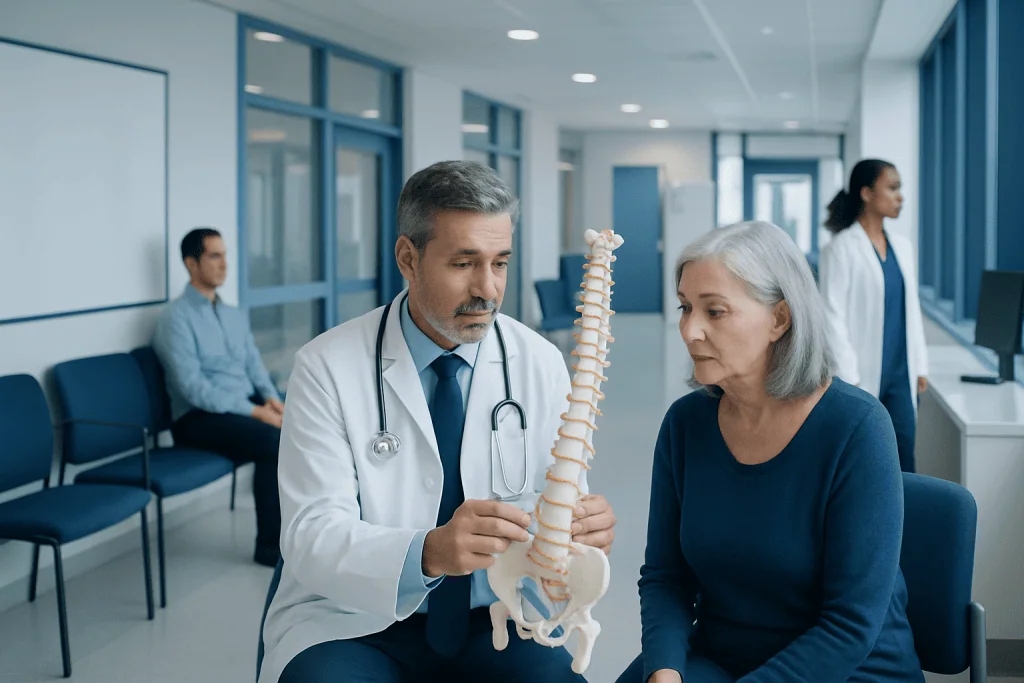
Primary care doctors commonly coordinate osteoporosis screening, testing, and initial treatment. Endocrinologists and rheumatologists are often helpful for complex osteoporosis or possible secondary causes of bone loss.
Key Takeaways
- Primary care doctors commonly coordinate osteoporosis screening, testing, and initial treatment.
- Endocrinologists and rheumatologists are often helpful for complex osteoporosis or possible secondary causes of bone loss.
- An orthopedic doctor is especially important after a fracture, but fracture care and osteoporosis care should both be addressed.
- A DXA bone density scan, fracture history, medication review, and blood tests can help guide an individualized plan.
- A low-impact fracture, unexplained height loss, or sudden back pain should prompt medical review.
A primary care doctor can often assess, diagnose, and begin treatment for osteoporosis. Endocrinologists, rheumatologists, geriatricians, orthopedic specialists, and fracture liaison teams may become involved when bone loss is severe, a fracture has occurred, or an underlying condition is suspected.
What Kind of Doctor Treats Osteoporosis?
What kind of doctor treats osteoporosis? A primary care physician, family doctor, or internist often provides the first evaluation, orders bone density testing, and starts prevention or treatment when appropriate. Many people can receive effective ongoing osteoporosis care through primary care, particularly when bone loss is straightforward and there have been no fractures.
Specialist input may be useful when osteoporosis is severe, treatment is not working as expected, fractures occur despite treatment, or another medical condition may be causing bone loss. Endocrinologists commonly manage disorders affecting hormones and bone metabolism, while rheumatologists may help when inflammatory disease or long-term steroid treatment is involved. Orthopedic specialists treat fractures and may work alongside a bone-health clinician to reduce the chance of future fractures.
Osteoporosis usually develops silently and is not an emergency by itself. However, a fracture after a minor fall, new severe back pain, noticeable height loss, or a curved upper back deserves timely medical assessment because these can indicate a vertebral compression fracture or significant bone fragility.
Which Specialist May Be the Best Fit?
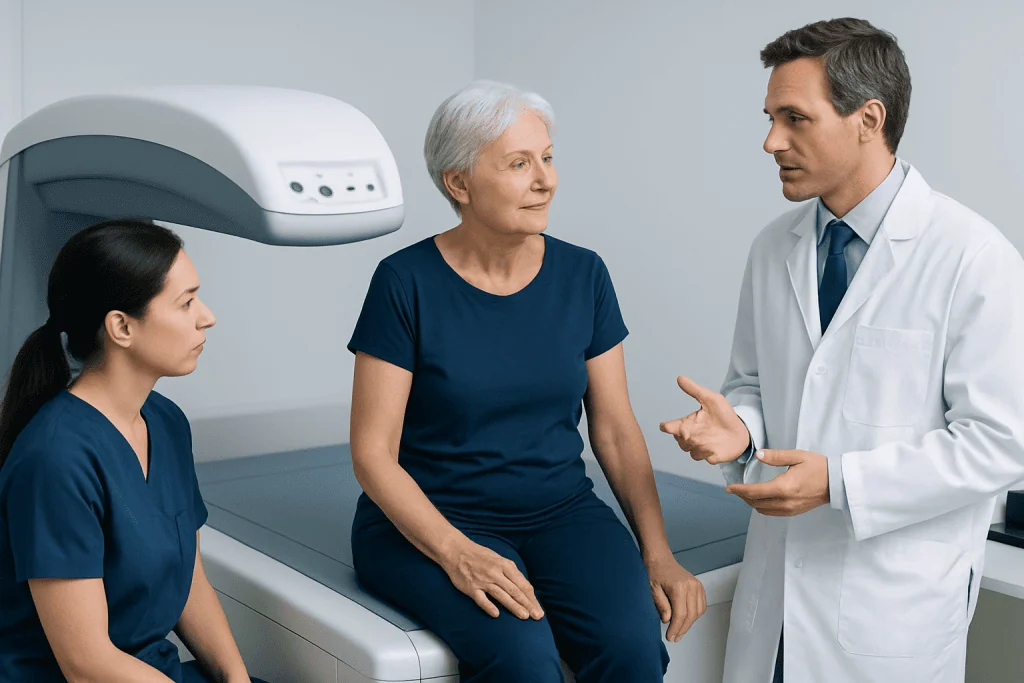
The best clinician depends on a person’s health history, fracture risk, medicines, and test results. A primary care doctor is often the most practical starting point because they can review overall health, arrange screening, and coordinate referrals. Gynecologists may also identify and address bone-health needs during midlife and after menopause.
An endocrinologist may be recommended for osteoporosis at a younger age, very low bone density, repeated fractures, unusual laboratory results, kidney-related mineral problems, or suspected hormone conditions. These may include thyroid or parathyroid disorders, low sex-hormone levels, diabetes-related risks, or conditions that affect calcium and vitamin D balance.
A rheumatologist may be involved for people with rheumatoid arthritis, lupus, other inflammatory conditions, or prolonged use of corticosteroid medicines. A geriatrician can be particularly valuable for older adults with multiple health conditions, falls, memory concerns, or medication-related risks. Physical medicine and rehabilitation clinicians and physiotherapists may support safe movement, strength, posture, balance, and recovery after injury.
- Primary care clinician: screening, diagnosis, initial treatment, and care coordination.
- Endocrinologist: complex bone loss or possible metabolic and hormonal causes.
- Rheumatologist: inflammatory disease, steroid-related bone loss, or autoimmune conditions.
- Orthopedic specialist: fracture treatment, especially hip, wrist, spine, or other fragility fractures.
- Geriatrician: integrated care for older adults with falls or multiple medical needs.
Why Osteoporosis Can Need Medical Attention

Osteoporosis means bones have become less dense and structurally weaker, increasing the likelihood of a fracture. It is sometimes called a “silent” condition because people generally do not feel bone loss happening. A person may first learn about it after breaking a wrist, hip, or vertebra during a fall that would not normally cause a serious injury.
Not every ache, posture change, or fall means osteoporosis is present. Back discomfort and reduced height can have many possible explanations, including muscle strain, arthritis, or disc disease. Still, clinicians take these changes seriously in people with risk factors because vertebral fractures may occur with little or no obvious trauma.
Risk rises with older age, menopause, a previous fragility fracture, low body weight, smoking, heavy alcohol use, inactivity, low calcium or vitamin D intake, and a family history of hip fracture. Certain illnesses and medicines can also affect bones. More information about the condition is available in osteoporosis.
What a Doctor Will Usually Check
An osteoporosis visit usually begins with a careful health history. The clinician will ask about previous fractures, falls, height changes, family history, menstrual or menopause history where relevant, diet, physical activity, smoking, alcohol use, and all medicines and supplements. They will also look for health conditions that may affect bone strength or the likelihood of falling.
A DXA, or dual-energy X-ray absorptiometry, scan is the standard test used to measure bone mineral density. It is quick, painless, and uses a very low dose of radiation. The scan commonly measures the hip and lower spine, and its results are considered alongside age, sex, fracture history, and other risks rather than in isolation.
Blood and urine tests may be considered to identify treatable contributors to bone loss. Depending on the individual, these can assess calcium, vitamin D, kidney function, thyroid function, blood count, and other markers. If new back pain, height loss, or an abnormal posture suggests a spinal fracture, the doctor may request spine imaging.
After assessment, the clinician estimates the person’s future fracture risk and discusses whether lifestyle measures alone are suitable or whether medicine is likely to provide additional protection. This approach helps match care to the individual’s overall risk rather than relying on one test result.
Treatment Options and the Role of Each Doctor
Treatment aims to lower fracture risk, maintain independence, and support bone health over time. The plan may include weight-bearing and muscle-strengthening exercise, adequate dietary calcium, vitamin D when needed, fall-prevention measures, and avoiding tobacco. The safest exercise plan varies after a fracture or when osteoporosis is advanced, so professional guidance can be useful.
For people at higher fracture risk, doctors may prescribe medicines that slow bone breakdown or, in selected circumstances, help build bone. Choice depends on fracture risk, kidney function, digestive health, other medicines, pregnancy potential, preferences, and the ability to follow the treatment plan. A clinician should also explain how long treatment may be needed and how monitoring will be arranged.
Orthopedic care is important if a fracture has occurred, but it should not replace long-term bone-health management. Following a fragility fracture, a coordinated assessment can identify osteoporosis and prevent another fracture. Rehabilitation may help restore mobility, confidence, and safe daily activity after an injury.
Acibadem International’s multidisciplinary specialists and JCI-accredited hospitals can evaluate osteoporosis, related fractures, and underlying contributors for international patients. Care should be individualized through discussion with a qualified clinician familiar with the person’s full medical history.
Prevention and Self-Care Between Appointments
Bone health benefits from regular movement throughout adulthood. Weight-bearing activities, such as walking, stair climbing, or dancing, place gentle stress on bones. Strength exercises support muscles and balance, which may lower fall risk. People with known osteoporosis, spinal fractures, severe pain, or poor balance should ask a clinician or physiotherapist which movements are appropriate before starting a new program.
A balanced diet that includes calcium-rich foods supports bone health. Vitamin D helps the body absorb calcium, but supplementation should be based on a clinician’s advice, particularly for people with kidney disease, a history of kidney stones, or conditions affecting calcium levels. Very high supplement doses are not automatically safer or more effective.
Fall prevention is an important part of osteoporosis care. Helpful measures include reviewing medicines that can cause dizziness, having vision checked, wearing supportive footwear, keeping walkways clear, improving lighting, and using assistive devices when recommended. Avoiding smoking and limiting alcohol can also support bone and general health.
People already taking osteoporosis medicine should not stop it suddenly without speaking to their prescriber. Follow-up may include repeat bone density testing at an interval chosen by the clinician, review of side effects, and reassessment after any new fracture or major health change.
When to Seek Medical Care
A routine appointment is appropriate for adults who have risk factors for osteoporosis, have gone through menopause, have used steroid medicines for a prolonged period, or want to discuss whether bone density screening is suitable. It is also sensible to seek review after a fracture from a low-level fall or everyday movement, even if the fracture has already been treated.
Medical review should be arranged promptly for new, persistent, or significant back pain after a fall, lifting, bending, or coughing; unexplained loss of height; or a new rounded posture. These symptoms do not always mean a spinal fracture, but assessment can clarify the cause and guide safe treatment.
Urgent care is needed after a serious fall, when there is severe pain, inability to stand or bear weight, a suspected hip fracture, numbness or weakness, loss of bladder or bowel control, or other sudden neurological symptoms. These signs require prompt evaluation and should not be managed at home.
Frequently asked questions
Should a person see an endocrinologist for osteoporosis?
Not always. A primary care doctor can manage many cases of osteoporosis, including arranging screening and discussing standard treatments. An endocrinologist may be especially helpful if osteoporosis is severe, occurs at an unusually young age, involves repeated fractures, or may be linked to a hormonal or metabolic condition.
Can an orthopedic doctor treat osteoporosis?
Orthopedic doctors are important for diagnosing and treating fractures, including fractures related to fragile bones. They may also identify osteoporosis after a fracture. Long-term osteoporosis treatment may be managed by an orthopedic specialist, primary care clinician, endocrinologist, or another bone-health professional, depending on the healthcare setting.
What test confirms osteoporosis?
A DXA bone density scan is the standard test used to diagnose osteoporosis and estimate fracture risk. Doctors also consider a person's history of low-impact fractures, age, health conditions, medicines, and sometimes blood tests. A fracture from minor trauma can indicate bone fragility even before a DXA scan is performed.
When should someone ask for an osteoporosis screening test?
Screening recommendations depend on age, sex, menopause status, prior fractures, and individual risks. People should discuss testing with a clinician if they have had a fragility fracture, have used long-term corticosteroids, have a family history of hip fracture, or have other conditions linked to bone loss. A doctor can determine the most appropriate timing.
Is osteoporosis painful?
Osteoporosis itself usually does not cause pain. Pain may occur if weakened bones fracture, particularly when vertebrae in the spine compress or collapse. New back pain, loss of height, or posture changes should be assessed rather than assumed to be a normal part of aging.
Can osteoporosis be treated without medication?
Lifestyle measures such as exercise, adequate nutrition, smoking cessation, alcohol moderation, and fall prevention are important for everyone. However, people at high risk of fracture may benefit from medication in addition to these measures. A clinician can help weigh expected benefits and possible risks based on the individual's fracture risk.
This article is for general information only and is not a substitute for professional medical advice. Please consult a qualified doctor about your individual situation.
Joint and spine care in Turkey — expert assessment & treatment
JCI-accredited · board-certified surgeons · reply within 24h
Add us as a Preferred Source to see more of our trusted health content across Google Search, AI Overviews and Discover.

More from the Health Library
Dizzy Spells Explained: Common Triggers and Red Flags

Does Spinach Have Iron? Here Is What the Evidence Says

Listeria Symptoms: Possible Causes and When to Seek Care
Why Do My Joints Crack So Much? Here Is What the Evidence Says
Is Mayo Gluten Free? A Doctor-Reviewed Answer

Does Peanut Butter Cause Constipation? Here Is What the Evidence Says
Physical Medicine & Rehabilitation Specialists at Acibadem

Assoc. Prof. Dr. Burak Özturan
Orthopedic Surgery & Traumatology
Burcu Kocabey
Physical Medicine & Rehabilitation
Fzt. Busenur Sezer
Physical Medicine & Rehabilitation
Büşra Zeybek
Physical Medicine & Rehabilitation