What to Do for High Blood Pressure? A Doctor-Reviewed Answer
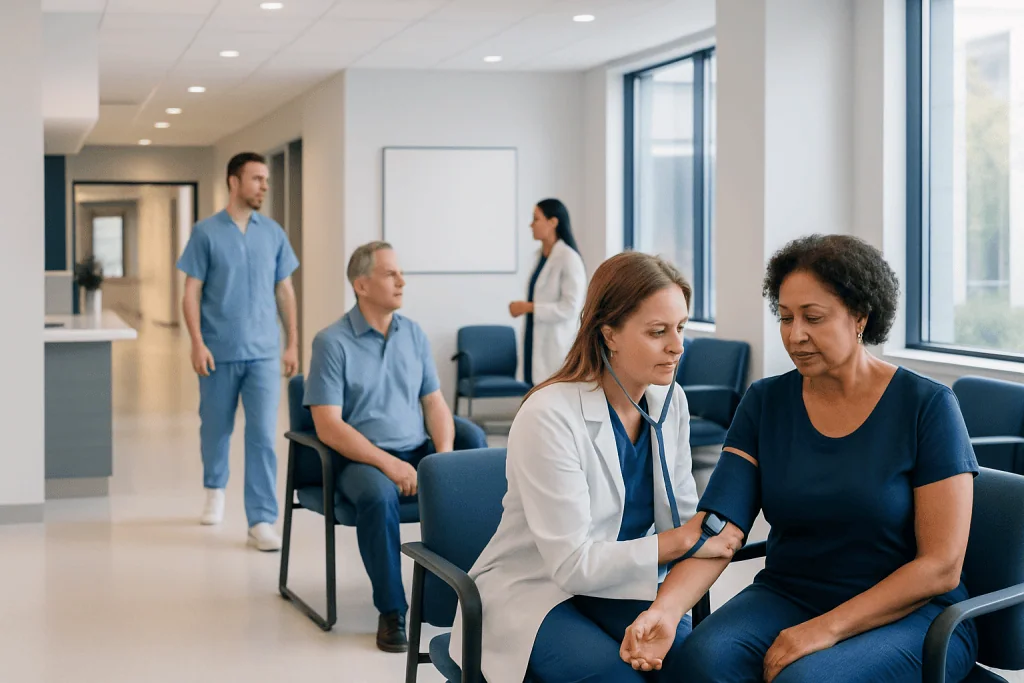
A single high blood pressure reading is often not dangerous by itself, but it should be rechecked correctly. Emergency symptoms matter more than the number alone; chest pain, stroke signs, or severe breathing trouble need urgent care.
Key Takeaways
- A single high blood pressure reading is often not dangerous by itself, but it should be rechecked correctly.
- Emergency symptoms matter more than the number alone; chest pain, stroke signs, or severe breathing trouble need urgent care.
- Doctors diagnose hypertension with repeated measurements and may use home or ambulatory monitoring.
- Treatment usually combines lifestyle changes with medication when needed to lower long-term heart, brain, and kidney risk.
- Do not stop or change blood pressure medicines without medical advice, even if readings improve.
What to do for high blood pressure depends on the reading and how the person feels: many elevated readings are not an immediate emergency, but they should be confirmed and discussed with a doctor. Urgent medical care is important if a very high reading comes with chest pain, severe shortness of breath, confusion, fainting, or signs of stroke.
Overview: what to do first
If a blood pressure reading is high, the first step is usually to stay calm, sit quietly, and repeat the measurement correctly after about five minutes. Many people have a temporary rise from stress, pain, exercise, caffeine, nicotine, or simply being rushed, so one elevated reading does not always mean immediate danger.
What to do for high blood pressure depends on two things: the level of the reading and whether there are warning symptoms. If the person feels well, it is often reasonable to recheck the reading, note the result, and contact a doctor for guidance. If the high reading comes with chest pain, severe shortness of breath, severe headache with neurologic symptoms, confusion, fainting, or weakness on one side, urgent medical care is needed.
Blood pressure is measured as systolic pressure over diastolic pressure. Over time, persistently high blood pressure can strain the heart and damage blood vessels, kidneys, eyes, and brain. That is why confirmation, follow-up, and treatment matter even when there are no symptoms.
How to recheck a high reading at home
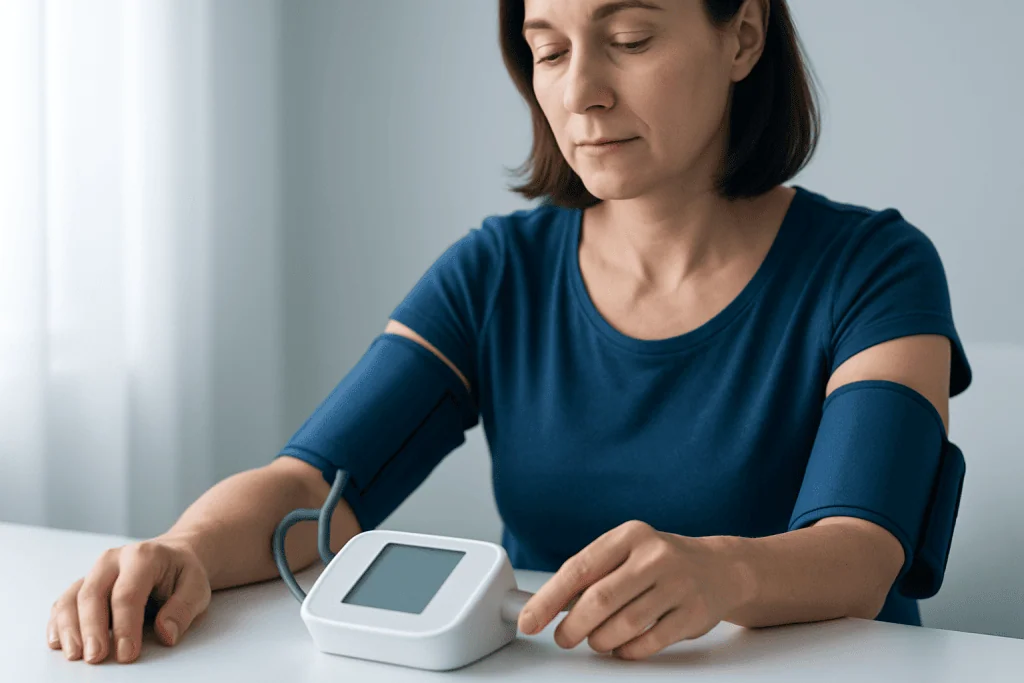
Before repeating the measurement, the person should sit with the back supported and both feet flat on the floor, without talking. The arm should rest at heart level, and the cuff should fit properly on bare skin. It is best to avoid caffeine, smoking, and exercise for at least 30 minutes beforehand if possible.
Taking two readings one to two minutes apart can give a more reliable picture. If the second reading is still high, it helps to write down the time, the numbers, any symptoms, and anything that may have affected the result, such as pain, stress, poor sleep, or missed medication.
Home blood pressure monitors can be very useful, but technique matters. Common reasons for falsely high readings include a cuff that is too small, crossing the legs, talking during the measurement, or checking the blood pressure immediately after physical activity.
- Rest quietly for five minutes before measuring.
- Use a validated upper-arm monitor if available.
- Take readings at the same times each day when tracking trends.
- Bring the home monitor to a medical appointment so the team can check its accuracy.
When to seek medical care

Most people with high blood pressure do not feel any specific symptoms, and many elevated readings can be assessed in a clinic rather than an emergency setting. However, some situations need prompt medical review because they may signal injury to important organs or another serious problem.
Emergency care is important if a very high blood pressure reading occurs with chest pain, sudden severe shortness of breath, fainting, confusion, trouble speaking, weakness or numbness on one side, sudden vision loss, or a severe headache unlike usual headaches. These symptoms may point to conditions such as heart problems or stroke, which should not be watched at home.
Non-emergency medical review is still wise if repeated home readings stay high over days to weeks, if blood pressure medicines seem not to be working, or if side effects are making treatment hard to follow. A clinician can help determine whether the issue is true hypertension, poor measurement technique, medication timing, or another health condition such as hypertension.
Why blood pressure rises: causes and risk factors
In many adults, high blood pressure develops gradually and does not have a single identifiable cause. This is often called primary or essential hypertension. Genetics, increasing age, excess weight, high salt intake, low physical activity, chronic stress, alcohol use, and poor sleep can all contribute.
Sometimes there is a more specific underlying cause, known as secondary hypertension. Possible examples include kidney disease, hormonal disorders, obstructive sleep apnea, some medications, and pregnancy-related conditions. Decongestants, certain anti-inflammatory medicines, stimulants, steroids, and some herbal products can also raise blood pressure in some people.
Blood pressure can also rise temporarily. Pain, anxiety, illness, fever, strenuous exercise, and even the stress of a medical visit can affect a reading. That is why doctors usually look for a pattern over time rather than relying on a single number, unless the reading is extremely high or there are concerning symptoms.
Risk also increases when other cardiovascular factors are present, such as diabetes, high cholesterol, smoking, or a family history of heart disease. When these occur together, treatment becomes even more important because the long-term risk to the heart, brain, and kidneys is higher.
How doctors diagnose the cause and assess risk
A doctor usually begins by confirming that the blood pressure is truly elevated. This may involve repeated office measurements, a home blood pressure log, or 24-hour ambulatory monitoring. Because readings can vary, diagnosis is based on consistent patterns rather than one isolated measurement in most cases.
The next step is to look for clues about severity, related conditions, and possible causes. The clinician may ask about symptoms, family history, pregnancy, current medicines, diet, alcohol intake, sleep quality, and any use of over-the-counter or herbal products. A physical examination can also help identify signs of heart, kidney, or hormonal problems.
Tests are often used to understand the bigger picture. These may include blood tests, urine tests, an electrocardiogram, and sometimes imaging or additional heart evaluations if there is concern about complications. If symptoms suggest related cardiovascular disease, a doctor may evaluate for conditions such as coronary artery disease or arrange a cardiology check-up.
The goal is not only to label the blood pressure as high, but also to understand whether there is organ involvement, whether the rise is temporary or persistent, and which treatment plan is most appropriate for the individual person.
Treatment options doctors may recommend
Treatment depends on how high the blood pressure is, whether there are symptoms, and the person’s overall cardiovascular risk. For some, lifestyle changes may be the first step. For others, medication is recommended from the start, especially if blood pressure is clearly elevated or if there are conditions such as diabetes, kidney disease, or prior heart or stroke risk.
Common medication groups include drugs that help the body remove excess salt and water, relax blood vessels, or reduce the strain on the heart. The exact choice depends on age, other medical conditions, possible side effects, and how well the pressure responds over time. It often takes follow-up and occasional adjustment to find the most suitable plan.
If blood pressure remains high despite treatment, doctors may reassess technique, adherence, other medicines, diet, sleep, kidney function, and hormonal causes. In selected cases, further evaluation by heart and vascular specialists may be helpful, and some people may need tests such as Holter monitoring or a cardiology-focused check-up if symptoms suggest a broader cardiovascular issue.
It is important not to stop prescribed blood pressure medicine suddenly without medical advice. Even when a person feels well, untreated or partially treated hypertension can continue to raise the risk of heart attack, stroke, kidney disease, and other complications over time.
Self-care and prevention between appointments
Daily habits can make a meaningful difference. Many people are advised to reduce sodium intake, eat a balanced diet rich in vegetables, fruits, legumes, and whole grains, maintain a healthy weight, stay physically active, and limit alcohol. Better sleep and stress management can also support blood pressure control.
Consistency matters more than perfection. Small, repeatable changes are often easier to sustain than drastic restrictions. Taking medicines as prescribed, using a home monitor correctly, and bringing a written record of readings to appointments can help the care team make better decisions.
Smoking cessation is especially important because smoking damages blood vessels and adds to cardiovascular risk even if blood pressure readings are only mildly elevated. People should also ask a doctor or pharmacist before using cold remedies, supplements, or pain medicines that may increase blood pressure.
Near the end of the care journey, some people benefit from specialist input, especially when blood pressure is difficult to control or linked with heart disease. Acibadem International’s multidisciplinary specialists and JCI-accredited hospitals diagnose and treat high blood pressure for international patients when more detailed evaluation is needed.
A practical action plan for a high reading
A simple plan can reduce uncertainty. First, sit quietly and recheck the blood pressure correctly. Second, look for red-flag symptoms such as chest pain, stroke-like symptoms, severe shortness of breath, fainting, or sudden confusion. If these are present, seek urgent medical help.
If there are no emergency symptoms, record the reading and contact a doctor if the numbers stay elevated, if the person is pregnant, if there is known heart or kidney disease, or if there are repeated readings that are much higher than usual. The doctor may advise same-day review, medication adjustment, or short-term monitoring at home.
For those already on treatment, the safest approach is usually to continue prescribed medication unless a clinician says otherwise. Avoid doubling doses or taking someone else’s medicine without guidance. Careful follow-up, rather than panic, is the best next step for most people.
Frequently asked questions
What should a person do immediately after a high blood pressure reading?
The safest first step is usually to sit quietly for about five minutes and repeat the measurement using proper technique. If the reading remains high, it should be written down along with any symptoms and shared with a doctor. Urgent care is needed if the high reading comes with chest pain, stroke signs, severe shortness of breath, fainting, or confusion.
Can stress or anxiety cause a temporary rise in blood pressure?
Yes. Stress, anxiety, pain, exercise, caffeine, and nicotine can all raise blood pressure for a short time. That is one reason doctors often confirm high readings over multiple checks rather than diagnosing hypertension from a single measurement.
Does high blood pressure always cause symptoms?
No. High blood pressure is often called a silent condition because many people feel normal even when readings are persistently elevated. This is why regular checks are important, especially for adults with risk factors such as diabetes, kidney disease, smoking, or a family history of heart disease.
When should someone call a doctor about high blood pressure?
A doctor should be contacted if home readings are repeatedly high, if blood pressure is much higher than usual, or if medicine side effects or missed doses are becoming an issue. Medical review is also important during pregnancy or when there is known heart, kidney, or vascular disease.
How do doctors confirm a diagnosis of hypertension?
Doctors usually confirm hypertension with repeated office readings, home blood pressure logs, or 24-hour ambulatory monitoring. They may also order blood and urine tests, review medications, and assess heart, kidney, and metabolic risk to guide treatment.
Can lifestyle changes really lower blood pressure?
For many people, yes. Reducing sodium, being physically active, maintaining a healthy weight, improving sleep, limiting alcohol, and stopping smoking can all support lower blood pressure. Some people still need medication, but healthy habits remain an important part of treatment.
References
- American Heart Association
- Centers for Disease Control and Prevention
- National Heart, Lung, and Blood Institute
- World Health Organization
- European Society of Cardiology
This article is for general information only and is not a substitute for professional medical advice. Please consult a qualified doctor about your individual situation.
Explore treatments in Turkey — costs, top hospitals & a free quote
JCI-accredited · board-certified surgeons · reply within 24h
Add us as a Preferred Source to see more of our trusted health content across Google Search, AI Overviews and Discover.
Check your numbers in seconds
BMI, calories, due date, blood pressure and 30+ more clinical calculators — free, instant, doctor-reviewed ranges.

More from the Health Library


Related Specialists

Assoc. Prof. Dr. Tuğsan Ballı
Interventional Radiology
Dr. Sirri Baştürk
Orthopedic Surgery & Traumatology
Dr. Cenk İlham
Anesthesiology
Dr. Ömür Albayrak
Vitro Fertilization and Reproductive Medicine Center