What to Eat after Colonoscopy with Polyp Removal: Procedure, Recovery and Results
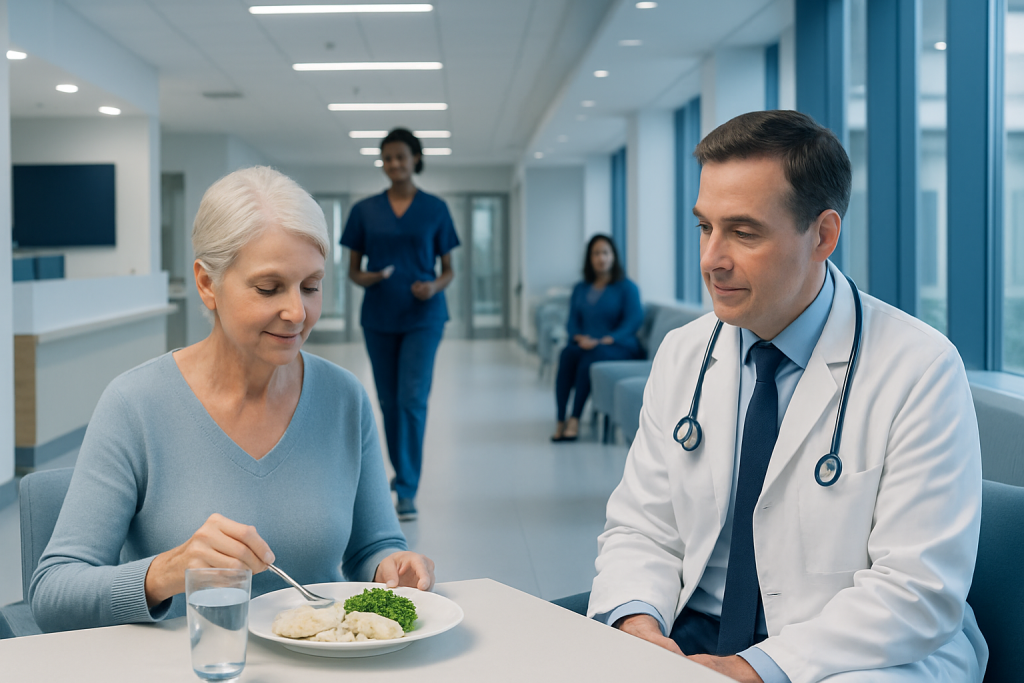
Start with water, clear fluids and light foods after sedation has worn off and nausea is absent. Soft, low-fibre foods may be more comfortable for the first day after removal of a larger polyp.
Key Takeaways
- Start with water, clear fluids and light foods after sedation has worn off and nausea is absent.
- Soft, low-fibre foods may be more comfortable for the first day after removal of a larger polyp.
- Most small polyp removals do not require a long-term special diet or prolonged fasting.
- Avoid alcohol, heavy meals and foods that worsen bloating or diarrhoea during the first 24 hours.
- Severe or worsening abdominal pain, fever, persistent vomiting, heavy rectal bleeding or faintness needs urgent medical assessment.
After a colonoscopy with polyp removal, most people can begin with clear fluids and easy-to-digest foods once they are fully awake and able to drink safely. A gradual return to usual meals is generally appropriate within a day, unless the clinician gives specific dietary instructions because of a large or complex polyp removal.
Overview: Eating After Colonoscopy With Polyp Removal
Knowing what to eat after colonoscopy with polyp removal can make the first day of recovery more comfortable. Once the effects of sedation have sufficiently worn off, patients can usually start with small amounts of water or other clear fluids, followed by light, easy-to-digest foods if they feel well.
A colonoscopy is an examination of the large bowel using a flexible camera. If the doctor identifies a polyp, it can often be removed during the same procedure; this is called a polypectomy. Colon polyps are common growths in the lining of the bowel, and removing them can prevent some types from developing into bowel cancer over time.
Diet advice may differ according to the size, number and location of the polyps, the method used to remove them, and a person’s general health. The endoscopy team’s discharge instructions should always take priority, particularly after removal of a large, flat or complex polyp.
How Colonoscopy and Polyp Removal Work
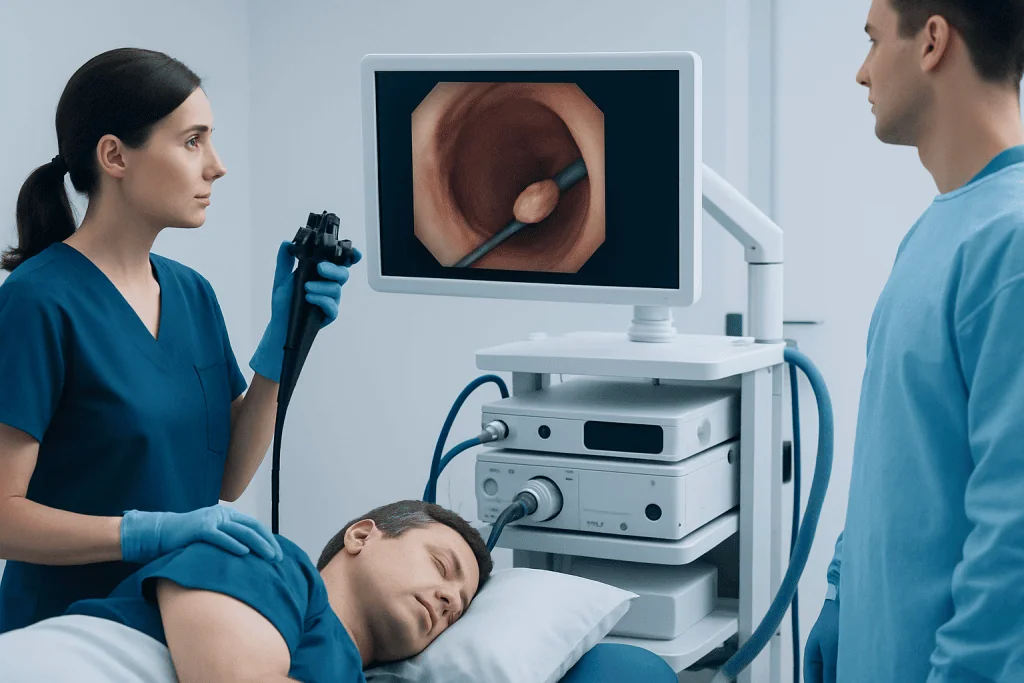
Before colonoscopy, the bowel is emptied with a prescribed preparation so that the doctor can clearly inspect the bowel lining. During the procedure, a colonoscope is passed gently through the rectum and colon. Sedation is commonly used to improve comfort, although the exact approach varies between patients and centres.
Small polyps may be removed with forceps or a wire loop called a snare. Larger polyps can require specialised techniques, sometimes involving injection beneath the lesion, electrosurgical energy or advanced endoscopic resection. Removed tissue is usually sent to a laboratory for microscopic examination.
Colonoscopy with polyp removal is recommended when polyps are seen during screening, when symptoms or test findings require investigation, or when a person needs surveillance after previous polyps. The pathology report and the completeness of removal help determine when the next colonoscopy may be needed.
For patients who need assessment or removal of bowel polyps, colonoscopy and polyp removal services can support diagnosis, treatment and follow-up planning.
What Should I Eat After Having a Polyp Removed From My Colon?
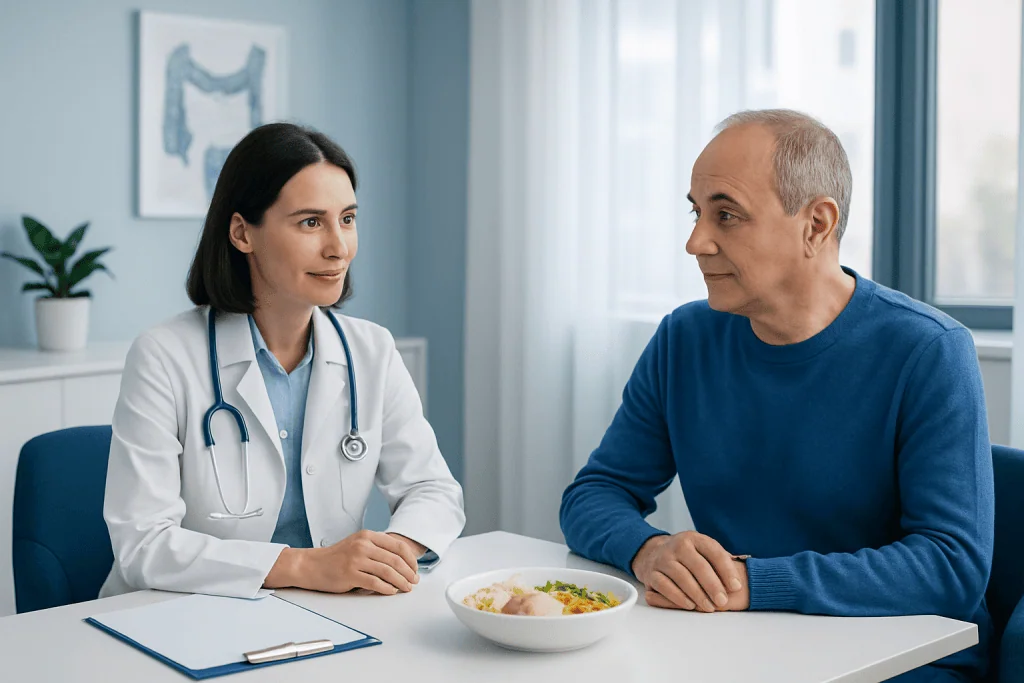
After having a polyp removed from the colon, a sensible first choice is clear fluids in small, frequent amounts. Water, oral rehydration drinks, clear soup, weak tea, diluted juice and ice pops may be suitable if they are well tolerated. This is especially helpful because bowel preparation can leave people mildly dehydrated.
When fluids stay down without nausea, many people can progress to light foods such as toast, crackers, plain rice, pasta, mashed potatoes, bananas, applesauce, yoghurt if tolerated, eggs, soup, cooked vegetables or lean protein. Smaller meals may be more comfortable than one large meal while the bowel settles after preparation and the procedure.
For the first 24 hours, it is often helpful to limit greasy, fried or very spicy foods, large high-fibre meals, and foods known to cause gas, such as beans, cabbage and carbonated drinks. These foods do not necessarily harm the removal site, but they can increase cramping, bloating or loose stools when the bowel is still sensitive.
- Good first options: water, broth, toast, rice, bananas, eggs and simple soup.
- Return gradually: to fruits, vegetables, whole grains and normal portions as comfort returns.
- Individualise advice: follow any special instructions after removal of a large polyp or endoscopic resection.
How Long After Polyp Removal Can You Eat?
Most patients can drink fluids soon after the procedure once they are alert, able to swallow safely and not significantly nauseated. Light food is often possible later the same day. However, people should wait until the care team confirms that it is appropriate, particularly if they have received sedation or underwent a more extensive polyp removal.
After sedation, coordination and judgement can remain reduced for the rest of the day. Patients should have a responsible adult accompany them home when instructed, avoid alcohol and driving, and choose foods that are uncomplicated and easy to tolerate. A regular diet can commonly be resumed the following day if there is no pain, vomiting, significant bleeding or other concern.
Occasionally, the doctor may recommend a temporary soft or low-residue diet. This is more likely after removal of a large lesion, treatment involving cautery, or an advanced procedure. The purpose is to reduce discomfort and allow the treated area to settle, not because ordinary foods permanently affect healing.
Why No Dairy After Colonoscopy?
Dairy is not universally forbidden after colonoscopy. Some centres suggest limiting milk, cream, ice cream or rich dairy products for the first day because they may worsen nausea, bloating, cramps or diarrhoea in people whose digestive system is still recovering from bowel preparation and sedation.
People with lactose intolerance may be particularly likely to feel uncomfortable after dairy. In contrast, small amounts of yoghurt or other dairy products may be tolerated by many people, especially when they are already part of the person’s usual diet. The best approach is to follow the discharge instructions and reintroduce foods gradually.
If dairy causes diarrhoea, gas or abdominal discomfort, it can be avoided temporarily while hydration is maintained with water, broth or non-dairy alternatives. Persistent diarrhoea, inability to keep fluids down or worsening abdominal symptoms should be discussed with a healthcare professional.
Recovery Timeline, Results and Follow-Up
During the first several hours, tiredness, mild nausea, bloating and passing gas are common after colonoscopy. Air or carbon dioxide used to expand the bowel during the examination can cause temporary fullness or cramps. These symptoms generally improve as gas passes and normal eating and drinking resume.
Minor spotting of blood after a small polyp is removed can occur, but it should not be heavy or persistent. The laboratory report may take several days or longer, depending on local processes. It identifies the type of polyp and whether it was fully removed, helping the clinician recommend an appropriate surveillance interval.
How long does it take for the colon to heal after polyp removal? Small removal sites commonly heal within days, while larger or deeper resection areas may take several weeks to heal fully. People can often return to ordinary daily activities quickly, but the doctor may advise avoiding strenuous exercise, heavy lifting or certain medicines for a short period after a complex removal.
Follow-up matters because future screening depends on pathology findings, polyp size and number, family history and bowel preparation quality. A result showing a polyp does not automatically mean cancer; many colon polyps are benign. If cancer is identified or suspected, further assessment is arranged promptly and may involve colorectal cancer evaluation and care.
Benefits, Risks and When to Seek Medical Care
The main benefit of removing polyps is prevention: some polyps can gradually develop into cancer if they remain untreated. Colonoscopy also allows the doctor to inspect the bowel directly, collect samples when needed and address many polyps without open surgery.
Complications are uncommon, but no procedure is risk-free. Possible problems include bleeding from the removal site, a tear in the bowel wall, infection, reaction to sedation, and missed or incompletely removed lesions. Delayed bleeding can occasionally occur several days after a polyp removal, particularly after removal of a larger polyp.
When to seek medical care: patients should seek urgent medical advice for heavy rectal bleeding or blood clots, worsening or severe abdominal pain, a firm or swollen abdomen, fever, repeated vomiting, shortness of breath, fainting, weakness or black stools. Mild gas discomfort and a small amount of blood on tissue may be expected, but symptoms that are severe, persistent or worsening should not be managed at home.
Acibadem International’s multidisciplinary specialists and JCI-accredited hospitals diagnose and treat digestive conditions for international patients, including assessment and follow-up after colonoscopy with polyp removal.
Frequently asked questions
What is the best breakfast after a colonoscopy with polyp removal?
A light breakfast is often best, such as toast, eggs, oatmeal, bananas, yoghurt if tolerated, or a simple soup. Small portions and adequate fluids can be more comfortable than a rich or large meal. The discharge instructions should be followed if the doctor recommended a specific diet.
Can I eat normally after a colonoscopy with polyp removal?
Many people can return to their usual diet within 24 hours, provided they feel well and have no special instructions. Starting with fluids and simple foods may reduce nausea, bloating and cramping. A larger or more complex polyp removal may require a temporary modified diet.
How long does it take for the colon to heal after polyp removal?
Small polyp removal sites often heal over several days, while larger resection areas can take weeks to heal completely. Recovery time also depends on the removal technique and a person's overall health. The treating clinician can explain any activity or food restrictions based on the specific procedure.
How long after polyp removal can you eat?
Fluids are commonly allowed once sedation has worn off enough for safe swallowing and nausea is controlled. Light foods are often possible later that day, with a normal diet resumed gradually. Patients should wait for instructions from their endoscopy team if a complex polyp was removed.
Why no dairy after colonoscopy?
Dairy is not restricted for everyone, but rich dairy foods can worsen bloating, nausea or diarrhoea after bowel preparation. People with lactose intolerance may be more sensitive. If dairy feels comfortable and the doctor has not advised against it, modest amounts are usually reasonable.
What foods should be avoided after colon polyp removal?
For the first day, many people prefer to avoid alcohol, very fatty meals, spicy foods, carbonated drinks and foods that cause gas. These items can make temporary bloating or diarrhoea more uncomfortable. There is usually no need for long-term dietary restriction unless the clinician recommends it.
Is bleeding after colon polyp removal normal?
A small amount of spotting can happen, especially shortly after the procedure. Heavy bleeding, clots, black stools, dizziness or bleeding that continues or increases requires urgent medical assessment. Delayed bleeding can occur after polyp removal, so patients should review their discharge instructions carefully.
References
- American Society for Gastrointestinal Endoscopy
- American College of Gastroenterology
- National Institute of Diabetes and Digestive and Kidney Diseases
- National Health Service
- World Health Organization
This article is for general information only and is not a substitute for professional medical advice. Please consult a qualified doctor about your individual situation.
Persistent digestive symptoms? Get evaluated in Turkey
JCI-accredited · board-certified surgeons · reply within 24h
Add us as a Preferred Source to see more of our trusted health content across Google Search, AI Overviews and Discover.