What’s Chemotherapy: How It Works, Results and What to Expect

Chemotherapy medicines target rapidly dividing cells, including cancer cells, but can also affect some healthy tissues. It may be used alone or with surgery, radiation therapy, immunotherapy, targeted therapy, or hormone treatment.
Key Takeaways
- Chemotherapy medicines target rapidly dividing cells, including cancer cells, but can also affect some healthy tissues.
- It may be used alone or with surgery, radiation therapy, immunotherapy, targeted therapy, or hormone treatment.
- Treatment schedules vary widely; a cycle includes treatment days and a recovery period.
- Response is assessed with symptoms, examinations, blood tests, imaging, and sometimes tumor markers.
- Side effects are manageable for many people, and the oncology team can provide medicines and practical support.
- Urgent medical advice is important for fever, breathing difficulty, uncontrolled vomiting, or signs of infection during treatment.
Chemotherapy is a cancer treatment that uses medicines to destroy cancer cells or slow their growth. It is usually delivered in planned cycles, with treatment and supportive care tailored to the cancer type, its stage, and the person’s overall health.
What’s chemotherapy?
Chemotherapy is treatment with anti-cancer medicines that kill cancer cells, damage their ability to divide, or stop them from growing. It can be given to cure some cancers, reduce the chance that cancer returns after another treatment, shrink a tumor before treatment, or control cancer and relieve symptoms when a cure is not possible.
Unlike surgery, which treats a defined area, chemotherapy medicines circulate through the bloodstream or work throughout the body. This makes them useful when cancer cells may have spread beyond the original tumor. The exact medicines, route, dose, schedule, and length of treatment are individualized by an oncology team.
Chemotherapy is one part of modern cancer care. Depending on the diagnosis, it may be combined with surgery, radiotherapy, targeted medicines, immunotherapy, hormone therapy, stem cell transplantation, or supportive and palliative care.
How chemotherapy works and who may benefit
Cancer cells often grow and divide more quickly than most healthy cells. Many chemotherapy medicines interfere with cell division, damage cancer-cell DNA, or block processes the cells need to survive. Different medicines work in different ways, so combinations may be used to improve effectiveness or reduce the risk of resistance.
Because some healthy cells also divide rapidly, chemotherapy can affect the bone marrow, hair follicles, and lining of the mouth and digestive tract. This explains why low blood counts, hair loss, mouth soreness, nausea, and bowel changes can occur. These effects vary greatly by medicine and are often temporary.
Suitability depends on the cancer’s type, stage, biology, location, previous treatments, and treatment goal. Doctors also consider kidney, liver, heart, and bone marrow function; other health conditions; current medicines; fertility plans; and the person’s preferences. Some cancers are highly sensitive to chemotherapy, while others may benefit more from other systemic treatments.
Before recommending treatment, the oncology team discusses the expected benefit, possible alternatives, likely side effects, and practical considerations. Shared decision-making helps ensure that the plan reflects both medical evidence and what matters to the individual.
What happens during chemotherapy treatment?
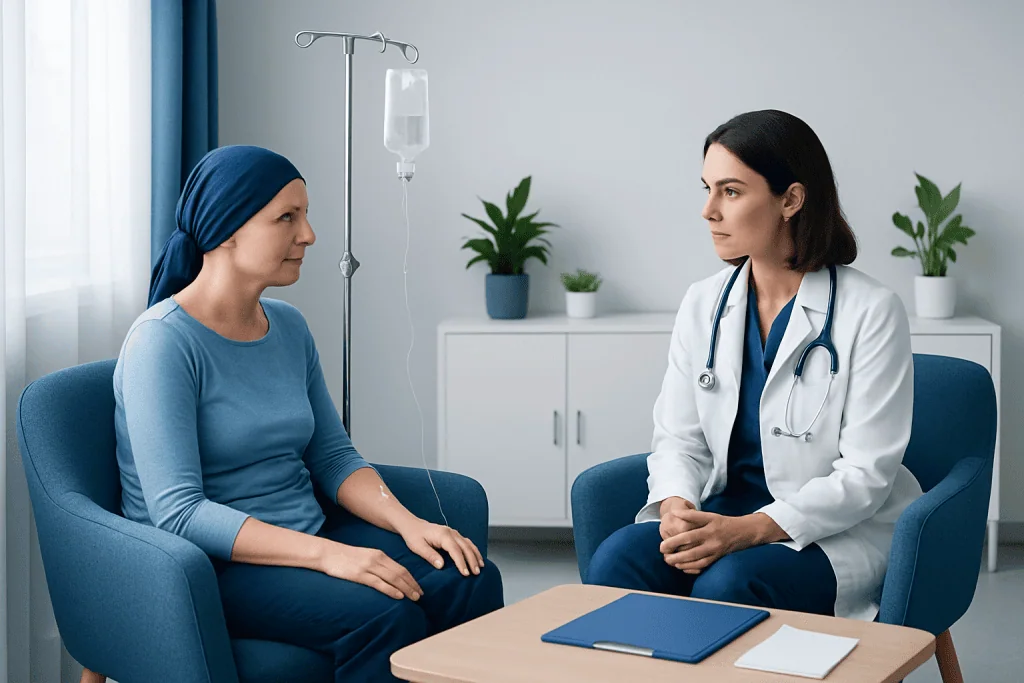
Before treatment begins, people commonly have a medical assessment, blood tests, and sometimes heart or kidney testing. The team confirms the diagnosis and treatment plan, reviews medicines and allergies, discusses fertility preservation when relevant, and explains how to contact the clinic between appointments.
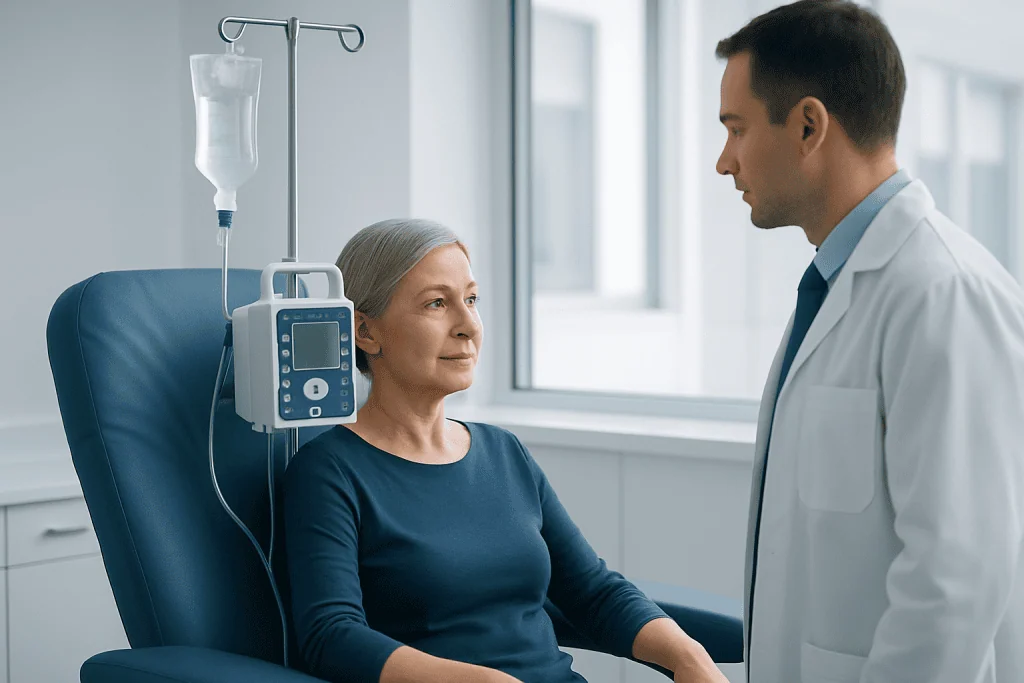
Chemotherapy may be given intravenously through a small cannula, a central line, or an implanted port. Some medicines are tablets or capsules taken at home. Less commonly, medicines are delivered into a body cavity, into the spinal fluid, or directly to a specific organ. The method depends on the medicine and cancer being treated.
On treatment day, staff check symptoms and may review blood results before giving medicines. Infusions can take minutes or several hours. Medicines to prevent nausea, allergic reactions, or other effects may be given before or after chemotherapy. Nurses monitor for reactions during the infusion and explain what symptoms should be reported.
Treatment is organized into cycles. A cycle includes one or more treatment days followed by time for the body to recover. Blood counts and organ function are checked regularly, and a dose may be delayed or adjusted if it is not safe to proceed. These changes are a standard part of safe, individualized care.
People seeking coordinated systemic cancer care can discuss chemotherapy treatment with an oncology team, including the treatment route, schedule, monitoring plan, and supportive care needs.
How long do 4 rounds of chemo take?
Four rounds of chemotherapy can take several weeks to several months because “round” usually means a treatment cycle rather than one day of treatment. Many cycles are repeated every two, three, or four weeks, although some regimens are given weekly, every two weeks, or on multiple days within each cycle.
For example, four cycles given every three weeks would generally span about 12 weeks from the first treatment to the start of the fifth scheduled cycle, not including any delays. Four cycles given every two weeks may take about eight weeks. The infusion itself may last from a short visit to most of a day, depending on the medicines.
Delays can be needed when blood counts are low, side effects need treatment, or an illness occurs. A delay does not automatically mean chemotherapy is failing; it is often a safety measure. The treating team can provide the most accurate timeline because the regimen and recovery pattern differ from person to person.
Benefits, risks, and what recovery can feel like
The potential benefit of chemotherapy depends on its purpose. In curative treatment, it may eliminate cancer cells or reduce the likelihood of recurrence. Before surgery or radiation, it may shrink a tumor. In advanced cancer, it may slow growth, reduce symptoms, and help maintain quality of life. Doctors regularly review whether the expected benefit continues to outweigh the burdens of treatment.
Common side effects can include fatigue, nausea or vomiting, appetite changes, altered taste, mouth sores, diarrhea or constipation, hair thinning or hair loss, skin or nail changes, and numbness or tingling in the hands and feet. Some medicines have more specific risks, such as effects on the heart, lungs, kidneys, hearing, nerves, or fertility. The team explains risks related to the prescribed regimen.
Recovery after each dose is not the same for everyone. Some people feel tired for a day or two, while others need longer. Blood counts often reach their lowest point days after chemotherapy and then recover before the next cycle. Rest, gentle activity when able, adequate fluids, food that is tolerable, and early management of symptoms can support recovery.
It is important not to assume that difficult symptoms must simply be endured. Anti-sickness medicines, pain relief, nutrition support, transfusions, growth-factor medicines, and other supportive treatments may be appropriate. People should tell their oncology team about new or worsening symptoms promptly.
What are good signs that chemo is working?
The most reliable signs that chemotherapy is working come from planned medical assessment, not from side effects alone. Depending on the cancer, the team may use physical examinations, blood tests, tumor markers, scans, or pathology results after surgery to see whether a tumor has shrunk, stopped growing, or become less active.
Improvement in cancer-related symptoms can also be encouraging. For example, a person may have less pain, easier breathing, improved appetite, fewer symptoms caused by pressure from a tumor, or better energy as the cancer responds. However, symptoms can change for many reasons, including treatment side effects, so they should be interpreted by the clinical team.
Hair loss, nausea, fatigue, or low blood counts do not prove that chemotherapy is working. Likewise, having few side effects does not mean treatment is ineffective. Response assessment is usually scheduled after a certain number of cycles, and the timing varies according to the treatment plan.
What are the hardest days after chemo?
For many regimens, the first few days after chemotherapy can be difficult because nausea, tiredness, sleep disruption, bowel changes, or steroid-related effects may occur. Other people find that symptoms build later in the cycle, especially when fatigue increases or blood counts fall. The pattern depends on the medicines used and the individual response.
White blood cell counts may be at their lowest roughly one to two weeks after some chemotherapy treatments, which can increase infection risk. This period is not identical for every regimen, and blood tests help the oncology team identify when extra precautions or treatment changes are needed.
Keeping a symptom diary can help identify personal patterns across cycles. Recording temperature, energy, food and fluid intake, bowel changes, pain, numbness, and medicines taken can make it easier for the team to adjust supportive care. Patients should follow the clinic’s specific instructions about fever and infection prevention.
Is cancer curable with chemo?
Yes, chemotherapy can cure some cancers, either by itself or as part of combined treatment. Examples include certain blood cancers, lymphomas, testicular cancers, and some childhood cancers, although outcomes always depend on the specific diagnosis and individual circumstances.
For other cancers, chemotherapy may reduce the risk of recurrence after surgery, make local treatment more effective, or control cancer for a period of time. In metastatic or advanced cancer, the aim may be to slow progression and manage symptoms rather than cure the disease. These goals are still meaningful and should be discussed openly with the oncology team.
Doctors use pathology findings, staging, molecular tests, imaging, and the person’s overall health to explain whether treatment is intended to cure, reduce recurrence risk, or control disease. Asking about the goal of each medicine and how response will be measured can help patients make informed decisions.
When to seek medical care
People receiving chemotherapy should contact their oncology team urgently if they develop a fever or chills, feel suddenly unwell, have trouble breathing, chest pain, confusion, severe weakness, uncontrolled vomiting or diarrhea, signs of dehydration, unusual bleeding, or severe pain. Infection can become serious more quickly during chemotherapy, especially when white blood cell levels are low.
They should also contact the team for redness, swelling, pain, or discharge around a line or port; a new widespread rash; painful mouth sores that limit drinking; worsening numbness or weakness; or symptoms that are interfering with daily life. The oncology service should provide a 24-hour contact number and clear instructions for urgent situations.
Routine follow-up visits are also essential even when someone feels well. At Acibadem International, multidisciplinary specialists in JCI-accredited hospitals support international patients through cancer diagnosis, systemic treatment planning, symptom management, and follow-up care.
Frequently asked questions
Is chemotherapy painful?
The chemotherapy medicines themselves are usually not painful, although placing an intravenous line or accessing a port can cause brief discomfort. Some medicines may cause irritation if they leak outside a vein, so patients should tell the nurse immediately about burning, pain, or swelling during an infusion.
Can a person work during chemotherapy?
Some people can continue working full-time or with adjustments, while others need time away because of fatigue, appointments, side effects, or infection risk. The best approach depends on the regimen, type of work, overall health, and how the person feels during each cycle.
Does everyone lose their hair with chemotherapy?
No. Hair loss depends on the specific chemotherapy medicines, doses, and treatment schedule. Some regimens cause complete hair loss, some cause thinning, and others usually do not affect hair; the oncology team can explain what is expected.
Can chemotherapy be given at home?
Certain chemotherapy medicines are taken by mouth at home, while many intravenous treatments are given in a clinic or hospital for safe monitoring. Home treatment still requires careful instructions about timing, storage, handling, missed doses, side effects, and blood-test appointments.
What should someone eat during chemotherapy?
There is no single chemotherapy diet. In general, patients are encouraged to drink enough fluids and choose nourishing foods they can tolerate, with support from a dietitian if appetite loss, nausea, weight change, swallowing problems, or bowel symptoms occur.
Can chemotherapy side effects be prevented?
Not all side effects can be prevented, but many can be reduced or treated. The oncology team may prescribe medicines for nausea, use treatments to support blood counts when appropriate, and offer advice for mouth care, skin care, nutrition, fatigue, and infection prevention.
References
- National Cancer Institute
- American Cancer Society
- American Society of Clinical Oncology
- NHS
- World Health Organization
This article is for general information only and is not a substitute for professional medical advice. Please consult a qualified doctor about your individual situation.
Chemotherapy in Turkey — costs, top hospitals & a free quote
JCI-accredited · board-certified surgeons · reply within 24h
Add us as a Preferred Source to see more of our trusted health content across Google Search, AI Overviews and Discover.

Medical Oncology Department
Medical treatment of cancer with chemotherapy, immunotherapy and targeted therapies under a multidisciplinary tumor board.
60 specialists in this unit