When Depression Comes Back: Early Relapse Signs and Recovery Steps
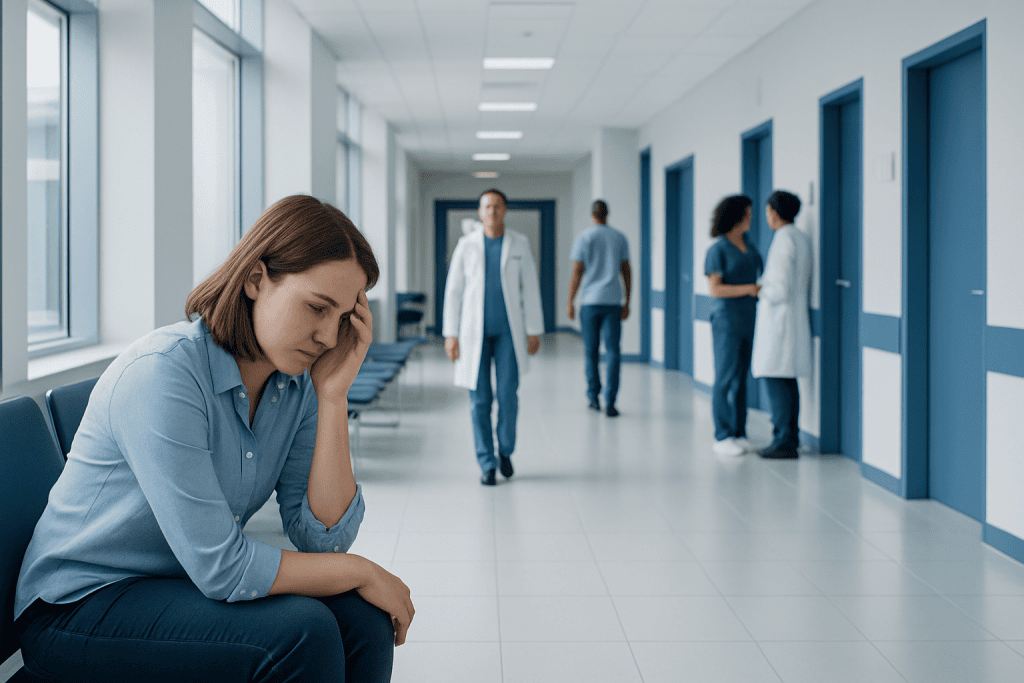
Depression relapse is the return of symptoms after a person has previously improved. Common early signs include changes in sleep, mood, energy, concentration, and daily routines.
Key Takeaways
- Depression relapse is the return of symptoms after a person has previously improved.
- Common early signs include changes in sleep, mood, energy, concentration, and daily routines.
- Prompt support from a doctor or mental health professional can reduce the impact of a relapse.
- Treatment may include therapy, medication review, lifestyle support, or a combination of approaches.
- A personalized relapse prevention plan can help a person recognize triggers and respond early.
Depression can sometimes return after a period of improvement, but early recognition often makes it easier to manage. Understanding warning signs, triggers, and recovery steps can help a person seek timely care and protect long-term mental health.
Overview: What Depression Relapse Means
Depression relapse refers to the return of depressive symptoms after a person has experienced improvement. This can happen during recovery, even when treatment has helped in the past. A relapse does not mean the person has failed, nor does it mean recovery is impossible. Depression is a medical condition, and like many health conditions, it can have periods of improvement and recurrence.
Symptoms may return gradually or more noticeably. Some people first notice subtle changes, such as reduced motivation, irritability, or difficulty sleeping. Others may find that sadness, hopelessness, or loss of interest in daily life becomes more persistent over time. Recognizing these early patterns can be an important step toward getting help before symptoms become more severe.
It is also helpful to distinguish relapse from occasional low mood. Everyone can have difficult days, especially during stress or major life changes. Relapse usually involves symptoms that last longer, interfere with functioning, and resemble a person’s previous depressive episode. When symptoms begin to affect work, relationships, sleep, self-care, or concentration, professional evaluation is important.
Early Signs That Depression May Be Returning
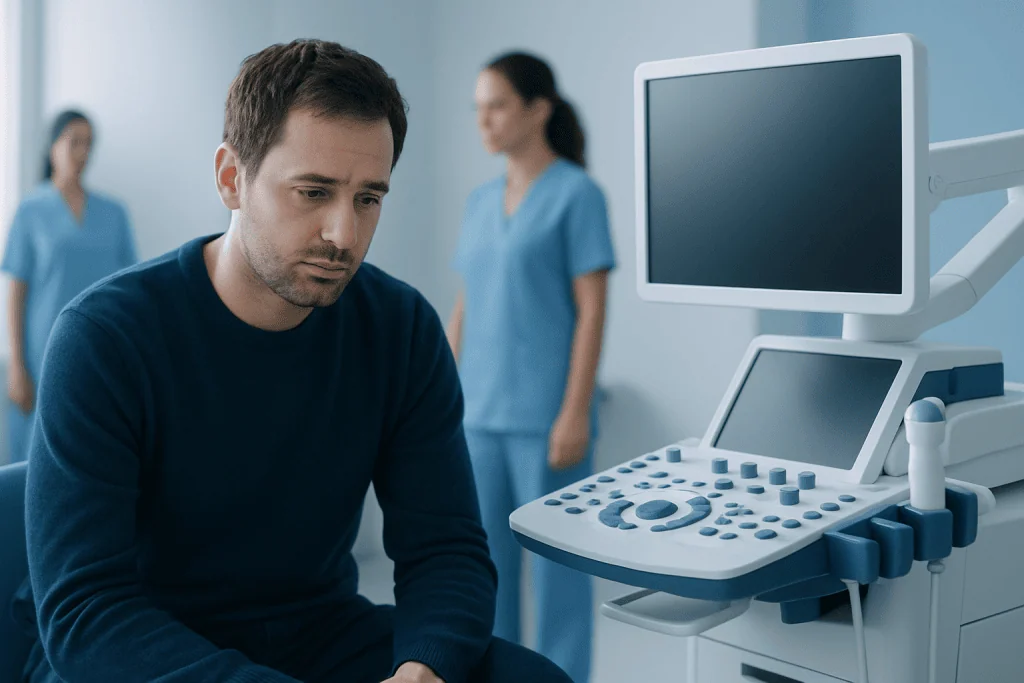
Early signs of depression relapse are not always dramatic. In many cases, they begin with everyday changes that seem easy to dismiss. A person may become more withdrawn, lose interest in activities they usually enjoy, or find it harder to complete simple tasks. They may also stop following routines that previously supported their mental health, such as regular meals, exercise, therapy appointments, or sleep habits.
Emotional changes are also common. These may include ongoing sadness, numbness, guilt, irritability, anxiety, or feeling overwhelmed by small problems. Some people notice that they are becoming more self-critical or pessimistic. Others describe a sense that life feels heavier again, even before they can clearly explain why.
Physical and cognitive changes can appear early as well. Sleep may become disturbed, with insomnia or oversleeping. Appetite may decrease or increase. Energy often drops, and concentration may become more difficult, making work, study, or decision-making feel exhausting.
- Loss of interest or pleasure in usual activities
- Changes in sleep or appetite
- Low energy or persistent fatigue
- Difficulty concentrating or making decisions
- Withdrawing from family, friends, or responsibilities
- Feeling hopeless, guilty, or unusually irritable
If these signs continue for more than a short period or begin to intensify, it is wise to contact a healthcare professional. Early support can often prevent symptoms from becoming more disruptive.
Common Causes and Risk Factors
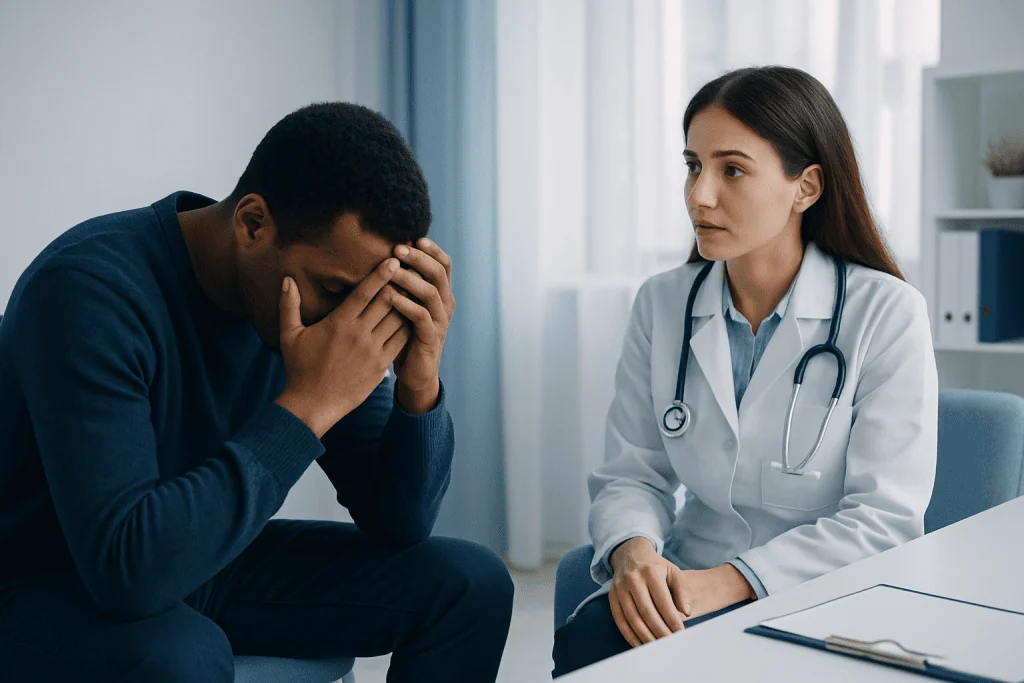
Depression relapse can happen for many reasons, and often there is more than one contributing factor. Stressful life events are common triggers. These may include grief, relationship difficulties, financial strain, illness, caregiving burden, academic pressure, or major changes at home or work. Even positive changes, such as relocation or a new job, can be stressful enough to affect emotional balance.
Biological and treatment-related factors can also play a role. Some people have a higher risk of recurrence because of family history, earlier age of onset, severe previous episodes, coexisting anxiety, trauma history, or other mental health conditions. Stopping treatment too early or missing medication doses may increase the chance that symptoms return. This is one reason doctors often emphasize follow-up care after a person starts feeling better.
Lifestyle changes can matter as well. Ongoing poor sleep, alcohol or substance use, social isolation, chronic pain, and medical conditions such as thyroid problems can affect mood stability. When symptoms of depression overlap with other health issues, a full medical review may be helpful. In some cases, doctors may also assess for related conditions such as depression or anxiety disorders that may influence recovery and ongoing treatment needs.
How Depression Relapse Is Diagnosed
Diagnosis begins with a careful conversation about symptoms, their timing, and how they affect daily life. A doctor, psychiatrist, or psychologist may ask whether current symptoms resemble previous episodes of depression and whether there have been changes in sleep, appetite, energy, motivation, or thoughts. They may also review stressors, medications, therapy progress, and any history of relapse.
There is no single laboratory test that confirms depression relapse. Instead, diagnosis is based on clinical assessment. Standardized questionnaires may be used to help measure symptom severity and monitor change over time. These tools can support discussions, but they do not replace a full evaluation by a qualified professional.
A medical assessment may also be needed to rule out other causes of low mood or fatigue. Conditions such as anemia, thyroid disorders, sleep problems, chronic pain, medication side effects, or substance use can sometimes mimic or worsen depression symptoms. If a person has any thoughts of self-harm or suicide, urgent professional help is essential.
Treatment and Recovery Steps
The most important recovery step is to seek help early. When symptoms are addressed at the first signs of relapse, treatment may be more effective and daily functioning may be easier to restore. Care is individualized and depends on symptom severity, previous treatments, current stressors, and the person’s overall health.
Many people benefit from psychotherapy, medication review, or a combination of both. A mental health professional may help identify negative thought patterns, early warning signs, and coping strategies. If medication has been helpful in the past, a doctor may review whether it should be continued, adjusted, or restarted. Helpful treatment pathways may include psychiatric evaluation and follow-up and structured psychological support and therapy as part of a broader recovery plan.
Day-to-day support also matters. Re-establishing a regular sleep schedule, eating consistently, reducing alcohol or substance use, staying physically active, and reconnecting with trusted people can all support recovery. Small, realistic goals are often more helpful than expecting a quick return to normal. In more severe cases, more intensive mental health care may be needed to improve safety and stabilize symptoms.
Near the recovery stage, some people also benefit from a coordinated plan that includes family education, routine follow-up, and monitoring for recurrence. For international patients who need comprehensive assessment and care, Acibadem International’s multidisciplinary specialists in JCI-accredited hospitals diagnose and treat mental health conditions with individualized follow-up support.
Prevention and Self-Care After Improvement
Relapse prevention is an important part of depression aftercare. Once a person begins to feel better, it can be tempting to assume the condition is fully resolved. However, maintaining treatment and healthy routines during recovery often helps protect mood stability. Following the treatment plan agreed with a doctor or therapist is one of the most reliable ways to reduce the risk of symptoms returning.
A written prevention plan can be especially useful. This may include a list of early warning signs, personal triggers, coping tools, emergency contacts, and the steps to take if symptoms reappear. For example, a person might decide in advance to schedule a therapy appointment, tell a family member, or contact their doctor if sleep worsens for several days or motivation drops sharply.
- Keep regular follow-up appointments
- Take medication exactly as prescribed unless a doctor advises changes
- Protect sleep and daily routines
- Stay connected with supportive people
- Manage stress with realistic coping methods
- Limit alcohol and avoid recreational drugs
Self-care is not a replacement for medical treatment, but it can strengthen recovery. Gentle structure, meaningful activities, and steady support often help a person notice changes earlier and respond with less fear.
When to See a Doctor
A doctor or mental health professional should be contacted when symptoms of depression begin to return and last beyond a brief period, especially if they start to affect work, school, relationships, or self-care. Early consultation is helpful even if symptoms seem mild, because relapse often develops gradually. Prompt treatment can reduce the chance of deeper or longer-lasting symptoms.
Urgent help is needed if a person has thoughts of self-harm, suicide, or feels unable to stay safe. Sudden severe hopelessness, intense agitation, inability to function, or major changes in behavior also need immediate professional attention. Loved ones should take these signs seriously and seek emergency support if there is any immediate risk.
It is also wise to seek review if medication side effects, substance use, major sleep problems, or new medical symptoms are present. Depression can interact with physical health, and a full assessment may be important. Asking for help early is a sign of self-awareness and care, not weakness.
Frequently asked questions
What is the difference between depression relapse and a bad day?
A bad day usually improves with time, rest, or support and does not significantly disrupt daily life. Depression relapse tends to involve a cluster of symptoms that persist, resemble earlier depression, and interfere with work, relationships, sleep, or self-care.
How quickly can depression relapse happen?
It can happen gradually over weeks or more suddenly, depending on the person and the trigger. Often, subtle changes such as poor sleep, low motivation, or social withdrawal appear before the full pattern of symptoms returns.
Can depression come back even if treatment worked before?
Yes. Depression can recur even after a person has responded well to treatment. This does not mean the earlier treatment failed; it means the condition may need renewed or ongoing management, just as other chronic health conditions sometimes do.
Should a person stop antidepressants once they feel better?
A person should not stop antidepressants without medical advice. Stopping medication too soon or too suddenly may increase the risk of symptoms returning and can also cause withdrawal-like effects in some people.
What should someone do at the first signs of relapse?
It is usually best to contact a doctor, psychiatrist, or therapist early and explain what changes have started. Rebuilding routines, reducing stress where possible, and involving a trusted family member or friend can also help while professional support is arranged.
Can lifestyle changes alone prevent depression relapse?
Healthy sleep, physical activity, social support, and stress management can all support recovery and reduce risk. However, lifestyle steps are often most effective when combined with professional care, especially for people with a history of moderate or severe depression.
References
- World Health Organization
- National Institute of Mental Health
- American Psychiatric Association
- National Health Service
- Centers for Disease Control and Prevention
This article is for general information only and is not a substitute for professional medical advice. Please consult a qualified doctor about your individual situation.
Depression in Turkey — costs, top hospitals & a free quote
JCI-accredited · board-certified surgeons · reply within 24h
Add us as a Preferred Source to see more of our trusted health content across Google Search, AI Overviews and Discover.