

When Should You See a Neurosurgeon? Symptoms That Need Specialist Evaluation

A neurosurgeon treats disorders of the brain, spine, and nervous system, and many patients are evaluated without needing surgery. Urgent symptoms include sudden weakness, seizures, severe unexplained headaches, loss of balance, or changes in speech, vision, or consciousness.
Key Takeaways
- A neurosurgeon treats disorders of the brain, spine, and nervous system, and many patients are evaluated without needing surgery.
- Urgent symptoms include sudden weakness, seizures, severe unexplained headaches, loss of balance, or changes in speech, vision, or consciousness.
- Back or neck pain may need neurosurgical review when it is linked to numbness, weakness, radiating pain, walking difficulty, or bowel or bladder changes.
- Diagnosis may involve a neurological exam and imaging such as MRI or CT scans.
- Early specialist evaluation can help identify serious conditions and guide the safest treatment plan.
A neurosurgeon evaluates conditions affecting the brain, spine, and nerves, but not every headache or back pain needs surgical care. Certain warning signs, especially sudden neurological changes, persistent nerve symptoms, or imaging abnormalities, should prompt specialist assessment.
Overview
Many people are unsure when should you see a neurosurgeon, especially because symptoms related to the brain, spine, and nerves can begin gradually or overlap with common conditions. A neurosurgeon is a doctor trained to diagnose and treat problems affecting the nervous system, including the brain, spinal cord, spine, and peripheral nerves. Although the word “surgery” can sound intimidating, a neurosurgical consultation does not always mean an operation is needed.
In many cases, a neurosurgeon helps confirm the diagnosis, explain the cause of symptoms, and recommend the most appropriate care. This may include monitoring, medication, physical therapy, pain management, rehabilitation, or a procedure when necessary. The goal is to understand whether symptoms suggest a condition that may benefit from specialist evaluation.
People are often referred to a neurosurgeon after an abnormal MRI or CT scan, persistent pain with nerve symptoms, repeated headaches with neurological changes, or new weakness, numbness, or balance problems. A specialist assessment can help clarify whether the issue is related to a spinal disc problem, nerve compression, bleeding, a tumor, hydrocephalus, trauma, or another neurological condition.
Symptoms That May Need Neurosurgical Evaluation

Some symptoms deserve prompt attention because they may reflect pressure on the brain, spinal cord, or nerves. Examples include persistent or worsening headaches, especially when paired with vomiting, vision changes, confusion, weakness, or seizures. Sudden changes in speech, coordination, or consciousness also need urgent medical review.
Neck or back pain is very common, and most cases are not neurosurgical emergencies. However, specialist evaluation may be needed if pain travels into the arm or leg, causes numbness or tingling, leads to muscle weakness, or interferes with walking or hand function. These patterns can suggest nerve root or spinal cord compression, sometimes seen with a herniated disc or spinal narrowing.
Other concerning signs include progressive weakness in the arms or legs, repeated falls, new balance problems, loss of fine motor control, facial numbness, severe nerve pain, or changes in bowel or bladder control. Symptoms after a head or spine injury should also be taken seriously, particularly if there is severe pain, drowsiness, memory change, limb weakness, or worsening symptoms over time.
- Severe or unusual headache with neurological symptoms
- Seizures or episodes of lost awareness
- Numbness, tingling, or weakness that is persistent or worsening
- Back or neck pain with radiating arm or leg pain
- Difficulty walking, balancing, or using the hands
- Loss of bladder or bowel control, especially with spine symptoms
Possible Causes and Conditions a Neurosurgeon Assesses
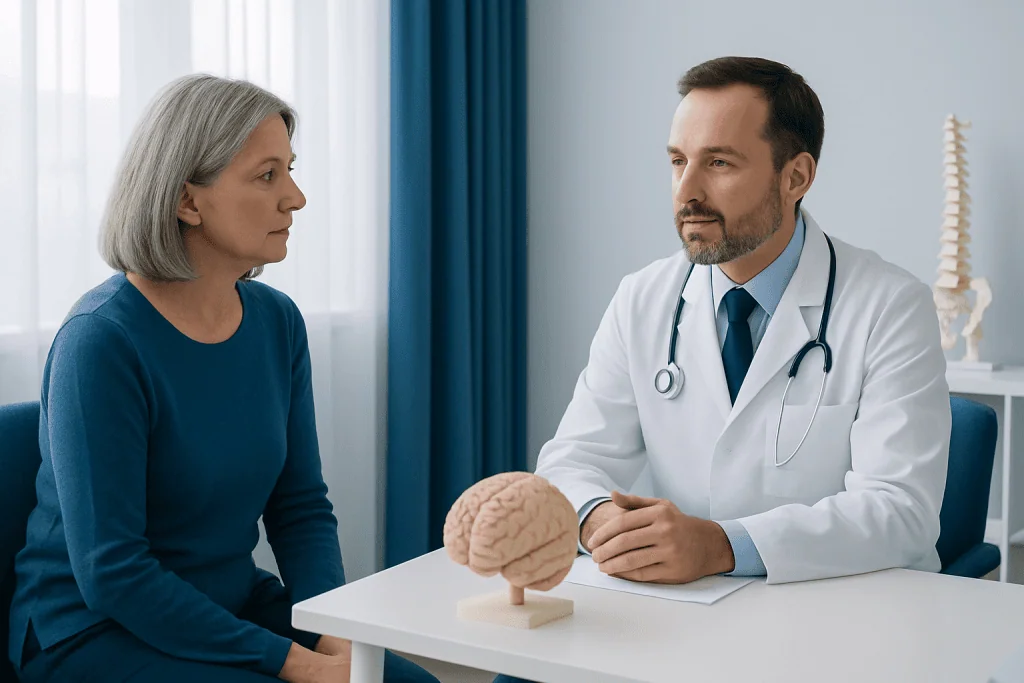
Neurosurgeons evaluate a wide range of conditions, from common spinal problems to complex brain disorders. In the spine, they may assess disc herniation, spinal stenosis, nerve compression, vertebral instability, tumors, infections, congenital abnormalities, and injuries. They also work with patients whose symptoms persist despite conservative treatment.
In the brain, a neurosurgical consultation may be recommended for tumors, bleeding, aneurysms, hydrocephalus, head trauma, certain seizure-related conditions, and structural causes of increased pressure or neurological deficits. Some people are referred after imaging finds an unexpected abnormality that needs expert interpretation and follow-up.
Peripheral nerve conditions can also lead to referral. Examples include nerve entrapment, traumatic nerve injury, or compression syndromes that cause pain, numbness, or weakness. In some situations, a neurosurgeon works closely with neurologists, pain specialists, physiatrists, orthopedic surgeons, oncologists, or rehabilitation teams to build the best treatment plan.
For patients with symptoms related to spinal canal narrowing, specialist evaluation can help distinguish muscular pain from nerve compression seen in spinal stenosis. This is especially important when walking becomes limited, leg symptoms increase, or weakness appears.
How a Neurosurgeon Makes the Diagnosis
A neurosurgical evaluation usually begins with a careful medical history and neurological examination. The doctor asks when symptoms started, whether they are worsening, what makes them better or worse, and whether there are associated changes such as weakness, sensory loss, headaches, balance difficulty, or bladder symptoms. Previous injuries, cancer history, infections, and family history may also be relevant.
The physical examination often includes testing muscle strength, reflexes, sensation, coordination, gait, cranial nerve function, and spine movement. These findings help determine whether the problem may involve the brain, spinal cord, nerve roots, or peripheral nerves. In many patients, this exam provides important clues even before imaging is reviewed.
Imaging and other tests may be used to confirm the diagnosis. Depending on the symptoms, these can include MRI, CT, vascular imaging, X-rays, or electrodiagnostic tests. For some patients, the next step may be a dedicated review of prior scans; for others, the neurosurgeon may suggest additional studies or a consultation with another specialist. If an operation is being considered, the doctor explains the expected benefits, alternatives, and possible risks in a clear and individualized way.
Treatment Options: Surgery Is Only One Part of Care
One of the most important points for patients to know is that seeing a neurosurgeon does not automatically lead to surgery. Many conditions are managed without an operation, especially when symptoms are mild, stable, or likely to improve with conservative treatment. A neurosurgeon may recommend observation, medication, physical therapy, lifestyle changes, pain procedures, or follow-up imaging.
When symptoms are severe, progressive, or caused by a structural problem, surgery may be the safest or most effective option. This can apply when the spinal cord is compressed, when a nerve is severely trapped, when a brain mass is causing pressure, or when instability or trauma threatens neurological function. Depending on the condition, treatment may include microdiscectomy for nerve compression, spinal fusion in selected stability problems, or brain tumor surgery when a mass requires removal or biopsy.
The best treatment depends on the diagnosis, the severity of symptoms, the person’s age and general health, and how symptoms affect daily life. Shared decision-making is important. Patients should feel comfortable asking what happens if they wait, whether non-surgical treatment is reasonable, and what recovery may involve if a procedure is advised.
Prevention, Monitoring, and Self-care
Not all neurological or spine problems can be prevented, but some habits may reduce strain on the back and support early detection of serious symptoms. Good posture, regular physical activity, proper lifting technique, weight management, and stopping smoking can support spine health. Managing chronic conditions such as high blood pressure and diabetes may also reduce the risk of certain neurological complications.
People who already have neck pain, back pain, headaches, or nerve symptoms should pay attention to changes in pattern or severity. A symptom diary can be useful, especially for headaches, episodes of numbness, seizure-like events, or pain that radiates into the limbs. Keeping copies of prior scans and reports can also make specialist consultations more efficient.
Self-care is helpful for mild symptoms, but it should not replace medical assessment when red flags are present. If pain becomes constant, neurological function changes, or symptoms interfere with walking, sleep, work, or self-care, further evaluation is appropriate. The aim is not to cause worry, but to recognize when common symptoms may signal a more significant problem.
When to Seek Urgent Care and Specialist Help
Urgent medical attention is needed for sudden weakness on one side of the body, trouble speaking, a sudden severe headache unlike usual headaches, new seizures, fainting, confusion, loss of consciousness, or sudden vision loss. These symptoms may indicate a medical emergency and should not wait for a routine clinic appointment. Severe head trauma or spine injury also requires immediate assessment.
Prompt evaluation is also important for back or neck symptoms with new bladder or bowel dysfunction, numbness around the groin or inner thighs, rapidly worsening weakness, or inability to walk normally. These can be signs of serious nerve or spinal cord compression that need timely treatment.
For non-emergency but persistent concerns, a referral to a neurosurgeon can help answer important questions and guide next steps. This may be especially useful when symptoms continue despite treatment, when imaging shows an abnormality, or when the diagnosis remains uncertain. Near the end of the care pathway, some patients may choose centers such as Acibadem International, where multidisciplinary specialists in JCI-accredited hospitals diagnose and treat brain, spine, and nerve conditions for international patients.
Frequently asked questions
Does seeing a neurosurgeon mean surgery is necessary?
No. Many people see a neurosurgeon for evaluation only and are treated without an operation. The specialist helps determine whether symptoms are related to the brain, spine, or nerves and whether monitoring, medication, therapy, or a procedure is most appropriate.
What kind of back pain should be checked by a neurosurgeon?
Back pain may need specialist review if it travels into the arm or leg, causes numbness or weakness, affects walking, or is linked to bowel or bladder changes. Pain that continues despite standard treatment or is accompanied by abnormal imaging may also justify evaluation.
Should headaches be evaluated by a neurosurgeon?
Most headaches are not caused by a condition that needs neurosurgery. However, headaches with seizures, weakness, vomiting, confusion, personality change, or abnormal brain imaging should be assessed by a qualified doctor and may need neurosurgical input.
What symptoms after a head injury are concerning?
Warning signs include worsening headache, repeated vomiting, increasing sleepiness, confusion, memory problems, seizures, weakness, trouble speaking, or loss of consciousness. These symptoms require prompt medical care because they can suggest bleeding or pressure inside the skull.
Can nerve symptoms in the arms or legs improve without surgery?
Yes, some nerve-related symptoms improve with rest, medication, physical therapy, or time, depending on the cause. Still, persistent or worsening weakness, severe pain, or loss of function should be assessed by a specialist to avoid missing a more serious problem.
What should a patient bring to a neurosurgical appointment?
It helps to bring recent scans, radiology reports, a list of medications, and notes about when symptoms began and how they have changed. Information about previous treatments, surgeries, injuries, and other medical conditions can also support a more accurate evaluation.
References
- World Health Organization
- National Institute of Neurological Disorders and Stroke
- American Association of Neurological Surgeons
- National Health Service
- Mayo Clinic
This article is for general information only and is not a substitute for professional medical advice. Please consult a qualified doctor about your individual situation.
Joint and spine care in Turkey — expert assessment & treatment
JCI-accredited · board-certified surgeons · reply within 24h
Add us as a Preferred Source to see more of our trusted health content across Google Search, AI Overviews and Discover.

Neurosurgery
Surgical treatment of the brain, spine and nervous system, including minimally invasive and functional procedures.
70 specialists in this unitMore from the Health Library



Related Specialists

Dr. Levent Şener
Neurosurgery
Prof. Dr. Nur Dilek Bakan
Pulmonary Medicine
Dt. İrem Coşar Tüfekçi
Oral & Dental Health
Dt. Berna Atıcı
Oral & Dental Health