When to Get a Second Opinion After Neuropsychological Testing

A second opinion can be useful if test results are unclear, unexpected, or do not fit daily functioning. It may help confirm a diagnosis, identify contributing factors, or suggest further testing.
Key Takeaways
- A second opinion can be useful if test results are unclear, unexpected, or do not fit daily functioning.
- It may help confirm a diagnosis, identify contributing factors, or suggest further testing.
- Bringing the original report, medical records, and symptom history can make the second review more effective.
- A second opinion does not always mean repeating the full test battery; sometimes an expert record review is enough.
- Patients should seek urgent medical care for sudden confusion, new weakness, or other acute neurological symptoms.
A second opinion after neuropsychological testing can be helpful when findings are confusing, incomplete, or inconsistent with a person’s real-life symptoms. It may provide diagnostic clarification, improve treatment planning, and give patients and families greater confidence in the next steps.
Overview
Neuropsychological testing evaluates thinking skills such as memory, attention, language, problem-solving, processing speed, and emotional functioning. These assessments are often used when someone has memory concerns, trouble concentrating, suspected attention or learning differences, changes after a concussion or stroke, or symptoms linked to neurological or psychiatric conditions. The results can help guide diagnosis, treatment, school planning, workplace accommodations, and family support.
Even when testing is carefully performed, a second opinion after neuropsychological testing may sometimes be appropriate. This does not necessarily mean that the first evaluation was incorrect. Rather, it recognizes that brain-related symptoms can be complex, and that test performance may be influenced by many factors such as fatigue, sleep problems, pain, medications, language background, mood symptoms, or the stage of an illness.
A second opinion may involve a detailed review of the original report, a clinical interview, and sometimes additional or repeat testing. The goal is to better understand the person’s cognitive strengths and difficulties, clarify whether the conclusions make sense in context, and support informed decisions about treatment and follow-up care.
When a Second Opinion May Be Helpful
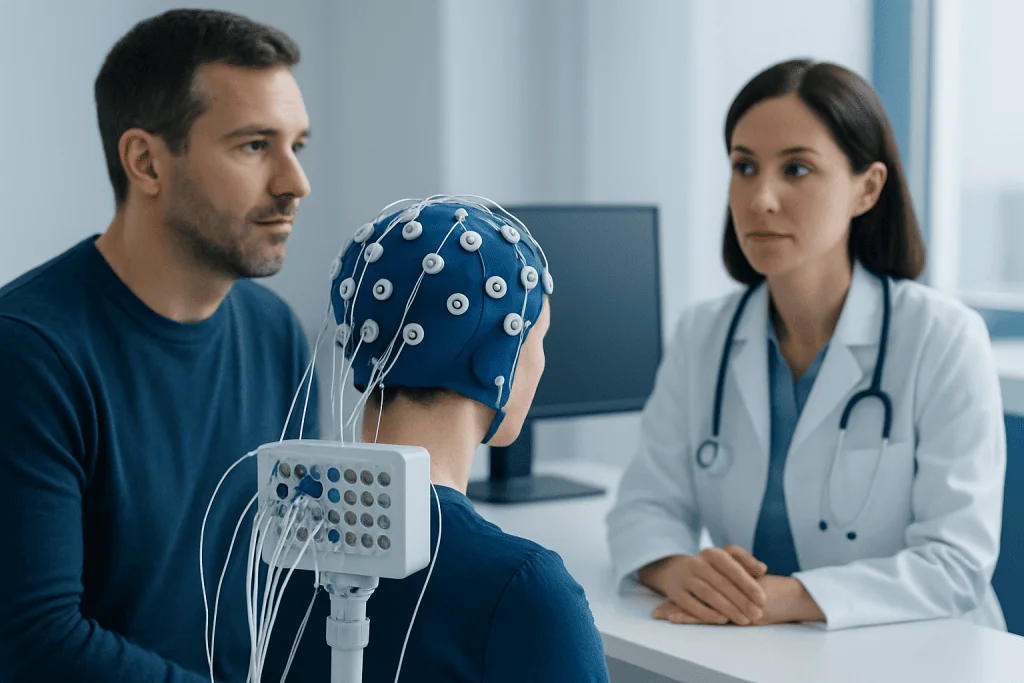
There are several common reasons to consider a second opinion. One is when the report is difficult to understand or the conclusions seem vague. Another is when the diagnosis feels unexpected, especially if it has major implications for work, school, driving, legal matters, or long-term planning. In some cases, a person or family may feel that the findings do not reflect what they observe in daily life.
A second opinion may also be reasonable if symptoms have changed significantly since the original evaluation. Cognitive function can improve, worsen, or fluctuate over time depending on the underlying cause. For example, recovery after concussion, stroke, sleep treatment, medication changes, or mood treatment may alter performance. Similarly, progressive conditions may require reassessment as new symptoms appear.
Other situations include concerns about whether the testing conditions were ideal, whether important background information was missed, or whether the evaluation addressed the right question. For example, an assessment focused mainly on attention may not fully answer concerns about memory loss, language changes, or decision-making capacity. A fresh expert review can help decide whether the original question was answered well or whether more targeted evaluation is needed.
- Results are unclear, incomplete, or hard to interpret
- Findings do not match everyday abilities or reported symptoms
- The diagnosis may affect major life decisions
- Symptoms have changed since the first evaluation
- There are questions about test conditions, cultural or language fit, or missing medical context
Signs the Results May Need Clarification

Neuropsychological test scores are only one part of the full clinical picture. If the report suggests severe impairment but the person is managing complex daily tasks independently, or if the report appears mostly normal despite significant everyday difficulties, a closer look may be useful. Test results can sometimes seem out of step with observed functioning because different skills are being measured, because symptoms fluctuate, or because emotional and physical factors affected performance on the testing day.
Another sign that clarification may help is when there are multiple possible explanations for the symptoms. Problems with memory and concentration can occur in conditions such as depression, anxiety, sleep disorders, medication side effects, thyroid disease, attention-deficit/hyperactivity disorder, concussion, epilepsy, dementia, and other neurological conditions. In these situations, the pattern of results may need to be interpreted alongside imaging, blood tests, neurological examination, and mental health assessment.
Language, education level, culture, hearing or vision problems, and motor limitations can also affect testing. If the person was tested in a non-native language, had untreated hearing loss, was in severe pain, or had significant fatigue, the scores may not fully reflect their usual ability. A second opinion can help determine whether the findings are reliable and whether any adaptations or follow-up assessment are needed.
What a Specialist Reviews
During a second opinion, the reviewing specialist usually looks beyond the summary statement in the report. They may examine the referral question, medical history, medication list, educational background, emotional symptoms, sleep quality, and the exact pattern of scores across tests. This detailed approach helps identify whether the conclusions are well supported and whether alternative explanations should be considered.
The specialist may also compare the test findings with brain imaging, neurological examination results, and reports from family members, teachers, or employers when relevant. In some cases, a second opinion is especially helpful when there may be overlap between neurological and psychological causes of symptoms. For example, a person being evaluated for memory loss may also need assessment for sleep disorders, depression, or stress-related difficulties. If needed, further workup such as brain MRI or a neurological examination may be recommended to place the cognitive findings in context.
Sometimes the second specialist agrees fully with the original interpretation. In other cases, they may refine the diagnosis, suggest different follow-up intervals, or recommend evaluation for related conditions such as Alzheimer’s disease or Parkinson’s disease when symptoms and test patterns raise concern. The value of the second opinion lies in improving clarity and making the care plan more personalized.
How the Second Opinion Process Works
A second opinion does not always require repeating every test. Often, the process begins with collecting records: the original neuropsychological report, referral notes, medical history, medication list, school or work concerns, and any previous brain imaging or laboratory results. The specialist then meets with the patient, and often a family member, to understand current symptoms, daily functioning, and the main questions that still need answers.
In some situations, a record review and interview are enough to provide useful guidance. In others, selected repeat testing may be recommended. Repeat testing is more likely when the first evaluation was incomplete, when there is concern about reliability, when the person’s condition has changed, or when the specific diagnostic question was not adequately addressed. The specialist may use different measures or a more focused battery tailored to the concern.
Patients can usually prepare by writing down examples of cognitive problems, noting when symptoms began, and describing any changes over time. It is also helpful to mention sleep issues, stress, depression, anxiety, pain, head injury, alcohol or substance use, and hearing or vision difficulties. Accurate context allows the second-opinion specialist to interpret scores more meaningfully and avoid over- or underestimating the problem.
Benefits and Limitations of Getting Another Opinion
The main benefit of a second opinion is greater confidence. For many patients and families, simply understanding why a conclusion was reached can reduce uncertainty and make treatment decisions easier. A second review may confirm the first diagnosis, point toward additional evaluation, or identify reversible contributors such as poor sleep, mood symptoms, medication effects, or medical illness.
A second opinion can also improve communication among specialists. Neuropsychological findings often need to be integrated with neurology, psychiatry, rehabilitation, geriatrics, or primary care. When cognitive concerns follow a head injury or stroke, the next steps may include therapies such as cognitive rehabilitation along with medical follow-up. In complex cases, a multidisciplinary approach can be especially useful.
At the same time, patients should know that a second opinion may not always produce a dramatically different answer. Some conditions remain uncertain early in their course, and neuropsychological testing is just one part of diagnosis. Repeat testing too soon may also be less informative because familiarity with the tasks can influence scores. A qualified specialist can advise whether a review, targeted retesting, or waiting for interval follow-up is the best option.
When to Seek Prompt Medical Attention
Most questions about neuropsychological testing can be addressed through routine follow-up, but some symptoms should not wait for a second-opinion appointment. Sudden confusion, new weakness or numbness, facial drooping, trouble speaking, severe headache, seizure, or sudden vision loss may signal an urgent neurological problem and need immediate medical care. Rapidly worsening cognition, marked personality change, or inability to manage basic daily tasks also deserves prompt evaluation.
It is also important to seek timely care if there are concerns about safety, such as falls, getting lost, medication mistakes, driving problems, or thoughts of self-harm. In children and adolescents, urgent review may be needed if there is a sudden academic decline, major behavioral change, or regression in skills. These situations call for direct medical assessment rather than waiting only for test interpretation.
For non-urgent concerns, patients may benefit from seeing a neuropsychologist, neurologist, geriatrician, psychiatrist, or rehabilitation specialist depending on the issue. Near the end of the care pathway, some people choose centers that can coordinate several specialties in one place. Acibadem International’s multidisciplinary specialists and JCI-accredited hospitals evaluate and treat international patients with cognitive and neurological concerns when further clarification is needed.
Frequently asked questions
Is it normal to want a second opinion after neuropsychological testing?
Yes. Many patients and families ask for a second opinion when results are unclear, surprising, or difficult to apply to real life. Seeking clarification is a common and reasonable part of making informed healthcare decisions.
Does a second opinion mean the first neuropsychologist was wrong?
Not necessarily. Neuropsychological interpretation is complex and depends on the referral question, medical context, and testing conditions. A second opinion often adds perspective rather than simply replacing the first conclusion.
Will the full testing need to be repeated?
Sometimes, but not always. In many cases, a specialist can review the original report and medical records and provide guidance without repeating the entire assessment. Repeat testing is more likely if symptoms have changed, the first evaluation was incomplete, or reliability is uncertain.
What should be brought to a second-opinion appointment?
It helps to bring the original neuropsychological report, relevant medical records, imaging results, medication list, and notes about symptoms and daily functioning. If possible, a family member or caregiver can also share observations about changes over time.
How soon should someone get a second opinion?
The timing depends on the reason. If the concern is mainly about understanding the report, a second opinion can often be requested soon after the first evaluation. If the question is whether cognition has changed, a clinician may recommend waiting an appropriate interval before retesting.
Can anxiety, depression, or poor sleep affect neuropsychological test results?
Yes. Mood symptoms, stress, sleep deprivation, pain, and medication effects can all influence concentration, memory, and processing speed during testing. This is one reason why test results should always be interpreted together with medical and emotional health information.
References
- American Psychological Association
- National Institute on Aging
- American Academy of Neurology
- Centers for Disease Control and Prevention
- National Institute of Neurological Disorders and Stroke
This article is for general information only and is not a substitute for professional medical advice. Please consult a qualified doctor about your individual situation.
Explore treatments in Turkey — costs, top hospitals & a free quote
JCI-accredited · board-certified surgeons · reply within 24h
Add us as a Preferred Source to see more of our trusted health content across Google Search, AI Overviews and Discover.