

When to Repeat Colonoscopy with Tubular Adenoma: Preparation, Procedure and Results

Tubular adenomas are common precancerous colon polyps, but they are not cancer. The follow-up interval is individualized using the pathology report and colonoscopy findings.
Key Takeaways
- Tubular adenomas are common precancerous colon polyps, but they are not cancer.
- The follow-up interval is individualized using the pathology report and colonoscopy findings.
- One or two small tubular adenomas usually lead to repeat colonoscopy in 7 to 10 years when removal and bowel preparation were adequate.
- Larger, multiple, or advanced adenomas often require surveillance in about 3 years.
- Polyp removal lowers the chance that a future colorectal cancer will develop.
- New rectal bleeding, persistent bowel changes, unexplained anemia, or weight loss should be assessed promptly.
When to repeat colonoscopy with tubular adenoma depends mainly on how many polyps were removed, their size, whether they had advanced cell changes, and how complete the original examination was. For many people with one or two small tubular adenomas completely removed during a high-quality colonoscopy, follow-up is recommended in 7 to 10 years; higher-risk findings often require earlier surveillance.
Overview: Why Follow-Up Matters After a Tubular Adenoma
A tubular adenoma is a growth that begins in the lining of the colon or rectum. It is considered an adenomatous, or precancerous, polyp because some adenomas can gradually develop abnormal changes that may eventually lead to colorectal cancer. However, a tubular adenoma is not cancer, and removal during colonoscopy is an important preventive step.
The purpose of a repeat colonoscopy is not usually to check whether a removed polyp has “come back.” Instead, it is to look for new polyps that may develop elsewhere in the colon and to remove them before they can progress. The recommended timing is based on the person’s individual level of future polyp risk rather than on a single diagnosis alone.
A pathology report provides essential information, including the type of adenoma, its size, whether there is high-grade dysplasia, and whether it was completely removed. The endoscopist also considers bowel preparation quality, the completeness of the examination, family history, age, symptoms, and certain medical conditions. Colonoscopy is the main test used for surveillance because it allows doctors to inspect the colon and remove polyps during the same procedure.
How Soon to Repeat a Colonoscopy After a Tubular Adenoma?
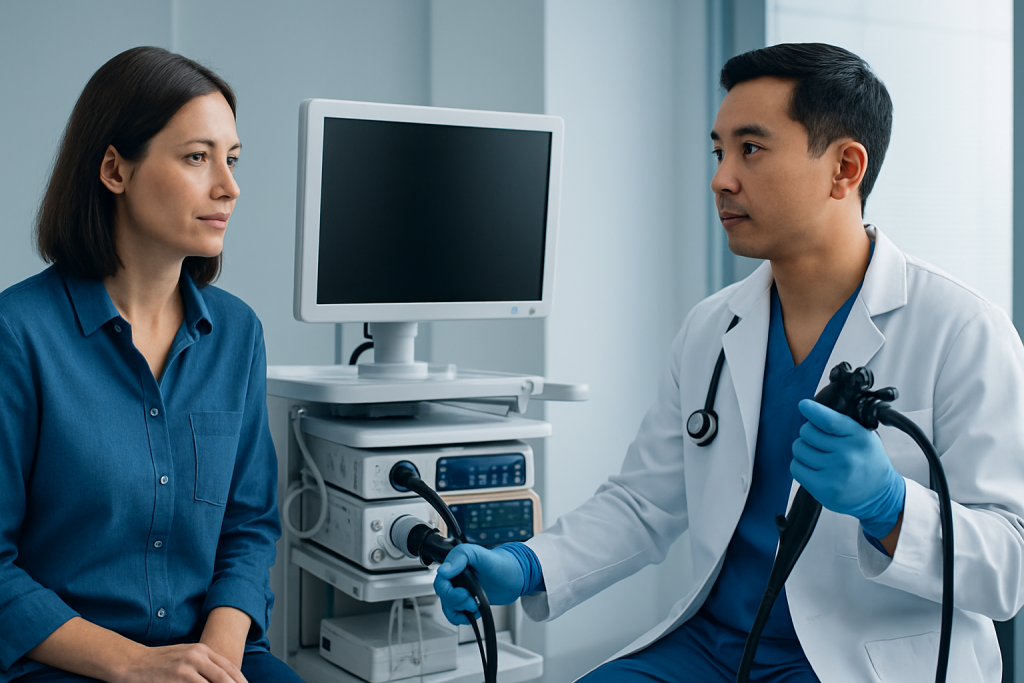
For adults whose initial examination was high quality and whose polyps were completely removed, common surveillance guidance recommends repeat colonoscopy in 7 to 10 years after one or two tubular adenomas smaller than 10 mm. This longer interval reflects the relatively low likelihood of advanced findings at follow-up in this group.
A repeat examination is commonly advised in about 3 years when there are three to four small tubular adenomas, five to 10 adenomas, an adenoma measuring 10 mm or more, high-grade dysplasia, or a villous component on pathology. These features are associated with a greater chance of future advanced polyps, so closer surveillance is appropriate.
Some situations need earlier review. For example, a doctor may recommend colonoscopy within about 6 months after removal of a large polyp in pieces, because the removal site may need to be checked for remaining tissue. An inadequate bowel preparation, an incomplete examination, more than 10 adenomas, a strong family history, or a hereditary cancer syndrome can also change the interval. The written recommendation from the endoscopist should be followed, as it reflects the complete clinical picture.
How Long Does It Take for a Tubular Adenoma to Turn Into Cancer?
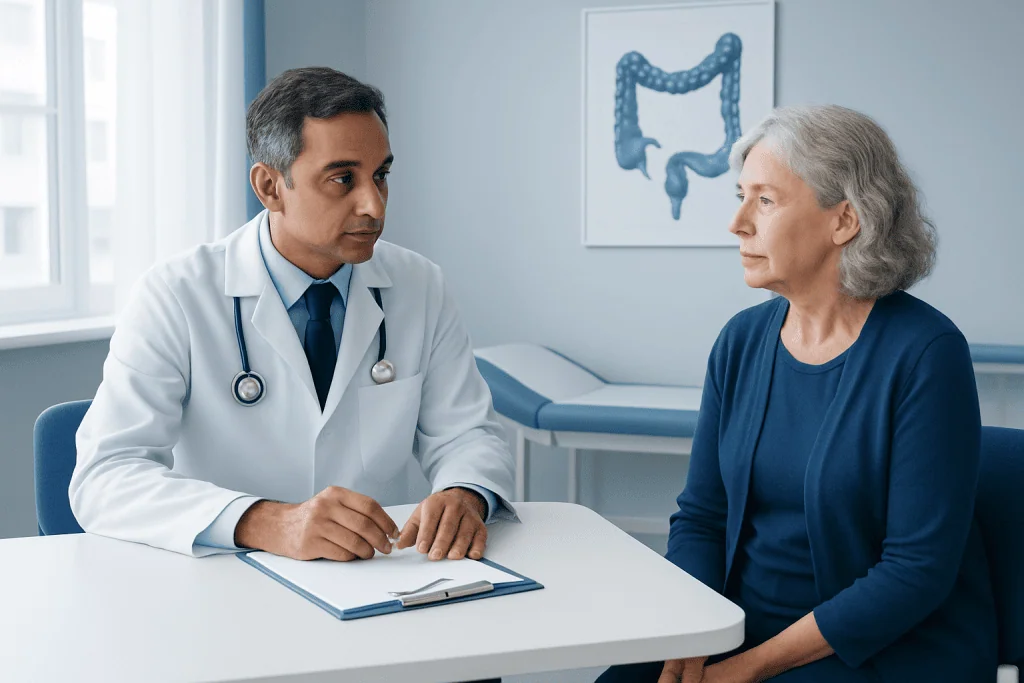
Most tubular adenomas do not turn into cancer. When progression occurs, it is generally a slow process that often takes years. The exact timeline cannot be predicted for an individual polyp because it depends on genetic changes within the polyp, its size, its microscopic features, and the person’s underlying risk factors.
Larger adenomas and those with more advanced features are more likely to contain or develop significant cellular changes than small tubular adenomas. This is why removing polyps when they are found is so valuable: it interrupts a possible pathway to cancer before cancer develops.
There is no safe way to determine the future behavior of a polyp based only on symptoms, because polyps often cause no symptoms at all. Pathology examination after removal provides the most reliable assessment. People should keep a copy of both their colonoscopy and pathology reports so future clinicians can recommend an appropriate surveillance schedule.
How Often Should I Get a Colonoscopy After Precancerous Polyps Are Found?
After precancerous polyps are found, the frequency of colonoscopy depends on the highest-risk finding. One or two small, completely removed tubular adenomas usually lead to a 7- to 10-year interval. Three or four small tubular adenomas may lead to follow-up in 3 to 5 years, while higher-risk adenomas commonly lead to repeat testing in around 3 years.
Doctors may recommend different timing for serrated polyps, inflammatory bowel disease, a personal history of colorectal cancer, or a known inherited colorectal cancer syndrome. A close relative with colorectal cancer or advanced adenomas may also affect screening and surveillance plans. These circumstances should be discussed with a gastroenterologist rather than applying a general interval independently.
Surveillance colonoscopy is distinct from routine screening. Once an adenoma has been identified, stool-based screening tests are generally not considered a substitute for the recommended follow-up colonoscopy. The examination gives the clinician an opportunity to find and remove new growths directly. Related conditions such as colorectal cancer have better prevention opportunities when precancerous polyps are identified and managed early.
Colonoscopy Surveillance: Candidacy, Preparation and Step-by-Step Procedure
People who have had a tubular adenoma removed are usually candidates for surveillance colonoscopy unless a clinician determines that the expected benefit is limited by serious illness, frailty, or other individual health considerations. Before scheduling, the care team reviews prior findings, medications, allergies, heart and lung conditions, bleeding risks, and whether sedation is appropriate.
Good bowel preparation is essential. Patients usually follow a low-residue or clear-liquid diet for a short period before the examination and take a prescribed bowel-cleansing medicine exactly as directed. The clinician may advise temporary changes to certain medicines, such as iron products, diabetes medicines, anticoagulants, or antiplatelet medicines. These medications should never be stopped without instructions from the prescribing doctor.
During colonoscopy, the patient typically receives sedation or anesthesia for comfort. A flexible camera is gently passed through the rectum to examine the colon. The doctor can photograph findings, take small tissue samples, and remove polyps using specialized instruments. Most examinations take less than an hour, although the total visit is longer because of preparation and recovery.
After the procedure, removed tissue is examined by a pathologist. The final surveillance interval should be based on the pathology results rather than only the visual impression at the time of colonoscopy. For people needing evaluation or preventive polyp removal, colorectal cancer treatment and prevention services may involve coordinated input from gastroenterology, pathology, surgery, oncology, and genetics specialists when indicated.
Recovery, Benefits and Possible Risks
Most people recover quickly after colonoscopy. Temporary bloating, gas, or mild cramping can occur as air is released from the bowel. Sedation can impair alertness and coordination for the rest of the day, so patients usually need a responsible adult to accompany them home and should avoid driving, alcohol, important decisions, and operating machinery until the next day or as advised.
The main benefit of surveillance colonoscopy is prevention. Detecting and removing new adenomas can reduce the likelihood that a colorectal cancer will develop. It can also identify other causes of symptoms, such as inflammation, diverticular disease, or bleeding sources, when clinically relevant.
Colonoscopy is generally safe, but it has uncommon risks. These include reactions to sedation, bleeding after polyp removal, infection, and a tear in the colon wall. The chance of complications may be higher when a large or complex polyp is removed. Patients should ask their care team about the benefits and risks in their own circumstances and receive clear instructions on what to expect after the procedure.
What Is the Prognosis for a Tubular Adenoma of the Colon?
The prognosis for a tubular adenoma of the colon is generally very good when it is completely removed and recommended surveillance is completed. The polyp itself is benign, and removal means that particular lesion can no longer progress to cancer. The main ongoing consideration is that a person who has formed an adenoma may be more likely than someone with no polyp history to form additional adenomas over time.
Future risk is lower with one or two small tubular adenomas and higher with multiple, large, or advanced adenomas. Attending follow-up colonoscopy at the recommended time is the most important practical step. A healthy lifestyle may support overall colorectal health, including regular physical activity, a diet rich in fiber-containing foods, limiting processed meat and alcohol, avoiding tobacco, and maintaining a weight that is appropriate for the individual.
Some people benefit from genetic counseling, particularly if they have numerous adenomas, colorectal cancer at a young age, or a strong family pattern of colorectal and related cancers. Genetic assessment does not apply to everyone, but it can help clarify screening needs for patients and relatives when hereditary risk is suspected.
When to Seek Medical Care
A person should contact a doctor promptly for new or persistent rectal bleeding, black stools, an unexplained change in bowel habits, ongoing abdominal pain, unexplained iron-deficiency anemia, fatigue associated with anemia, or unintended weight loss. These symptoms do not necessarily indicate cancer, but they deserve timely assessment rather than waiting for the next scheduled surveillance colonoscopy.
After a colonoscopy, urgent medical advice is needed for severe or worsening abdominal pain, fever, persistent vomiting, heavy rectal bleeding, dizziness, fainting, or a swollen abdomen. Mild gas discomfort can be normal, but severe symptoms should not be ignored.
Acibadem International’s multidisciplinary specialists and JCI-accredited hospitals support international patients who need assessment, surveillance planning, and treatment for colorectal conditions. A gastroenterologist can review the prior colonoscopy and pathology reports and explain the most appropriate follow-up schedule for the individual.
Frequently asked questions
When should a colonoscopy be repeated after one small tubular adenoma?
After one or two tubular adenomas smaller than 10 mm that were completely removed during a high-quality colonoscopy, repeat colonoscopy is often recommended in 7 to 10 years. The final interval may differ if bowel preparation was poor, removal was uncertain, there is a family history, or other risk factors are present.
Is a tubular adenoma cancer?
No. A tubular adenoma is a benign precancerous polyp, not colorectal cancer. Some adenomas can develop into cancer over many years if they remain in place, which is why removal and follow-up are recommended.
Does a removed tubular adenoma grow back?
A completely removed polyp usually does not grow back at the same site. However, new polyps can develop in other areas of the colon over time. Surveillance colonoscopy is intended to find and remove these new growths.
Why might a doctor recommend another colonoscopy in 3 years?
A 3-year interval is commonly advised when pathology or procedure findings suggest a higher future risk. Examples include a large adenoma, several adenomas, high-grade dysplasia, a villous component, or concerns about complete removal. The doctor uses the full report to make this recommendation.
Can diet or supplements prevent tubular adenomas from returning?
No food or supplement can guarantee that new adenomas will not form. A balanced diet with fiber-rich foods, regular activity, avoiding tobacco, limiting alcohol, and maintaining a healthy weight may support colorectal health. Recommended surveillance remains the most reliable preventive measure.
Do symptoms indicate whether a tubular adenoma is serious?
Not reliably. Most tubular adenomas cause no symptoms, including some larger polyps. The size, number, appearance, and pathology findings are more useful than symptoms for determining risk and planning follow-up.
References
- U.S. Multi-Society Task Force on Colorectal Cancer
- American Gastroenterological Association
- American Cancer Society
- National Cancer Institute
- European Society of Gastrointestinal Endoscopy
This article is for general information only and is not a substitute for professional medical advice. Please consult a qualified doctor about your individual situation.
Persistent digestive symptoms? Get evaluated in Turkey
JCI-accredited · board-certified surgeons · reply within 24h
Add us as a Preferred Source to see more of our trusted health content across Google Search, AI Overviews and Discover.

More from the Health Library



Related Specialists

Dr. İzlem Kıran
Radiology
Dr. Gülseren Sağcan
Pulmonary Medicine
Gülçin Selen Akgün
Physical Medicine & Rehabilitation
Dr. Bülent Erdoğan
Emergency Service