When to See a Gynecologist for Irregular Periods

Irregular periods can include cycles that are too short, too long, unpredictable, unusually heavy, or missed. Occasional changes may be harmless, but persistent or severe symptoms should be checked by a gynecologist.
Key Takeaways
- Irregular periods can include cycles that are too short, too long, unpredictable, unusually heavy, or missed.
- Occasional changes may be harmless, but persistent or severe symptoms should be checked by a gynecologist.
- Common causes include stress, weight changes, polycystic ovary syndrome, thyroid disorders, pregnancy, and perimenopause.
- Heavy bleeding, severe pain, bleeding between periods, or symptoms of anemia are important reasons to seek care.
- Diagnosis may involve a medical history, pelvic exam, blood tests, and imaging such as ultrasound.
- Treatment depends on the cause and may include lifestyle changes, hormone therapy, or treatment for an underlying condition.
Irregular periods are common and may happen during puberty, times of stress, or the years leading up to menopause. Still, some changes in the menstrual cycle can point to a hormonal imbalance, a gynecologic condition, or another health issue that deserves medical attention.
Overview: What counts as irregular periods?
A menstrual cycle is considered irregular when the timing, flow, or pattern changes noticeably from what is usual for that person. Many adults have cycles that fall roughly every 21 to 35 days, while adolescents may have more variation, especially in the first few years after periods begin. A period may also be described as irregular if bleeding lasts much longer than expected, becomes unusually heavy, or happens between expected periods.
Irregular periods are not a diagnosis on their own. Instead, they are a symptom with many possible explanations. Sometimes the cause is temporary, such as stress, illness, travel, or changes in exercise habits. In other cases, irregular bleeding may be linked to hormone changes, problems with ovulation, pregnancy, thyroid disease, or conditions affecting the uterus or ovaries.
Because the menstrual cycle reflects overall reproductive and hormonal health, ongoing changes should not be ignored. A gynecologist can help determine whether the pattern is within a normal range or whether further testing is needed. Early evaluation often provides reassurance and, when necessary, allows treatment to begin before symptoms become more disruptive.
Signs that suggest it is time to see a gynecologist
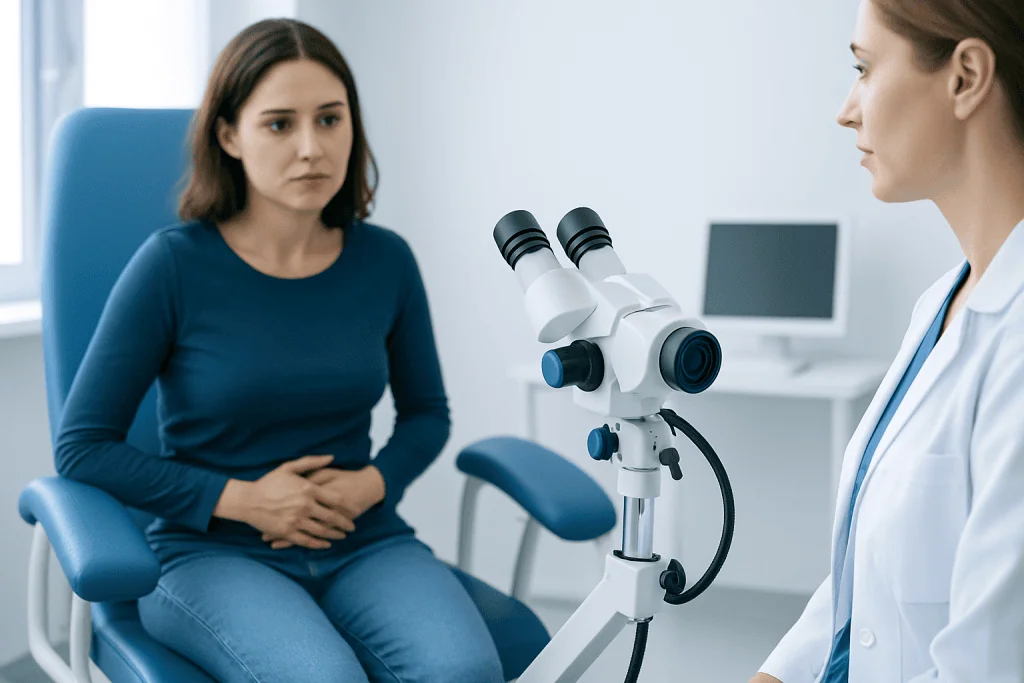
It is a good idea to see a gynecologist if periods become consistently unpredictable or different from the usual pattern. This includes cycles that suddenly become much shorter or longer, periods that stop for several months without a known reason, or bleeding that occurs between periods. A person should also seek care if they need to change pads or tampons very frequently, pass large clots, or have bleeding that interferes with work, school, sleep, or daily life.
Pain is another important reason to schedule an appointment. Cramping that is severe, pain during sex, pelvic pressure, or back pain that worsens around the period may suggest an underlying gynecologic condition rather than routine menstrual discomfort. Symptoms such as fatigue, dizziness, shortness of breath, or paleness can happen when heavy bleeding leads to anemia and also deserve prompt attention.
A gynecologist should be contacted sooner if there is a possibility of pregnancy, especially if bleeding is accompanied by pain. Bleeding after sex, after menopause, or after a long stretch without periods should also be assessed. In general, any recurring cycle change that causes concern, affects quality of life, or comes with other symptoms is worth discussing with a qualified doctor.
- Periods that come less often than every 35 days or more often than every 21 days
- Missing three or more periods unexpectedly
- Very heavy bleeding or bleeding lasting more than about a week
- Bleeding between periods or after sex
- Severe cramps, pelvic pain, or faintness
- Bleeding after menopause
Common causes and risk factors

Hormonal fluctuations are one of the most common reasons for irregular periods. During puberty and the transition to menopause, ovulation may not happen regularly, which can lead to changes in timing and flow. Stress, poor sleep, major weight loss or gain, intense exercise, and eating disorders may also affect the brain hormones that help regulate the menstrual cycle.
Several medical conditions can also play a role. Polycystic ovary syndrome is a well-known cause of irregular or missed periods because it often disrupts ovulation. Thyroid disorders, high prolactin levels, diabetes, and some medications can interfere with cycle regularity as well. Pregnancy should always be considered when a period is late or unusual.
Structural conditions affecting the uterus may lead to heavy or irregular bleeding. These include fibroids, endometrial polyps, adenomyosis, and, less commonly, more serious problems involving the lining of the uterus. Conditions such as endometriosis may be more strongly linked to significant pain, though bleeding pattern changes can occur too. A gynecologist may also evaluate for ovarian cysts when pelvic pain, bloating, or cycle changes are present.
How a gynecologist diagnoses irregular periods
The first step is usually a careful conversation about the menstrual pattern and general health. The doctor may ask when the changes began, how often bleeding occurs, how heavy it is, and whether there are symptoms such as pain, acne, hair growth changes, weight change, headaches, or discharge. A cycle tracking app, calendar, or written notes can be very helpful during this visit.
A physical examination may include a pelvic exam, depending on age, symptoms, and medical history. Blood tests are often used to check for pregnancy, anemia, thyroid problems, and hormone-related causes. In some situations, tests may also be done to look at blood sugar levels or other endocrine issues.
Imaging can help identify structural causes. A pelvic ultrasound is commonly used to look at the uterus, ovaries, and uterine lining; this is often the most informative next step when heavy bleeding, pelvic pain, or suspected fibroids are involved. Some patients may be advised to have a pelvic ultrasound or, in selected cases, MRI imaging if more detail is needed. Depending on age and risk factors, the doctor may also recommend sampling the uterine lining to rule out abnormal cells.
Treatment options depend on the cause
Treatment is guided by the reason behind the irregular bleeding, a person’s age, symptom severity, and whether pregnancy is desired. For some, reassurance and monitoring are enough, especially when mild cycle variation happens during adolescence or perimenopause. In other cases, treatment may focus on correcting anemia, easing pain, or regulating the cycle.
Hormonal treatments are often used to help control bleeding and support more predictable cycles. These may include birth control pills or other forms of hormone therapy, depending on the individual situation and medical history. If the cause is related to a condition such as thyroid disease or high prolactin, treatment is directed at that underlying problem. When polycystic ovary syndrome is suspected, care may also address weight management, insulin resistance, and long-term reproductive health; some patients may need assessment through fertility evaluation and treatment if they are trying to conceive and ovulation is irregular.
If a structural problem is found, additional treatment may be considered. Fibroids, polyps, or persistent ovarian cysts may need closer follow-up or a procedure, particularly if symptoms are significant. In some patients, doctors may suggest minimally invasive gynecologic surgery to diagnose or treat certain pelvic conditions. The goal is always to find the least invasive and most appropriate option for the individual patient.
Self-care, cycle tracking, and prevention
Not all causes of irregular periods can be prevented, but simple habits can support menstrual health. Keeping a record of cycle dates, bleeding intensity, pain, and related symptoms can make it easier to notice patterns and provide clear information to a doctor. Tracking is also useful for seeing whether lifestyle changes, medicines, or treatments are helping over time.
General health measures may improve cycle regularity for some people. These include eating a balanced diet, maintaining a stable weight, managing stress, getting enough sleep, and avoiding extreme exercise routines unless they are medically supervised. Anyone with heavy bleeding should ask a doctor whether iron levels should be checked, especially if they feel tired or lightheaded.
It is important not to self-diagnose persistent menstrual changes. Over-the-counter pain relief may help cramps, but frequent heavy bleeding, missed periods, or new symptoms should still be discussed with a clinician. Seeking advice early can reduce worry and help prevent complications such as untreated anemia or delayed diagnosis of a hormone or gynecologic condition.
When urgent medical attention is needed
Most irregular periods are not emergencies, but some situations need prompt medical care. Heavy bleeding that soaks through protection every hour for several hours, bleeding with severe weakness or fainting, or sudden intense pelvic pain should be evaluated urgently. The same is true for bleeding during pregnancy or when pregnancy is possible, especially if there is one-sided pain or dizziness.
Bleeding after menopause should always be assessed by a doctor, even if it happens only once. It does not always mean something serious, but it should not be ignored. Similarly, fever, foul-smelling discharge, or severe pelvic pain together with bleeding may suggest infection and need timely care.
For people seeking expert evaluation, Acibadem International’s multidisciplinary specialists in JCI-accredited hospitals diagnose and treat menstrual and gynecologic conditions for international patients. Whether symptoms are mild or more disruptive, a gynecologist can help identify the cause and create a treatment plan that fits the person’s health needs and future goals.
Frequently asked questions
Are irregular periods always a sign of a serious problem?
No. Irregular periods can happen for many harmless reasons, including stress, travel, puberty, breastfeeding, or the years leading up to menopause. However, persistent, heavy, painful, or sudden changes should be evaluated to rule out an underlying condition.
How irregular is too irregular for a period?
A period may be considered too irregular if cycles are consistently very far apart, very close together, or unpredictable compared with the usual pattern. Missing several periods, bleeding between periods, or having very heavy bleeding are also signs that it is time to see a gynecologist.
Can stress cause irregular periods?
Yes. Stress can affect the hormones that regulate ovulation and the menstrual cycle, which may lead to delayed, missed, or early periods. If cycle changes continue after stress improves, a doctor should assess for other possible causes.
Should a teenager see a gynecologist for irregular periods?
In the first few years after periods begin, irregular cycles can be common because ovulation may not be consistent yet. Still, very heavy bleeding, severe pain, periods absent for months, or symptoms of anemia should be checked by a doctor.
Can irregular periods affect fertility?
They can, depending on the cause. Irregular periods may mean ovulation is not happening regularly, which can make pregnancy more difficult. A gynecologist can help identify the reason and discuss options if pregnancy is desired.
What tests are usually done for irregular periods?
Common tests include a pregnancy test, blood tests to check for anemia and hormone-related conditions, and often a pelvic ultrasound. The exact evaluation depends on age, symptoms, and medical history.
References
- World Health Organization
- American College of Obstetricians and Gynecologists
- National Institute for Health and Care Excellence
- Office on Women's Health
- Mayo Clinic
This article is for general information only and is not a substitute for professional medical advice. Please consult a qualified doctor about your individual situation.
Explore treatments in Turkey — costs, top hospitals & a free quote
JCI-accredited · board-certified surgeons · reply within 24h
Add us as a Preferred Source to see more of our trusted health content across Google Search, AI Overviews and Discover.
Check your numbers in seconds
BMI, calories, due date, blood pressure and 30+ more clinical calculators — free, instant, doctor-reviewed ranges.