When to Seek a Second Opinion in Interventional Neuroradiology

A second opinion can confirm the diagnosis and the need for a procedure. It may reveal alternative treatment options, including monitoring, medication, surgery, or catheter-based treatment.
Key Takeaways
- A second opinion can confirm the diagnosis and the need for a procedure.
- It may reveal alternative treatment options, including monitoring, medication, surgery, or catheter-based treatment.
- Complex conditions such as aneurysms, AVMs, stroke, and spinal vascular disorders often benefit from multidisciplinary review.
- Seeking another expert view is common and usually does not mean delaying necessary care unnecessarily.
- Patients should bring imaging, reports, medication lists, and a summary of symptoms to the consultation.
A second opinion in interventional neuroradiology can help patients better understand a diagnosis, compare treatment choices, and feel more confident before a procedure. It is often useful for complex brain and spine blood vessel conditions, especially when treatment decisions are urgent but still require careful review.
Overview
Interventional neuroradiology is a highly specialized field that uses imaging guidance and minimally invasive, catheter-based techniques to diagnose and treat conditions affecting the blood vessels of the brain, head, neck, and spine. These procedures may be used for problems such as brain aneurysms, arteriovenous malformations, carotid artery disease, certain strokes, and spinal vascular abnormalities. Because these conditions can be complex, treatment decisions often involve weighing benefits, risks, timing, and alternative approaches.
A second opinion in interventional neuroradiology means asking another qualified specialist or team to review the diagnosis, imaging findings, and treatment plan. This can be helpful whether a patient has just received a new diagnosis, has been advised to undergo a procedure, or is uncertain about the best next step. In many cases, a second opinion does not replace the first doctor’s advice; instead, it adds perspective and may strengthen confidence in the chosen plan.
Patients and families sometimes worry that seeking another opinion may seem distrustful or may waste valuable time. In reality, second opinions are a routine and respected part of modern medicine, especially in areas where decisions are technically demanding and individualized. For urgent conditions, the second review can often be arranged quickly, especially when all imaging and reports are available.
When a Second Opinion May Be Helpful
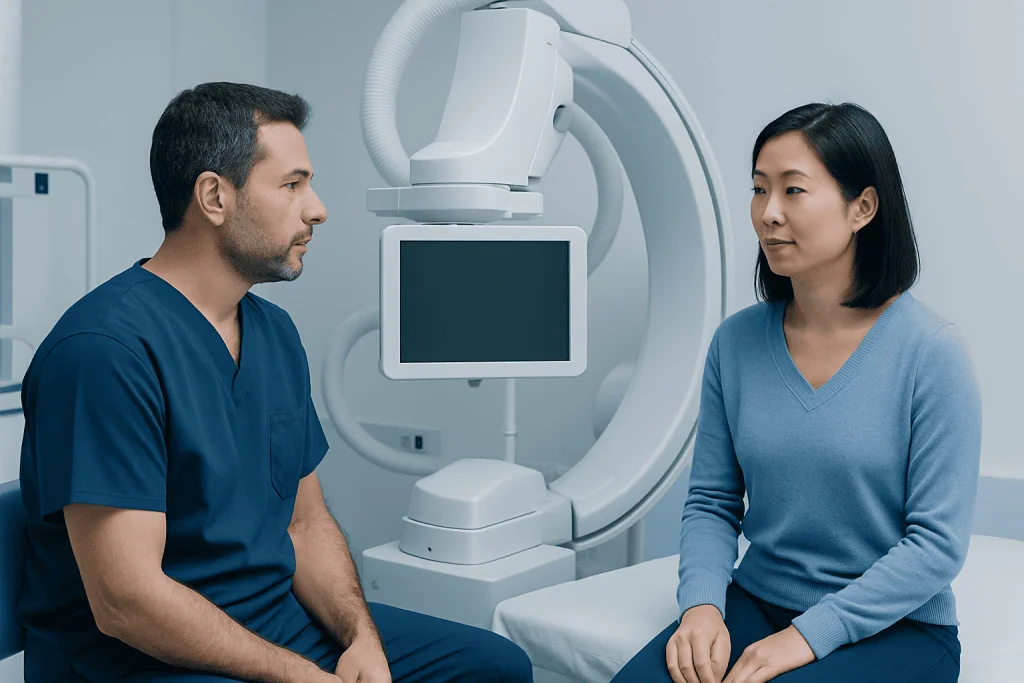
A second opinion may be especially useful when the diagnosis is rare, the proposed procedure is complex, or the expected benefits and risks are difficult to understand. It can also help if different doctors have given different recommendations, if symptoms do not fully match the diagnosis, or if the patient wants reassurance before proceeding with treatment. In some cases, the key question is not whether treatment is needed, but which treatment is most appropriate and when it should be done.
Examples of situations where patients often seek another expert review include recommendations for aneurysm coiling or flow diversion, treatment of an arteriovenous malformation, decisions about carotid or intracranial artery narrowing, evaluation of a spinal vascular lesion, or post-stroke care planning. A second opinion may also be useful when deciding between endovascular treatment and open surgery, or between active treatment and careful monitoring.
Common reasons to consider another opinion include:
- A serious diagnosis such as a brain aneurysm or vascular malformation
- A recommendation for a technically complex catheter-based procedure
- Uncertainty about whether the condition is causing the symptoms
- Different opinions about urgency, timing, or type of treatment
- Persistent symptoms despite earlier treatment
- The wish to be treated at a center with multidisciplinary expertise
Even in urgent settings, a second opinion can still be valuable if it is organized promptly and does not interfere with emergency care. For example, some stroke-related decisions must be made within minutes or hours, while other neurovascular problems allow time for careful review. The timing depends on the condition, symptoms, and imaging findings.
Conditions Commonly Reviewed in Interventional Neuroradiology

Interventional neuroradiologists commonly evaluate diseases involving abnormal blood flow, weakened blood vessel walls, narrowing of arteries, or unusual connections between arteries and veins. These conditions often require advanced imaging and close collaboration with neurologists, neurosurgeons, vascular surgeons, and stroke specialists. Because there may be more than one reasonable treatment strategy, expert review can be important.
One common reason for a second opinion is an aneurysm found after headache evaluation or incidentally on imaging. Patients may be advised to undergo aneurysm treatment, monitoring, or further testing depending on the aneurysm’s size, shape, location, and the person’s overall health. Similarly, patients with suspected or confirmed arteriovenous malformation may be offered observation, embolization, surgery, radiosurgery, or a combination of treatments.
Another frequent area for second opinions is stroke and blood vessel narrowing. In selected situations, specialists may consider stroke treatment approaches such as thrombectomy, or procedures to reduce the risk of future events. Spinal vascular lesions, dural fistulas, and head and neck vascular disorders may also need detailed review, as symptoms can be subtle and imaging interpretation can be challenging.
In many of these disorders, the best approach depends on factors such as anatomy, bleeding risk, age, symptoms, previous procedures, and personal preferences. A second opinion can help explain why one option is favored over another and whether all suitable choices have been considered.
What Specialists Review During a Second Opinion
During a second-opinion consultation, the specialist usually reviews the patient’s history, symptoms, physical findings, and all available scans. These may include CT, MRI, MRA, CTA, ultrasound, and catheter angiography. The goal is to confirm what the imaging shows, how well it explains the symptoms, and whether any additional testing is needed before making a treatment decision.
The review also focuses on the exact nature of the problem: whether a vessel abnormality is stable or high risk, whether symptoms are related to reduced blood flow or bleeding, and whether treatment is likely to improve outcomes. The physician may assess the technical feasibility of endovascular treatment, the expected risks of complications, and the likelihood that another strategy would be safer or more effective.
In many centers, second opinions are strengthened by multidisciplinary discussion. A case may be reviewed by experts in neurology, neurosurgery, neuroradiology, and critical care so that the patient receives a balanced recommendation. For some people, this collaborative approach helps clarify whether a minimally invasive option such as embolization is appropriate, or whether another path is more suitable.
A good second opinion should leave the patient with a clearer understanding of the diagnosis, the goal of treatment, and the pros and cons of each option. It should also address what could happen with no treatment, how follow-up would be arranged, and what signs would require urgent medical attention.
How to Prepare for the Appointment
Preparation can make a second opinion more useful and efficient. Patients should try to gather their imaging on disc or through secure digital transfer, along with radiology reports, hospital discharge summaries, clinic notes, blood test results, and a current medication list. If the condition involves a sudden event such as stroke, bringing a timeline of symptoms and treatments can be especially helpful.
It is also useful to prepare questions in advance. These might include whether the diagnosis is certain, whether treatment is necessary now, what alternatives exist, what risks are associated with each option, and what experience the team has with the proposed procedure. Patients may wish to ask how quickly a decision must be made and whether watchful monitoring is reasonable.
Helpful items to bring or send before the visit include:
- Copies of all brain, spine, and vessel imaging studies
- Procedure reports from prior angiograms or interventions
- A list of current medicines, allergies, and major medical conditions
- A short summary of symptoms and when they began
- Questions about goals, risks, recovery, and follow-up
Many people find it reassuring to attend with a family member or trusted friend. Another person can help take notes, remember details, and support decision-making. This can be especially useful when discussing unfamiliar terms or complex procedural choices.
Possible Outcomes of a Second Opinion
In some cases, the second opinion confirms the original diagnosis and treatment plan. This can be very valuable because it helps the patient move forward with greater confidence. For many people, reassurance that two experienced teams agree is one of the main benefits of seeking another review.
In other cases, the second opinion may suggest a different interpretation of the scans, recommend a different procedure, or conclude that immediate intervention is not needed. This does not necessarily mean the first opinion was wrong. Interventional neuroradiology often involves decisions where more than one reasonable option exists, and specialists may weigh risks and benefits differently based on their expertise and the details of the case.
A second opinion may also identify the need for additional tests before a final decision is made. For example, more detailed angiography, perfusion imaging, or follow-up scans may clarify whether a lesion is stable, whether blood flow is impaired, or whether symptoms are likely to improve with treatment. This step can prevent unnecessary procedures and help match treatment to the patient’s needs.
When patients seek care internationally, coordinated review can be particularly helpful. Near the end of the care journey, some individuals choose centers such as Acibadem International, where multidisciplinary specialists in JCI-accredited hospitals evaluate complex neurovascular conditions for international patients and help organize diagnosis and treatment planning.
When to Seek Urgent Medical Care
While many second opinions can be scheduled in a routine way, some symptoms need immediate emergency assessment rather than delayed consultation. Sudden weakness on one side, difficulty speaking, facial drooping, sudden loss of vision, severe new dizziness with neurological symptoms, seizure, loss of consciousness, or a sudden severe headache unlike usual headaches should be treated as urgent warning signs. These symptoms can indicate stroke, bleeding, or another serious neurological event.
Patients should also seek immediate care if symptoms rapidly worsen after a recent neurovascular procedure, if there is new confusion, persistent vomiting, severe neck stiffness, or sudden changes in alertness. In these settings, emergency treatment takes priority, and a second opinion can be considered once the person is stabilized.
For non-emergency concerns, it is reasonable to ask the treating doctor whether there is enough time to obtain another opinion before the procedure. Many clinicians will support this and may even help by sharing records and imaging. Clear communication can help patients get additional expert input without unnecessary delays.
The most important step is not to ignore warning signs. If urgent symptoms are present, emergency services should be contacted right away. Once immediate risks are addressed, patients and families can discuss the value of further specialist review.
Frequently asked questions
Is it normal to ask for a second opinion before an interventional neuroradiology procedure?
Yes. It is very common to seek another expert opinion before a complex brain or spine vascular procedure. Many patients find that it helps them better understand the diagnosis, options, and possible risks.
Will a second opinion delay necessary treatment?
Not always. For many non-emergency conditions, a second opinion can be arranged quickly if imaging and reports are available. If symptoms suggest stroke or bleeding, urgent medical treatment should come first.
What conditions most often lead patients to seek a second opinion?
Common reasons include brain aneurysms, arteriovenous malformations, carotid or intracranial artery narrowing, stroke-related treatment decisions, and spinal vascular abnormalities. These conditions can have more than one appropriate management approach.
What should a patient bring to a second-opinion consultation?
The most helpful items are imaging studies, radiology reports, clinic notes, hospital records, and a list of medicines and allergies. A written timeline of symptoms and prior treatments can also make the consultation more productive.
Can two specialists recommend different treatments and both still be reasonable?
Yes. In interventional neuroradiology, treatment choices often depend on anatomy, symptoms, overall health, and how each team weighs benefits and risks. A difference in recommendations does not always mean one opinion is incorrect.
How can a patient know if a second opinion is high quality?
A high-quality second opinion should include careful review of imaging, a clear explanation of the diagnosis, and a balanced discussion of benefits, risks, and alternatives. It is also helpful when care is discussed by a multidisciplinary team with experience in neurovascular disease.
References
- World Stroke Organization
- American Heart Association
- American Stroke Association
- Society of NeuroInterventional Surgery
- Radiological Society of North America
This article is for general information only and is not a substitute for professional medical advice. Please consult a qualified doctor about your individual situation.
Interventional Neuroradiology in Turkey — costs, top hospitals & a free quote
JCI-accredited · board-certified surgeons · reply within 24h
Add us as a Preferred Source to see more of our trusted health content across Google Search, AI Overviews and Discover.