White Coat Syndrome: Symptoms, Causes, and Treatment Options

White coat syndrome causes blood pressure to rise mainly during medical visits. It is different from sustained high blood pressure, so home or ambulatory monitoring is often needed.
Key Takeaways
- White coat syndrome causes blood pressure to rise mainly during medical visits.
- It is different from sustained high blood pressure, so home or ambulatory monitoring is often needed.
- Anxiety, past medical experiences, and stress sensitivity can all contribute.
- Treatment focuses on accurate diagnosis, follow-up, and lowering appointment-related stress.
- Some people with white coat syndrome may later develop true hypertension and need ongoing checks.
White coat syndrome is a rise in blood pressure that happens in a medical setting, even when readings may be normal at home. It is often related to stress or anxiety during appointments, and it matters because it can mimic true high blood pressure or exist alongside it.
Overview
White coat syndrome, also called white coat hypertension, describes a temporary increase in blood pressure that occurs in a clinic, hospital, or doctor’s office. The person’s blood pressure may be normal or lower in everyday life, but the stress of a medical visit can cause it to rise during the appointment. This is why a single high reading in the office does not always mean a person has long-term hypertension.
The condition is common and understandable. Many people feel tense before having their blood pressure checked, speaking with a clinician, or waiting for test results. The body responds to this stress by releasing hormones that can make the heart beat faster and narrow blood vessels for a short time, leading to higher readings.
White coat syndrome is important because it can complicate diagnosis. If it is mistaken for persistent hypertension, a person may worry unnecessarily or receive treatment that is not needed. On the other hand, it should not be ignored, because some people with white coat syndrome also have increased cardiovascular risk over time and may later develop high blood pressure.
How White Coat Syndrome Feels and What It Can Affect
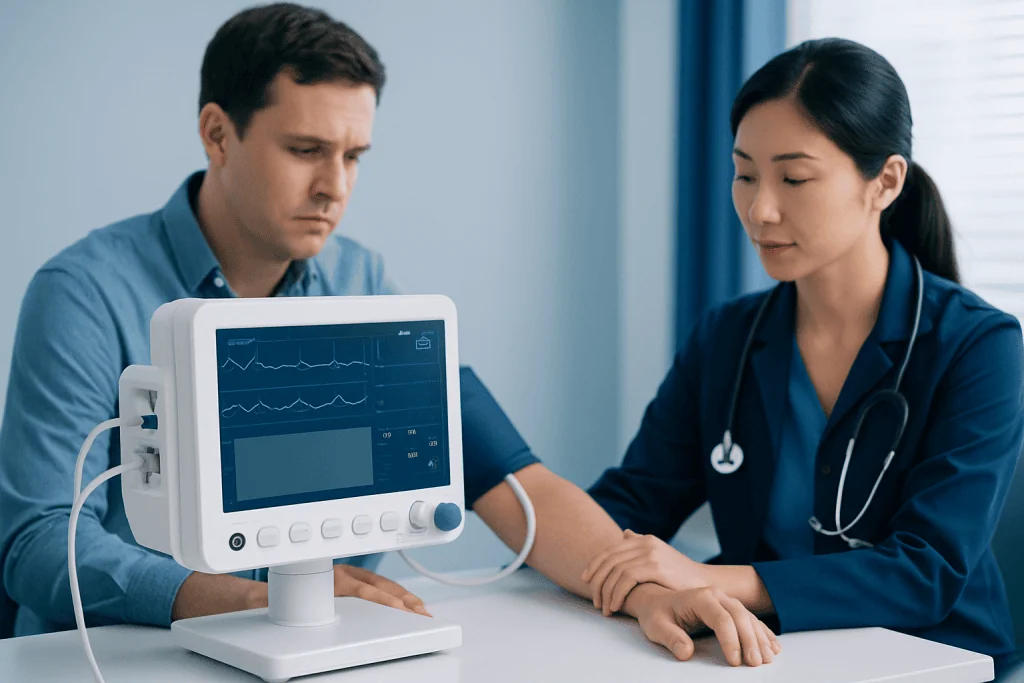
White coat syndrome does not always cause obvious symptoms. In fact, many people feel completely well and only learn about it when a blood pressure reading is unexpectedly high during a visit. Others notice signs of stress such as a racing heart, nervousness, sweating, dry mouth, restlessness, or a sense of tension while waiting to be seen.
These reactions are not dangerous by themselves in most people, but they can be unsettling. Some individuals feel more alert, shaky, flushed, or short of breath when they are anxious. These feelings usually improve after the appointment or once the person leaves the medical setting.
It is important to remember that symptoms alone cannot confirm white coat syndrome. High blood pressure often causes no symptoms, whether it is temporary or persistent. For that reason, diagnosis depends on comparing office readings with measurements taken at home or over 24 hours using ambulatory blood pressure monitoring.
- Possible stress-related sensations include palpitations, sweating, trembling, and worry.
- Some people have no symptoms at all despite elevated office readings.
- Repeated high readings only in clinics suggest white coat syndrome, but confirmation is needed.
Causes and Risk Factors

The main trigger for white coat syndrome is anxiety related to healthcare settings. This anxiety may be mild or more pronounced. Even people who are calm in other situations can feel stressed when they see medical equipment, anticipate a diagnosis, or remember a difficult past experience.
The body’s natural stress response plays a central role. When a person feels tense, the nervous system releases stress hormones such as adrenaline. These hormones can temporarily increase heart rate and blood pressure. The rise may last only a few minutes, but that is enough to affect readings during an appointment.
Several factors may make white coat syndrome more likely. These include general anxiety, fear of needles, previous negative healthcare experiences, concern about test results, older age, and already having risk factors for cardiovascular disease. Some people with diagnosed hypertension also show an extra rise in blood pressure in clinical settings, which can make management more complex.
White coat syndrome is also different from “masked hypertension,” in which office readings appear normal but blood pressure is high at home or during daily activities. Both situations highlight why blood pressure should be assessed carefully rather than relying on one reading alone.
How Doctors Diagnose It
Diagnosis begins with proper blood pressure measurement in the clinic. The person should usually be seated quietly for several minutes, with the arm supported at heart level and the correct cuff size used. Because blood pressure naturally changes during the day, doctors often repeat the reading after a short rest and may check it in both arms at first assessment.
If office readings are repeatedly high but white coat syndrome is suspected, the next step is usually to compare them with out-of-office measurements. Home blood pressure monitoring can be useful when done with a validated monitor and good technique. In many cases, the most reliable way to confirm the diagnosis is a structured blood pressure evaluation that may include ambulatory monitoring over 24 hours.
Ambulatory monitoring records blood pressure at regular intervals during normal daily activities and sleep. This gives a clearer picture of whether blood pressure is elevated only in medical settings or throughout the day. It can also help identify patterns such as nighttime hypertension, which may matter for overall risk.
Doctors may also review the person’s medical history, medicines, caffeine intake, smoking, and stress levels. If true hypertension is confirmed or suspected, they may assess related conditions affecting the heart, kidneys, or blood vessels, and in some cases discuss broader cardiology evaluation when appropriate.
Treatment Options and Ongoing Monitoring
Treatment for white coat syndrome depends on whether blood pressure is normal outside the clinic and whether other cardiovascular risk factors are present. If out-of-office readings are normal, medicine may not be needed right away. Instead, the main goal is careful follow-up and reducing the stress response during appointments.
Doctors often recommend regular home monitoring so that trends can be reviewed over time. This helps avoid decisions based on isolated office readings. In some people, especially those with borderline readings or other risk factors, follow-up is important because white coat syndrome can progress to sustained hypertension in the future.
If a person has white coat syndrome along with true hypertension, diabetes, kidney disease, or higher cardiovascular risk, treatment may include lifestyle changes and blood pressure medication based on the overall clinical picture. The aim is not simply to treat anxiety during appointments, but to protect long-term heart and vascular health with an individualized plan.
Supportive communication also matters. Some people benefit from having blood pressure measured later in the visit, after a few minutes of conversation, or from taking repeated readings in a quieter setting. For international patients who need specialist assessment, Acibadem International’s multidisciplinary teams in JCI-accredited hospitals evaluate blood pressure concerns and related conditions using evidence-based methods.
Reducing Stress at Appointments and Self-Care at Home
Simple practical steps can help lower anxiety before and during medical visits. Arriving a little early, sitting quietly before the reading, avoiding a rushed walk up stairs, and using slow breathing for a few minutes can all help. It is also wise to avoid smoking, caffeine, and intense exercise shortly before a blood pressure check, as these can temporarily increase readings.
Home monitoring can be reassuring when done correctly. People should use a validated upper-arm monitor if possible, sit with back supported and feet on the floor, rest for several minutes first, and take readings at consistent times. Keeping a written or digital log helps the doctor compare home results with office values.
General heart-healthy habits remain important, even if the main issue is white coat syndrome. These include regular physical activity, balanced eating, limiting excess salt, maintaining a healthy weight, sleeping well, and managing daily stress. Such habits support overall cardiovascular health and may reduce the chance of developing persistent hypertension later on.
- Schedule appointments at times of day that feel less stressful, if possible.
- Tell the care team if blood pressure checks cause anxiety.
- Ask for a repeat reading after resting quietly.
- Bring a home blood pressure log to the visit.
When to Seek Medical Care
A person should arrange medical evaluation if blood pressure is repeatedly high at clinic visits, at home, or on pharmacy machines. Medical advice is also important if there is a family history of hypertension, heart disease, kidney disease, or stroke, or if the person has conditions such as diabetes that increase cardiovascular risk. A clinician can determine whether the readings reflect white coat syndrome, sustained hypertension, or another pattern that needs attention.
Prompt medical care is especially important if elevated blood pressure is accompanied by symptoms such as chest pain, severe shortness of breath, fainting, weakness on one side, trouble speaking, or a sudden severe headache. These symptoms are not typical of white coat syndrome alone and may signal a more urgent problem requiring immediate assessment.
People who feel intense fear around medical visits should also mention this openly. Anxiety can be addressed in a respectful way, and healthcare teams can adjust the setting, timing, and approach to make blood pressure measurement more accurate and less stressful. If needed, doctors may also evaluate related concerns such as panic symptoms or heart rhythm problems that can mimic anxiety sensations.
Frequently asked questions
Is white coat syndrome the same as high blood pressure?
No. White coat syndrome means blood pressure rises mainly in a medical setting, while readings may be normal at home or during daily life. True high blood pressure stays elevated more consistently and usually needs long-term management.
Can anxiety alone raise blood pressure during a doctor visit?
Yes. Anxiety can activate the body’s stress response, temporarily increasing heart rate and blood pressure. This is one of the main reasons white coat syndrome happens.
How is white coat syndrome confirmed?
Doctors usually compare office readings with blood pressure readings taken outside the clinic. Home monitoring or 24-hour ambulatory blood pressure monitoring helps show whether the rise happens only during medical visits.
Does white coat syndrome need medication?
Not always. If blood pressure is normal outside the clinic and there are no major risk factors, medication may not be necessary. The doctor may recommend monitoring, lifestyle measures, and regular follow-up instead.
Can white coat syndrome become permanent hypertension later?
It can in some people. That is why periodic blood pressure checks are important, even when out-of-office readings are currently normal. Follow-up helps detect any change early.
What can help lower blood pressure readings at appointments?
Resting quietly before the measurement, arriving early, and avoiding caffeine, smoking, or exercise right before the visit may help. Letting the healthcare team know about anxiety can also lead to a calmer, more accurate reading process.
References
- American Heart Association
- Centers for Disease Control and Prevention
- National Heart, Lung, and Blood Institute
- European Society of Cardiology
- Mayo Clinic
This article is for general information only and is not a substitute for professional medical advice. Please consult a qualified doctor about your individual situation.
Heart care in Turkey — expert evaluation and treatment
JCI-accredited · board-certified surgeons · reply within 24h
Add us as a Preferred Source to see more of our trusted health content across Google Search, AI Overviews and Discover.
Check your numbers in seconds
BMI, calories, due date, blood pressure and 30+ more clinical calculators — free, instant, doctor-reviewed ranges.

More from the Health Library



Related Specialists

Prof. Dr. Ali Akyüz
General Surgery
Assoc. Prof. Dr. Burak Özturan
Orthopedic Surgery & Traumatology
Dyt. Ezgi Nur Zengin
Nutrition & Diet
Dr. Göker Utku Değer
Orthopedic Surgery & Traumatology