White Stuff in Poop: An Evidence-Based Guide for Patients

Small amounts of white material in stool are often harmless and may be mucus, food particles, or medication residue. Oily, pale, or difficult-to-flush stools can suggest fat malabsorption and may need medical evaluation.
Key Takeaways
- Small amounts of white material in stool are often harmless and may be mucus, food particles, or medication residue.
- Oily, pale, or difficult-to-flush stools can suggest fat malabsorption and may need medical evaluation.
- White flecks with diarrhea, pain, fever, weight loss, or blood are more concerning and should not be ignored.
- Doctors usually diagnose the cause with history, examination, and selected stool tests, blood tests, or imaging.
- Treatment depends on the cause and may include diet changes, infection treatment, or care for an underlying digestive condition.
White stuff in poop is commonly caused by mucus, undigested food, or leftover material from medicines or supplements. In some cases, it can be linked to infection, inflammation, trouble absorbing fats, or problems affecting bile flow, so persistent or concerning changes should be assessed by a doctor.
Overview: What White Stuff in Poop Usually Means
White stuff in poop usually refers to material that looks like white specks, strings, blobs, coating, or mucus mixed with stool. In many people, this is not a sign of a serious illness. Common explanations include normal mucus made by the intestines, undigested food such as seeds or nuts, or remnants of tablets, capsules, or supplements that do not fully dissolve.
At other times, white material in stool can point to a medical problem. Examples include intestinal infections, inflammation of the bowel, poor absorption of fat, or reduced bile reaching the intestine. The overall meaning depends on what the stool looks like, how long the change lasts, and whether other symptoms are present.
Looking at the whole picture is important. White streaks of mucus in an otherwise normal bowel movement are different from stool that is pale, greasy, foul-smelling, and hard to flush. A one-time change after a new food or medicine may be less concerning than repeated changes over days or weeks.
What It Can Look Like
Patients describe white stool changes in different ways, and the appearance can offer useful clues. Some people notice tiny white flecks, while others see a whitish coating on the stool or a jelly-like substance in the toilet. White particles may be mixed throughout the stool or separate from it.
Mucus is a frequent cause. Healthy intestines naturally produce mucus to protect the lining and help stool pass smoothly, so a small amount can be normal. It may appear clear, cloudy, white, or slightly yellowish, especially if the person has constipation, mild irritation, or a recent stomach upset.
White material may also come from food or medicines. Pieces of onion, garlic, nuts, seeds, coconut, or high-fiber foods can pass through without being fully broken down. Some extended-release or enteric-coated medicines may leave a shell-like residue in the stool that can look pale or chalky.
- White specks: often food particles, supplement residue, or mucus fragments
- White strings or blobs: commonly mucus, sometimes associated with bowel irritation
- Pale, clay-colored stool: may relate to reduced bile and needs prompt evaluation if it persists
- Greasy or oily pale stool: can suggest fat malabsorption
Common Causes and Risk Factors

The most common benign cause is mucus. Mild intestinal irritation from constipation, temporary diarrhea, dietary changes, or a recent gastrointestinal infection can increase mucus production. Mucus may also appear when a person has irritable bowel syndrome, though IBS does not usually cause blood, fever, or significant weight loss.
Undigested food is another frequent explanation. High-fiber foods, seeds, nuts, corn, and some vegetables may pass partly unchanged, especially if eaten quickly or chewed poorly. In other cases, what looks like white stool material may be residue from antacids, calcium supplements, fiber products, or certain medications.
More significant causes include infections, inflammatory conditions, and malabsorption. Some intestinal infections can cause diarrhea with mucus and abdominal cramping. Inflammatory bowel diseases such as Crohn’s disease or ulcerative colitis can lead to mucus, urgency, pain, and blood in the stool. Conditions that reduce pancreatic enzymes or bile flow may lead to pale, greasy stools because fat is not digested normally.
Risk factors vary with the cause. Recent antibiotic use, travel, unsafe food or water, chronic digestive symptoms, known gallbladder or liver disease, pancreatic disorders, and a family history of bowel disease can all make certain diagnoses more likely. A clinician uses these details, along with the stool’s appearance, to guide testing.
Symptoms That Matter Alongside the Stool Change
White stuff in poop is more meaningful when it occurs with other symptoms. Diarrhea, abdominal cramps, bloating, nausea, and urgency may suggest an infection or bowel irritation. Constipation with mucus may point more toward straining or functional bowel issues.
Certain combinations deserve closer attention. White or pale stool together with dark urine, yellowing of the skin or eyes, itching, or right upper abdominal pain can suggest a problem with bile flow from the liver, gallbladder, or bile ducts. Greasy stools, weight loss, and nutritional deficiencies may signal malabsorption or pancreatic disease.
Blood in the stool, fever, persistent pain, night-time symptoms, unexplained weight loss, or fatigue are not typical of a simple dietary cause. These symptoms can occur with inflammation, infection, or other digestive conditions that need medical assessment. Some people may also have symptoms related to ulcerative colitis or other chronic bowel disorders.
How Doctors Find the Cause
Evaluation begins with a careful history. A doctor will ask when the change began, how often it happens, what the stool looks like, whether there is diarrhea or constipation, and whether there are warning symptoms such as blood, fever, or weight loss. Food intake, supplements, recent medication changes, travel, and family history can all be relevant.
A physical examination helps narrow the possibilities. Depending on the situation, the doctor may recommend stool tests to look for infection, inflammation, blood, or abnormal fat. Blood tests may check for anemia, infection, liver function, inflammation, or nutrient deficiencies if malabsorption is suspected.
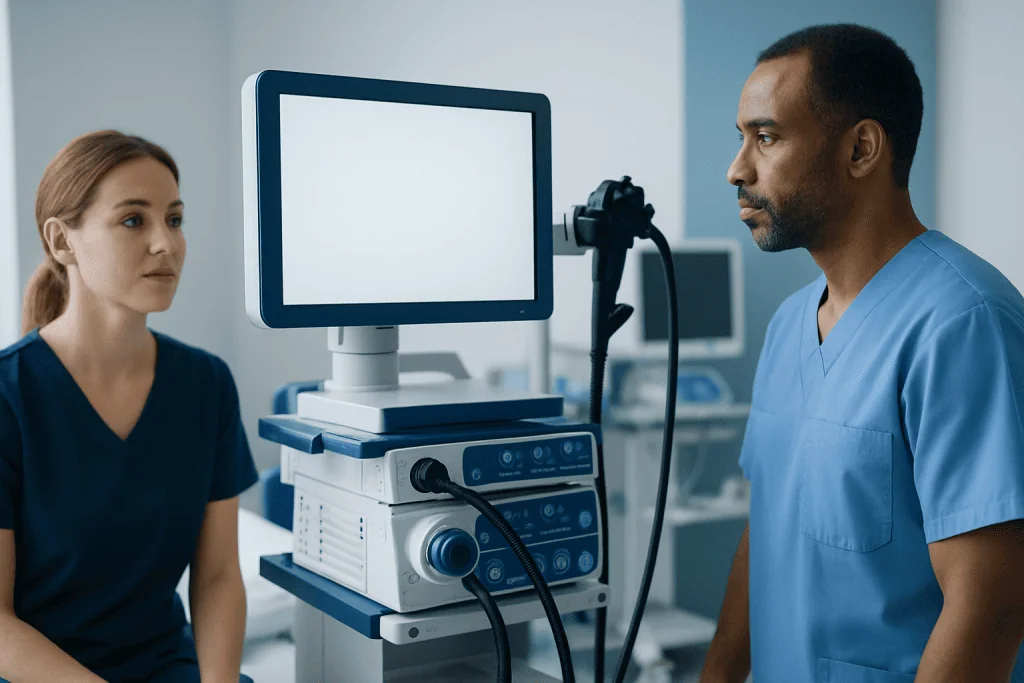
If symptoms are persistent or unexplained, imaging or endoscopic tests may be needed. Ultrasound or other imaging may be used when bile duct, liver, or gallbladder problems are possible. For patients with ongoing diarrhea, bleeding, or concern for inflammatory bowel disease, a doctor may recommend colonoscopy to examine the colon directly.
Treatment Options
Treatment depends entirely on the cause. If the white material is due to food residue or harmless medication shells, no medical treatment may be needed beyond observation and, if helpful, adjusting diet or discussing medicines with a healthcare professional. Mild constipation-related mucus may improve with hydration, gradual fiber intake, and regular bowel habits.
When infection is responsible, care may include fluids, rest, and in some cases prescription treatment, depending on the organism. Inflammatory bowel conditions are managed with long-term medical care to reduce inflammation and control symptoms. If bile flow, the pancreas, or fat digestion is involved, treatment focuses on the underlying liver, gallbladder, pancreatic, or absorption problem.
Some patients need specialist evaluation by a gastroenterologist, especially when symptoms are recurrent or associated with weight loss, anemia, or blood in the stool. Diagnostic tools such as endoscopy or other gastrointestinal investigations may be used when upper digestive symptoms or malabsorption are suspected. In international centers such as Acibadem International, multidisciplinary specialists in JCI-accredited hospitals diagnose and treat digestive complaints for patients who need coordinated care.
Self-Care and Prevention
Not every episode of white material in stool can be prevented, but a few practical steps may help. Eating a balanced diet, chewing food well, drinking enough fluids, and staying physically active can support more regular bowel function. When constipation is a factor, gradual fiber intake may reduce straining and mucus production.
It is also helpful to review recent changes before assuming the worst. New vitamins, antacids, calcium products, fiber supplements, or modified-release medicines may explain pale residue in stool. Patients should not stop prescribed medication on their own, but they can ask a pharmacist or doctor whether a medicine is known to leave visible remnants.
Good food and hand hygiene can lower the risk of gastrointestinal infections. If oily, pale, or floating stools keep returning, it may help to keep a brief symptom diary noting foods, medications, and accompanying symptoms. This record can make a medical visit more productive and may help identify patterns related to gastroenterology evaluation.
When to Seek Medical Care
Medical advice is appropriate if white stuff in poop continues for more than a few days, happens repeatedly, or comes with diarrhea that does not improve. Ongoing changes in bowel habits, especially in adults who do not usually experience them, deserve attention even when symptoms seem mild.
Prompt medical care is especially important if the stool becomes pale or clay-colored more than once, or if there is blood, black stool, fever, dehydration, significant abdominal pain, vomiting, yellowing of the skin or eyes, or unexplained weight loss. These features can indicate a problem that needs testing rather than home observation.
If the person has a known digestive disease, weakened immunity, or recent travel-related diarrhea, contacting a doctor sooner is sensible. A qualified clinician can decide whether reassurance, testing, or referral is the safest next step.
Frequently asked questions
Is white stuff in poop always a sign of parasites?
No. Most white material in stool is not caused by parasites and is more often related to mucus, undigested food, or medication residue. Parasitic infections usually come with other symptoms such as diarrhea, cramping, nausea, or exposure risks, and they need medical testing to confirm.
Can mucus in stool be normal?
Yes, a small amount of mucus can be normal because the intestines naturally produce it to protect the bowel lining. It becomes more important when it is frequent, excessive, or accompanied by diarrhea, pain, blood, fever, or weight loss.
What foods can cause white specks in stool?
Foods such as nuts, seeds, coconut, onion, garlic, and some fibrous vegetables can appear as pale or white particles if they are not fully digested. This is more likely after eating quickly or not chewing thoroughly. A food-related cause is usually short-lived and not associated with significant illness symptoms.
What is the difference between white specks and pale stool?
White specks usually refer to small particles within otherwise normal stool, often from mucus, food, or medicine residue. Pale or clay-colored stool means the whole bowel movement looks light gray, tan, or chalky, which can suggest reduced bile and should be assessed if it persists.
Should someone worry if white stuff in poop happens only once?
A one-time episode without pain, diarrhea, fever, blood, or other symptoms is often not serious. Watching for recurrence and thinking about recent foods or medicines can be reasonable. If it keeps happening or new symptoms appear, a doctor should be consulted.
Can medications cause white material in stool?
Yes. Some tablets, capsules, antacids, fiber supplements, and calcium-containing products can leave visible residue in stool. A pharmacist or doctor can explain whether a specific medicine may do this, and patients should not stop prescribed treatment without advice.
This article is for general information only and is not a substitute for professional medical advice. Please consult a qualified doctor about your individual situation.
Explore treatments in Turkey — costs, top hospitals & a free quote
JCI-accredited · board-certified surgeons · reply within 24h
Add us as a Preferred Source to see more of our trusted health content across Google Search, AI Overviews and Discover.

More from the Health Library

Primidone — Explained by Medical Evidence, Not Myths

Jaw Is Wired Shut: What Patients Need to Know

Hyperdontia — Explained by Medical Evidence, Not Myths

Pulmonary Valve — Explained by Medical Evidence, Not Myths

Transfeminine — Explained by Medical Evidence, Not Myths