Who Is a Good Candidate for Telemedicine?
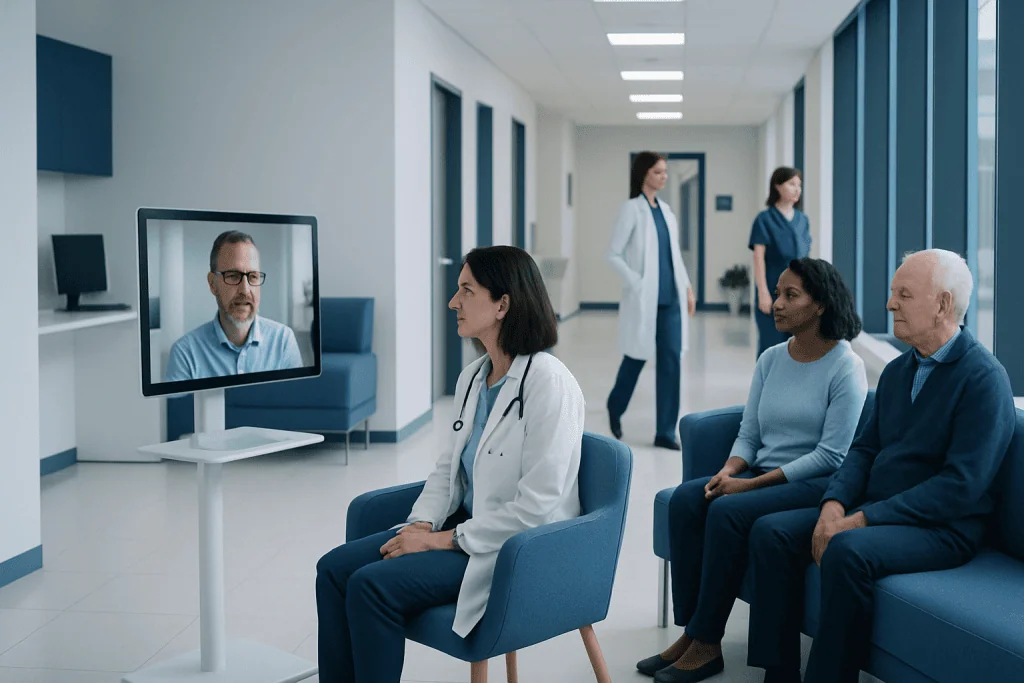
Telemedicine works well for many routine, follow-up, and non-urgent health concerns. It is often a good option for medication reviews, chronic disease check-ins, mental health care, and reviewing test results.
Key Takeaways
- Telemedicine works well for many routine, follow-up, and non-urgent health concerns.
- It is often a good option for medication reviews, chronic disease check-ins, mental health care, and reviewing test results.
- Telemedicine is not suitable for medical emergencies or situations that require a hands-on physical examination or urgent testing.
- A good internet connection, a private space, and clear communication help make virtual visits more effective.
- A doctor can advise whether a concern can be managed online or should be assessed in person.
Telemedicine can be a practical, safe option for many routine healthcare needs, especially when travel, time, or mobility make in-person visits harder. The best candidates are people with non-emergency concerns that can be assessed through conversation, visual review, and shared health information.
Overview: What Telemedicine Is and Who It Helps
Telemedicine is healthcare delivered remotely using phone or video technology. It allows a patient and clinician to speak, review symptoms, discuss treatment plans, and share medical information without being in the same room. In many cases, telemedicine can save time, reduce travel, and make care more accessible while still supporting safe medical decision-making.
A good candidate for telemedicine is usually someone with a non-emergency health concern that can be evaluated through history-taking, observation, and discussion. This includes many routine appointments, follow-up visits, and questions about ongoing treatment. Telemedicine can be especially helpful for people who live far from a clinic, have busy schedules, have limited mobility, or need easier access to specialists.
Telemedicine is not meant to replace every type of medical care. Some symptoms and conditions need a physical examination, imaging, blood tests, or immediate treatment in person. The most suitable candidates are those whose needs match what virtual care can realistically provide.
Situations Where Telemedicine Is Often a Good Fit
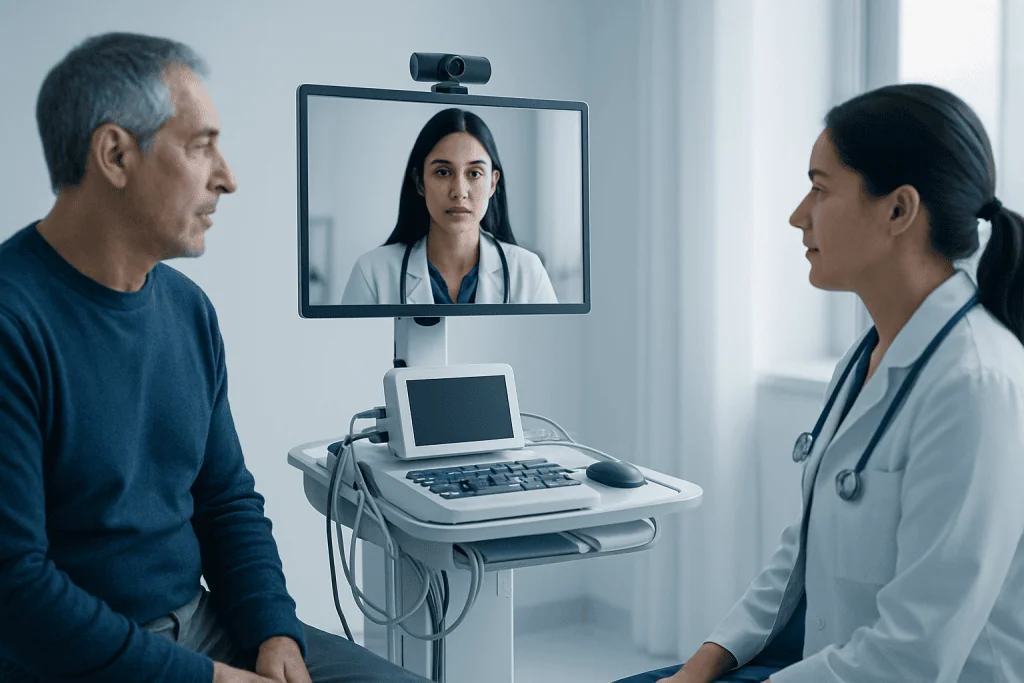
Many common healthcare needs can be managed well through a virtual appointment. Telemedicine is often useful for reviewing symptoms, deciding on next steps, discussing treatment options, and monitoring progress over time. It can also help patients get guidance sooner, which may support earlier diagnosis or timely referral for in-person care when needed.
Good candidates often include people seeking help for concerns such as mild cold or flu-like symptoms, allergies, skin rashes visible on camera, medication side effects, sleep concerns, digestive complaints, or questions about test results. It is also commonly used for ongoing care, including blood pressure follow-up, diabetes management, thyroid reviews, and postoperative or post-treatment check-ins when a doctor does not need to examine the patient directly.
Mental health care is another area where telemedicine may be especially helpful. Counseling, psychotherapy, and medication follow-up can often be done effectively online in a private setting. Virtual visits can also support patients managing long-term conditions such as diabetes or high blood pressure, where regular communication and monitoring are important.
- Routine follow-up appointments
- Medication reviews and renewals when appropriate
- Discussion of lab or imaging results
- Management of stable chronic conditions
- Mental health consultations
- Second opinions and care planning
Who May Benefit Most From Virtual Care
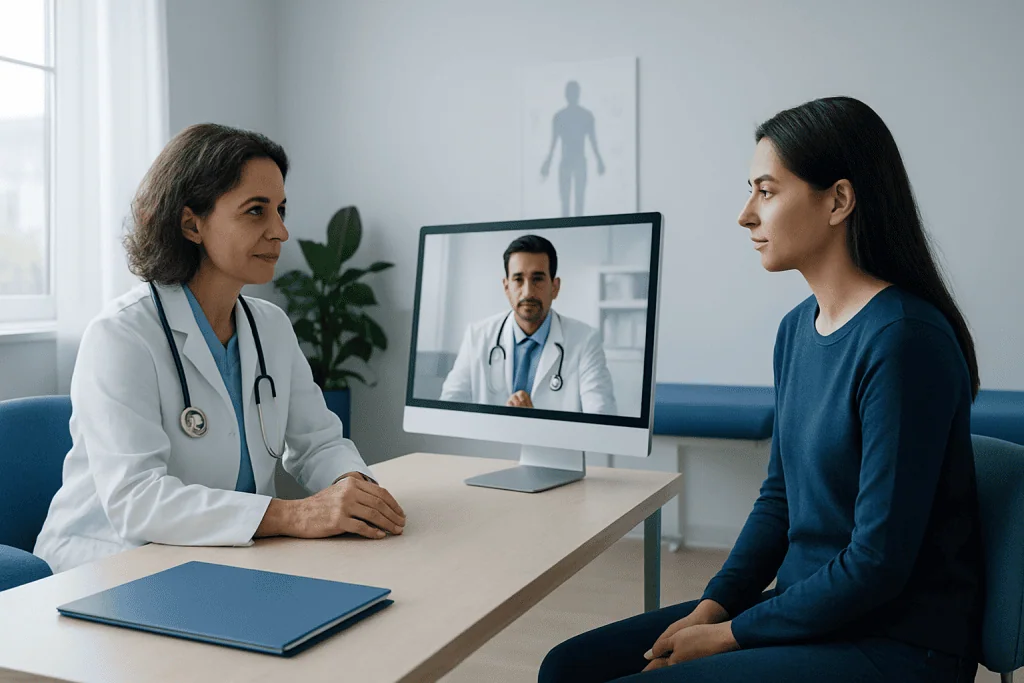
Some groups of patients may benefit from telemedicine more than others. People living in rural or remote areas may find it easier to connect with specialists without long travel times. Individuals with reduced mobility, chronic pain, disability, or temporary recovery needs may also appreciate being able to consult a doctor from home.
Parents of children with straightforward, non-urgent concerns may find virtual care convenient, especially for follow-up questions or advice on whether an in-person assessment is needed. Working adults and caregivers often value telemedicine because it can reduce time away from work or family responsibilities. International patients may also use telemedicine before traveling for care, to discuss medical records and understand whether in-person treatment is necessary.
Telemedicine can also be helpful for people who need continuity of care after diagnosis or treatment. For example, reviewing a plan after check-up and diagnostics or discussing rehabilitation goals after physical therapy and rehabilitation may be well suited to a virtual setting, depending on the clinical situation.
When Telemedicine May Not Be the Right Choice
Telemedicine is not appropriate for emergencies. Symptoms such as chest pain, severe shortness of breath, signs of stroke, major injury, heavy bleeding, seizures, or sudden confusion require urgent in-person medical attention. In these cases, emergency services or the nearest emergency department should be contacted without delay.
Virtual care may also be less suitable when a doctor needs to perform a hands-on physical examination. Examples include listening to the heart or lungs, examining the abdomen, checking a joint in detail, or carrying out a procedure. Some concerns may seem minor at first but still require tests such as blood work, an electrocardiogram, or imaging before a diagnosis can be made.
Other factors can also make telemedicine harder to use effectively, such as poor internet connection, limited access to technology, hearing or language barriers without support, or lack of a private place to talk openly. In these situations, a phone call, assisted virtual visit, or in-person appointment may be a better choice.
How Doctors Decide if a Patient Is a Good Candidate
Whether telemedicine is appropriate depends on the patient’s symptoms, medical history, and the goals of the visit. Doctors first consider urgency: is this a possible emergency, or can it safely be assessed remotely? They then consider whether the issue can be understood through conversation, visible observation, home health data, and available test results.
Home measurements can make telemedicine more useful. If a patient can share blood pressure readings, temperature, blood sugar values, pulse oximeter readings, or photographs of a skin concern, the clinician may be able to make a better assessment. This does not replace an examination when one is necessary, but it can support decision-making and follow-up care.
Doctors also consider whether the virtual visit is part of an ongoing care pathway. For example, telemedicine may be used to review preparation for MRI or to discuss whether cardiology check-up testing is needed after symptoms are described. If remote assessment is not enough, the patient is usually advised to attend an in-person clinic or hospital visit.
How to Prepare for a Successful Telemedicine Visit
Preparation can improve the quality of a virtual appointment. Patients are usually encouraged to choose a quiet, private place with good lighting and a reliable internet or phone connection. Logging in a few minutes early and checking the camera, microphone, and app settings can help avoid technical delays.
It also helps to have key information ready. This may include a list of symptoms, when they started, current medications, allergies, past medical conditions, and any recent test results. If the appointment is about a visible issue such as a rash or swelling, clear photos taken beforehand may be useful if the clinic allows secure image sharing.
During the visit, clear communication is important. Patients should describe symptoms honestly, mention anything that has changed, and ask questions if advice is unclear. If the doctor recommends an in-person assessment, urgent evaluation, or additional testing, that next step should be followed promptly for safety.
Benefits, Limits, and the Role of In-Person Care
For the right candidate, telemedicine offers meaningful benefits. It can reduce travel and waiting times, improve access to specialists, and make follow-up care easier to maintain. It may also encourage patients to seek advice earlier for non-urgent concerns rather than delaying care.
At the same time, telemedicine has clear limits. A virtual visit cannot fully replace the information a clinician gains from touching an area, listening to body sounds, or performing a procedure. The safest approach is not to see telemedicine and in-person care as competing options, but as tools that work together.
Many healthcare systems now use a blended model, where virtual visits support triage, education, follow-up, and care coordination, while in-person appointments are used when examination, testing, or treatment is needed. Near the end of a care journey, patients may also use telemedicine to stay in touch with their team. Acibadem International’s multidisciplinary specialists and JCI-accredited hospitals also provide diagnosis and treatment pathways for international patients, with telemedicine helping guide when hospital-based care is appropriate.
When to Seek Medical Advice Promptly
Even if a person is generally a good candidate for telemedicine, some symptoms should not wait for a routine virtual appointment. Worsening pain, high fever, difficulty breathing, dehydration, fainting, severe headache, sudden weakness, or symptoms that rapidly change should be assessed urgently. Parents should seek prompt medical advice if a child appears unusually drowsy, has breathing difficulty, or is not drinking fluids well.
It is also sensible to seek in-person care if symptoms continue despite treatment, if the diagnosis remains unclear, or if a doctor specifically recommends examination or testing. A virtual visit can still be a useful first step in many situations, but the safest care plan is the one that matches the medical need.
Anyone unsure whether telemedicine is suitable can contact a healthcare provider and describe the problem. The care team can usually advise whether an online consultation is appropriate or whether the person should be seen face to face.
Frequently asked questions
What makes someone a good candidate for telemedicine?
A good candidate usually has a non-emergency concern that can be assessed through discussion, observation, and review of medical information. Telemedicine is often suitable for routine follow-up, medication reviews, stable chronic conditions, and many mental health appointments.
Can telemedicine replace an in-person doctor visit?
Not completely. Telemedicine can handle many routine or follow-up needs, but it cannot replace situations where a doctor needs to examine the body, perform a procedure, or order urgent tests. Many patients benefit most from a combination of virtual and in-person care.
Is telemedicine safe for older adults?
Yes, many older adults can use telemedicine safely, especially for follow-up care and chronic disease management. It may be particularly helpful for those with mobility challenges, although support with technology or communication may sometimes be needed.
What conditions are commonly managed through telemedicine?
Common examples include medication follow-up, allergies, minor infections, skin concerns visible on camera, mental health care, and monitoring of stable conditions such as diabetes or high blood pressure. A doctor will decide whether the problem can be safely managed online or needs in-person assessment.
When should telemedicine not be used?
Telemedicine should not be used for emergencies such as chest pain, severe breathing problems, stroke symptoms, major injury, or heavy bleeding. It may also be unsuitable when a hands-on physical examination or immediate testing is needed.
What should a patient prepare before a telemedicine appointment?
It helps to prepare a symptom list, medication list, recent readings such as blood pressure or temperature if available, and any relevant test results. A quiet private space, good lighting, and a reliable device or phone connection can make the visit smoother and more effective.
References
- World Health Organization
- American Medical Association
- Centers for Disease Control and Prevention
- National Health Service
- Mayo Clinic
This article is for general information only and is not a substitute for professional medical advice. Please consult a qualified doctor about your individual situation.
Explore treatments in Turkey — costs, top hospitals & a free quote
JCI-accredited · board-certified surgeons · reply within 24h
Add us as a Preferred Source to see more of our trusted health content across Google Search, AI Overviews and Discover.
Check your numbers in seconds
BMI, calories, due date, blood pressure and 30+ more clinical calculators — free, instant, doctor-reviewed ranges.

More from the Health Library



Related Specialists

Assoc. Prof. Dr. Oğuz Durakbaşa
Orthopedic Surgery & Traumatology
Dr. Mehmet Gürcan
Orthopedic Surgery & Traumatology
Dr. Uğur Kaya
Cardiovascular Surgery
Assoc. Prof. Dr. Tunç Özdemir
Pediatric Surgery