Why Am I Getting Headaches Everyday All of a Sudden? Causes, Explanations, and Next Steps
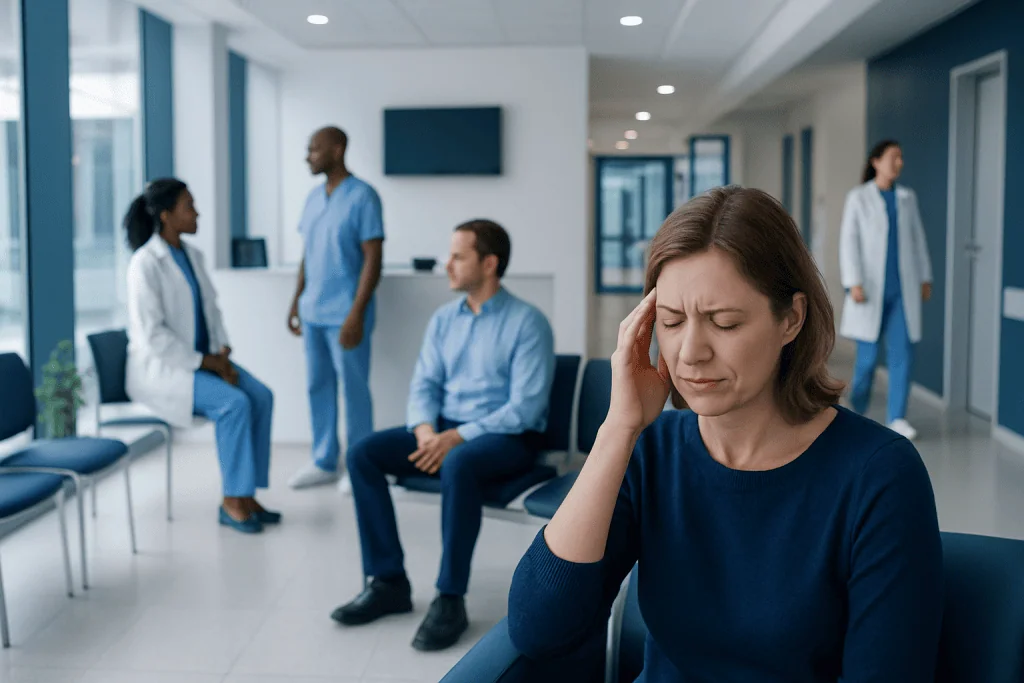
A sudden change to daily headaches is often harmless but should not be ignored. Common triggers include stress, lack of sleep, dehydration, eye strain, caffeine changes, and overuse of pain relievers.
Key Takeaways
- A sudden change to daily headaches is often harmless but should not be ignored.
- Common triggers include stress, lack of sleep, dehydration, eye strain, caffeine changes, and overuse of pain relievers.
- Red flags include a thunderclap headache, fever, weakness, confusion, vision loss, head injury, or a new headache after age 50.
- Doctors diagnose new daily headaches by reviewing the pattern, checking for warning signs, and ordering tests only when needed.
- Treatment depends on the cause and may include lifestyle changes, trigger management, and targeted medical care.
Getting headaches every day all of a sudden is often linked to common, treatable issues such as stress, dehydration, poor sleep, caffeine changes, or medication overuse. Still, a new daily headache pattern deserves attention, especially if it is severe, unusual, or comes with neurological symptoms.
Overview: why daily headaches can start suddenly
If someone starts wondering, “why am I getting headaches everyday all of a sudden,” the answer is often reassuring. In many people, a new run of daily headaches is related to common problems such as stress, poor sleep, dehydration, skipped meals, caffeine changes, eye strain, or frequent use of pain medicines. These causes can be uncomfortable but are often manageable once the pattern is recognized.
At the same time, a headache that becomes daily is a change worth noticing. Even when the cause is not dangerous, the shift from occasional headaches to a daily pattern can affect work, mood, concentration, and sleep. It may also signal a primary headache disorder such as tension-type headache or migraine, including migraine, that has become more frequent.
The most helpful way to think about sudden daily headaches is in three steps: first, most cases are not emergencies; second, certain warning signs do need prompt medical review; and third, a doctor can usually narrow down the cause by asking careful questions about timing, symptoms, triggers, and medication use. That step-by-step approach helps separate common everyday triggers from the less common but more serious causes.
Common symptoms and patterns doctors look for
Not all daily headaches feel the same, and the pattern can give important clues. Some headaches cause a steady band-like pressure around the forehead or back of the head, which may fit tension-type headaches. Others cause throbbing pain, nausea, sensitivity to light or sound, or worsening with activity, which may point more toward migraine.
Doctors also ask whether the pain is on one side or both, how long each headache lasts, and whether the person wakes up with the pain or develops it later in the day. Headaches linked to dehydration, missed meals, posture, stress, or screen time often build gradually. A headache that is worst on waking, changes with coughing or straining, or appears abruptly and severely can raise different concerns.
Symptoms that can occur along with daily headaches include:
- Neck tightness or scalp tenderness
- Fatigue and trouble concentrating
- Nausea or vomiting
- Sensitivity to light, sound, or smells
- Visual changes such as blurring, flashing lights, or eye strain
- Dizziness, sinus pressure, or facial discomfort
Keeping track of these details can be very helpful. A simple headache diary that notes sleep, meals, stress, caffeine, medicines, and menstrual cycles can reveal patterns that are easy to miss in day-to-day life.
Frequent everyday causes of a new daily headache

One of the most common explanations is a cluster of lifestyle changes that happened around the same time. Stress can tighten head and neck muscles, disrupt sleep, and make a person more sensitive to pain. Dehydration, skipping meals, long hours at a screen, poor posture, and sudden changes in caffeine intake can all lower the threshold for headaches.
Medication overuse is another important cause that many people do not expect. Taking over-the-counter pain relievers or even some prescription headache medicines too often can lead to a rebound pattern, where headaches return as the medication wears off. In that situation, the headache is real, but the repeated treatment can help keep the cycle going.
Other possible causes include sinus or upper respiratory illness, teeth grinding, temporomandibular joint strain, untreated vision problems, and sleep disorders such as poor-quality sleep or sleep apnea. Hormonal shifts, especially around menstruation or perimenopause, can also make headaches occur more often. Some people develop a condition called new daily persistent headache, where headaches begin clearly and then continue every day.
Less commonly, headaches may be related to secondary causes such as high blood pressure, infection, inflammation, head injury, or structural problems that need medical assessment. This is why the full context matters more than the headache alone.
When a sudden daily headache needs urgent medical care
Most new daily headaches are not caused by a life-threatening condition, but some red flags should not be ignored. A person should seek urgent medical attention for a sudden, explosive “worst headache of my life,” especially if it reaches peak intensity within seconds to minutes. This kind of thunderclap headache can signal bleeding around the brain or another serious problem.
Medical review is also important right away if headache happens with weakness, numbness, facial drooping, confusion, fainting, seizures, trouble speaking, new severe dizziness, or vision loss. Fever, a stiff neck, rash, or a new headache after a head injury also need prompt care. These features may suggest infection, bleeding, stroke, or another urgent condition.
Even without emergency symptoms, a person should arrange a doctor visit soon if the headache is new after age 50, is steadily worsening, wakes them from sleep, is triggered by coughing or straining, occurs during pregnancy or after delivery, or appears in someone with cancer or a weakened immune system. A new headache pattern in these settings deserves careful assessment rather than watchful waiting.
How doctors diagnose a new pattern of daily headaches
Diagnosis starts with a detailed conversation rather than a scan. A doctor will ask when the headaches began, how quickly the change happened, where the pain is located, what it feels like, how long it lasts, and what symptoms come with it. They will also ask about stress, sleep, diet, hydration, caffeine, screen use, menstrual cycles, recent illness, and all medicines, including over-the-counter pain relievers and supplements.
A physical and neurological examination helps look for clues such as neck stiffness, sinus tenderness, vision changes, weakness, reflex changes, or signs of increased pressure inside the skull. Blood pressure may be checked, and an eye exam may be advised if there are visual symptoms or concern about pressure-related headaches.
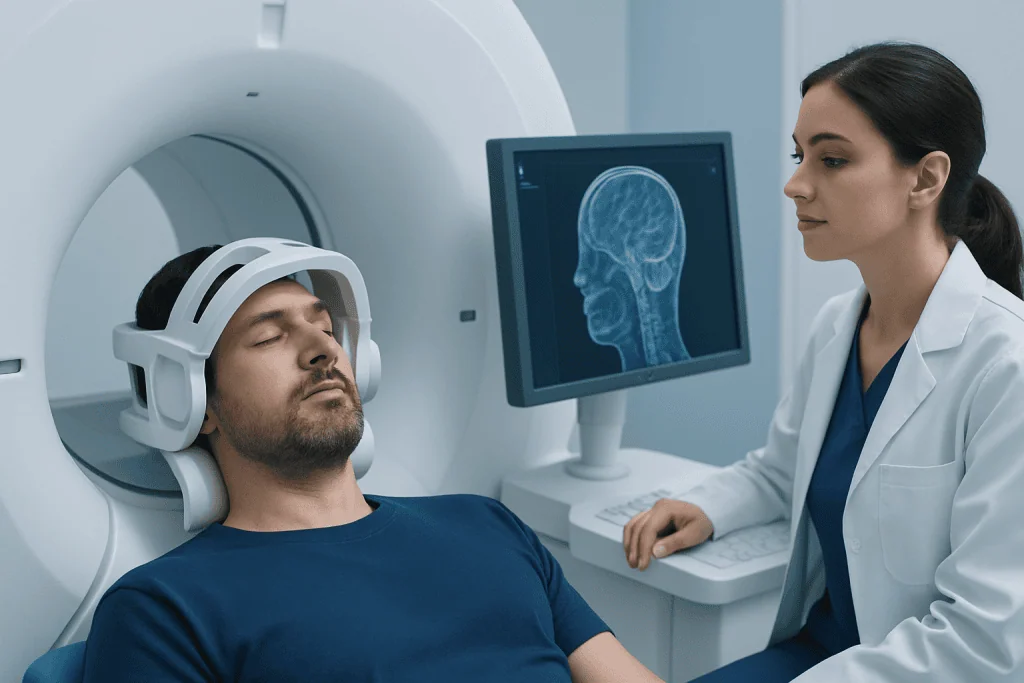
Tests are not needed for everyone. If the history sounds like a primary headache disorder and there are no red flags, many people do not need urgent imaging. If warning signs are present, a doctor may recommend blood tests, an eye assessment, or brain imaging such as MRI or CT scan to rule out bleeding, masses, inflammation, or other structural causes. In selected cases, referral to neurology evaluation is the most appropriate next step, especially if headaches are frequent, difficult to control, or linked to other neurological symptoms.
Treatment and next steps for relief
Treatment depends on the cause. If the pattern is related to stress, sleep disruption, dehydration, skipped meals, or muscle tension, improving those factors may reduce headaches significantly. If medication overuse is suspected, the treatment plan often involves reviewing how often pain medicines are being used and creating a safer strategy under medical guidance.
For primary headache disorders, treatment may include acute medicines taken at the start of a headache and preventive treatment to reduce how often headaches happen. Preventive care can involve medication, exercise, regular sleep, trigger management, relaxation training, and treatment for associated issues such as anxiety, depression, jaw clenching, or sleep problems. When symptoms fit a recurring pattern such as tension headache, targeted treatment can be more effective than taking pain relievers repeatedly without a plan.
Some people benefit from addressing contributing conditions such as sinus disease, vision problems, posture-related neck strain, or hormone-related triggers. The goal is not only to stop the current headache but also to break the daily cycle and reduce the chance that occasional headaches become chronic.
Near the end of this process, specialist input can be helpful for persistent or complex cases. Acibadem International’s multidisciplinary specialists and JCI-accredited hospitals diagnose and treat headache disorders for international patients when further assessment is needed.
Self-care, prevention, and what to monitor
When no urgent warning signs are present, basic self-care can make a real difference. Drinking enough fluids, eating regular meals, limiting long gaps without food, and keeping caffeine intake consistent can all help. Good sleep habits are especially important because both too little and too much sleep can trigger headaches in some people.
Screen breaks, posture support, and gentle stretching for the neck and shoulders may help people whose headaches build through the day. Stress reduction does not have to be complicated; even short daily routines such as walking, breathing exercises, or structured relaxation can lower headache frequency over time. It is also wise to avoid taking over-the-counter pain relievers more often than advised by a doctor, because frequent use can worsen the pattern.
A headache diary is one of the most useful tools for prevention and diagnosis. It can include the time the headache starts, severity, location, associated symptoms, sleep quality, meals, hydration, caffeine, menstrual cycle, stress level, and medicines taken. This record often helps both the patient and the doctor identify practical next steps.
If headaches continue beyond a short period, become more frequent, or begin interfering with daily life, it is sensible to book a medical review rather than self-treat indefinitely. Early evaluation can shorten the time to effective care and provide reassurance when the cause is benign.
Frequently asked questions
Why am I getting headaches everyday all of a sudden if I never used to?
A sudden change to daily headaches is often caused by common factors such as stress, dehydration, poor sleep, skipped meals, eye strain, caffeine changes, or medication overuse. Even so, a new pattern should be taken seriously if it is severe, unusual, or persistent, because it may need medical evaluation.
Can stress really cause headaches every day?
Yes. Stress can tighten muscles, disturb sleep, change eating habits, and make the nervous system more sensitive to pain, all of which can contribute to frequent headaches. Stress-related headaches are common, but daily symptoms that continue should still be reviewed if they are affecting normal life.
When should someone worry about a daily headache?
A person should seek urgent care if the headache is sudden and explosive, follows a head injury, or comes with weakness, confusion, fainting, seizures, fever, stiff neck, or vision loss. It is also important to arrange medical review for a new headache after age 50, during pregnancy, or if the pattern is steadily worsening.
Can taking painkillers too often make headaches worse?
Yes. Frequent use of headache medicines, including some over-the-counter options, can lead to medication-overuse or rebound headaches. This creates a cycle in which the medicine helps briefly but the headache returns, so it is best to discuss regular use with a doctor.
Will a doctor always order a brain scan for new daily headaches?
Not always. If the history and examination fit a primary headache disorder and there are no red flags, imaging may not be necessary. Scans are more likely when there are warning signs, neurological symptoms, or an unusual pattern that needs further investigation.
What is the best thing to do at home while waiting for an appointment?
It can help to rest, stay hydrated, eat regularly, avoid sudden caffeine changes, and keep a simple headache diary. People should also note how often they use pain relievers and avoid exceeding medical advice, because overuse can make headaches more frequent.
This article is for general information only and is not a substitute for professional medical advice. Please consult a qualified doctor about your individual situation.
Explore treatments in Turkey — costs, top hospitals & a free quote
JCI-accredited · board-certified surgeons · reply within 24h
Add us as a Preferred Source to see more of our trusted health content across Google Search, AI Overviews and Discover.
Check your numbers in seconds
BMI, calories, due date, blood pressure and 30+ more clinical calculators — free, instant, doctor-reviewed ranges.

Neurosurgery Specialists at Acibadem





More from the Health Library

Nausea Night Time Explained: Common Triggers and Red Flags

Can You Get a Spot on Your Lip? Here Is What the Evidence Says

Are All Babies Born with Blue Eyes? A Doctor-Reviewed Answer
How Much Creatine Should I Take? Causes, Explanations, and Next Steps

Does Thai Tea Have Caffeine? A Doctor-Reviewed Answer