Why Am I So Bloated I Look Pregnant? Here Is What the Evidence Says

Most noticeable bloating is related to gas, slowed digestion, constipation, or sensitivity to certain foods. The feeling of looking pregnant can come from true abdominal distension, not only from weight gain.
Key Takeaways
- Most noticeable bloating is related to gas, slowed digestion, constipation, or sensitivity to certain foods.
- The feeling of looking pregnant can come from true abdominal distension, not only from weight gain.
- Red flags include severe pain, vomiting, fever, blood in the stool, unexplained weight loss, or bloating that is new and persistent.
- Doctors usually diagnose the cause by combining symptom history, abdominal examination, and targeted tests rather than one single test.
- Treatment depends on the cause and may involve diet changes, constipation treatment, managing reflux or IBS, or evaluating gynecologic causes.
A swollen, tight abdomen that makes someone feel or look pregnant is very often caused by gas, constipation, food intolerance, or hormonal changes rather than a dangerous illness. Still, persistent, painful, or rapidly worsening bloating deserves medical attention, especially if it comes with red-flag symptoms such as vomiting, weight loss, fever, or trouble passing stool or gas.
Overview: why bloating can make the abdomen look much larger
If someone is asking, “why am I so bloated I look pregnant,” the reassuring answer is that this is commonly caused by a temporary buildup of gas, stool, or fluid shifts in the digestive tract rather than by pregnancy-sized growth or dangerous disease. The abdomen can expand noticeably when the intestines stretch, when digestion slows, or when abdominal muscles become tense and less coordinated, creating a visible rounded stomach.
That said, not all bloating is the same. Some people mainly feel pressure, fullness, or tightness after meals, while others develop true abdominal distension that is visible by the end of the day. The pattern matters: brief bloating after eating is often functional and manageable, but bloating that is new, persistent, worsening, or associated with pain or bowel changes should be assessed by a doctor.
A useful way to think about bloating is to separate common, harmless triggers from red flags. Common triggers include overeating, constipation, swallowing air, food intolerance, irritable bowel syndrome, and hormone-related water retention. Red flags include severe or ongoing pain, vomiting, fever, gastrointestinal bleeding, unexplained weight loss, or a swollen abdomen that stays enlarged instead of coming and going.
What bloating feels like and how it may show up
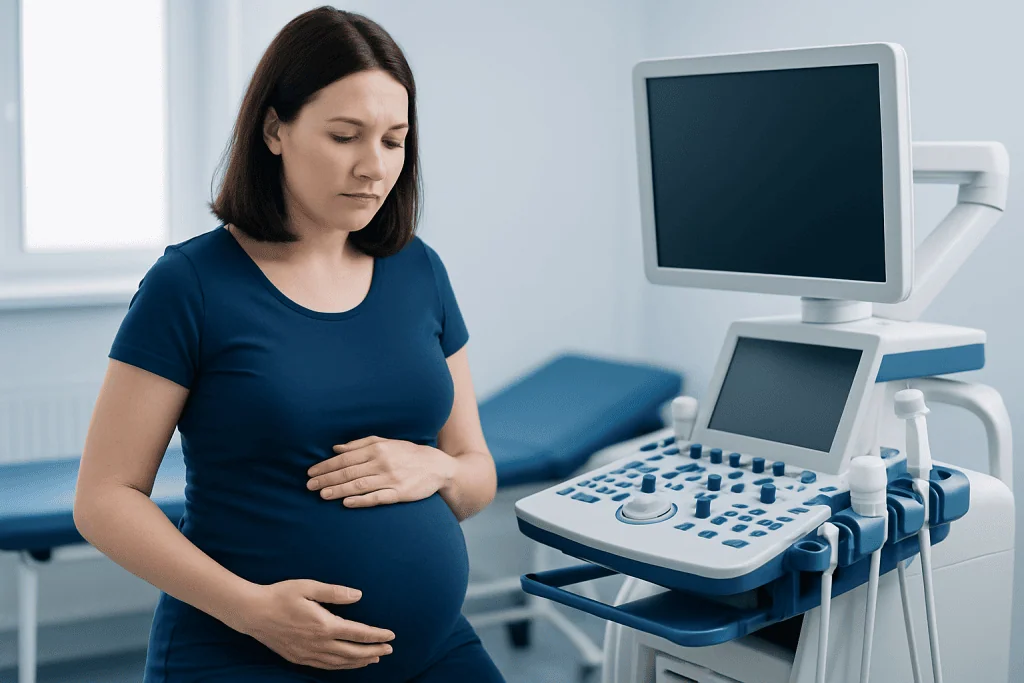
Bloating may cause a tight, stretched, or heavy feeling in the belly. Some people notice gurgling, excessive burping, flatulence, or discomfort after meals. Others feel that their clothes fit normally in the morning but become tight by evening, which can happen when gas and intestinal contents build up through the day.
Visible abdominal distension can occur with or without much pain. In functional bloating, the abdomen may protrude more at certain times, especially after large meals, high-salt foods, or during the menstrual cycle. When constipation is part of the problem, people may also feel incomplete emptying, pass hard stools, or go several days without a bowel movement.
Symptoms that suggest the need for closer evaluation include:
- bloating that is present most days for several weeks
- rapidly increasing abdominal size
- significant abdominal pain or cramping
- nausea or vomiting
- diarrhea or constipation that is new or persistent
- blood in the stool, black stools, fever, or weight loss
- shortness of breath, leg swelling, or a sense of abdominal fluid buildup
Common causes: from gas and constipation to hormones and food triggers

The most common causes of a bloated abdomen are digestive rather than structural. Gas can accumulate when gut bacteria ferment carbohydrates, especially in people sensitive to beans, onions, wheat, some fruits, dairy, sugar alcohols, or carbonated drinks. Eating quickly, chewing gum, drinking through a straw, or talking while eating can increase swallowed air and worsen the sensation of abdominal fullness.
Constipation is another major cause. When stool remains in the colon for too long, it can lead to pressure, distension, reduced appetite, and discomfort. Irritable bowel syndrome, especially irritable bowel syndrome, often combines bloating with constipation, diarrhea, or both. Gastroesophageal symptoms can overlap too, and some people with gastroesophageal reflux disease also report upper abdominal pressure or fullness after meals.
Food intolerances are common and may be mistaken for a more serious problem. Lactose intolerance, sensitivity to fermentable carbohydrates, or less commonly celiac disease can all produce bloating. Hormonal changes may also contribute, especially before menstruation, during perimenopause, or in conditions that affect the ovaries. In some cases, abdominal wall muscle patterns and gut-brain signaling make the abdomen push outward more than expected, even without a large increase in gas volume.
Less commonly, bloating can be related to bowel obstruction, inflammatory bowel disease, liver disease with fluid accumulation, pancreatic disorders, or gynecologic conditions such as ovarian cysts. These causes are not the most likely explanation for occasional bloating, but they become more important when symptoms are persistent, progressive, or accompanied by warning signs.
When to seek medical care
Medical review is important if bloating is severe, sudden, or does not improve over time. A person should seek prompt care if the abdomen is swollen and painful, if they cannot pass stool or gas, if vomiting is persistent, or if the belly becomes firm and rapidly enlarged. These features can point to a blocked bowel or another urgent problem.
A non-urgent but timely appointment is also sensible when bloating lasts more than a few weeks, keeps returning, or is associated with changes in bowel habits, appetite loss, unexplained weight loss, anemia, rectal bleeding, fever, or nighttime symptoms. In women, persistent bloating together with pelvic pain, feeling full quickly, or urinary urgency should be assessed rather than assumed to be a simple digestive issue.
Even when no emergency signs are present, ongoing symptoms can affect nutrition, sleep, work, and emotional well-being. A clinician can help separate common functional causes from conditions that need specific treatment, and can advise whether referral for gastroenterology evaluation or gynecologic assessment would be helpful.
How doctors find the cause
Doctors usually start by asking when the bloating began, whether it comes and goes, and what makes it better or worse. The timing offers clues: symptoms that worsen after certain foods may suggest intolerance, while a gradual change with constipation may point to slowed bowel movement. A menstrual history, medication review, past surgery, and family history are also important because they can change the list of likely causes.
The physical examination looks for abdominal tenderness, bowel sounds, constipation, hernia, masses, and signs of fluid retention. A doctor may ask whether the swelling is greater after meals or by evening, and whether there are related symptoms such as reflux, diarrhea, pelvic pressure, or back pain. This step helps determine whether the problem seems digestive, gynecologic, urinary, or more systemic.
Tests are chosen based on the individual situation rather than ordered routinely for everyone. They may include blood tests for anemia or inflammation, stool tests, pregnancy testing when appropriate, and testing for celiac disease or lactose intolerance. Imaging such as ultrasound or other abdominal imaging may be used if there is pain, a mass, suspected fluid, or concern for a structural cause. Some people benefit from endoscopy or colon evaluation, especially when there are alarm symptoms or age-related screening needs.
If symptoms suggest a functional digestive disorder, the doctor may not need extensive testing immediately. Instead, they may recommend tracking symptoms, bowel habits, and food triggers while trying targeted measures. This practical approach often identifies patterns that are not obvious at first.
Treatment options depend on the reason for the bloating
Treatment is most effective when it matches the cause. For gas-related bloating, reducing carbonated drinks, eating more slowly, and limiting individual trigger foods may help. If constipation is driving the problem, improving hydration, reviewing fiber intake, increasing movement, and using doctor-recommended constipation treatment can reduce abdominal pressure over time.
People with frequent bloating related to irritable bowel syndrome may be advised to try a structured diet approach, sometimes including a short-term low-FODMAP plan guided by a professional. Reflux-related upper abdominal fullness may improve when the underlying reflux is treated, and persistent or unexplained symptoms may require endoscopy to look more closely at the upper digestive tract. If a food intolerance is suspected, careful elimination and reintroduction is usually safer and more informative than removing many foods at once.
When there is a gynecologic, liver, pancreatic, or obstructive cause, treatment focuses on that condition rather than on bloating alone. This is why self-diagnosis can be limiting when symptoms are ongoing. At the end of a proper assessment, many people feel reassured to learn that the cause is functional and manageable, while others benefit from early treatment of an underlying medical issue.
For international patients who need further assessment, Acibadem International’s multidisciplinary specialists and JCI-accredited hospitals diagnose and treat digestive and related conditions, including coordinated access to imaging and specialist care.
Self-care and prevention strategies that may help
Keeping a simple symptom diary can be one of the most useful first steps. Recording meals, bowel movements, menstrual timing, stress, and the times of day bloating is worst may reveal patterns such as dairy intolerance, late-evening overeating, or a link with constipation. This information can also make medical appointments more productive.
Practical lifestyle measures often reduce symptoms:
- eat smaller meals and chew slowly
- limit fizzy drinks and excess chewing gum
- stay physically active to support bowel movement
- drink enough fluids, especially if constipation is present
- increase fiber gradually rather than suddenly
- avoid lying down right after large meals
- review medications with a doctor if symptoms began after starting a new one
It is usually best to avoid very restrictive diets without medical guidance, because they may create nutritional gaps or make symptoms harder to interpret. If bloating remains frequent despite sensible changes, a clinician or dietitian can help determine whether there is a pattern of IBS, food intolerance, reflux, or another condition that needs more formal treatment.
Frequently asked questions
Why am I so bloated I look pregnant all of a sudden?
A sudden bloated appearance is often caused by gas, constipation, a large meal, hormonal changes, or temporary digestive upset. If the swelling is severe, painful, associated with vomiting, or does not settle, it should be assessed by a doctor.
Can constipation make the stomach look pregnant?
Yes. Constipation can cause stool buildup in the colon, leading to visible abdominal distension, pressure, and discomfort. It may improve with hydration, activity, and appropriate treatment, but persistent constipation should be evaluated.
Is bloating a sign of ovarian cancer?
Most bloating is not caused by ovarian cancer, and common digestive causes are much more likely. However, persistent bloating along with pelvic pain, early fullness, or urinary symptoms should be discussed with a doctor, especially if it is new and happens frequently.
How do I know if my bloating is just gas or something more serious?
Gas-related bloating often comes and goes, may worsen after certain foods, and may improve after passing gas or having a bowel movement. More serious causes become more likely when symptoms are persistent, progressive, very painful, or linked with vomiting, bleeding, fever, or weight loss.
What doctor should I see for severe or persistent bloating?
A primary care doctor is a good starting point because they can assess common causes and order initial tests. Depending on symptoms, they may refer to a gastroenterologist or, in some cases, a gynecologist for further evaluation.
Can stress cause bloating that looks dramatic?
Yes. Stress can affect gut movement, sensitivity, and abdominal muscle patterns, which may worsen bloating in people with functional digestive disorders. Stress is not the only cause, though, so persistent or concerning symptoms still deserve medical review.
References
- National Institute of Diabetes and Digestive and Kidney Diseases
- American College of Gastroenterology
- National Health Service
- Mayo Clinic
- Cleveland Clinic
This article is for general information only and is not a substitute for professional medical advice. Please consult a qualified doctor about your individual situation.
Medical weight-loss options in Turkey — costs & eligibility
JCI-accredited · board-certified surgeons · reply within 24h
Add us as a Preferred Source to see more of our trusted health content across Google Search, AI Overviews and Discover.