Why Am I Waking Up with Headaches? A Doctor-Reviewed Answer

Morning headaches are often harmless and may be related to sleep habits, snoring, jaw clenching, or dehydration. Poor sleep, obstructive sleep apnea, migraine, tension-type headache, and medication overuse are common medical explanations.
Key Takeaways
- Morning headaches are often harmless and may be related to sleep habits, snoring, jaw clenching, or dehydration.
- Poor sleep, obstructive sleep apnea, migraine, tension-type headache, and medication overuse are common medical explanations.
- Red flags include a sudden severe headache, weakness, confusion, fever, vision changes, or headaches after head injury.
- Doctors usually diagnose the cause by reviewing sleep, symptoms, triggers, medications, and sometimes ordering tests.
- Improving sleep routines, hydration, posture, and stress control can help reduce many waking headaches.
Waking up with a headache is common and is often related to sleep quality, muscle tension, teeth grinding, dehydration, or medication and caffeine patterns. Most causes are not dangerous, but a doctor should evaluate headaches that are new, severe, frequent, or linked with other warning signs.
Overview: why waking up with headaches happens
If a person wonders, why am I waking up with headaches, the answer is often reassuring. Many morning headaches are caused by everyday factors such as poor sleep, sleeping in an awkward position, jaw clenching, dehydration, or changes in caffeine use. These headaches can be uncomfortable, but they are not always a sign of a serious illness.
At the same time, a headache that appears regularly on waking can offer an important clue about sleep and overall health. Doctors often think not only about the head itself, but also about breathing during sleep, neck and shoulder tension, teeth grinding, blood pressure patterns, medications, and common primary headache disorders such as migraine or tension-type headache.
The most helpful way to think about morning headaches is to separate common, lower-risk causes from situations that need prompt assessment. New or worsening headaches, especially when paired with vomiting, neurological symptoms, fever, or a very sudden onset, should not be ignored. In many other cases, a careful medical review can identify a manageable trigger and guide effective treatment.
Common symptoms and patterns doctors look for
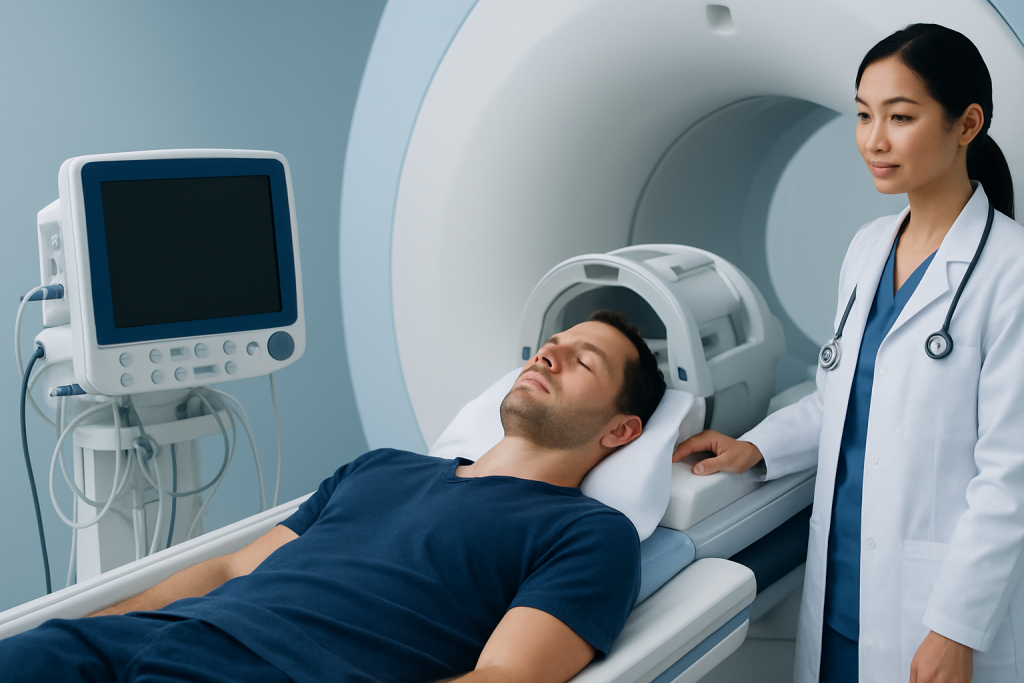
A morning headache can feel different from person to person. Some wake with a dull pressure around the forehead or back of the head. Others feel throbbing pain on one side, tightness in the neck and scalp, or a heavy headache that improves after getting up, drinking water, stretching, or having breakfast or coffee.
The timing and pattern matter. Doctors often ask whether the headache is present immediately on waking, appears after several minutes, or develops after a poor night’s sleep. They also ask how long it lasts, whether it happens every day or only occasionally, and whether it improves during the morning. These details can point toward tension, migraine, teeth grinding, sleep apnea, or medication-related causes.
Associated symptoms are also important. A person may notice:
- Snoring, dry mouth, or pauses in breathing during sleep
- Jaw soreness or tooth sensitivity from clenching
- Neck stiffness or shoulder tightness
- Nausea, light sensitivity, or sound sensitivity suggestive of migraine
- Daytime sleepiness, poor concentration, or unrefreshing sleep
- Frequent use of pain medicines, caffeine, or alcohol
Keeping track of these features can make a medical visit more productive and may shorten the path to diagnosis.
Possible causes of headaches on waking

Sleep-related issues are among the most common explanations. Poor sleep quality, insomnia, and irregular sleep schedules can lower the body’s tolerance for pain and trigger headache disorders. Obstructive sleep apnea is another important possibility, especially if a person snores loudly, stops breathing during sleep, wakes with a dry mouth, or feels very sleepy during the day. Repeated drops in oxygen and disrupted sleep can contribute to morning headache. In some cases, evaluation for sleep apnea is appropriate.
Muscle and jaw tension can also lead to waking headaches. Sleeping with the neck in an awkward position may irritate muscles and joints in the neck and scalp. Teeth grinding or jaw clenching during sleep, sometimes linked with stress or bite problems, can cause temple pain, jaw pain, and a headache soon after waking. Tension-type headaches are often described as a band-like pressure, while migraine may cause throbbing pain with nausea or sensitivity to light.
Other causes are more systemic. Dehydration, alcohol use, missed meals, and changes in caffeine intake can all contribute. Some people experience medication overuse headache if they use pain relievers too often. Nighttime or early-morning blood pressure changes may also play a role in some cases, although high blood pressure alone is not the most common explanation for a recurring morning headache. Less commonly, sinus disease, hormonal changes, depression, anxiety, and rare neurological conditions may be involved.
Because there are several possibilities, the same symptom can have very different causes. A person with frequent migraine may wake with attacks because sleep disruption is a trigger, while another person may have headache mainly because of snoring and unrefreshing sleep. This is why doctors focus on the whole symptom pattern rather than a single cause.
How doctors diagnose the cause
Diagnosis usually begins with a detailed history. A doctor will ask when the headaches started, how often they happen, where the pain is felt, how severe it is, and what other symptoms come with it. Sleep habits are especially important: bedtime, wake time, snoring, breathing pauses, insomnia, shift work, and whether the person wakes feeling rested.
Medication and substance use are also reviewed carefully. This includes over-the-counter pain relievers, migraine medicines, sleep aids, caffeine, nicotine, and alcohol. The doctor may ask about stress, anxiety, jaw symptoms, recent illness, and whether there has been a head injury. A headache diary can be very useful because it helps reveal patterns that are easy to miss in memory alone.
A physical examination may include blood pressure, a neurological exam, and evaluation of the neck, jaw, and sinuses. If symptoms suggest a sleep-related breathing disorder, a doctor may recommend a sleep evaluation or sleep study to assess breathing, oxygen levels, and sleep stages. If migraine or another headache disorder is suspected, the doctor may diagnose it clinically. In selected cases, imaging such as MRI may be advised, especially when headaches are new, changing, or accompanied by warning signs.
Treatment options for morning headaches
Treatment depends on the cause. If poor sleep is a major factor, improving sleep routines may significantly reduce headaches. This can include going to bed and waking at consistent times, creating a dark and quiet sleep environment, limiting screens before bed, and avoiding alcohol close to bedtime. If neck tension is contributing, attention to pillow support, sleep posture, and stretching may help.
When a primary headache disorder is identified, treatment may focus on that condition. For example, people with migraine may benefit from trigger management, acute medicines taken at the right time, and preventive strategies if attacks are frequent. If a person has tension-related pain linked with stress, physical therapy, jaw care, relaxation training, or treatment of teeth grinding may be considered.
If sleep apnea is the underlying problem, treating the breathing disorder often improves morning headache as well as daytime energy and overall sleep quality. Depending on the case, this may involve weight management, positional measures, oral devices, or CPAP therapy. When medication overuse is the issue, a doctor can guide a safe plan to reduce the offending medicines and manage rebound symptoms.
Near the end of the evaluation process, care may involve more than one specialist. Neurology, sleep medicine, ear-nose-throat, dentistry, and physical therapy can all play a role depending on the trigger. Acibadem International’s multidisciplinary specialists and JCI-accredited hospitals diagnose and treat headache-related and sleep-related conditions for international patients when further assessment is needed.
Prevention and self-care that may help
Many people can reduce morning headaches by making a few practical changes. The most useful step is consistency. A regular sleep schedule supports the body’s internal clock and can reduce both sleep disruption and headache triggers. It also helps to drink enough fluids during the day, avoid heavy alcohol use, and not skip meals, especially if headaches tend to improve after breakfast.
Attention to the sleep setting is also worthwhile. A supportive pillow, a mattress that keeps the neck in a neutral position, and sleeping positions that reduce neck strain may lessen headache caused by muscle tension. People who wake with jaw pain may benefit from speaking with a dentist or doctor about nighttime clenching or grinding.
Helpful self-care habits can include:
- Keeping a headache and sleep diary
- Limiting frequent use of pain relievers unless advised by a doctor
- Reducing caffeine swings rather than stopping suddenly
- Managing stress with relaxation, breathing exercises, or gentle activity
- Seeking review for loud snoring or excessive daytime sleepiness
Self-care is most helpful when headaches are mild and stable. If they become frequent, intense, or different from previous headaches, professional medical advice is the safest next step.
When to seek medical care
A person should arrange medical review if headaches on waking are frequent, new, worsening, or interfering with daily life. Recurrent morning headaches may not be urgent, but they deserve attention because they can reflect untreated migraine, significant sleep disruption, or a breathing problem during sleep.
Urgent assessment is important if the headache is sudden and severe, follows a head injury, or comes with neurological symptoms such as weakness, numbness, confusion, fainting, trouble speaking, vision loss, or seizures. Fever, a stiff neck, persistent vomiting, or a major change in the usual headache pattern are also warning signs. People with cancer, immune suppression, pregnancy, or uncontrolled high blood pressure should be especially cautious about new headaches.
Even without red flags, a doctor’s visit can be worthwhile if morning headaches occur several times a week, if a partner notices snoring or breathing pauses, or if the person feels unusually tired during the day. In those situations, identifying the cause early may improve sleep, comfort, and quality of life.
Frequently asked questions
Is it normal to wake up with a headache sometimes?
Yes. Occasional morning headaches can happen after poor sleep, dehydration, stress, alcohol use, or sleeping in an awkward position. If they become frequent, severe, or different from usual, a medical review is sensible.
Can sleep apnea cause morning headaches?
Yes, it can. Sleep apnea can disrupt breathing and sleep quality overnight, which may lead to headache on waking, dry mouth, loud snoring, and daytime sleepiness. A doctor may recommend a sleep study if these features are present.
Why do my headaches improve after I get out of bed?
This pattern can happen when the headache is related to muscle tension, jaw clenching, dehydration, caffeine withdrawal, or sleep-related breathing problems. Getting up, moving, hydrating, or eating may reduce the trigger. The exact reason depends on the person's overall symptom pattern.
Can teeth grinding cause morning headaches?
Yes. Grinding or clenching during sleep can strain the jaw muscles and temples, causing headache and jaw soreness on waking. A doctor or dentist can help assess whether this is contributing.
Should I worry if I wake up with headaches every day?
Daily morning headaches should be evaluated, even if they are mild. Common causes include sleep apnea, medication overuse, poor sleep, and migraine, all of which can often be treated. Urgent care is needed if there are red-flag symptoms such as weakness, confusion, fever, or a sudden severe headache.
What tests might a doctor order for headaches on waking?
Many people are diagnosed through history and examination alone. Depending on the symptoms, a doctor may suggest a sleep study, blood pressure assessment, dental or jaw evaluation, or imaging such as MRI. Tests are chosen based on the suspected cause and whether warning signs are present.
References
- American Headache Society
- National Institute of Neurological Disorders and Stroke
- National Heart, Lung, and Blood Institute
- Centers for Disease Control and Prevention
- Mayo Clinic
This article is for general information only and is not a substitute for professional medical advice. Please consult a qualified doctor about your individual situation.
Explore treatments in Turkey — costs, top hospitals & a free quote
JCI-accredited · board-certified surgeons · reply within 24h
Add us as a Preferred Source to see more of our trusted health content across Google Search, AI Overviews and Discover.
Check your numbers in seconds
BMI, calories, due date, blood pressure and 30+ more clinical calculators — free, instant, doctor-reviewed ranges.