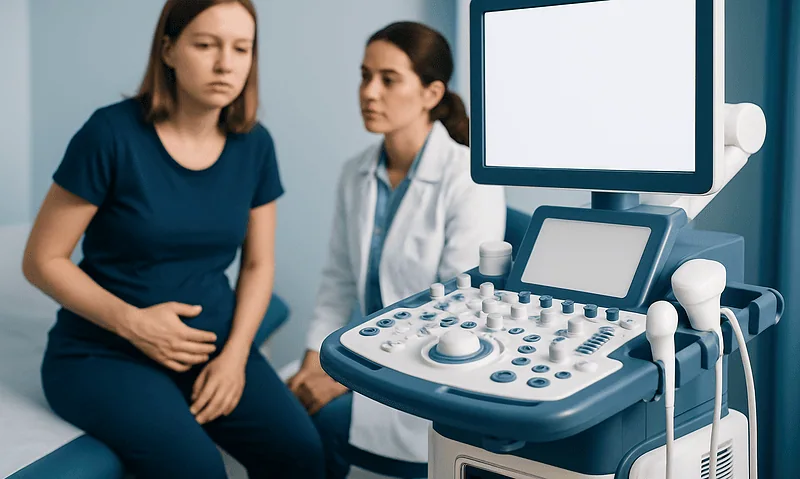
Why Are My Nipples Sore? Causes, Explanations, and Next Steps

Most sore nipples are caused by irritation, friction, hormonal shifts, or skin conditions rather than a serious disease. Breastfeeding, exercise, new soaps or fabrics, and menstrual cycle changes are frequent triggers.
Key Takeaways
- Most sore nipples are caused by irritation, friction, hormonal shifts, or skin conditions rather than a serious disease.
- Breastfeeding, exercise, new soaps or fabrics, and menstrual cycle changes are frequent triggers.
- Medical review is important if soreness lasts, affects one side only, comes with discharge or a lump, or the skin becomes red, warm, or cracked.
- Doctors usually diagnose the cause through history, physical examination, and sometimes imaging or skin swabs.
- Treatment depends on the cause and may include skin care, better clothing support, treating infection, or evaluating breast changes more closely.
Sore nipples are common and are often linked to everyday causes such as friction, dry skin, hormonal changes, or breastfeeding. Still, nipple pain that is persistent, one-sided, associated with discharge, a lump, skin changes, or signs of infection should be assessed by a doctor.
Overview: why nipples can become sore
If someone is wondering, “why are my nipples sore,” the answer is often reassuring. Nipple soreness is commonly caused by irritation from clothing, exercise, dry skin, hormonal changes, breastfeeding, or minor skin inflammation. In many cases, the discomfort improves once the trigger is identified and reduced.
At the same time, nipple pain should not be ignored when it is persistent, clearly getting worse, or happening with other breast symptoms. Red flags include pain in one nipple only, nipple discharge especially if bloody, a new lump, skin dimpling, crusting, rash that does not heal, or fever and warmth that suggest infection.
Nipple soreness can affect women, men, and adolescents. It may be temporary and cycle-related, or it may reflect a local skin problem, a breast condition, or less commonly an underlying disease that needs treatment. Looking at the pattern of symptoms usually gives important clues.
A doctor will usually start by asking when the soreness began, whether both nipples are affected, whether there has been breastfeeding, trauma, or a product change, and whether there are associated symptoms such as itching, discharge, or a palpable lump. This careful step-by-step approach helps separate harmless irritation from conditions that require more investigation.
Common symptoms that can happen with sore nipples
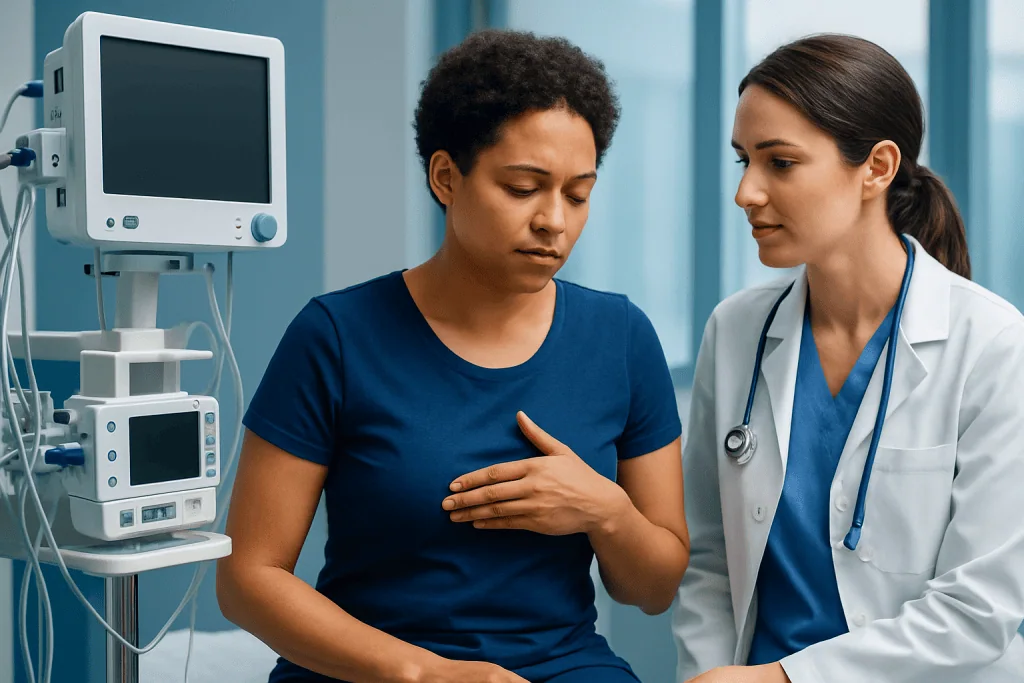
Nipple soreness is not always the same feeling. Some people describe tenderness, burning, stinging, itching, or a raw sensation. Others notice pain only when clothing rubs the area or when the breast is touched. During breastfeeding, pain may occur during latching or pumping and can sometimes continue between feeds.
Visible skin changes can also help point to the cause. Dryness, flaking, redness, cracking, chafing, or small cuts often suggest irritation or dermatitis. Swelling, warmth, pus, or a shiny red area can suggest infection. A persistent scaly or crusted rash limited to the nipple area deserves medical review.
Some people also have broader breast symptoms. These may include breast fullness before a menstrual period, deeper breast pain, a lump, or nipple discharge. Clear, milky, yellow, green, or bloody discharge can have different causes, so it is useful to note the color, whether it occurs on one or both sides, and whether it happens spontaneously.
Symptoms can also vary by timing. Pain that appears around ovulation or before a period may be hormonal, while soreness after a long run, a new bra, or use of a new soap is more likely to be due to friction or irritation. A symptom diary can be helpful if the cause is not obvious.
Common causes and risk factors
Everyday irritation is one of the most frequent explanations for sore nipples. Tight clothing, poorly fitted bras, rough fabrics, sweating, and repeated rubbing during exercise can all inflame the sensitive skin. This is sometimes called “jogger’s nipple” and can happen during running, walking, or other repeated activity.
Hormonal changes are another common cause. Many people notice breast and nipple tenderness before menstruation, during pregnancy, or while starting or changing hormonal contraception. These changes usually affect both breasts and tend to improve as hormone levels shift. During pregnancy, the breast tissue and nipples become more sensitive as the body prepares for lactation.
Breastfeeding and pumping are major causes of nipple pain, especially early on. A poor latch, frequent feeding, pumping at the wrong setting, milk blisters, blocked ducts, or a breast infection can all contribute. Thrush, eczema, and skin breakdown can make the nipples especially painful and slow to heal.
Skin conditions such as eczema, contact dermatitis, and psoriasis may also affect the nipple and areola. Common triggers include fragranced soaps, detergents, creams, adhesives, or new laundry products. Less common causes include bacterial infection, fungal infection, trauma, nipple piercings, and certain medications. Rarely, persistent nipple changes may be linked to a breast disorder that needs specialist assessment, including breast cancer or Paget disease of the breast.
- Friction from exercise or clothing
- Hormonal changes related to menstruation, pregnancy, or contraception
- Breastfeeding or pumping difficulties
- Dry skin, eczema, or contact dermatitis
- Infection, including mastitis or fungal infection
- Trauma, piercings, or allergic reactions
How doctors find the cause
Diagnosis begins with a detailed medical history. A doctor may ask whether the pain is in one or both nipples, whether it is constant or comes and goes, and whether there has been breastfeeding, recent exercise, trauma, new products, or medication changes. The presence of fever, discharge, rash, or a lump helps guide the next steps.
A physical examination usually includes looking closely at the nipple and surrounding skin and examining the breast and nearby lymph nodes. The doctor may check for cracking, crusting, eczema, swelling, discharge, tenderness, or a mass. If the person is breastfeeding, feeding technique or pumping setup may also be reviewed.
Additional testing is not always needed, but it may be appropriate if symptoms are persistent or concerning. Depending on age, symptoms, and examination findings, a doctor may recommend breast imaging such as mammography or breast ultrasound. Swabs, skin assessment, or laboratory tests may be used if infection or a dermatologic condition is suspected.
If there is a suspicious rash, an unexplained one-sided symptom, or another concerning finding, further evaluation may be arranged with breast specialists. In some cases, advanced assessment through a dedicated breast check-up or referral to dermatology or surgery can help clarify the diagnosis and guide treatment.
Treatment options for sore nipples
Treatment depends on the cause. If friction or skin irritation is responsible, the first steps are usually practical: reducing rubbing, switching to soft breathable fabrics, using a well-fitted bra, and avoiding fragranced products on the area. A doctor may suggest a gentle moisturizer or a barrier ointment to support healing.
When breastfeeding is the trigger, management often focuses on correcting latch technique, adjusting pumping habits, and protecting damaged skin while it heals. If blocked ducts or mastitis are suspected, a clinician may recommend supportive care and, when appropriate, medicines for infection or inflammation. Breastfeeding-related pain should not simply be endured, as early support can prevent worsening symptoms.
For eczema, dermatitis, or allergic reactions, avoiding the trigger is important. A doctor may recommend a short course of medicated cream or another skin treatment, depending on the diagnosis. Fungal or bacterial infections need targeted treatment rather than home remedies alone.
If investigations show an underlying breast condition, treatment will be based on that cause. This can range from monitoring and symptom relief to specialist treatment for benign breast problems or, less commonly, cancer-related care. At Acibadem International, multidisciplinary specialists in JCI-accredited hospitals diagnose and treat breast and nipple conditions for international patients.
Self-care and prevention
Many cases of nipple soreness can be prevented with simple skin and clothing measures. Choosing soft, non-irritating fabrics and a supportive bra can reduce rubbing. During exercise, moisture-wicking clothing and protective barriers may help if chafing is a recurring problem.
Skin care matters too. Using fragrance-free cleansers, avoiding harsh scrubbing, and applying a gentle moisturizer can reduce dryness and irritation. If a new detergent, cream, or adhesive seems to have triggered symptoms, stopping it is often a useful first step.
For people who are breastfeeding, prevention includes checking latch, changing feeding positions when needed, and using pumping equipment that fits properly. Early support from a qualified lactation professional can make a significant difference. Keeping the nipples clean and dry, without over-washing, may also help protect the skin barrier.
It is best not to self-treat persistent nipple symptoms for too long without advice, especially if there is discharge, severe pain, skin breakdown, or one-sided changes. Safe self-care supports recovery, but it should not delay proper assessment when warning signs are present.
When to seek medical care
Medical care is recommended if nipple soreness lasts more than a short time, keeps returning, or does not improve after removing likely irritants. A person should also seek review if the pain is significant enough to interfere with daily activities, sleep, feeding, or exercise.
Prompt assessment is especially important if there is a lump, bloody or spontaneous nipple discharge, a rash or crusting that does not heal, new nipple inversion, skin dimpling, or symptoms affecting only one side. Redness, warmth, swelling, fever, or increasing tenderness may point to infection and should be evaluated without delay.
People who are pregnant or breastfeeding should contact a healthcare professional if pain is severe, if the nipples are cracked or bleeding, or if there are signs of mastitis such as fever and a hot, tender area of the breast. Men with nipple pain or breast changes should also seek evaluation, since breast symptoms in men deserve careful assessment.
Although serious causes are less common, getting a clear diagnosis is the best way to relieve anxiety and start the right treatment. Early evaluation can identify simple causes quickly and ensure that more important conditions are not missed.
Frequently asked questions
Why are my nipples sore if I am not pregnant?
Pregnancy is only one possible cause of sore nipples. Friction, exercise, dry skin, eczema, hormonal changes around the menstrual cycle, breastfeeding history, or irritation from soaps and fabrics are all common explanations. Persistent or one-sided symptoms should be checked by a doctor.
Can sore nipples be a sign of a period coming?
Yes. Many people notice nipple or breast tenderness in the days before menstruation because hormone levels change during the cycle. This type of soreness often affects both sides and tends to improve once the period begins or shortly after.
Should I worry if only one nipple is sore?
One-sided nipple soreness is not always serious, but it deserves more attention than pain affecting both sides equally. If one nipple is sore along with discharge, a rash, a lump, or skin changes, a medical evaluation is important. A doctor can determine whether the cause is irritation, infection, or something that needs further testing.
What helps sore nipples heal faster?
Healing depends on removing the cause. Wearing soft supportive clothing, avoiding fragranced products, reducing friction, and using gentle skin care can help with irritation. If there is infection, eczema, or breastfeeding-related injury, proper medical treatment or feeding support may be needed.
Can exercise cause nipple pain?
Yes. Repeated rubbing from clothing during running, walking, or other workouts can irritate the nipples and cause soreness, burning, or chafing. Better-fitting sportswear, moisture-wicking fabrics, and protective barriers can often prevent this.
Do sore nipples always mean breast cancer?
No. Most sore nipples are caused by non-cancerous problems such as irritation, hormonal changes, or skin conditions. However, persistent symptoms, especially with discharge, a lump, crusting, or one-sided changes, should be assessed so serious causes can be ruled out.
References
- American College of Obstetricians and Gynecologists
- Centers for Disease Control and Prevention
- National Health Service
- Mayo Clinic
- World Health Organization
This article is for general information only and is not a substitute for professional medical advice. Please consult a qualified doctor about your individual situation.
Explore treatments in Turkey — costs, top hospitals & a free quote
JCI-accredited · board-certified surgeons · reply within 24h
Add us as a Preferred Source to see more of our trusted health content across Google Search, AI Overviews and Discover.
Check your numbers in seconds
BMI, calories, due date, blood pressure and 30+ more clinical calculators — free, instant, doctor-reviewed ranges.