Why Can’t Babies Have Water? Here Is What the Evidence Says

Babies under 6 months generally should not be given plain water unless a clinician specifically advises it. Breast milk and infant formula normally provide enough hydration for young infants, even in warm weather.
Key Takeaways
- Babies under 6 months generally should not be given plain water unless a clinician specifically advises it.
- Breast milk and infant formula normally provide enough hydration for young infants, even in warm weather.
- Too much water can fill a baby's stomach, reduce milk intake, and in rare cases lead to low sodium levels.
- Small sips of water are usually introduced around 6 months, alongside solid foods, not as a replacement for milk feeds.
- Urgent medical care is needed if a baby seems unusually sleepy, difficult to wake, has seizures, vomiting, or feeding problems after drinking water.
Most healthy babies do not need plain water in the first months of life, and in many cases avoiding it is the safest choice. Breast milk or infant formula usually provides all the fluid a young baby needs, while extra water can reduce feeding intake and, in rare cases, upset the body's salt balance.
Overview: the short answer
The reason why babies can’t have water in early infancy is usually simple: for most babies under 6 months, plain water is unnecessary and may be unsafe in large enough amounts. Breast milk or properly prepared infant formula already supplies the fluid a baby needs, so extra water can displace nutritious feeds and, in uncommon cases, disturb the balance of salts in the body.
This concern is most relevant in the first 6 months of life. After that, when solids are introduced, small amounts of water can usually be offered with meals. Even then, milk feeds remain the main source of nutrition and hydration through the first year.
In everyday life, many parents ask this question after a hot day, constipation, hiccups, or a relative’s advice. In most cases, a baby who has had a tiny accidental sip of water will be fine. The concern is repeated or larger amounts, especially in a young infant, or any signs that the baby is not feeding, acting, or breathing normally.
Why plain water can be a problem for young babies
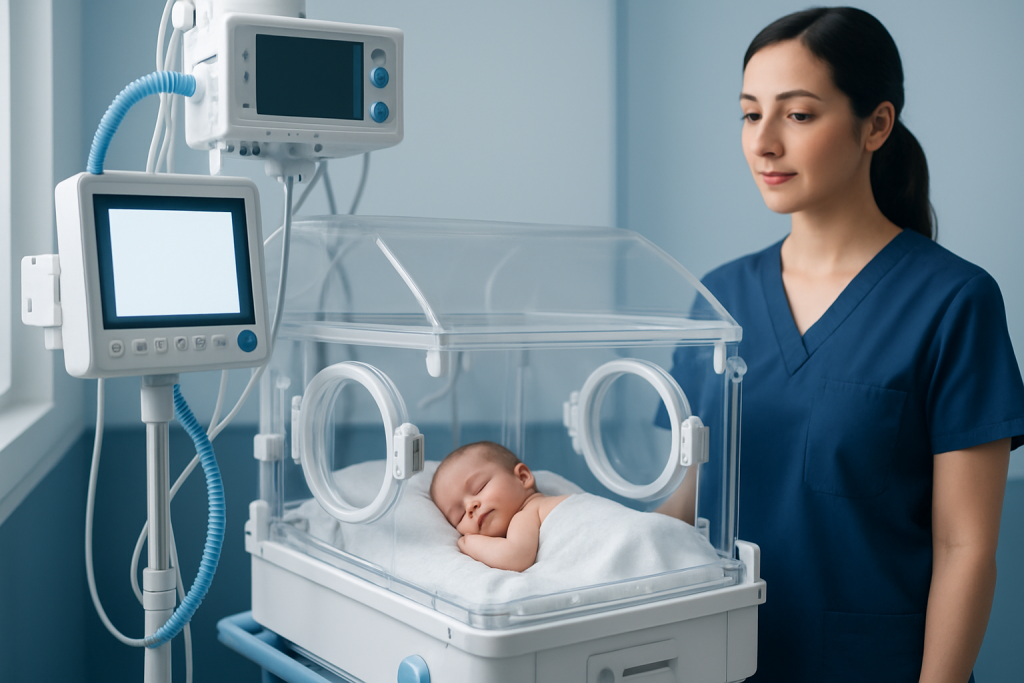
Young babies have very small stomachs. If plain water fills that limited space, they may take less breast milk or formula. That matters because milk is not just fluid; it also provides calories, protein, fats, vitamins, and minerals needed for growth and brain development.
A second reason involves sodium, an important mineral that helps regulate how cells and nerves work. Babies’ kidneys are still developing, so they do not handle excess water as efficiently as older children and adults. If a baby drinks too much water, the sodium level in the blood can drop too low, a condition called hyponatremia. Severe hyponatremia is uncommon, but when it happens it can be serious.
Parents may also hear that water is needed if a baby seems thirsty in hot weather. In most situations, the safer response is to offer breastfeeds or formula feeds more often. Human milk and correctly mixed formula are designed to meet fluid needs, including during warm weather or mild illness, unless a doctor advises otherwise.
Another important point is that water should never be used to dilute formula beyond the instructions. Overdiluted formula can also lower sodium and reduce nutrition. If there are concerns about feeding amounts, vomiting, or dehydration, a pediatric clinician can help decide what is appropriate.
What age can babies start having water?

Many pediatric guidelines support introducing small amounts of plain water at around 6 months, when complementary foods begin. At this stage, water is usually offered in modest sips from a cup with meals, mainly to help a baby learn drinking skills and to complement solids. It does not replace breast milk or formula.
From 6 to 12 months, milk feeds still do most of the work for hydration and nutrition. Water intake should remain limited and age-appropriate. Exact amounts vary by climate, diet, and the child’s health, so families should follow advice from their pediatrician, especially for babies born prematurely or those with medical conditions.
There are a few medical situations in which a doctor may recommend a different plan. For example, an infant with fever, vomiting, diarrhea, or certain kidney or hormonal conditions may need individualized guidance. If a baby has symptoms of significant fluid loss, clinicians may assess for dehydration and sometimes for dehydration rather than simply advising more water.
Signs that too much water may be causing a problem
Most accidental small sips do not cause harm, and that can be reassuring for families. The more important issue is recognizing signs that a baby may have had enough water to interfere with feeding or affect the body’s salt balance. Symptoms can be subtle at first and may overlap with other common infant illnesses.
Warning signs can include poor feeding, vomiting, unusual sleepiness, irritability, a puffy appearance, or fewer wet diapers if milk intake has dropped. In more serious cases, babies may seem floppy, difficult to wake, have low body temperature, twitching, or seizures. These symptoms need prompt medical assessment.
Parents should also think about the context. Risks are higher if a baby under 6 months has been given repeated bottles of water, heavily diluted formula, or water to treat constipation or soothe fussiness. If there is diarrhea or vomiting, fluid decisions can become more complicated, and the safest next step is usually pediatric advice rather than offering plain water at home.
- Small accidental sip: usually harmless
- Repeated water feeds in a young infant: should be discussed with a doctor
- Sleepiness, poor feeding, vomiting, twitching, or seizures: urgent care needed
How doctors evaluate a baby after water intake or feeding concerns
If a baby has had plain water and is otherwise acting normally, many cases can be managed with observation and routine feeding advice. A doctor will usually begin by asking the baby’s age, how much water was taken, whether formula was mixed correctly, and whether there are symptoms such as vomiting, lethargy, or reduced feeding.
The next step is a physical examination. Clinicians look at alertness, breathing, hydration status, weight, temperature, and signs of neurological problems. They may also ask about urine output, stooling, fever, and recent illness, because these details help distinguish simple feeding questions from dehydration, infection, or electrolyte imbalance.
If symptoms suggest a medical problem, tests may be needed. These can include blood tests to check sodium and other electrolytes, blood sugar, and kidney function. In selected cases, urine testing or imaging may be used, depending on the child’s overall condition and whether another diagnosis is possible.
This stepwise approach helps keep the issue in perspective. Most babies seen for mild water exposure are not seriously ill, but doctors stay alert for rare complications or for other common childhood conditions that can affect hydration and feeding.
Safe hydration, feeding, and self-care for parents
For babies under 6 months, the usual advice is straightforward: offer breast milk or correctly prepared infant formula on demand, and do not give plain water unless a healthcare professional specifically recommends it. During hot weather, feed more frequently rather than substituting water. If a baby seems persistently fussy, constipated, or hungry, those concerns deserve review, but water is not the standard solution in early infancy.
When a baby starts solids at around 6 months, families can usually offer a few sips of water from an open cup or straw cup with meals. The goal is gentle introduction, not large volumes. Juice, sweetened drinks, and herbal teas are not recommended for hydration in infancy.
Correct formula preparation is essential. Formula should always be mixed exactly as directed, because adding extra water lowers nutrient concentration and can be dangerous. If there are ongoing feeding concerns, a pediatrician may assess growth, feeding technique, reflux, or other issues such as foodborne illness symptoms in an older infant who has started solids.
Parents whose baby has repeated vomiting, ongoing feeding difficulty, or trouble gaining weight may sometimes be referred for further pediatric evaluation. Depending on the cause, specialists may discuss supportive options and, in selected cases, treatments such as pediatric gastroenterology care or fertility treatment is not relevant here and should not be considered. In international settings, Acibadem International’s multidisciplinary specialists in JCI-accredited hospitals evaluate infant feeding and hydration concerns for families who need medical advice.
When to seek medical care
Medical care should be sought promptly if a baby under 6 months has been given more than a small sip of water and then develops symptoms. The most important red flags are unusual sleepiness, poor feeding, repeated vomiting, irritability that is hard to settle, reduced responsiveness, twitching, or seizures. These symptoms can have several causes, but they should not be watched at home without guidance.
Parents should also contact a doctor if they are unsure whether formula was mixed correctly, if the baby has diarrhea or fever, or if there are fewer wet diapers than usual. Young infants can become unwell quickly, and a clinician can help decide whether the baby needs examination, observation, or testing.
If there are signs of severe illness such as trouble breathing, blue color around the lips, limpness, or a seizure, emergency care is needed right away. Reassuringly, most questions about water in babies turn out to be preventable feeding issues rather than emergencies, but timely review is the safest choice when symptoms are concerning.
Frequently asked questions
Can a newborn have a little water in hot weather?
Usually no. For most newborns and young infants, breast milk or properly prepared formula provides enough fluid even in warm weather. If parents are worried about heat, more frequent milk feeds are generally advised instead of plain water.
What happens if a baby accidentally drinks a small sip of water?
A very small accidental sip is usually not harmful. Parents can simply return to normal feeding and watch that the baby remains alert, feeds well, and has no unusual symptoms. If a larger amount was taken or the baby seems unwell, medical advice is appropriate.
When can babies start drinking water regularly?
Many babies can start having small sips of water at around 6 months, when solid foods are introduced. At that stage, water is complementary and milk feeds still remain the main source of hydration and nutrition.
Why is too much water dangerous for babies?
Too much water can fill a baby's stomach and reduce intake of breast milk or formula, which are needed for growth. In rarer cases, excess water can dilute sodium in the blood, leading to hyponatremia, which can affect the brain and nervous system.
Should water be given for constipation in babies?
Not usually in young infants unless a clinician recommends it. Constipation in babies can have different causes, and the safest approach depends on age, feeding type, and symptoms. A pediatrician can advise whether feeding adjustments or another treatment is more appropriate.
Can water be added to formula to make it last longer?
No. Formula should always be mixed exactly according to instructions. Adding extra water can reduce calories and nutrients and may lower sodium levels, which can be unsafe for a baby.
References
- American Academy of Pediatrics
- Centers for Disease Control and Prevention
- World Health Organization
- National Health Service
- HealthyChildren.org
This article is for general information only and is not a substitute for professional medical advice. Please consult a qualified doctor about your individual situation.
Explore treatments in Turkey — costs, top hospitals & a free quote
JCI-accredited · board-certified surgeons · reply within 24h
Add us as a Preferred Source to see more of our trusted health content across Google Search, AI Overviews and Discover.
Check your numbers in seconds
BMI, calories, due date, blood pressure and 30+ more clinical calculators — free, instant, doctor-reviewed ranges.