Why Can’T You Touch Chemo Pills: How It Works, Results and What to Expect

Chemotherapy pills should be handled as little as possible and never crushed, split, chewed, or opened unless the oncology team specifically says it is safe. A caregiver who must handle a pill should follow the cancer team's instructions, which may include disposable gloves and handwashing.
Key Takeaways
- Chemotherapy pills should be handled as little as possible and never crushed, split, chewed, or opened unless the oncology team specifically says it is safe.
- A caregiver who must handle a pill should follow the cancer team's instructions, which may include disposable gloves and handwashing.
- Many chemotherapy medicines and their by-products can be present in urine, stool, vomit, and other body fluids for a limited time after treatment.
- Oral chemotherapy is not automatically milder than intravenous chemotherapy; its benefits and side effects depend on the medicine and cancer being treated.
- New or severe symptoms, a missed dose, vomiting after a dose, or accidental exposure should be discussed promptly with the oncology team.
People should avoid touching chemotherapy pills unnecessarily because these medicines may be hazardous if they contact skin or are accidentally inhaled or swallowed. Oral chemotherapy can be an effective cancer treatment, but safe handling at home is an important part of the treatment plan.
Why can’t you touch chemo pills?
People are advised not to touch chemotherapy pills with bare hands because some cancer medicines are classified as hazardous drugs. A tablet or capsule can leave a small amount of medication residue on its surface, and direct contact may expose the skin to the drug. The risk from a brief accidental touch is usually low, but avoiding unnecessary contact is a sensible safety measure for patients, caregivers, children, and pets.
Oral chemotherapy is designed to be taken exactly as prescribed by the person receiving treatment. Pills should remain in their original container, be kept dry, and be swallowed whole unless the oncology pharmacist or doctor gives different instructions. They should not be crushed, cut, chewed, opened, or placed into a pill organizer without professional advice, since this can release drug particles and may change how the medicine works.
If a caregiver needs to handle a dose, the oncology team may recommend disposable gloves or a method that avoids direct contact, such as tipping the pill from its container into a medicine cup. Hands should be washed afterwards, even if gloves were used. Instructions can vary by medication, so the written guidance supplied by the cancer center should always take priority.
How oral chemotherapy works and who may receive it
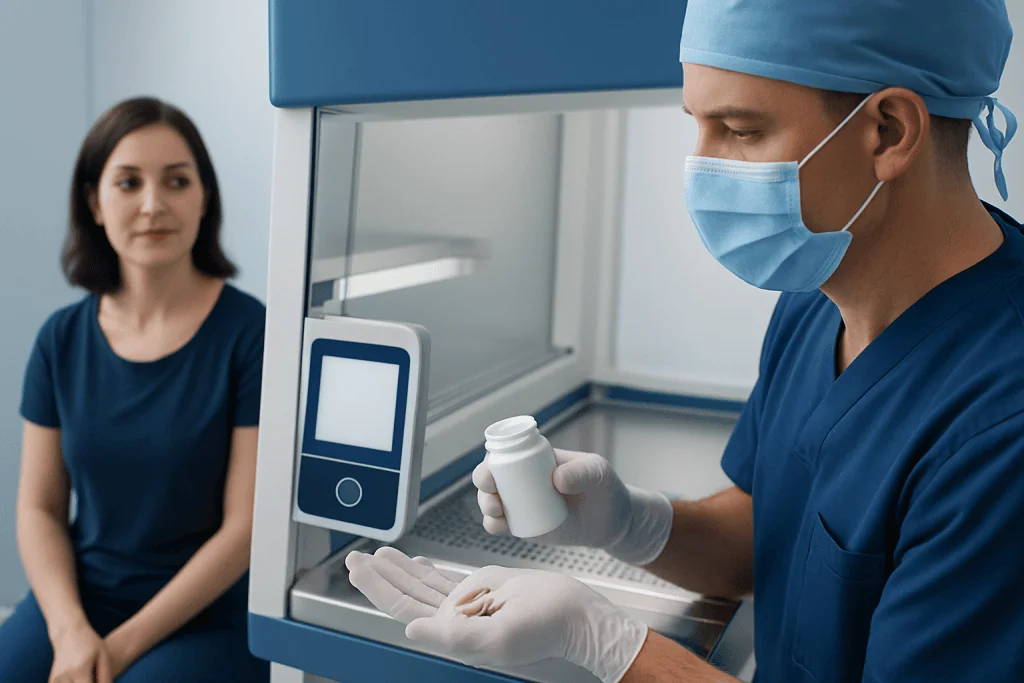
Oral chemotherapy includes anticancer medicines taken by mouth as tablets, capsules, or liquid formulations. Some medicines travel through the bloodstream to slow or stop the growth of cancer cells. Others are targeted therapies that act on particular proteins or signals that help cancer cells grow. Although taken at home, these medicines are active cancer treatments and require close medical supervision.
Whether oral treatment is suitable depends on the type and stage of cancer, its biological features, previous treatments, overall health, kidney and liver function, other medicines, and the person’s ability to take doses reliably. It may be used alone, before or after surgery, alongside radiotherapy, or in combination with intravenous treatment. The oncology team discusses the expected purpose of treatment, such as cure, reducing recurrence risk, controlling cancer, or relieving symptoms.
Candidacy also includes practical considerations. The patient needs a clear plan for dosing, storage, monitoring, and contacting the clinical team. Family support can be helpful, but caregivers should not adjust doses independently or share responsibility for decisions about missed doses without guidance from the prescribing team.
What to expect: starting and taking chemo pills step by step

Before treatment begins, the oncology team reviews the medicine, schedule, possible interactions, expected side effects, and required blood tests. Patients should provide a complete list of prescription medicines, over-the-counter products, vitamins, supplements, and herbal remedies. Some foods, alcohol, acid-reducing medicines, and supplements can affect how certain cancer medicines are absorbed or processed.
At home, the medicine should be stored according to the pharmacy label, away from heat, moisture, children, and pets. It should not be stored in a shared bathroom cabinet if humidity is likely to be high. Patients should take it at the prescribed time and with or without food exactly as instructed. A treatment diary, calendar, or medication reminder can help prevent missed or duplicated doses.
For each dose, the patient should wash and dry their hands, remove the medication only when ready to take it, and swallow it whole with water unless instructed otherwise. Afterward, hands should be washed again. If a tablet is dropped, damaged, or spilled, patients should avoid handling it directly and contact the oncology pharmacist or nurse for instructions on safe cleanup and disposal.
Regular follow-up commonly includes blood tests, symptom reviews, and sometimes imaging to assess safety and treatment response. Patients should not stop treatment, restart it after an interruption, or change the schedule without speaking to their oncology team. The correct response to a missed dose or vomiting after a dose differs between medicines.
Can you use the same bathroom as someone on chemo pills?
Yes. Household members can usually use the same bathroom as someone taking chemotherapy pills. The main precaution is careful hygiene because small amounts of chemotherapy medicine or its breakdown products may leave the body in urine, stool, vomit, sweat, or other body fluids for a period identified by the oncology team. The exact timeframe depends on the medicine.
Patients should close the toilet lid before flushing when possible, wash their hands thoroughly, and clean any visible splashes promptly. If a caregiver needs to clean urine, stool, vomit, or blood, disposable gloves are commonly recommended. Soiled disposable materials should be bagged as instructed, and contaminated laundry should be handled carefully and washed according to the cancer center’s advice.
It is especially important to ask the oncology team about precautions if a household member is pregnant, may be pregnant, is breastfeeding, or has a weakened immune system. These measures are precautionary and allow families to continue everyday life together while reducing avoidable exposure.
Why can’t you touch chemo pills with bare hands?
Touching a chemotherapy pill with bare hands can transfer a small amount of the drug onto the skin. Intact skin is a barrier, and an isolated brief touch is not usually a medical emergency, but repeated contact or contact with broken skin, eyes, or the mouth should be avoided. The concern is greater if a pill is broken, crushed, or leaking, because more drug material may be released.
If someone accidentally touches an intact pill, they should wash the area well with soap and water and avoid rubbing their eyes. If medication contacts the eyes, the eyes should be rinsed with water and medical advice sought. The oncology team, pharmacist, or poison information service can advise about a spill, broken pill, or more significant exposure.
Patients should not feel guilty if they need help with medication. A caregiver can safely assist by following the drug-specific instructions provided by the treatment team. Using gloves when advised, avoiding direct contact, and washing hands are simple steps that protect the household without making treatment feel overly restrictive.
How long does it take for chemo pills to kick in?
Chemo pills begin to be absorbed after they are taken, but the time before a person notices an effect on the cancer is much longer and varies widely. Some treatment effects are assessed through symptoms, blood tests, tumor markers, scans, or physical examinations over weeks to months. The treatment team sets the monitoring schedule based on the individual medicine and cancer type.
Side effects may occur sooner than measurable cancer response, sometimes within days or weeks. However, side effects do not reliably show whether treatment is working, and having few side effects does not mean the medicine is ineffective. It is important to take medication consistently and attend planned reviews rather than judging results by day-to-day changes alone.
Some medicines require dose adjustments or temporary pauses if blood counts, organ function, or symptoms indicate that it is needed. These decisions are individualized. Patients should report changes promptly, but should not make dose changes on their own unless they have been given a specific written plan.
Are chemo pills as bad as chemo? Benefits, risks and recovery
Chemo pills are chemotherapy or other systemic anticancer medicines, so they can cause significant side effects. They are not necessarily gentler than intravenous chemotherapy simply because they are taken at home. The type and severity of side effects depend on the specific drug, dose, combination of treatments, and the person’s health.
Possible effects include fatigue, nausea, diarrhea or constipation, appetite changes, mouth soreness, skin or nail changes, hand-foot symptoms, lowered blood counts, infection risk, and effects on the liver, kidneys, nerves, or heart with certain medicines. Not everyone experiences the same effects. The treatment team may prescribe supportive medicines, arrange blood monitoring, or modify treatment to improve safety and comfort.
Recovery is also individual. Some side effects improve between cycles or after a treatment pause, while fatigue and changes in blood counts may take longer to settle. Patients can support recovery by maintaining fluids and nutrition as tolerated, resting, remaining gently active when able, and following infection-prevention advice. Any new supplement or complementary therapy should be discussed first because interactions can be important.
For people seeking coordinated cancer care, Acibadem International’s multidisciplinary specialists and JCI-accredited hospitals diagnose and treat cancer for international patients. A treatment plan should always be based on the individual cancer diagnosis and reviewed regularly with an oncology team.
When to seek medical care
Patients should contact their oncology team promptly for fever or chills, signs of infection, persistent vomiting or diarrhea, inability to drink fluids, unusual bleeding or bruising, severe mouth sores, new shortness of breath, chest pain, confusion, severe weakness, or a rapidly worsening rash. The team will explain which symptoms require an urgent call and which require emergency care based on the treatment being used.
Medical advice is also important after a missed dose, taking an extra dose, vomiting soon after taking a dose, a damaged or spilled pill, or possible exposure of another person. Do not take an additional tablet to replace a vomited or missed dose unless the prescribing team specifically directs this.
People taking chemotherapy pills should keep the oncology team’s contact number readily available and bring their medication list to urgent appointments. Early communication often makes side effects easier to manage and helps treatment continue as safely as possible.
Frequently asked questions
Can family members touch the bottle of chemo pills?
In most cases, family members can handle the outside of an intact, closed medication bottle. They should avoid opening it unnecessarily or touching the tablets or capsules directly. The medicine should be stored securely and according to the pharmacy label.
What should happen if a chemo pill is dropped?
Avoid picking it up with bare hands, especially if it is cracked or damaged. Follow the written instructions from the oncology pharmacy, which may include using gloves and placing it in a designated container or bag. Contact the oncology team or pharmacist for medication-specific disposal advice.
Can chemo pills be put in a weekly pill organizer?
Patients should ask their oncology pharmacist before transferring oral chemotherapy into a pill organizer. Some medicines need to stay in original packaging to protect them from moisture, light, or handling, and organizers can increase exposure for caregivers. Never make this change without professional guidance.
Is it safe to kiss or hug someone taking chemo pills?
Normal affectionate contact such as hugging is generally safe. There may be medicine-specific guidance about avoiding contact with body fluids for a period after each dose, particularly during sexual activity. The oncology team can provide clear, personalized advice without limiting ordinary family closeness unnecessarily.
What if a caregiver is pregnant?
A person who is pregnant, trying to become pregnant, or breastfeeding should tell the oncology team. They may be advised not to handle chemotherapy medicines or body fluids and to arrange help with these tasks. The appropriate precautions depend on the specific medication.
Do oral chemotherapy pills always cause hair loss?
No. Hair loss depends on the particular treatment, and many oral cancer medicines do not cause complete hair loss. Some may cause hair thinning or changes in hair texture instead. The oncology team can explain what is expected with the prescribed medicine and suggest supportive care if needed.
References
- National Cancer Institute
- American Cancer Society
- U.S. Food and Drug Administration
- Oncology Nursing Society
- National Institute for Occupational Safety and Health
This article is for general information only and is not a substitute for professional medical advice. Please consult a qualified doctor about your individual situation.
Oncology care in Turkey — second opinion and treatment plan
JCI-accredited · board-certified surgeons · reply within 24h
Add us as a Preferred Source to see more of our trusted health content across Google Search, AI Overviews and Discover.