

Why Cochlear Implants Are Bad? Here Is What the Evidence Says
Cochlear implants are electronic hearing devices for people who receive limited benefit from hearing aids; they do not restore natural hearing. Serious complications are uncommon, but surgery can involve infection, dizziness, facial nerve injury, taste changes and other risks.
Key Takeaways
- Cochlear implants are electronic hearing devices for people who receive limited benefit from hearing aids; they do not restore natural hearing.
- Serious complications are uncommon, but surgery can involve infection, dizziness, facial nerve injury, taste changes and other risks.
- Some people lose remaining natural hearing in the implanted ear, and an implant may not deliver the hearing result they expected.
- Successful use usually requires programming appointments, hearing rehabilitation and time for the brain to interpret sound.
- Urgent medical review is needed after surgery for fever, worsening redness or swelling, severe headache, neck stiffness, fluid leakage or sudden changes in balance or facial movement.
Cochlear implants are not considered “bad” for most carefully selected candidates. They can provide meaningful access to sound and speech, but they involve irreversible inner-ear surgery, ongoing rehabilitation, device limitations and possible complications that should be understood before making a decision.
Why do some people say cochlear implants are bad?
For most appropriately assessed adults and children, cochlear implants are not considered harmful, and many people use them safely for years. It is normal to have soreness, pressure or mild dizziness for a short time after surgery, while serious complications are uncommon. However, an implant is not right for everyone, and the phrase “why cochlear implants are bad” often reflects genuine concerns about surgery, remaining hearing, sound quality, cost of long-term care, identity and expectations.
A cochlear implant is different from a hearing aid. Hearing aids make sound louder for the ear to process; an implant bypasses damaged parts of the inner ear and sends electrical signals directly to the hearing nerve. It has an internal component placed during surgery and an external sound processor. This technology may help people with severe to profound sensorineural hearing loss who gain little benefit from well-fitted hearing aids, but it does not restore normal biological hearing.
The decision should therefore be based on an individual assessment rather than on claims that implants are always good or always bad. An ear specialist, audiologist and, when appropriate, speech and rehabilitation professionals can explain likely benefits, limitations and alternatives in a person’s own situation.
Expected limitations: why an implant may not feel right
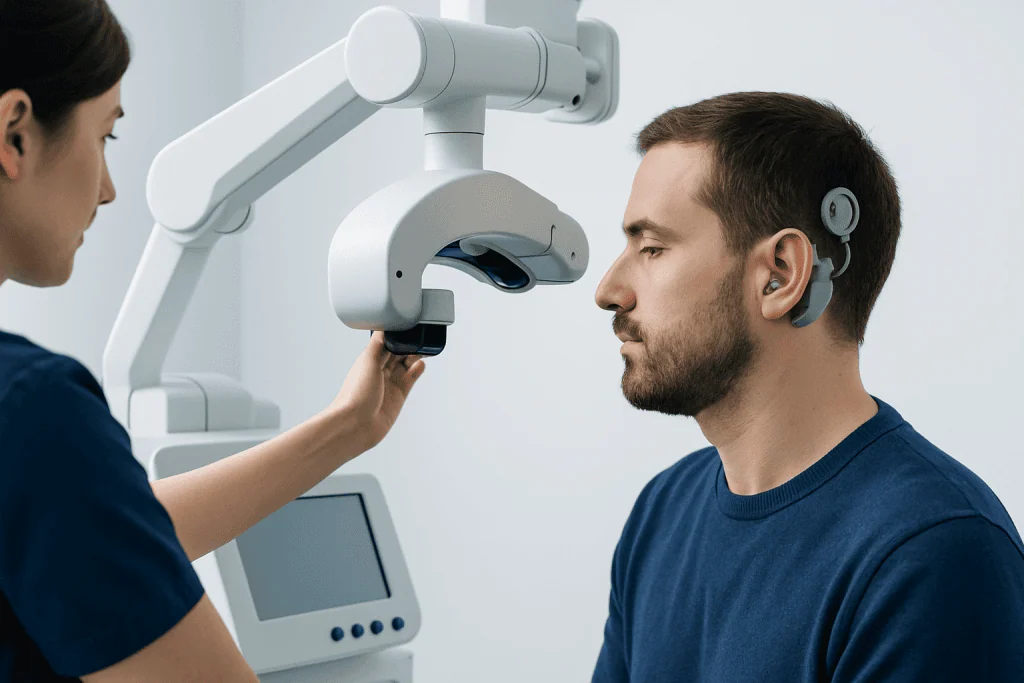
The sound provided by a cochlear implant is learned by the brain and may initially seem mechanical, artificial or unclear. Speech understanding can improve gradually over months or longer, particularly in difficult listening environments such as restaurants, group conversations or places with background noise. Music appreciation, identifying voices and hearing subtle sound details may remain challenging for some users.
Results vary substantially. Outcomes can be influenced by the cause and duration of hearing loss, hearing nerve health, age at implantation, previous experience with sound and spoken language, use of the device and participation in rehabilitation. A person should not be promised that an implant will make hearing “normal” or guarantee clear speech understanding.
An implant also requires daily practical commitment. The external processor must be worn, maintained, charged or supplied with batteries, and periodically programmed. It may need replacement or upgrading over time. Swimming, contact sports, travel, security systems and certain workplace environments may require additional planning, although many users continue to take part in these activities with suitable advice and equipment.
Surgical and medical risks to consider

Cochlear implantation is generally performed under general anesthesia and, like any operation, carries risks. These include bleeding, wound infection, pain, swelling, fluid collection and problems related to anesthesia. Temporary dizziness, imbalance, nausea, changes in taste and ringing in the ear can occur as the inner ear heals. Persistent problems are less common but should be discussed before surgery.
Because important nerves are located near the surgical area, rare complications can include weakness of facial movement, leakage of cerebrospinal fluid, injury to surrounding structures or failure of the implant device. The implant may occasionally need further surgery because of infection, displacement, skin problems over the device or device failure. Scarring and healing difficulties may be more relevant for people with certain medical conditions or previous ear surgery.
Another important consideration is residual hearing. In some cases, natural hearing that remains in the implanted ear can be reduced or lost after surgery. Hearing-preservation techniques may be possible for selected people, but preservation cannot be guaranteed. People with useful residual hearing should ask how this risk applies to their ear and whether hearing aids, hybrid devices or other approaches remain suitable.
- People with cochlear implants have a higher risk of <a href="https://acibademinternational.com/diseases/bacterial-meningitis/”>bacterial meningitis than the general population, although this remains rare.
- Clinicians commonly review recommended vaccinations, including pneumococcal vaccination, before implantation or according to the person’s vaccination schedule.
- Some MRI scans require special precautions because implant models have different MRI conditions; the imaging team must always be told about the implant.
Personal, communication and cultural considerations
Not all concerns are medical. Deaf people and families may have deeply held views about communication, identity and community. Some see cochlear implants as one useful tool, while others prefer sign language, Deaf culture or non-surgical communication approaches. These perspectives deserve respect and should be part of open, non-pressured decision-making.
For children, timing, language access and family support are especially important. An implant may support access to spoken sound, but it should not be viewed as a replacement for consistent communication. Many families choose to use spoken language, sign language or both. A child should continue to receive hearing, speech-language and developmental support tailored to their needs.
There can also be emotional adjustment. A person may feel disappointed if progress is slower than expected or if the sound differs from what they remember. Counselling, peer support and realistic goal-setting can help. A second opinion is reasonable when someone feels uncertain, especially before irreversible surgery.
When to seek medical care
After cochlear implant surgery, mild discomfort and tiredness can be expected during early recovery, but worsening symptoms should be reviewed. Contact the surgical team promptly for increasing pain, spreading redness, warmth, discharge, persistent swelling around the incision, fever, vomiting, worsening dizziness, a new severe headache, fluid leaking from the wound or a sudden reduction in facial movement.
Emergency assessment is important for severe headache with fever, neck stiffness, confusion, marked sleepiness, seizures or a rapidly worsening illness, as these can be warning signs of meningitis or another serious infection. Anyone with an implant who develops a sudden loss of device function, pain at the implant site or new balance symptoms should also arrange medical review rather than attempting to adjust the device alone.
Before surgery, a person should seek specialist advice if they have recurrent ear infections, chronic ear drainage, a known inner-ear abnormality, previous mastoid or ear surgery, balance disorders, neurological conditions or concerns about anesthesia. These factors do not necessarily prevent implantation, but they may change the assessment or treatment plan.
How doctors assess suitability and reduce risk
A cochlear implant evaluation is more detailed than a routine hearing test. It usually includes hearing assessments with appropriately fitted hearing aids, speech-recognition testing and a review of how hearing loss affects daily communication. The team also discusses medical history, medications, ear infections, previous surgery, balance symptoms and personal communication goals.
Imaging of the inner ear and hearing nerve, usually with CT, MRI or both, may be used to plan surgery and identify anatomical issues. The specialist may also assess middle-ear health and recommend treating active infection before implantation. For children, developmental assessment and family-centred counselling can help ensure that language and rehabilitation needs are addressed early.
Doctors reduce risk by selecting an appropriate implant, reviewing vaccinations, giving preoperative instructions and arranging follow-up after the operation. The processor is normally activated after the surgical site has healed. Several programming sessions are often needed because settings are adjusted as the person adapts to sound. Rehabilitation is an active part of treatment, not an optional extra.
Making an informed choice and living with an implant
The most useful question is usually not whether cochlear implants are “bad,” but whether their likely benefits outweigh their limitations for a particular person. A patient may wish to ask about expected speech understanding, hearing preservation, the chance of needing future surgery, MRI compatibility, rehabilitation requirements, support for work or school and alternatives such as optimized hearing aids, assistive listening devices or sign-language access.
After implantation, following wound-care advice, attending programming visits and using the processor consistently can support progress. People should keep the processor dry unless it is specifically designed for water use, protect the implant area during sports and carry implant identification when attending medical or imaging appointments. Any MRI must be planned with the implant team and radiology department.
Acibadem International’s multidisciplinary ear, audiology and rehabilitation specialists at JCI-accredited hospitals can assess cochlear implant candidacy and support international patients through diagnosis, surgery and follow-up. A qualified cochlear implant team can provide individualized guidance while respecting each person’s hearing goals, communication preferences and concerns.
Frequently asked questions
Are cochlear implants dangerous?
Cochlear implants are generally considered safe when recommended after a full specialist assessment and performed by an experienced surgical team. However, they involve surgery and carry possible risks, including infection, dizziness, loss of residual hearing and, rarely, more serious complications. The individual balance of benefits and risks should be discussed before surgery.
Can a cochlear implant make hearing worse?
A cochlear implant can reduce or eliminate remaining natural hearing in the implanted ear, even when hearing-preservation methods are used. The implant is intended to provide access to sound through electrical stimulation, but the sound is different from natural hearing. Some people also find particular listening situations, such as noise or music, remain difficult.
What are the most common side effects after cochlear implant surgery?
Temporary pain, swelling, numbness around the incision, mild dizziness, nausea and altered taste can occur after surgery. These often improve as healing progresses, but each person’s recovery is different. Worsening pain, fever, wound drainage, severe dizziness or facial weakness should be reported to a clinician promptly.
Do cochlear implants work for everyone?
No. Benefit varies according to factors such as the type and duration of hearing loss, hearing nerve function, age, use of hearing aids before surgery and rehabilitation participation. A specialist evaluation helps estimate likely outcomes, but no assessment can predict results perfectly.
Can a person have an MRI with a cochlear implant?
Many modern cochlear implants are designed to be MRI-conditional, meaning that MRI may be possible under specific conditions. The permitted scan strength and preparation depend on the implant model. The person should tell all medical and imaging staff about the implant and contact their implant team before an MRI is scheduled.
Is a cochlear implant better than a hearing aid?
Neither option is automatically better for every person. Hearing aids are usually tried and optimized first because they amplify sound without surgery. A cochlear implant may be considered when hearing aids no longer provide enough benefit for communication, based on formal audiology testing and personal goals.
This article is for general information only and is not a substitute for professional medical advice. Please consult a qualified doctor about your individual situation.
Cochlear Implant in Turkey — costs, top hospitals & a free quote
JCI-accredited · board-certified surgeons · reply within 24h
Add us as a Preferred Source to see more of our trusted health content across Google Search, AI Overviews and Discover.

Otorhinolaryngology (ENT)
Care for ear, nose, throat and head-and-neck conditions, including hearing and balance disorders.
126 specialists in this unitMore from the Health Library
Phantom Pain Explained: Common Triggers and Red Flags

How to Stay Focused? Causes, Explanations, and Next Steps

Neck Pain Relief Explained: Common Triggers and Red Flags

Stages of Shingles Rash Pictures Explained: Common Triggers and Red Flags
Testicular Pain: Common Causes, Related Conditions, and When to See a Doctor

Synonym of spasm: Common Causes, Warning Signs, and When to Worry
Otorhinolaryngology Specialists at Acibadem

Asst. Prof. Dr. Altuğ Özagar
Otorhinolaryngology
Assoc. Prof. Dr. Aras Şenvar
Otorhinolaryngology
Prof. Dr. Arif Ulubil
Otorhinolaryngology
Dr. Artunç Kaan Turanoğlu
Otorhinolaryngology