Why Constipation Can Cause Urinary Urgency

A backed-up rectum may put pressure on the bladder, creating a feeling of urinary urgency or frequency. Constipation and urinary symptoms can also share pelvic-floor muscle and nerve pathways.
Key Takeaways
- A backed-up rectum may put pressure on the bladder, creating a feeling of urinary urgency or frequency.
- Constipation and urinary symptoms can also share pelvic-floor muscle and nerve pathways.
- Treating constipation with fluids, fiber, movement, and appropriate medical advice often eases bladder symptoms.
- Urinary burning, fever, flank pain, visible blood in urine, or trouble passing urine may indicate another condition and need prompt evaluation.
- Persistent new bowel or bladder changes should be discussed with a qualified clinician.
Constipation can make a person feel they need to urinate more often or urgently because a stool-filled rectum sits close to the bladder and can affect pelvic-floor function. This is often temporary and improves when constipation is treated, but urinary pain, fever, blood, inability to urinate, or persistent symptoms should be medically assessed.
Why constipation can create the urge to pee
Constipation can make a person feel as though they need to pee because the rectum and bladder are close together in the pelvis. When stool builds up in the rectum, it can enlarge the bowel and place physical pressure on the bladder. This may reduce the amount of urine the bladder comfortably holds, leading to urinary urgency, more frequent trips to the bathroom, or a sensation that the bladder has not emptied fully.
This symptom is commonly harmless when it occurs alongside short-term constipation and settles after regular bowel movements return. The bowel, bladder, pelvic-floor muscles, and nearby nerves also work closely together, so straining, muscle tightening, and rectal fullness can influence bladder sensations even when there is not much urine present.
However, constipation is not the only possible explanation for urinary urgency. A urinary tract infection, overactive bladder, pelvic-floor dysfunction, prostate enlargement, pregnancy-related changes, certain medicines, diabetes, or other conditions can cause similar symptoms. New, severe, or continuing symptoms deserve individualized medical advice.
The bowel-bladder connection in the pelvis
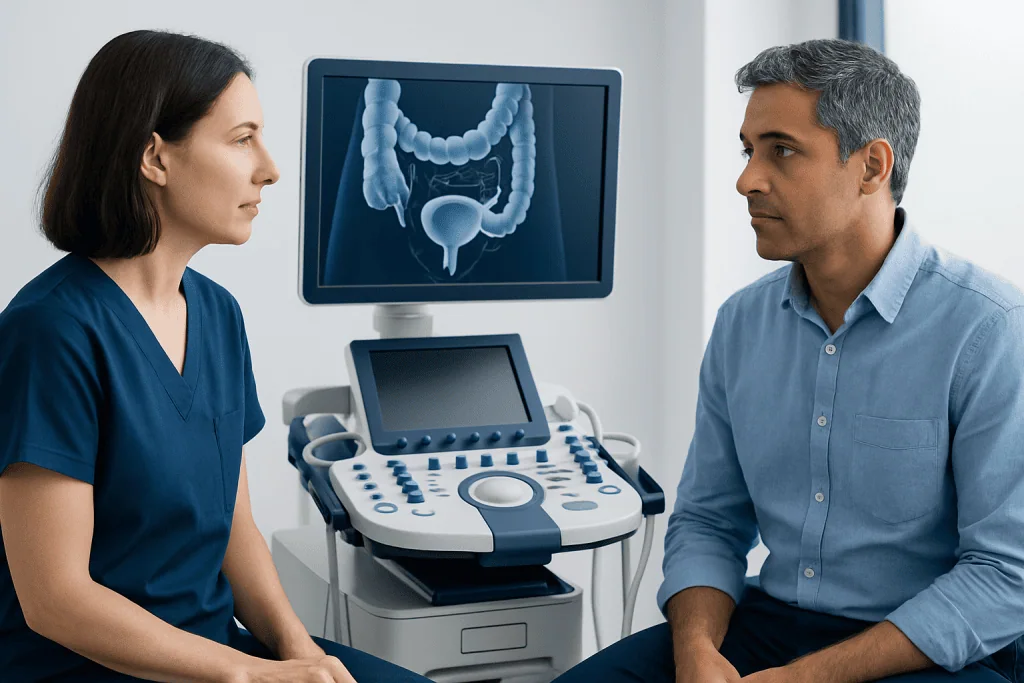
The rectum is the final part of the large intestine, where stool is stored before a bowel movement. It lies behind the bladder. With constipation, stool may become dry, hard, and difficult to pass, and the rectum may become more distended than usual. That fullness can change how the bladder feels and may prompt an earlier urge to urinate.
The pelvic floor is a group of muscles that supports the bladder, bowel, and reproductive organs. These muscles need to relax in a coordinated way for both urination and bowel movements. Some people tense their pelvic floor while trying to avoid a bowel movement or while straining with constipation. This may contribute to incomplete emptying sensations, urgency, or difficulty starting urine flow.
Shared nerve signaling may play a role as well. The bladder and bowel send messages to the spinal cord and brain through nearby nerve networks. When the rectum is full or irritated, those signals can heighten awareness of the pelvic area and make bladder urges feel more noticeable. This does not necessarily mean there is a problem with the bladder itself.
Symptoms that may occur with constipation-related urinary urgency

A person may notice urinary symptoms at the same time as signs of constipation, such as fewer bowel movements than usual, hard or lumpy stool, straining, a feeling of incomplete bowel emptying, bloating, or lower abdominal discomfort. The urinary symptoms may include needing to urinate often, a sudden strong urge to urinate, waking at night to urinate, or passing small amounts of urine more frequently.
Constipation-related pressure can sometimes cause discomfort low in the abdomen or pelvis. The urge to urinate may become more noticeable after meals or when sitting, when rectal fullness can be more apparent. Symptoms often improve after a comfortable, complete bowel movement, although this may take several days if constipation has been ongoing.
Burning during urination, cloudy or foul-smelling urine, fever, chills, and pain in the side or back are not typical effects of simple constipation. These can suggest a urinary infection or another issue. Likewise, urine leakage, trouble fully emptying the bladder, or ongoing urinary urgency should not automatically be attributed to constipation without a clinician’s assessment.
Common causes and factors that can contribute
Constipation can develop when stool moves slowly through the colon, allowing too much water to be absorbed. Common contributors include not drinking enough fluids, low fiber intake, reduced physical activity, delaying the urge to have a bowel movement, travel, changes in routine, and stress. Some people are more susceptible because of older age, pregnancy, pelvic surgery, or conditions that affect mobility or nerve function.
Medicines can also contribute to constipation. Examples include some opioid pain medicines, iron supplements, certain antacids, some antidepressants, and medicines used for bladder symptoms. A person should not stop prescribed medicine without speaking with the prescribing clinician, but a review may identify safer ways to manage side effects.
Urinary urgency may have a separate cause even when constipation is present. For example, urinary tract infections can cause frequent, urgent, and sometimes painful urination. In men, prostate enlargement can affect urine flow; in women, pelvic organ changes or menopause-related tissue changes can influence bladder symptoms. A clinician can help distinguish overlapping causes.
How clinicians evaluate bowel and bladder symptoms
A doctor will usually begin by asking about bowel habits, fluid and fiber intake, urinary symptoms, medicines, medical conditions, and how long the symptoms have been present. A symptom diary can be useful: it may record bowel movements, stool consistency, fluid intake, urination times, urgency, and any foods or activities that seem to worsen symptoms.
The examination may include an abdominal assessment and, when appropriate, a pelvic or rectal examination to check for stool retention, tenderness, muscle coordination, or other findings. A urine test may be used to look for infection, blood, glucose, or other abnormalities. Depending on the history, clinicians may also request blood tests, a bladder scan after urination, or imaging.
Further testing is usually reserved for persistent, unexplained, or concerning symptoms. It may be considered if there is recurrent infection, suspected urinary retention, significant pelvic-floor dysfunction, or warning signs related to the bowel. The goal is to identify whether constipation is the main contributor and to rule out conditions that need specific treatment.
Practical steps to relieve constipation and support bladder comfort
For many people, gentle measures can help restore regular bowel habits. Drinking fluids regularly, increasing dietary fiber gradually, and staying physically active can support stool movement. Fiber-rich choices include vegetables, fruit, beans, lentils, whole grains, nuts, and seeds. Adding fiber too quickly can increase gas or bloating, so a gradual change is usually more comfortable.
It can help to respond to the urge to have a bowel movement rather than delaying it. Setting aside unhurried toilet time, often after a meal, may take advantage of the body’s natural bowel reflex. A small footstool to raise the feet can help some people adopt a more comfortable position. Straining forcefully should be avoided, as it may tighten the pelvic floor and worsen discomfort.
Over-the-counter constipation treatments may be appropriate for some adults, but the best choice depends on the person’s health, medicines, and duration of symptoms. A pharmacist or clinician can provide guidance, especially for children, older adults, pregnant people, or anyone with kidney, heart, or bowel conditions. If constipation is recurrent or difficult to manage, evaluation for gastroenterology care may be helpful.
When to seek medical care
Medical review is important if urinary urgency does not improve as constipation improves, keeps returning, disrupts daily life, or is accompanied by new changes in urine flow. A clinician should also assess constipation that lasts more than a few weeks, repeatedly requires laxatives, or occurs with unintended weight loss, persistent abdominal pain, vomiting, or blood in the stool.
Prompt medical care is needed for an inability to pass urine, severe lower abdominal pain or swelling, fever with urinary symptoms, flank or back pain, visible blood in urine, or confusion in an older adult. These features may indicate urinary retention, infection, kidney involvement, or another condition that should not be managed at home.
Acibadem International’s multidisciplinary specialists and JCI-accredited hospitals assess bowel and bladder symptoms for international patients when more detailed evaluation is needed. A clinician can help create a safe plan that addresses constipation while checking for urinary or pelvic conditions that may be contributing.
Frequently asked questions
Can constipation really cause frequent urination?
Yes. Stool collecting in the rectum can press against the bladder and make it feel full sooner, causing more frequent urination or urgency. Pelvic-floor muscle tension and shared nerve signaling may also contribute.
Will urinary urgency go away after I poop?
It may improve after a complete bowel movement, particularly when rectal pressure is the main cause. If urgency continues despite improved bowel habits, another cause should be considered with a clinician.
Can constipation cause a urinary tract infection?
Severe or ongoing constipation may interfere with bladder emptying in some people, which can potentially contribute to urinary problems. However, urinary symptoms may also be caused by an infection independently, so burning, fever, or cloudy urine should be evaluated.
How can I tell if urgency is from constipation or a UTI?
Constipation-related urgency often occurs with hard stools, straining, bloating, and rectal fullness, and may ease after bowel movements. A UTI more often causes burning with urination, cloudy or strong-smelling urine, fever, or lower abdominal discomfort, although symptoms can overlap.
Can children have bladder symptoms from constipation?
Yes. Constipation can affect bladder function in children and may contribute to urgency, daytime wetting, or bedwetting. Parents or caregivers should discuss persistent bladder or bowel changes with a pediatric clinician.
When is constipation with urinary symptoms an emergency?
Seek prompt care if the person cannot urinate, has severe abdominal pain or swelling, fever, flank pain, vomiting, visible blood in urine, or appears very unwell. These signs may point to a problem beyond uncomplicated constipation.
References
- National Institute of Diabetes and Digestive and Kidney Diseases
- National Institute of Neurological Disorders and Stroke
- American Urological Association
- Mayo Clinic
- Cleveland Clinic
This article is for general information only and is not a substitute for professional medical advice. Please consult a qualified doctor about your individual situation.
Persistent digestive symptoms? Get evaluated in Turkey
JCI-accredited · board-certified surgeons · reply within 24h
Add us as a Preferred Source to see more of our trusted health content across Google Search, AI Overviews and Discover.