Why Do I Have to Poop Right After I Eat? Causes, Explanations, and Next Steps

A bowel movement soon after eating is often linked to the normal gastrocolic reflex rather than food passing straight through the body. Large meals, coffee, fatty foods, anxiety, and certain food intolerances can make this reflex stronger.
Key Takeaways
- A bowel movement soon after eating is often linked to the normal gastrocolic reflex rather than food passing straight through the body.
- Large meals, coffee, fatty foods, anxiety, and certain food intolerances can make this reflex stronger.
- Irritable bowel syndrome, infections, inflammatory bowel disease, and malabsorption problems can also cause urgent stools after meals.
- Doctors look at stool pattern, diet, medications, and warning signs before deciding whether tests are needed.
- Blood in the stool, fever, dehydration, nighttime diarrhea, and unexplained weight loss are important reasons to seek medical care.
Many people feel the urge to have a bowel movement soon after eating, and in many cases this is harmless. The most common reason is the body’s normal gastrocolic reflex, but frequent urgency, diarrhea, pain, weight loss, or blood in the stool should be medically assessed.
Overview: Why this happens after eating
If someone wonders, why do I have to poop right after I eat, the answer is often reassuring: in many cases, this is due to the body’s normal digestive signaling. Eating stretches the stomach and triggers the colon to contract, a response called the gastrocolic reflex. This can create the urge to pass stool shortly after a meal, even though the food just eaten is not the same stool leaving the body.
For some people, the reflex is mild and barely noticeable. For others, it is stronger, especially after a large breakfast, coffee, fatty foods, or meals eaten quickly. Stress and anxiety can also make the bowel more reactive.
Although this pattern is often harmless, it is not always “just normal digestion.” Frequent diarrhea, pain, urgency that disrupts daily life, or changes in bowel habits can point to an underlying digestive problem. The most useful way to think about this symptom is not simply how soon it happens, but what else comes with it.
A doctor usually considers the person’s age, the duration of symptoms, stool consistency, diet, medications, and any red flags. This helps separate a normal body reflex from conditions such as irritable bowel syndrome, infection, food intolerance, or inflammatory bowel disease.
What the gastrocolic reflex is and why it can feel so immediate
The gastrocolic reflex is a built-in communication system between the stomach and the colon. When food enters the stomach, hormones and nerve signals tell the colon to make room for what will eventually arrive later in the digestive process. That “make room” response can cause cramping, movement in the lower abdomen, gas, or an urgent need to use the bathroom.
This is why a person may feel they need to poop right after eating even though digestion takes much longer than a few minutes. The stool passed at that moment is usually made from food eaten earlier, not the current meal. In other words, the meal acts more like a trigger than the direct source of the bowel movement.
The reflex is especially active in some situations. Common examples include waking up and eating breakfast, drinking coffee, eating a large meal after not eating for several hours, or consuming rich or greasy foods. Children and people with sensitive bowels may notice it more strongly.
When the reflex causes only occasional bowel movements without pain, dehydration, or other concerning symptoms, it is usually not dangerous. Still, if the urge is consistently urgent, associated with loose stools, or difficult to control, it is reasonable to discuss it with a healthcare professional.
Common causes beyond normal digestion
If symptoms are frequent or troublesome, the cause may be more than a strong gastrocolic reflex. One common explanation is irritable bowel syndrome, especially the diarrhea-predominant form. In IBS, the bowel is more sensitive and more reactive to normal digestive signals, so eating can quickly trigger cramps, bloating, and loose stool.
Food intolerance is another possibility. Lactose intolerance, fructose malabsorption, and sensitivity to certain fermentable carbohydrates can lead to gas, urgency, and diarrhea after meals. Some people also notice symptoms after spicy foods, artificial sweeteners, high-fat meals, or large amounts of caffeine.
In some cases, infection or inflammation is involved. Viral or bacterial gastroenteritis can temporarily increase bowel activity. Chronic conditions such as Crohn’s disease or ulcerative colitis may cause persistent diarrhea, urgency, abdominal pain, blood in stool, or weight loss.
Other less common causes include celiac disease, bile acid diarrhea, overactive thyroid function, pancreatic enzyme problems, medication side effects, or prior surgery affecting the digestive tract. If symptoms are severe, long-lasting, or paired with warning signs, a doctor may recommend a structured evaluation.
Symptoms and clues that help identify the cause
The exact pattern of symptoms often provides important clues. A brief urge to pass a normal stool after breakfast may suggest a strong but normal reflex. Recurrent loose stools after meals, especially with bloating and relief after bowel movements, may fit IBS or food sensitivity. Diarrhea with fever, nausea, or sudden onset may suggest an infection.
Abdominal pain also matters. Cramping that improves after using the bathroom is common in IBS. Burning upper abdominal pain, fullness, or nausea may suggest a stomach-related issue rather than the colon. Greasy, floating, foul-smelling stool can point toward poor fat absorption.
Doctors also ask whether symptoms happen after specific foods or all meals. Triggered episodes after milk, ice cream, or soft cheese may suggest lactose intolerance. Symptoms after wheat products in some people may raise concern for celiac disease, though self-diagnosis is not reliable.
- More reassuring signs: symptoms occur only sometimes, stools are formed, there is no blood, and the person otherwise feels well.
- Concerning signs: blood in stool, black stool, persistent diarrhea, fever, nighttime symptoms, weight loss, anemia, vomiting, or signs of dehydration.
Keeping track of timing, stool appearance, food triggers, and associated symptoms can be very helpful before a medical visit.
How doctors evaluate urgent bowel movements after meals
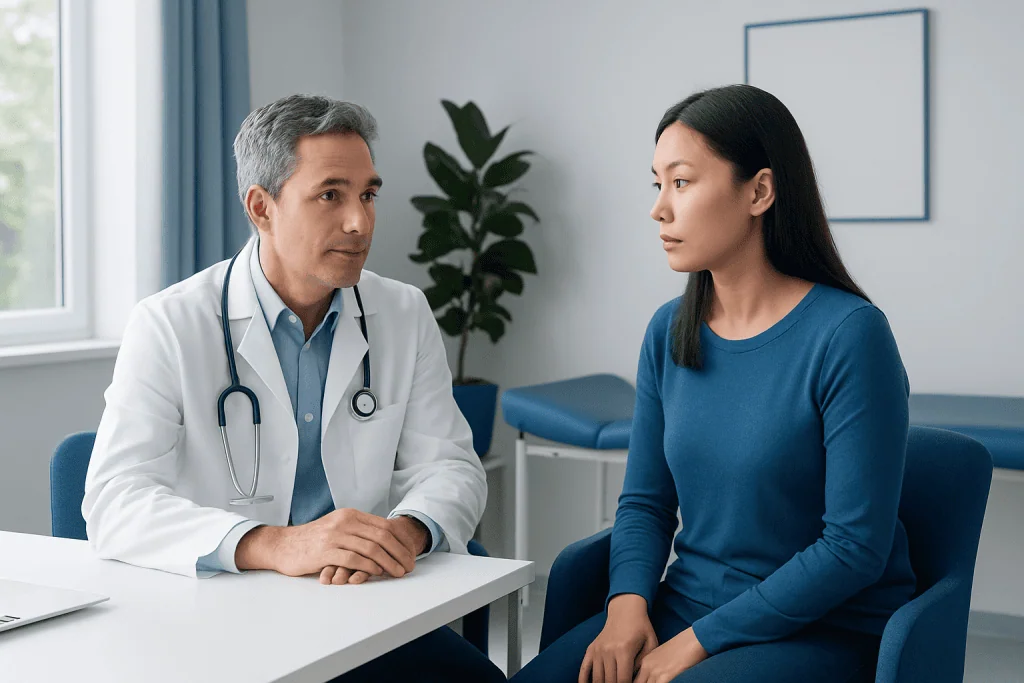
Medical evaluation usually begins with a detailed history. A doctor may ask when the symptom started, how often it happens, what the stool looks like, whether there is urgency or incontinence, what foods seem to trigger it, and whether medications could be contributing. Travel, recent antibiotics, family history, and stress can also be relevant.
A physical examination may follow, especially if abdominal pain, weight loss, or signs of dehydration are present. Depending on the pattern, the doctor may order blood tests to look for inflammation, anemia, thyroid problems, or celiac disease. Stool tests may help check for infection, inflammation, or blood that is not visible.
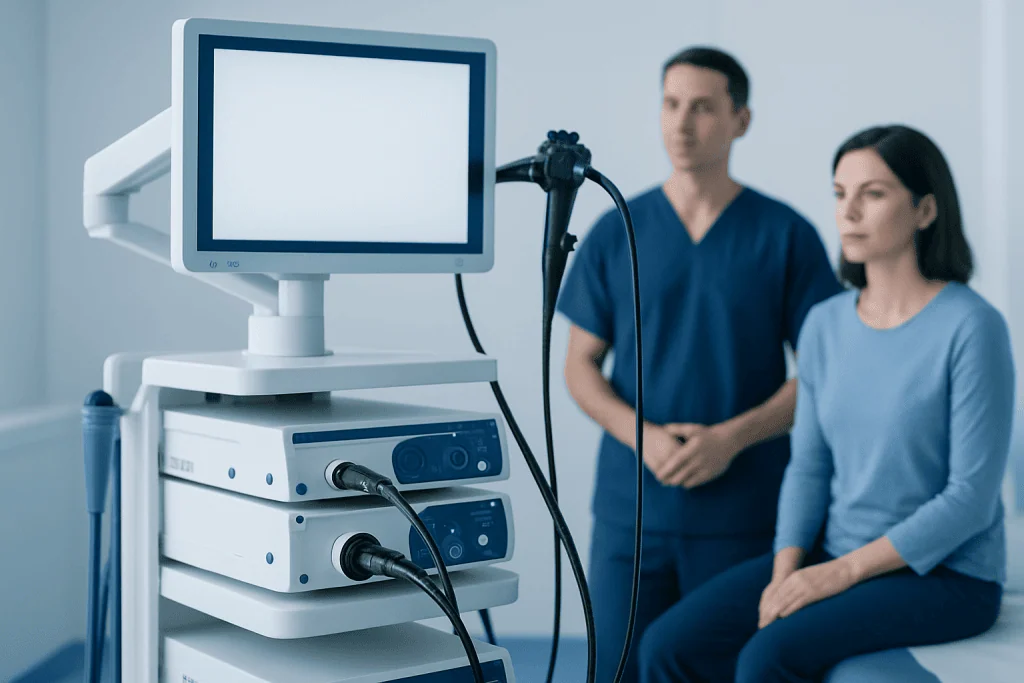
If symptoms are long-standing, severe, or unexplained, additional tests may be needed. These can include breath tests for intolerance, imaging, or endoscopy such as colonoscopy to examine the large intestine. In selected cases, upper endoscopy may help evaluate celiac disease or other upper digestive problems.
The purpose of testing is not simply to name a disease, but to rule out serious causes while identifying patterns that can be managed effectively. Many people do not need extensive testing, especially if symptoms clearly match a functional bowel disorder and no warning signs are present.
Treatment options and practical next steps
Treatment depends on the cause. If the symptom is mainly due to a strong gastrocolic reflex, simple changes may be enough. Smaller meals, slower eating, less caffeine, and limiting high-fat foods often reduce urgency. A regular eating schedule can also help some people by making bowel activity more predictable.
When IBS is the cause, treatment may include diet changes, stress management, and sometimes medication prescribed by a doctor. Some people benefit from identifying trigger foods, increasing soluble fiber gradually, or trying a clinician-guided low-FODMAP approach. If food intolerance is suspected, targeted elimination rather than broad restriction is usually safer and more useful.
For inflammatory or structural bowel disease, treatment is more specific and guided by the diagnosis. This may involve specialist care in gastroenterology and, when needed, therapies aimed at reducing inflammation or treating malabsorption. If symptoms relate to an upper digestive issue such as persistent indigestion, doctors may also consider endoscopy as part of the workup.
Near the end of the care pathway, individualized follow-up matters. Acibadem International’s multidisciplinary specialists in JCI-accredited hospitals evaluate digestive symptoms in international patients and can coordinate testing and treatment plans when needed.
Self-care and prevention strategies
Self-care begins with observation rather than guesswork. A simple diary that records meal timing, portion size, drinks, stress levels, and bowel movements can reveal patterns that are easy to miss day to day. This can help distinguish random episodes from repeat triggers such as coffee, large meals, dairy, or highly processed foods.
Hydration is important, especially if stools are loose. Eating regular meals, chewing thoroughly, and avoiding rushing through food may reduce the sudden urge that follows eating. Some people find that smaller, more frequent meals are gentler on the digestive system than one or two large meals.
It is usually best not to over-restrict the diet without medical guidance. Cutting out many foods at once can make nutrition harder and may not identify the true trigger. Over-the-counter remedies can help in some situations, but persistent symptoms should not be managed indefinitely without a proper diagnosis.
Stress management may also make a difference. The gut and brain are closely connected, so anxiety, poor sleep, and emotional strain can worsen urgency and bowel sensitivity. Gentle exercise, relaxation techniques, and consistent routines may help support digestive regularity.
When to seek medical care
Someone should seek medical advice if the urge to poop right after eating is happening often, is worsening, or interferes with daily activities. Medical review is especially important if stools are persistently loose, symptoms last more than a few weeks, or there is no clear dietary explanation.
Certain symptoms need prompt attention. These include blood in the stool, black tarry stool, fever, severe abdominal pain, repeated vomiting, fainting, dehydration, unexplained weight loss, or waking from sleep to have diarrhea. These features can signal inflammation, bleeding, infection, or another condition that needs assessment.
People with a family history of inflammatory bowel disease, celiac disease, or colorectal cancer should be particularly careful about new bowel changes. Older adults and people with immune system problems may also need earlier evaluation. A clinician can determine whether the symptom is a normal reflex, a functional disorder, or a condition that requires treatment.
In short, this symptom is often benign, but it should not be ignored if warning signs are present. A clear diagnosis can reduce worry and guide practical, effective treatment.
Frequently asked questions
Is it normal to poop right after eating?
Yes, it can be normal. Eating often triggers the gastrocolic reflex, which stimulates the colon and can create the urge to have a bowel movement soon after a meal. If this happens occasionally without pain, blood, or ongoing diarrhea, it is often harmless.
Does food go straight through the body if I poop right after eating?
Usually no. Digestion takes much longer than a few minutes, so the stool passed right after eating is typically from earlier meals. The new meal mainly acts as a trigger that tells the colon to contract.
Why is the urge stronger after breakfast or coffee?
The bowel is often naturally more active in the morning. Breakfast and caffeine can both strengthen the gastrocolic reflex, which may make urgency more noticeable after waking up.
Could this mean IBS?
It could, especially if the urge after meals comes with cramping, bloating, and loose stools that improve after a bowel movement. IBS is a common cause of bowel sensitivity, but diagnosis should be made by a qualified clinician after other causes are considered.
What foods commonly trigger pooping after meals?
Common triggers include coffee, high-fat meals, spicy foods, dairy in people with lactose intolerance, and foods high in certain fermentable carbohydrates. Trigger foods vary from person to person, so keeping a symptom diary can be helpful.
When should I worry about pooping right after eating?
Medical care is important if symptoms are frequent, worsening, or associated with blood in stool, weight loss, fever, severe pain, nighttime diarrhea, or dehydration. These signs can suggest something more than a normal digestive reflex.
References
- National Institute of Diabetes and Digestive and Kidney Diseases
- American College of Gastroenterology
- National Health Service
- Mayo Clinic
- World Gastroenterology Organisation
This article is for general information only and is not a substitute for professional medical advice. Please consult a qualified doctor about your individual situation.
Medical weight-loss options in Turkey — costs & eligibility
JCI-accredited · board-certified surgeons · reply within 24h
Add us as a Preferred Source to see more of our trusted health content across Google Search, AI Overviews and Discover.