Why Do We Have Fingernails? A Doctor-Reviewed Answer

Fingernails help protect the fingertips and improve precision grip. They make touch more effective by supporting the soft tissue beneath the fingertip.
Key Takeaways
- Fingernails help protect the fingertips and improve precision grip.
- They make touch more effective by supporting the soft tissue beneath the fingertip.
- Most nail color or shape differences are harmless, especially after minor trauma or frequent wet work.
- Persistent pain, swelling, sudden dark streaks, or major nail distortion should be assessed by a doctor.
- Doctors can often identify the cause with an exam, medical history, and sometimes nail sampling or blood tests.
Fingernails are not just cosmetic. They protect the sensitive tips of the fingers, support fine movements such as picking up small objects, and even make touch more precise by giving the fingertip a firm backing.
Overview: Why do we have fingernails?
In most people, fingernails are a normal and useful part of hand function. The short answer to the question why do we have fingernails is that they protect the delicate ends of the fingers, help people grasp and manipulate small objects, and make the sense of touch more accurate.
Each nail acts like a firm plate over the fingertip. This support gives the soft tissue beneath the finger a stable surface, which improves pressure sensing and helps with tasks such as buttoning clothes, scratching an itch, peeling a label, or picking up a coin. Without nails, many everyday movements would be less precise and less efficient.
Fingernails also offer clues about general health, although many visible changes are harmless. A nail may become ridged, discolored, split, or thickened after repeated wet work, minor injury, aging, or cosmetic products. Still, some changes can point to infection, skin disease, nutritional issues, or other medical concerns, so it is helpful to know which signs deserve medical attention.
How fingernails are built and how they grow
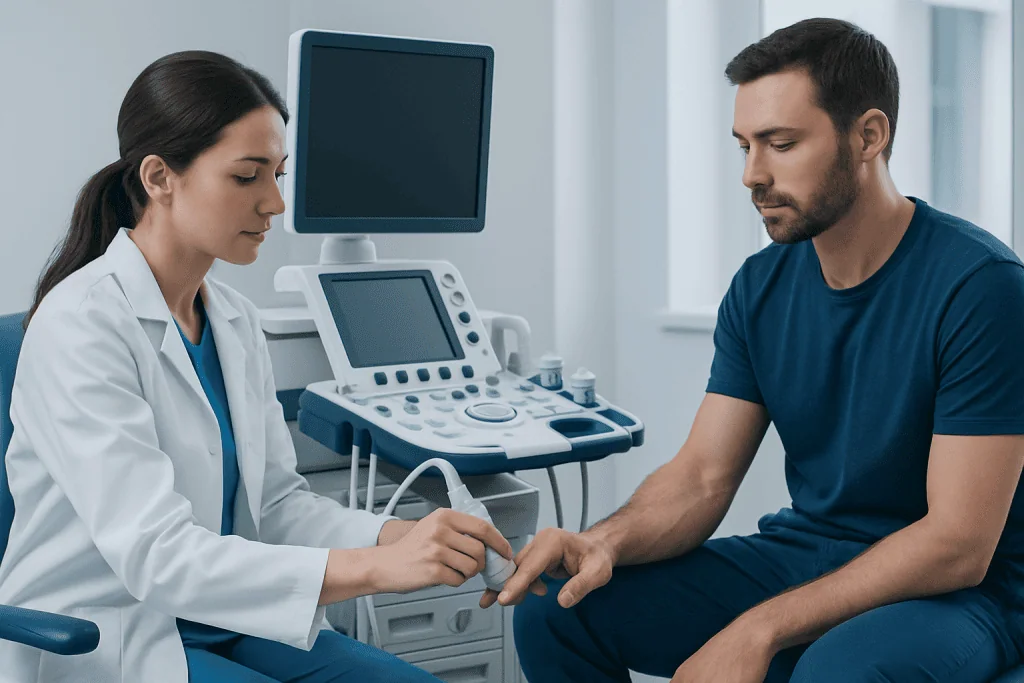
A fingernail is made mostly of keratin, a tough protein also found in hair and the outer layer of skin. The visible nail plate sits on the nail bed, while new nail cells are produced in the nail matrix, which lies under the skin near the base of the nail. This is why injury near the cuticle area can affect how a nail grows for weeks or months afterward.
The pale half-moon shape seen on some nails is called the lunula. The cuticle forms a seal between the nail plate and the surrounding skin, helping keep out irritants and germs. The skin folds at the sides and base of the nail also protect the growing nail as it moves forward.
Fingernails grow continuously, but slowly. Growth rate can vary with age, nutrition, circulation, seasons, and overall health. Because nails grow over time, they can preserve a record of earlier injury or illness, which is one reason doctors sometimes examine them carefully during a routine physical assessment.
What fingernails do in everyday life

Many people think of nails mainly as cosmetic, but their practical role is more important. By stiffening the fingertip, fingernails improve fine motor control. This matters in activities that require precision, including typing, fastening jewelry, opening packaging, turning thin pages, and handling small tools.
Nails also improve sensation. The firm nail plate creates counterpressure when the finger touches an object, allowing nerve endings in the fingertip to detect texture, shape, and force more accurately. In other words, nails do not feel sensation themselves, but they help the fingertip feel better.
Another function is protection. Fingertips contain dense networks of nerves and blood vessels. The nail helps shield this sensitive area from minor trauma. Although nails cannot prevent all injuries, they reduce everyday wear to the soft tissue at the ends of the fingers and help keep the fingertip structurally supported.
From an evolutionary perspective, human nails are thought to be a modified form of claws seen in other primates. Over time, as hand use became more specialized for grasping and fine manipulation, flatter nails likely became more useful than sharp claws for daily function.
Common fingernail changes and what they may mean
Most nail changes are not dangerous. White spots often follow minor knocks to the nail. Longitudinal ridges can become more noticeable with age. Splitting or peeling may happen after frequent handwashing, repeated contact with cleaning products, or use of nail cosmetics. Temporary changes may also follow an injury, even one a person barely noticed at the time.
Some changes are linked to local nail conditions. Thickening, yellowing, crumbling, or lifting from the nail bed can happen with fungal infection or inflammatory skin disorders. Nail pitting, separation, or irregular surface changes may be seen in some people with psoriasis. Redness and tenderness around the nail fold can suggest irritation or infection of the surrounding skin.
Nails can occasionally reflect broader health issues, but they are rarely diagnostic on their own. Pallor, spoon-shaped nails, clubbing, or marked brittleness can sometimes be associated with underlying medical conditions such as anemia, lung disease, thyroid disorders, or nutritional deficiencies. A doctor usually interprets nail findings together with symptoms, medical history, and examination.
Because several nail problems overlap, self-diagnosis is not always reliable. If a nail remains painful, changes quickly, or looks significantly different from the others for no clear reason, a clinical review can help determine whether the cause is harmless wear and tear or something that needs treatment.
Red flags: when fingernail changes should be checked
Most nail differences are harmless, but some symptoms should be evaluated. Medical review is sensible if a person has persistent pain, swelling, redness, pus, bleeding, a nail that is separating from the skin, or a deformity that does not improve as the nail grows. A dark streak or spot under the nail that appears without an obvious injury should also be assessed, especially if it is widening or changing.
Other reasons to seek care include thickened or crumbly nails that spread to other nails, repeated ingrown nails, severe brittleness, or sudden changes in nail shape or color. A person should also speak to a doctor if nail changes occur together with fatigue, shortness of breath, rashes, joint symptoms, unexplained weight change, or circulation problems in the hands.
If there is significant infection, surrounding skin inflammation, or concern about a structural nail problem, assessment by a dermatologist or hand specialist may be helpful. Some people with long-standing skin disorders such as eczema can develop nail changes related to inflammation or scratching, and these may improve when the underlying condition is managed.
Prompt evaluation matters especially after a crushing injury, severe pain under the nail, or signs of reduced blood flow to the finger. Although many traumatic nail injuries heal well, some need drainage, splinting, or further examination to protect the nail bed and fingertip.
How doctors diagnose nail problems
A doctor usually starts with a careful history and physical examination. They may ask when the nail change began, whether it affects one nail or several, whether there has been trauma, and whether there are symptoms such as itch, pain, discharge, numbness, or skin rash elsewhere on the body. Occupation, hobbies, frequent water exposure, and cosmetic nail practices can all be relevant.
The nail itself is examined for color, thickness, shape, attachment to the nail bed, and changes in the surrounding skin. Doctors often compare all fingernails and sometimes toenails, because patterns can provide useful clues. They may also look at the scalp, elbows, knees, palms, and joints if conditions such as dermatitis or psoriasis are suspected.
When infection is possible, a sample from the nail or surrounding debris may be sent for microscopy or culture. Blood tests may be considered if there are concerns about anemia, thyroid disease, nutritional deficiency, inflammation, or another systemic condition. Imaging is not usually needed, but it may be used after trauma or when a growth beneath the nail is suspected.
If a person has a persistent or suspicious lesion under the nail, a specialist may recommend further assessment. Depending on the problem, treatment might involve dermatology evaluation or, more rarely, a minor procedure to examine the nail unit more closely.
Treatment and self-care for unhealthy nails
Treatment depends on the cause. Simple dryness or splitting often improves with reduced exposure to water and harsh chemicals, regular use of a bland moisturizer, and avoiding picking or aggressive trimming. Wearing gloves for cleaning or dishwashing can help protect the nail plate and the skin around it.
If a fungal infection is confirmed, treatment may include topical or oral antifungal therapy, chosen according to the severity and location of the infection. For inflammatory nail problems related to skin disease, treatment focuses on the underlying condition. This may involve medicated creams, protective nail care, or targeted dermatologic treatment when appropriate.
Traumatic nail injuries may need rest, wound care, or drainage if blood collects painfully beneath the nail. In some cases, doctors evaluate nearby soft tissue or bone damage, especially after crush injuries. Patients with chronic nail changes linked to skin inflammation may benefit from coordinated care through specialist skin care, while severe traumatic problems sometimes require assessment in orthopedics and traumatology.
People should avoid trying to cut out deeply embedded nail edges, peel detached nail sections forcefully, or use unproven chemical remedies. Home care is useful for minor problems, but persistent symptoms deserve professional guidance. Near the end of the care pathway, some international patients choose evaluation at centers such as Acibadem International, where multidisciplinary specialists in JCI-accredited hospitals diagnose and treat nail and skin-related concerns.
Prevention and healthy nail habits
Healthy nails benefit from simple routines. Keeping nails clean and trimmed, but not excessively short, lowers the chance of catching, splitting, and trauma. Moisturizing the nails and cuticles after handwashing may reduce dryness and brittleness, especially in people who wash their hands frequently or use alcohol-based sanitizers often.
Protective habits are equally important. Gloves can reduce damage from detergents, solvents, and prolonged wet work. Nail biting, picking at the cuticles, and scraping with the nails can all injure the nail unit and increase infection risk. Gentle nail care is generally better than frequent buffing or harsh chemical exposure.
A balanced diet supports nail growth, although supplements are not needed for most people unless a deficiency is identified. If nails become persistently thin, brittle, or unusually slow to recover, a doctor can decide whether testing is needed. Prevention is not about achieving perfectly smooth nails; minor ridges and small variations are common and often normal.
Good skin care can also support nail health, especially in people with hand dermatitis or other inflammatory conditions. Managing skin disease, limiting triggers, and treating infection early can help protect the nails over time.
Frequently asked questions
Do fingernails have a real purpose, or are they mainly cosmetic?
Fingernails have an important practical purpose. They protect the fingertips, improve fine hand movements, and help the fingertips sense pressure and texture more accurately. Cosmetic appearance is only one part of what nails do.
Why do nails help with touch if the nail itself cannot feel?
The nail plate gives the soft fingertip a firm surface to press against during contact. This counterpressure helps nerve endings in the fingertip detect detail more precisely. As a result, touch becomes more refined even though the nail itself is not a sensory organ.
Are ridges or white spots on fingernails usually a sign of illness?
Not usually. Small white spots often follow minor bumps, and vertical ridges commonly become more visible with age. If changes are persistent, painful, spreading, or accompanied by other symptoms, a doctor can help determine whether there is an underlying cause.
Can fingernails show signs of health problems elsewhere in the body?
Sometimes, yes, but nail changes alone rarely confirm a diagnosis. Doctors may consider broader health issues if nail changes occur with fatigue, shortness of breath, skin rashes, joint symptoms, or other systemic signs. The pattern of changes and the rest of the examination matter a great deal.
What nail changes should never be ignored?
Persistent pain, swelling, pus, a nail lifting away from the nail bed, or a dark streak that appears without injury should be assessed. Sudden major changes in shape or color also deserve medical review. Early evaluation helps rule out infection, inflammatory disease, or less common serious causes.
How can someone keep fingernails healthy?
Gentle nail care is usually most effective. Keeping nails trimmed, using moisturizer, avoiding picking, and wearing gloves during wet or chemical work can reduce damage. If nails repeatedly split, thicken, or change color, professional advice is a better option than repeated self-treatment.
References
- American Academy of Dermatology
- National Health Service
- Merck Manual
- Mayo Clinic
- DermNet
This article is for general information only and is not a substitute for professional medical advice. Please consult a qualified doctor about your individual situation.
Explore treatments in Turkey — costs, top hospitals & a free quote
JCI-accredited · board-certified surgeons · reply within 24h
Add us as a Preferred Source to see more of our trusted health content across Google Search, AI Overviews and Discover.

More from the Health Library



Related Specialists

Fzt. Merve Cingöz
Physical Medicine & Rehabilitation
Dr. Bülent Şengül
Gastroenterology
Dr. Zeynep Göksu Saydam
Emergency Service
Assoc. Prof. Dr. Aylin Altan Kuş
Gastrointestinal Oncology Unit Clinical Service