Why Do We Sleep? A Doctor-Reviewed Answer

Sleep helps the brain and body recover, regulate, and repair. There is no single reason for sleep; it supports memory, mood, immunity, metabolism, and heart health at the same time.
Key Takeaways
- Sleep helps the brain and body recover, regulate, and repair.
- There is no single reason for sleep; it supports memory, mood, immunity, metabolism, and heart health at the same time.
- Poor sleep is common and often improves with healthy habits, but persistent daytime sleepiness, loud snoring, or pauses in breathing should be medically assessed.
- Doctors evaluate sleep concerns by reviewing symptoms, habits, medications, and medical history, and sometimes recommend a sleep study.
- Consistent sleep schedules, a restful bedroom, and limiting caffeine and screens before bed can improve sleep quality.
Sleep is a normal biological need, not a sign that something is wrong. People sleep because the brain and body use this time to restore energy, process memories, regulate hormones, support immunity, and keep many vital systems working well.
Overview: Why humans need sleep
For most people, the simple answer to why do we sleep is that sleep is the body’s built-in maintenance period. It is a normal, healthy state that allows the brain and body to restore energy, organize information, regulate hormones, support the immune system, and repair everyday wear and tear. Needing sleep is not a weakness or a problem; it is a basic biological requirement, much like needing food or water.
Scientists still study the full purpose of sleep, but they agree that it serves many functions at once rather than one single task. During sleep, brain activity changes in organized patterns across different stages. These stages help with learning, emotional balance, physical recovery, and the regulation of systems that affect appetite, blood pressure, blood sugar, and body temperature.
Most sleep questions are harmless and relate to lifestyle, stress, or temporary schedule changes. However, when poor sleep becomes persistent or causes significant daytime symptoms, a medical review can help identify conditions such as insomnia, circadian rhythm problems, or sleep apnea. Understanding what sleep does can make it easier to recognize when sleep needs support.
What sleep does for the brain and body
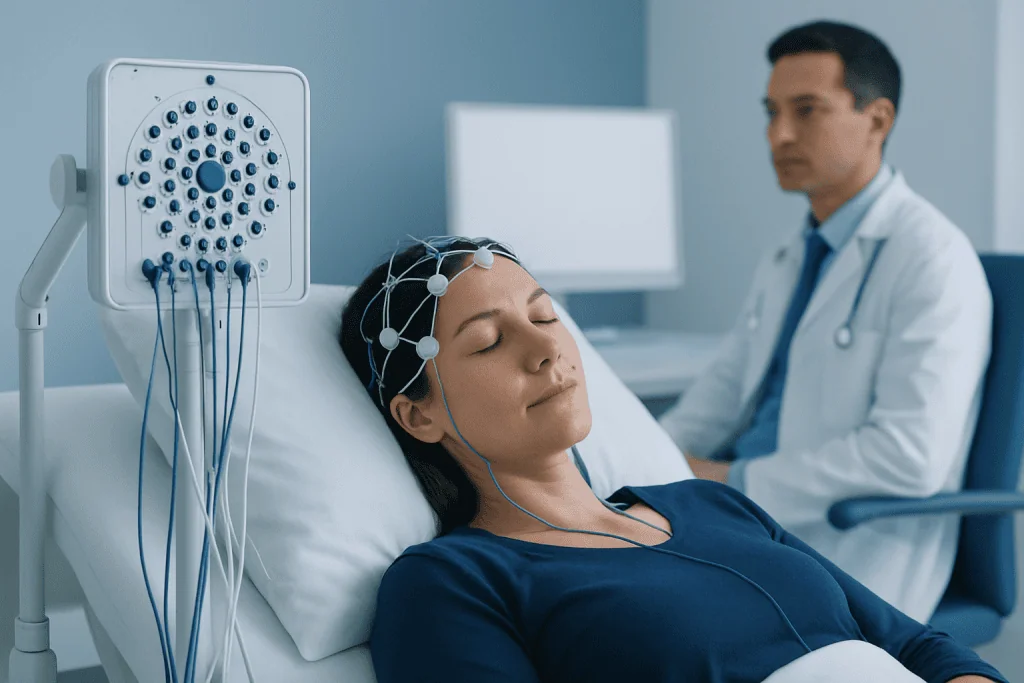
Sleep supports brain function in several important ways. It helps stabilize memories, making it easier to retain new information and use what has been learned during the day. It also supports attention, problem-solving, emotional control, and reaction time. After too little sleep, many people notice irritability, forgetfulness, slower thinking, or trouble concentrating.
The body also relies on sleep for physical regulation and repair. During sleep, hormone levels shift in ways that support growth, tissue maintenance, and metabolism. Immune function is also influenced by sleep, which is one reason people may feel more run down when they are consistently sleep deprived. Good sleep helps the body respond appropriately to infection, inflammation, and daily physical stress.
Sleep also helps regulate the heart and circulation. Blood pressure normally follows a healthy overnight pattern, and the nervous system gets a chance to rebalance. Over time, poor sleep can affect energy levels, appetite cues, blood sugar control, and overall well-being. In other words, sleep is not simply a period of “switching off”; it is an active and essential process.
- Supports learning and memory consolidation
- Helps regulate mood and stress responses
- Assists immune defenses and recovery
- Balances hormones related to hunger, metabolism, and growth
- Supports cardiovascular and nervous system health
Sleep stages and the body clock

Sleep happens in repeating cycles made up of non-rapid eye movement (non-REM) sleep and rapid eye movement (REM) sleep. Non-REM sleep includes lighter and deeper stages. Deeper sleep is especially important for physical restoration, while REM sleep is closely linked to dreaming, emotional processing, and aspects of memory. A typical night includes several cycles, and each stage plays a useful role.
Just as important as sleep stages is the body’s internal clock, known as the circadian rhythm. This timing system influences when a person feels sleepy or alert over a 24-hour period. Light exposure, meal timing, work schedules, and routine all affect this rhythm. When the circadian rhythm is disrupted, a person may struggle to fall asleep, wake too early, or feel sleepy at the wrong times.
This is why sleep quality is about more than total hours in bed. A person may spend enough time trying to sleep but still wake unrefreshed if sleep is fragmented or out of sync with their natural body clock. In some cases, doctors may recommend further assessment through a sleep study to better understand sleep stages, breathing, and nighttime disruptions.
Why people feel sleepy and what affects sleep need
Sleepiness builds across the day because the body keeps track of time awake. The longer a person stays up, the stronger the drive to sleep becomes. This sleep drive works together with the circadian rhythm. When both systems are aligned, people tend to feel awake during the day and sleepy at night. When they are misaligned, sleep can feel difficult even when someone is tired.
Sleep need is not exactly the same for everyone. Age, genetics, daily activity, stress, illness, and medications can all influence how much sleep a person needs to function well. Children and teenagers generally need more sleep than adults, while older adults may notice changes in sleep timing and continuity. The best guide is often how alert and functional a person feels during the day.
Short-term sleep problems are often linked to common factors such as emotional stress, travel across time zones, shift work, pain, caffeine, alcohol, or irregular bedtimes. These issues are usually manageable. But if poor sleep persists, or if daytime sleepiness becomes severe, a doctor may look for underlying causes including insomnia, mood disorders, breathing-related sleep disorders, restless legs syndrome, or circadian rhythm disorders.
When poor sleep may need medical attention
In many cases, occasional poor sleep is not a sign of serious disease. A few restless nights can happen during stressful periods, after illness, or when routines change. Still, certain symptoms deserve medical review because they may point to a sleep disorder or another health issue that can be treated.
It is sensible to seek medical care if sleep problems last for several weeks, if daytime fatigue is affecting work, school, or driving, or if a bed partner notices loud snoring, choking, gasping, or pauses in breathing during sleep. Morning headaches, waking unrefreshed despite enough time in bed, unusual movements in sleep, or frequent nighttime awakenings are also reasons to ask for advice. People with anxiety, depression, chronic pain, heart disease, or lung disease may also benefit from evaluation if sleep worsens.
More urgent assessment is appropriate when severe daytime sleepiness creates safety concerns, such as dozing while driving, or when sleep symptoms are accompanied by chest pain, fainting, new neurological symptoms, or significant breathing difficulty. These situations should not be ignored. For some patients, evaluation may lead to targeted therapies such as CPAP treatment when sleep-disordered breathing is confirmed.
How doctors evaluate sleep concerns
Doctors usually begin with a detailed history. They ask when the problem started, whether the main issue is falling asleep, staying asleep, waking too early, or feeling excessively sleepy during the day, and whether symptoms happen every night or only sometimes. Sleep habits, work schedules, caffeine and alcohol use, exercise, medications, and stress levels all provide important clues.
A review of associated symptoms helps narrow the cause. Loud snoring, witnessed breathing pauses, morning headaches, or dry mouth can suggest obstructive sleep apnea. Anxiety, low mood, racing thoughts, pain, heartburn, or frequent urination may point to other explanations. In some cases, keeping a sleep diary or using a wearable device can help map patterns, although wearable data does not replace formal medical assessment.
Examination and testing depend on the person’s symptoms. A doctor may assess the airway, weight pattern, blood pressure, neurological signs, and signs of medical conditions that disturb sleep. Sometimes blood tests are used to check for contributors such as thyroid problems or iron deficiency. If breathing problems, unusual movements, or severe daytime sleepiness are suspected, formal testing such as overnight polysomnography may be recommended. If needed, multidisciplinary specialists at Acibadem International, in JCI-accredited hospitals, evaluate and treat sleep-related conditions for international patients.
Treatment, prevention, and self-care
Treatment depends on the cause. If sleep problems are linked to temporary stress or poor sleep habits, lifestyle changes may be enough. If a doctor identifies a sleep disorder, treatment may focus on the specific condition. For example, persistent difficulty falling or staying asleep may be related to insomnia, while breathing-related symptoms may need airway-focused treatment. Managing contributing conditions such as depression, chronic pain, reflux, or nasal obstruction can also improve sleep.
Healthy sleep habits are a practical first step for many people. These measures are most effective when followed consistently rather than only after a bad night. Improvement may take time, especially if sleep has been disrupted for weeks or months.
- Keep a regular sleep and wake time, even on weekends.
- Use the bedroom mainly for sleep and intimacy, not work or prolonged screen time.
- Reduce caffeine later in the day and limit alcohol close to bedtime.
- Create a cool, dark, quiet sleeping environment.
- Avoid heavy meals right before bed, but do not go to bed overly hungry.
- Get daylight exposure and regular physical activity during the day.
- Limit naps if they make it harder to sleep at night.
If self-care measures do not help, medical treatment may include behavioral strategies, treatment of underlying medical problems, or device-based therapy for breathing disorders. The safest next step is to discuss persistent symptoms with a qualified doctor rather than relying on sleep medications without guidance.
Frequently asked questions
Why do we sleep if the body is resting anyway?
Sleep is more than simple rest. During sleep, the brain and body carry out organized processes that support memory, hormone regulation, immune function, emotional balance, and physical repair. These functions are difficult to replace with quiet wakefulness alone.
Can someone function well with very little sleep?
Some people feel they adapt to short sleep, but performance, mood, and reaction time often still decline. Chronic sleep restriction can affect health even when the person does not immediately notice the impact. The amount of sleep needed varies, but regular daytime alertness is a useful sign.
Is dreaming the main purpose of sleep?
No. Dreaming is a normal part of sleep, especially during REM sleep, but it is not the only reason people sleep. Sleep includes several stages, each of which appears to support different aspects of brain and body function.
Why do I feel tired even after a full night in bed?
Time in bed is not always the same as restorative sleep. Fragmented sleep, breathing problems, stress, pain, medications, or sleep disorders can reduce sleep quality. If this happens often, a doctor can help look for the cause.
Does age change the need for sleep?
Yes. Children and teenagers usually need more sleep than adults because of growth and development. Older adults may sleep more lightly or wake more often, but they still need enough quality sleep to function well.
When should snoring be checked by a doctor?
Snoring should be assessed if it is loud, frequent, or linked to choking, gasping, pauses in breathing, morning headaches, or daytime sleepiness. These features can suggest obstructive sleep apnea. Evaluation is especially important if sleepiness affects driving or daily safety.
References
- American Academy of Sleep Medicine
- National Heart, Lung, and Blood Institute
- Centers for Disease Control and Prevention
- National Institute of Neurological Disorders and Stroke
- National Institutes of Health
This article is for general information only and is not a substitute for professional medical advice. Please consult a qualified doctor about your individual situation.
Explore treatments in Turkey — costs, top hospitals & a free quote
JCI-accredited · board-certified surgeons · reply within 24h
Add us as a Preferred Source to see more of our trusted health content across Google Search, AI Overviews and Discover.
Check your numbers in seconds
BMI, calories, due date, blood pressure and 30+ more clinical calculators — free, instant, doctor-reviewed ranges.