Why Does Alcohol Make You Poop? Here Is What the Evidence Says

Alcohol may trigger bowel movements by increasing gut motility and irritating the stomach and intestines. Beer, wine, cocktails, mixers, and large amounts of alcohol can affect people differently.
Key Takeaways
- Alcohol may trigger bowel movements by increasing gut motility and irritating the stomach and intestines.
- Beer, wine, cocktails, mixers, and large amounts of alcohol can affect people differently.
- Loose stools after drinking are often short-lived, but repeated symptoms can point to intolerance or an underlying digestive condition.
- Warning signs such as blood in the stool, severe abdominal pain, fever, vomiting, or dehydration need prompt medical review.
- A doctor may evaluate symptoms with a medical history, exam, stool tests, blood tests, or endoscopy when needed.
Alcohol can make some people poop because it speeds movement in the intestines, irritates the digestive tract, and changes how the body handles fluids. In many cases this is temporary and harmless, but ongoing diarrhea, blood in the stool, severe pain, or signs of dehydration should be medically assessed.
Overview: why alcohol can trigger a bowel movement
For many people, the answer to why does alcohol make you poop is fairly simple: alcohol can stimulate the intestines to move faster than usual. When stool passes through the colon too quickly, there is less time for water to be absorbed, which can lead to urgent bowel movements or loose stools after drinking.
In most otherwise healthy adults, this effect is short-term and settles once the alcohol is out of the system. It is more likely to happen after larger amounts of alcohol, on an empty stomach, or when alcohol is combined with foods or mixers that the body does not tolerate well.
That said, alcohol-related bowel changes are not always just about alcohol itself. Coffee liqueurs, sugary mixers, artificial sweeteners, carbonation, and late-night meals can all add to the effect. People who already have a sensitive digestive system may notice symptoms more strongly.
Most episodes are not dangerous, but bowel changes should not be ignored if they are severe or repeated. Red flags include persistent diarrhea, black or bloody stool, severe abdominal pain, fainting, fever, or signs of dehydration such as extreme thirst, dizziness, or very dark urine.
What alcohol does in the digestive system
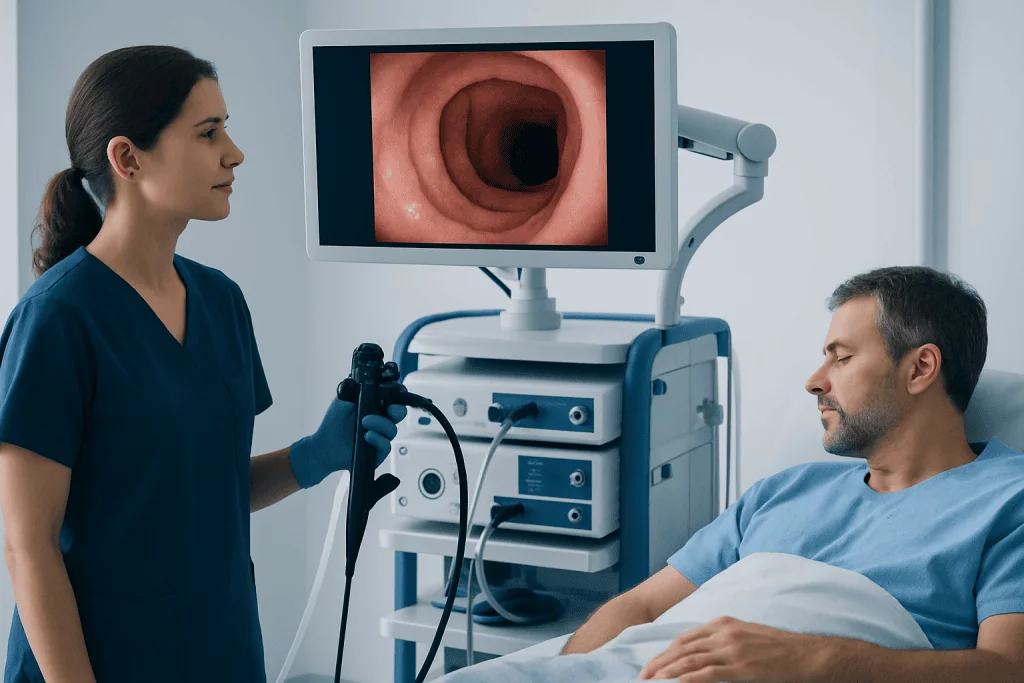
Alcohol affects the digestive tract from the moment it is swallowed. It can increase acid production in the stomach, alter muscle contractions in the intestines, and irritate the lining of the gut. These effects can contribute to cramping, nausea, urgency, and a need to use the bathroom soon after drinking.
One important mechanism is increased gut motility, meaning the intestines move contents along more quickly. Faster transit can cause stool to be less formed. This is one reason some people notice diarrhea after a night of drinking even if they did not eat anything unusual.
Alcohol can also interfere with fluid balance. It has a dehydrating effect, yet at the same time it may lead to looser stool in some people because the bowel does not absorb water normally when irritated. The combination can leave a person feeling both dehydrated and prone to diarrhea.
There is also growing interest in how alcohol changes the gut microbiome and the protective barrier of the intestines. In some people, repeated drinking may make the gut more sensitive over time, making symptoms more likely after even modest amounts.
Common reasons symptoms happen after drinking
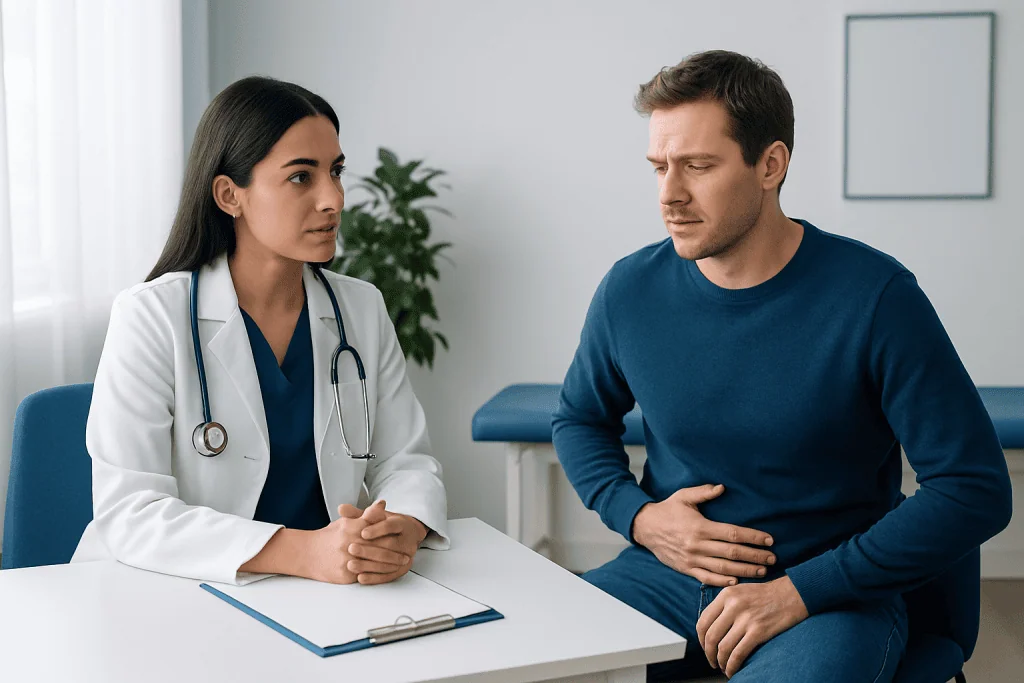
Not everyone reacts to alcohol in the same way. The type of drink, the amount consumed, individual sensitivity, and any underlying digestive condition all matter. Some people may feel fine after one drink but develop urgent bowel movements after several.
Common contributors include:
- Large amounts of alcohol: more alcohol generally means more irritation and faster intestinal movement.
- Beer and carbonated drinks: bubbles can increase bloating and urgency.
- Sugary cocktails or mixers: excess sugar may draw water into the bowel and worsen diarrhea.
- Artificial sweeteners: some sugar-free mixers can trigger loose stools.
- Dairy in cocktails: milk or cream can cause symptoms in people with lactose intolerance.
- High-fat or spicy foods: foods often eaten while drinking can also stimulate the gut.
Some alcoholic drinks may also contain substances such as sulfites, histamine, or gluten that can bother certain individuals. For example, wine may trigger symptoms in a person who is sensitive to histamine, while beer may be harder to tolerate for someone with gluten-related concerns.
If bowel changes happen regularly after drinking, it can help to notice patterns rather than assuming every drink has the same effect. Tracking the type of alcohol, mixers, food eaten, and timing of symptoms may make the trigger clearer.
When it may point to an underlying condition
Sometimes alcohol does not create a brand-new problem but rather exposes a digestive issue that is already present. People with irritable bowel syndrome, inflammatory bowel disease, gastritis, food intolerances, or malabsorption may find that alcohol makes their symptoms noticeably worse.
For example, someone with irritable bowel syndrome may experience stronger urgency, bloating, and stool changes after alcohol because the gut is already more sensitive. In people with Crohn’s disease, alcohol may aggravate digestive symptoms even though triggers vary from person to person.
Alcohol can also worsen acid-related symptoms and inflammation in the upper digestive tract. If a person has frequent abdominal discomfort, nausea, burning, or repeated loose stools after drinking, a clinician may consider conditions such as gastritis, intolerance to certain ingredients, or other gastrointestinal disorders.
Repeated diarrhea should not be blamed on alcohol alone if it happens even with small amounts, starts suddenly after previously being well tolerated, or continues on days without drinking. Those patterns make it more important to look for another cause.
How doctors evaluate alcohol-related bowel symptoms
If symptoms are occasional and mild, medical testing may not be necessary. But if bowel changes are frequent, disruptive, painful, or associated with warning signs, a doctor will usually begin with a careful history. This includes the amount and type of alcohol, timing of symptoms, usual bowel habits, diet, medications, travel, and any family history of digestive disease.
A physical examination may focus on hydration, abdominal tenderness, weight changes, and signs of anemia or ongoing inflammation. Depending on the symptoms, doctors may order blood tests, stool tests, or tests for infection, inflammation, or malabsorption.
When symptoms suggest a structural or inflammatory problem, further evaluation may be needed. This can include imaging studies or an endoscopic assessment such as colonoscopy or upper endoscopy to look directly at the digestive tract.
The aim of diagnosis is not only to confirm whether alcohol is the trigger but also to rule out conditions that need treatment. This step is especially important if symptoms are persistent, worsen over time, or interfere with daily life.
Treatment, prevention, and self-care
The most effective treatment is usually to reduce or avoid the trigger. If alcohol consistently causes urgency or diarrhea, drinking less, drinking more slowly, or avoiding the specific type of drink that causes symptoms may help. Many people improve by not drinking on an empty stomach and by alternating alcoholic drinks with water.
It can also help to simplify what is consumed with alcohol. Avoiding heavy meals, very spicy foods, high-fat snacks, large amounts of caffeine, and sugar-free mixers may reduce the chance of bowel upset. If dairy-based drinks are a problem, lactose intolerance may be worth discussing with a doctor.
For people with recurring symptoms, a symptom diary can be practical. Writing down the drink type, amount, food eaten, and bowel pattern afterward may reveal whether the issue is alcohol itself, a specific ingredient, or an underlying digestive sensitivity.
If an underlying condition is found, treatment is guided by the diagnosis. Depending on the cause, care may involve nutritional changes, medicines, or specialist follow-up through services such as gastroenterology. Near the end of the care pathway, patients seeking evaluation abroad may also wish to know that Acibadem International’s multidisciplinary specialists and JCI-accredited hospitals diagnose and treat digestive conditions for international patients.
When to seek medical care
Most brief bowel changes after drinking are not an emergency, but some symptoms should be medically reviewed. A person should seek prompt care if they have blood in the stool, black tarry stool, severe or worsening abdominal pain, repeated vomiting, fever, fainting, confusion, or signs of dehydration.
Medical review is also important if diarrhea lasts more than a couple of days, happens often after small amounts of alcohol, leads to weight loss, wakes the person from sleep, or occurs even when they are not drinking. These patterns can suggest a condition beyond simple alcohol irritation.
People with known digestive disease, liver disease, immune system problems, or a history of gastrointestinal bleeding should be especially cautious. In these situations, new or worsening bowel symptoms deserve professional advice rather than self-treatment alone.
When in doubt, it is reasonable to stop drinking alcohol temporarily and speak with a qualified doctor. Timely evaluation can provide reassurance when symptoms are minor and help identify treatable causes when they are not.
Frequently asked questions
Is it normal to poop after drinking alcohol?
Yes, some people notice a bowel movement soon after drinking because alcohol can speed up intestinal movement and irritate the gut. If it happens only occasionally and settles quickly, it is often harmless. Persistent, painful, or severe symptoms should be checked by a doctor.
Why does beer make some people poop more than other drinks?
Beer may trigger symptoms because it contains alcohol, carbonation, and sometimes fermentable carbohydrates that can contribute to bloating and urgency. People also often drink beer in larger volumes, which may amplify the effect. Individual sensitivity varies from person to person.
Can alcohol cause diarrhea the next day?
Yes, alcohol can lead to loose stools later the same night or the next day. Faster bowel transit, gut irritation, dehydration, and food eaten while drinking can all play a role. Recurrent next-day diarrhea is a reason to review drinking patterns and possible digestive triggers.
Does alcohol make IBS worse?
It can. Many people with irritable bowel syndrome find that alcohol increases urgency, cramping, bloating, or stool changes, although triggers differ between individuals. Keeping a symptom diary may help identify whether a certain drink or amount is a problem.
Should someone stop drinking alcohol if it always causes bowel urgency?
If alcohol consistently causes urgency, reducing intake or avoiding the triggering drink is a sensible first step. Ongoing symptoms despite this change suggest there may be another cause worth assessing. A doctor can help determine whether testing is needed.
When is pooping after alcohol a warning sign?
It becomes more concerning when it is accompanied by blood in the stool, black stool, severe pain, fever, repeated vomiting, fainting, or dehydration. It also deserves attention if symptoms are frequent, worsening, or happening with small amounts of alcohol. These signs should prompt medical advice.
References
- National Institute on Alcohol Abuse and Alcoholism
- National Institute of Diabetes and Digestive and Kidney Diseases
- American College of Gastroenterology
- Mayo Clinic
- World Gastroenterology Organisation
This article is for general information only and is not a substitute for professional medical advice. Please consult a qualified doctor about your individual situation.
Persistent digestive symptoms? Get evaluated in Turkey
JCI-accredited · board-certified surgeons · reply within 24h
Add us as a Preferred Source to see more of our trusted health content across Google Search, AI Overviews and Discover.