

Why Does Cancer Spread after Surgery: Procedure, Recovery and Results
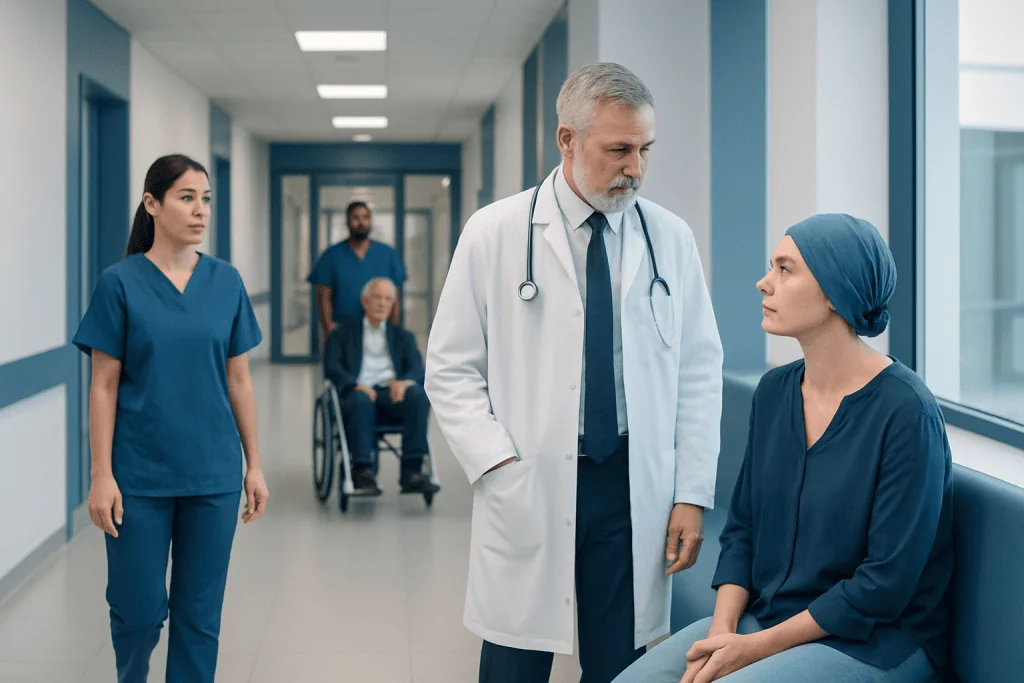
Cancer surgery is designed to remove tumors and can be curative for many people. Cancer found after surgery usually reflects cells that were present before the operation but were too small to detect.
Key Takeaways
- Cancer surgery is designed to remove tumors and can be curative for many people.
- Cancer found after surgery usually reflects cells that were present before the operation but were too small to detect.
- Pathology results, tumor stage, margins and cancer type help guide the need for additional treatment.
- Follow-up care may include scans, blood tests, clinical examinations and treatments such as chemotherapy, radiation therapy, targeted therapy or immunotherapy.
- New or worsening symptoms after surgery should be discussed with the cancer care team, although symptoms alone do not confirm cancer spread.
Cancer that appears or progresses after surgery is usually not caused by the operation itself. More often, microscopic cancer cells were already present but could not be detected at the time of surgery, or the cancer has biology that makes recurrence more likely.
Why does cancer spread after surgery?
Cancer surgery does not usually make cancer spread. When cancer returns or is discovered in another part of the body after an operation, it most often means that tiny cancer cells had already moved beyond the original tumor before surgery and were not visible on scans, blood tests or during the procedure. These cells may remain inactive for some time or may later grow enough to be detected.
The chance of recurrence depends on the cancer type, its stage and grade, whether lymph nodes are involved, the tumor’s molecular features and whether all visible cancer was removed. Doctors use surgery, pathology findings and follow-up testing together to estimate risk and decide whether additional treatment is helpful.
It is understandable to connect a recurrence with the timing of surgery. However, surgery is often the most effective way to remove a localized tumor, relieve symptoms, confirm a diagnosis and obtain detailed information about the cancer. For many patients, it is an essential part of potentially curative treatment.
How cancer surgery works and who may be a candidate
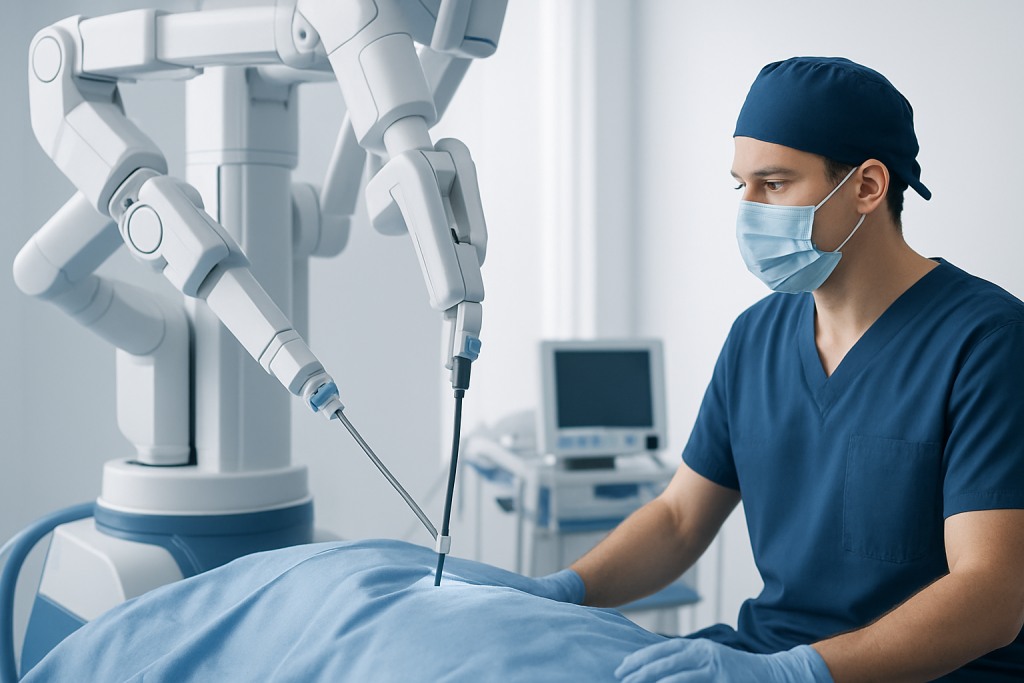
The goal of cancer surgery is to remove a tumor along with a margin of surrounding healthy tissue when appropriate. Depending on the cancer, the surgeon may also remove nearby lymph nodes to check whether cancer cells have traveled from the original site. The removed tissue is examined by a pathologist, who reports the cancer type, size, grade, margins and lymph-node findings.
People may be considered for surgery when the cancer appears localized, when removing it can reduce symptoms or when tissue is needed to establish a diagnosis. Surgery may be used before, after or alongside systemic treatments such as chemotherapy, immunotherapy, hormone therapy or targeted treatment. Some people receive treatment before surgery to shrink a tumor; others receive treatment afterward to lower the risk from unseen microscopic cells.
Suitability is individualized. The multidisciplinary team considers the cancer’s location and extent, expected benefit of surgery, overall health, other medical conditions and personal treatment goals. In some metastatic cancers, surgery can still have a role for symptom relief or carefully selected disease patterns, but systemic therapy is often central to treatment.
What happens before, during and after cancer surgery
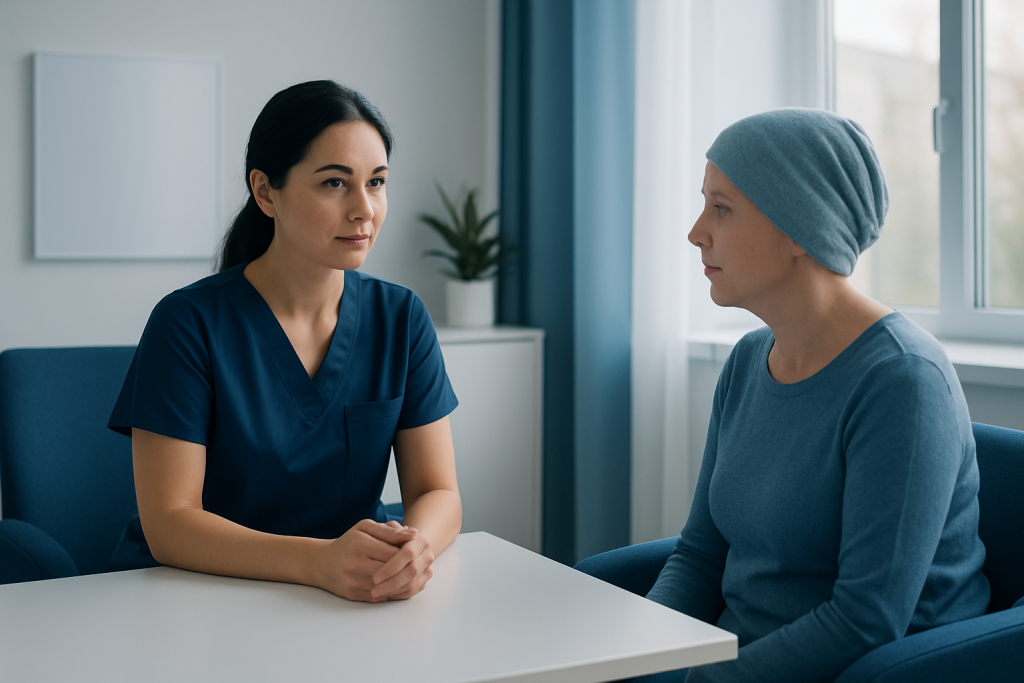
Before surgery, patients usually have imaging, blood tests and an anesthesia assessment. The care team explains the planned operation, possible alternatives, likely recovery needs and any preparation such as fasting, medication changes or bowel preparation. A biopsy and imaging results help the team plan the procedure, but the final pathology report after surgery may provide more complete staging information.
During the operation, the surgeon removes the planned tissue using an open, laparoscopic, robotic or other technique suited to the cancer and anatomy. Lymph-node sampling or removal may be performed when clinically indicated. The operation may be brief or more extensive depending on the site and complexity, and some patients require reconstructive surgery at the same time.
Afterward, the tissue is examined closely. A report of clear or negative margins means that no cancer cells were seen at the edge of the removed specimen; it does not guarantee that no microscopic cells exist elsewhere. The oncology team reviews the final results to discuss whether observation, chemotherapy, radiation therapy, hormone treatment, immunotherapy or another approach is recommended.
Recovery varies widely. Early recovery focuses on pain control, mobility, nutrition, wound care and preventing complications such as infection or blood clots. Many people improve steadily over several weeks, while recovery from major operations may take longer. Follow-up appointments are also an important time to discuss pathology results, surveillance and emotional support.
Does cancer spread faster after an operation?
There is no good evidence that standard cancer surgery causes cancer to spread faster in most patients. Surgeons use careful techniques intended to remove tumors safely and minimize disruption of surrounding tissue. Surgical treatment has been studied extensively and remains a cornerstone of care for many localized cancers.
Sometimes cancer seems to progress quickly after an operation because microscopic metastases were already present but below the detection limit of tests. After the primary tumor is removed, those deposits may become visible on later scans. This timing can be distressing, but it does not show that surgery created the spread.
Cancer cells can occasionally be present at or near the surgical area, which is one reason doctors assess margins and may recommend additional treatment. Adjuvant therapy is intended to treat cancer cells that cannot be seen. The plan is based on the individual cancer, not on a one-size-fits-all assumption about surgery.
Benefits, limitations and risks of surgery
For cancers confined to one area, surgery may remove all detectable disease and can be curative. It can also provide the most reliable pathology information, help determine stage and guide future treatment. In other situations, surgery can improve comfort or function by treating bleeding, obstruction, pain or pressure caused by a tumor.
Surgery cannot always remove disease that has spread widely through the body. It also cannot eliminate microscopic cells that have already traveled elsewhere, which is why systemic treatments and structured follow-up are important for some patients. A treatment recommendation balances the expected benefit with the likely effects on daily life and recovery.
Possible surgical risks include bleeding, infection, blood clots, reactions to anesthesia, wound problems, pain, fatigue and changes in organ function depending on the site of surgery. The surgical team explains risks that are particularly relevant to the planned procedure and provides guidance on reducing complications during recovery.
- Ask what the pathology report may show and when it will be available.
- Ask whether lymph nodes, surgical margins or molecular test results affect next steps.
- Discuss the purpose of surgery: cure, disease control, diagnosis or symptom relief.
- Clarify the planned follow-up schedule and which symptoms should be reported promptly.
How does your body feel when cancer is spreading?
Metastatic cancer may cause no symptoms, especially when deposits are small. When symptoms occur, they vary according to where cancer has spread, the type of cancer and other health conditions. Fatigue, unintentional weight loss, reduced appetite or persistent pain can occur, but these symptoms are not specific to cancer and can also result from treatment, recovery, infection, stress or other illnesses.
Some symptoms can relate to a particular organ. For example, persistent cough or breathlessness may need assessment when there is concern about the lungs; new headaches, weakness, balance changes or seizures need urgent evaluation; and persistent bone pain or an unexplained fracture should be reviewed. Jaundice, abdominal swelling or changes in bowel or bladder habits also warrant medical advice, depending on the context.
Symptoms alone cannot determine whether cancer has spread. Doctors may use an examination, blood tests, imaging and sometimes biopsy to clarify the cause. Reporting changes early helps the team assess symptoms promptly and provide treatment or supportive care when needed.
Is metastatic cancer always terminal? Has anyone survived metastatic cancer?
Metastatic cancer means cancer has spread from its original site to a distant part of the body. It is often more difficult to cure than localized cancer, but it is not appropriate to assume that every person with metastatic disease has the same outlook. Prognosis depends on the cancer type, where it has spread, how it responds to treatment, molecular features, overall health and many individual factors.
Some metastatic cancers can be controlled for long periods with modern systemic therapies. In selected situations, particularly when there are only a small number of metastatic sites, local treatment such as surgery or radiation may be considered alongside medication. A smaller number of people experience very long remissions, and some cancers may be curable in carefully selected circumstances.
There are survivors of metastatic cancer, but individual stories cannot predict another person’s outcome. The most useful discussion is with the oncology team, which can explain the treatment intent, realistic goals and the meaning of scan and pathology results for that person. Supportive and palliative care can also be provided alongside active cancer treatment to improve symptoms and quality of life.
When to seek medical care and plan follow-up
Patients should contact their surgical or oncology team for fever, increasing redness or drainage from a wound, worsening pain, persistent vomiting, new swelling in a limb, chest pain, sudden shortness of breath or any concern about recovery. Emergency care is appropriate for severe breathing difficulty, new confusion, a seizure, sudden weakness or numbness, uncontrolled bleeding, or severe chest pain.
Between scheduled visits, it is sensible to report persistent or progressive symptoms such as unexplained weight loss, ongoing pain, a new lump, persistent cough, jaundice or lasting changes in bowel or bladder habits. These symptoms often have causes other than cancer spread, but they deserve professional assessment, especially for someone with a cancer history.
Regular surveillance is individualized and may include physical examinations, imaging, laboratory tests and review of treatment effects. Keeping appointments, taking medicines as prescribed, maintaining activity as advised and discussing emotional concerns can support recovery. Acibadem International’s multidisciplinary specialists and JCI-accredited hospitals diagnose and treat cancer for international patients, with care plans coordinated across surgical, medical and radiation oncology teams.
Frequently asked questions
Why does cancer come back after surgery?
Cancer can recur after surgery when microscopic cancer cells were already present outside the removed tumor but could not be detected at the time. Recurrence risk also depends on the cancer type, stage, lymph-node involvement, margins and biological features of the tumor. Additional treatment after surgery may be recommended to reduce this risk.
Can surgery release cancer cells into the body?
Cancer surgery is performed using techniques designed to remove tumors safely, and it is not generally considered to cause cancer spread. If cancer is found later, it is usually because cells had already escaped detection before surgery. The care team can explain the findings from pathology and whether additional treatment is advised.
How soon can cancer spread after surgery?
There is no single timeline. If metastatic disease is identified shortly after surgery, it may have been present at a microscopic level beforehand and only became detectable later. The timing of follow-up scans depends on the cancer type, treatment plan and symptoms.
What does it mean if surgical margins are positive?
A positive margin means cancer cells were seen at the edge of the tissue removed during surgery. It can indicate a higher chance that cancer cells remain in the area, but it does not automatically mean the cancer has spread elsewhere. Depending on the situation, doctors may discuss further surgery, radiation therapy, systemic treatment or close monitoring.
Is metastatic cancer always terminal?
Metastatic cancer is serious and often requires ongoing treatment, but it is not identical for every person and should not automatically be described in the same way for everyone. Some metastatic cancers can be controlled for years, and selected patients may have long-term remission. An oncology team can explain the likely goals of treatment for the specific cancer.
How does your body feel when cancer is spreading?
Some people have no symptoms when cancer has spread. Others may experience symptoms related to the affected area, such as persistent pain, breathlessness, neurological changes, fatigue or weight loss. Because these symptoms can have many causes, medical assessment and appropriate testing are needed to determine what is happening.
References
- National Cancer Institute
- American Cancer Society
- European Society for Medical Oncology
- World Health Organization
This article is for general information only and is not a substitute for professional medical advice. Please consult a qualified doctor about your individual situation.
Oncology care in Turkey — second opinion and treatment plan
JCI-accredited · board-certified surgeons · reply within 24h
Add us as a Preferred Source to see more of our trusted health content across Google Search, AI Overviews and Discover.

More from the Health Library

Related Specialists
Dr. Nihat Cem Çelebi
Pediatrics
Fzt. Tuğçe Kahraman
Physical Medicine & Rehabilitation
Prof. Dr. Bülent Özçelik
Gynecology & Obstetrics
Fzt. Ali Furkan Gürler
Physical Medicine & Rehabilitation