Why Does Heat Make You Tired? A Doctor-Reviewed Answer

Feeling tired in hot weather is common and is often related to dehydration, blood vessel widening, and the extra effort of cooling the body. Heat can worsen fatigue by disturbing sleep, lowering appetite, and increasing strain during exercise or daily activity.
Key Takeaways
- Feeling tired in hot weather is common and is often related to dehydration, blood vessel widening, and the extra effort of cooling the body.
- Heat can worsen fatigue by disturbing sleep, lowering appetite, and increasing strain during exercise or daily activity.
- Older adults, young children, pregnant people, outdoor workers, and people with heart, kidney, or hormone conditions may be more vulnerable.
- Red flags include confusion, fainting, chest pain, shortness of breath, severe weakness, or symptoms that do not improve after cooling and drinking fluids.
- Doctors evaluate persistent heat-related fatigue by reviewing symptoms, medications, hydration status, and possible underlying conditions.
Heat often makes people feel tired for simple, harmless reasons: the body uses extra energy to cool itself, loses fluid through sweat, and may sleep less well in warm conditions. However, severe fatigue with dizziness, confusion, fainting, vomiting, or worsening weakness can signal a heat-related illness that needs medical attention.
Overview: why heat can leave the body drained
For many people, the answer to why does heat make you tired is straightforward: hot weather forces the body to work harder to stay cool. This is usually harmless and temporary. Blood vessels widen, sweating increases, and the heart may pump harder to move heat away from the body. Together, these normal responses can create a heavy, sluggish, low-energy feeling.
Fatigue in the heat is not only about temperature itself. Fluid loss, changes in blood pressure, reduced appetite, and poor sleep during warm nights can all add to the sense of exhaustion. A person may notice that even routine tasks feel more difficult, especially when humidity is high or there is little airflow.
Most heat-related tiredness improves with rest, shade or air conditioning, and good hydration. Still, not every case should be dismissed. When fatigue is intense, sudden, or paired with symptoms such as confusion, fainting, or severe dizziness, a doctor should look for heat exhaustion, dehydration, or another medical problem.
How the body responds to heat
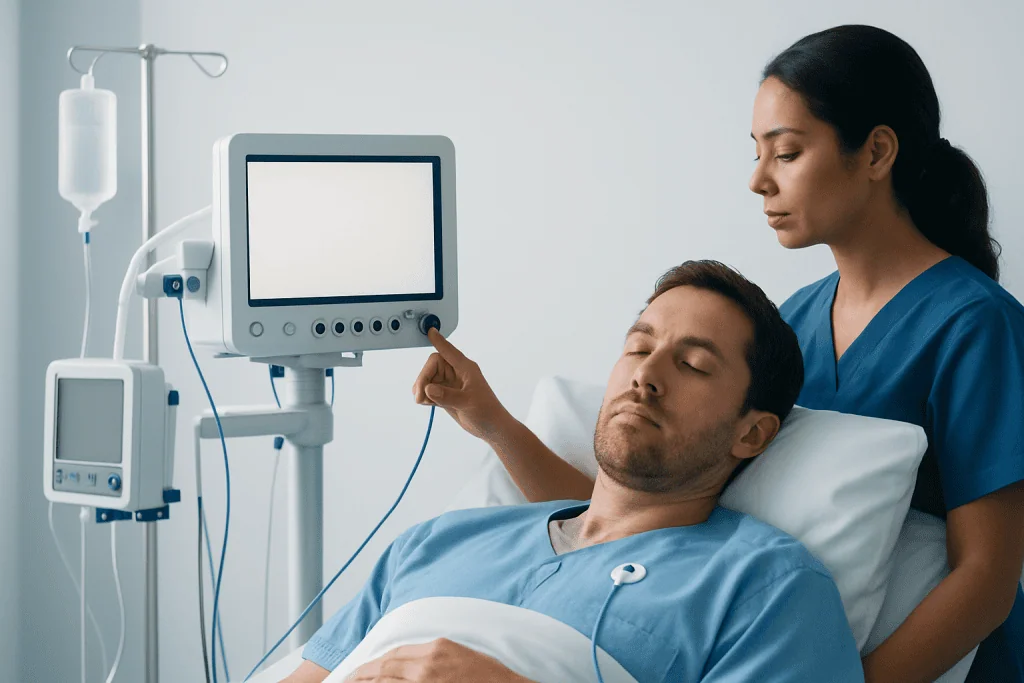
The body keeps its internal temperature within a narrow range. In warm conditions, it does this mainly by sweating and by sending more blood toward the skin. As sweat evaporates, it removes heat. As blood flow shifts toward the surface, body heat can escape more easily into the surrounding air.
These cooling responses are effective, but they come at a cost. Sweating leads to fluid and salt loss. Wider blood vessels can lower blood pressure, which may contribute to lightheadedness or weakness. At the same time, the heart may need to beat faster to maintain circulation. This extra effort can make a person feel physically and mentally tired.
Humidity can make the effect stronger. When the air is already moist, sweat does not evaporate as well, so the body must work even harder to cool itself. This is one reason hot, humid weather often feels more draining than dry heat at the same temperature.
Common reasons heat causes fatigue

One of the most common reasons is dehydration. Even mild fluid loss can reduce energy, concentration, and exercise tolerance. A person does not need to be severely dehydrated to feel the effects. Headache, dry mouth, thirst, darker urine, and fatigue may appear before more serious symptoms develop.
Another factor is lower blood pressure from blood vessel widening. As the body tries to release heat, blood pools more toward the skin. Some people, especially those who stand for long periods or rise quickly, may feel weak, shaky, or dizzy. This can be more noticeable in older adults and in people taking blood pressure medicine or diuretics.
Heat also often affects sleep and eating patterns. Warm nights may reduce deep, restorative sleep. During very hot weather, appetite can drop, leading some people to eat less than usual. Less sleep and less fuel can both amplify daytime fatigue. If a person already has an underlying sleep disorder or sleep apnea, hot weather may make tiredness feel worse.
Physical activity in the heat is an additional stress. Muscles generate heat during movement, so exercising or working outdoors increases the cooling load. If the body cannot keep up, simple tiredness may progress toward heat exhaustion.
Who is more likely to feel exhausted in hot weather?
Some groups are more sensitive to heat than others. Older adults may sweat less efficiently and may not feel thirst as strongly. Infants and young children also regulate temperature differently and can become dehydrated more quickly. Pregnant people may notice greater heat intolerance because of normal changes in circulation and body temperature regulation.
Medical conditions can increase vulnerability as well. Heart disease, kidney disease, diabetes, thyroid disorders, obesity, and chronic lung disease may affect how the body handles heat. Some symptoms that seem like simple heat fatigue can overlap with problems such as anemia, low blood pressure, or blood sugar changes.
Medicines can also play a part. Diuretics, some blood pressure medications, antihistamines, stimulants, and certain mental health medications may affect hydration, sweating, or heat tolerance. A doctor or pharmacist can review whether a medication might be contributing if a person repeatedly feels unusually drained in warm weather.
People who work outdoors, athletes, travelers in hot climates, and those without reliable access to cooling are at higher risk simply because of longer heat exposure. Repeated exposure without enough rest and fluids increases the chance of heat exhaustion.
Symptoms to watch for, including warning signs
Typical heat-related fatigue may feel like low energy, sluggishness, mild dizziness, extra sweating, thirst, and reduced stamina. Some people also notice headache, irritability, nausea, or difficulty concentrating. These symptoms often improve after moving to a cool place, loosening clothing, resting, and drinking water or an oral rehydration drink.
It is important to recognize when symptoms suggest something more than ordinary tiredness. Warning signs include fainting, confusion, trouble speaking, severe weakness, fast heartbeat, vomiting, chest pain, shortness of breath, or a body temperature that seems unusually high. These can point to heat exhaustion or, more urgently, heat stroke.
A simple way to think about it is this: ordinary heat fatigue gets better with cooling and fluids, while heat illness tends to persist or worsen. If a person becomes less alert, cannot keep fluids down, or does not improve within a short time, urgent medical care is needed. In some cases, doctors may assess for heat stroke or dehydration-related complications.
- Mild symptoms: tiredness, thirst, sweating, mild headache, reduced focus
- Concerning symptoms: persistent dizziness, nausea, muscle cramps, pronounced weakness
- Emergency symptoms: confusion, fainting, seizures, inability to drink, very hot skin, or collapse
How doctors evaluate persistent or severe heat-related fatigue
If fatigue in the heat is frequent, unusually severe, or associated with red flags, a doctor will usually begin with a detailed history. They may ask when symptoms happen, how much heat exposure occurred, whether there was exercise involved, what fluids were taken, and whether any medicines or medical conditions could affect heat tolerance.
A physical examination often includes checking temperature, pulse, blood pressure, breathing, mental status, and signs of dehydration. The doctor may look for dry mucous membranes, reduced skin turgor, abnormal heart rate, or low blood pressure when standing. These clues help distinguish simple heat fatigue from more significant heat-related illness.
Depending on the situation, tests may include blood work or urine tests to check electrolytes, kidney function, blood sugar, infection, thyroid problems, or anemia. If symptoms include chest discomfort, palpitations, fainting, or shortness of breath, heart testing may also be considered. When treatment is needed beyond home care, options may include supervised rehydration or, in more serious cases, intravenous fluid therapy and monitoring.
This step-by-step evaluation matters because heat can sometimes unmask an underlying issue rather than being the only cause. Persistent fatigue deserves proper medical assessment, especially when symptoms are new or more intense than usual.
What helps: treatment, recovery, and prevention
For uncomplicated heat fatigue, the first steps are practical. Moving into shade or air conditioning, lying down, loosening tight clothing, and drinking cool fluids are usually enough. If a person has been sweating heavily, replacing both water and electrolytes may help more than water alone. Small, regular sips are often easier than drinking a large amount quickly.
Cooling the body can also speed recovery. A cool shower, wet cloths on the neck and armpits, or a fan may reduce discomfort. Rest is important because continued activity can push the body from simple fatigue toward heat exhaustion. Most people feel better once hydration and body temperature begin to normalize.
Prevention focuses on planning ahead. Helpful strategies include drinking fluids regularly, limiting alcohol during extreme heat, wearing light clothing, avoiding peak midday sun when possible, and increasing physical activity gradually in hot weather so the body can acclimatize. People with chronic conditions should ask their doctor whether hot weather changes how they should manage medications, exercise, or hydration.
For people who experience repeat episodes, specialist assessment may be useful to rule out related concerns such as cardiovascular strain, endocrine imbalance, or sleep problems. When indicated, care may involve a cardiology evaluation or endocrinology assessment to look for contributing causes beyond the heat itself.
When to seek medical care
Medical review is sensible if tiredness in the heat is severe, keeps returning, or seems out of proportion to the weather or level of activity. A person should also seek care if symptoms occur with fainting, persistent vomiting, worsening dizziness, confusion, severe headache, chest pain, shortness of breath, or very dark urine.
Urgent or emergency care is needed if someone becomes difficult to wake, acts confused, collapses, has a seizure, or cannot drink fluids. These symptoms can indicate a serious heat-related illness that should not be managed at home. Early treatment helps prevent complications.
If the symptoms are not urgent but remain unexplained, a doctor can help identify whether heat is the main cause or whether another condition is involved. Near the end of the care pathway, patients may benefit from coordinated evaluation by internal medicine, cardiology, or endocrinology specialists. Acibadem International’s multidisciplinary specialists and JCI-accredited hospitals diagnose and treat heat-related conditions and associated medical causes for international patients.
Frequently asked questions
Is it normal to feel sleepy or low-energy in hot weather?
Yes. Many people feel more tired in hot weather because the body is working harder to cool itself, and because sweating can lead to mild dehydration. Sleep quality and appetite may also drop in the heat, which can add to fatigue.
Can dehydration alone make a person feel very tired?
Yes, even mild dehydration can reduce energy, concentration, and physical performance. If tiredness is accompanied by thirst, dry mouth, headache, or dark urine, dehydration may be part of the reason.
What is the difference between normal heat fatigue and heat exhaustion?
Normal heat fatigue usually improves with cooling, rest, and drinking fluids. Heat exhaustion tends to cause more intense symptoms such as marked weakness, dizziness, nausea, heavy sweating, and feeling unwell even after trying to cool down. If symptoms are severe or persistent, medical care is important.
Why does heat seem to affect some people more than others?
Age, medical conditions, medications, fitness level, hydration status, and humidity all influence heat tolerance. Older adults, young children, pregnant people, and people with heart, kidney, or hormone conditions often feel the effects more strongly.
Can poor sleep during hot nights make daytime fatigue worse?
Absolutely. Warm sleeping conditions can reduce deep sleep and lead to fragmented rest. Even if heat is the original trigger, poor sleep can make tiredness more noticeable the next day.
When should a person worry about feeling tired in the heat?
Medical advice is a good idea if fatigue is severe, recurring, or accompanied by fainting, confusion, chest pain, vomiting, or shortness of breath. Emergency help is needed if someone becomes disoriented, collapses, has a seizure, or cannot drink fluids.
References
- Centers for Disease Control and Prevention
- World Health Organization
- National Institutes of Health
- American Heart Association
- Mayo Clinic
This article is for general information only and is not a substitute for professional medical advice. Please consult a qualified doctor about your individual situation.
Explore treatments in Turkey — costs, top hospitals & a free quote
JCI-accredited · board-certified surgeons · reply within 24h
Add us as a Preferred Source to see more of our trusted health content across Google Search, AI Overviews and Discover.
Check your numbers in seconds
BMI, calories, due date, blood pressure and 30+ more clinical calculators — free, instant, doctor-reviewed ranges.

More from the Health Library


Related Specialists

Prof. Dr. Mehmet E. Erdil
Orthopedic Surgery & Traumatology
Prof. Dr. Tolga Ergin
Gynecology & Obstetrics
Prof. Dr. Mehmet Akif Somdaş
Otorhinolaryngology
Asst. Prof. Dr. Kemal Ünal
Gastrointestinal Oncology Unit Clinical Service