Why Does It Hurt When I Poop? Causes, Explanations, and Next Steps
The most common reasons it hurts to poop are constipation, hemorrhoids, and anal fissures. The pattern of pain matters: sharp pain during passage often suggests a fissure, while pressure or itching may point to hemorrhoids.
Key Takeaways
- The most common reasons it hurts to poop are constipation, hemorrhoids, and anal fissures.
- The pattern of pain matters: sharp pain during passage often suggests a fissure, while pressure or itching may point to hemorrhoids.
- A doctor may diagnose the cause with a symptom review, physical exam, and sometimes stool tests, blood tests, or endoscopy.
- Hydration, fiber, gentle toilet habits, and treating constipation can help prevent many cases.
- Urgent medical review is important for heavy bleeding, fever, severe abdominal pain, black stools, or unexplained weight loss.
Pain during a bowel movement is common and often has a harmless explanation such as constipation, hemorrhoids, or a small tear in the anus. Still, severe pain, ongoing bleeding, fever, or changes in bowel habits should be assessed by a doctor to rule out infection, inflammation, or other digestive conditions.
Overview: Why bowel movements can be painful
If someone wonders, why does it hurt when I poop, the cause is often something common and treatable rather than dangerous. Pain with passing stool is frequently linked to hard stools, straining, hemorrhoids, or a small tear in the anal lining called an anal fissure. These problems can irritate the sensitive tissues around the anus and rectum, especially when stool is dry or difficult to pass.
Even so, pain with bowel movements should not be ignored if it is severe, keeps coming back, or happens with bleeding, fever, diarrhea, abdominal pain, or a noticeable change in bowel habits. In those situations, a clinician may look for inflammation, infection, or digestive diseases such as Crohn’s disease or other bowel conditions.
The location and type of discomfort often provide useful clues. Sharp, tearing pain right as stool passes can suggest a fissure, while aching, pressure, swelling, or itching around the anus may be more consistent with hemorrhoids. A sense of fullness, cramping, or pain higher in the abdomen may point to constipation or another intestinal problem.
Common causes of pain when passing stool
Constipation is one of the leading causes of painful bowel movements. When stool stays in the colon too long, it becomes drier and harder. Passing it may stretch the anal opening, cause straining, and leave the area sore afterward. Constipation can result from low fluid intake, low-fiber eating patterns, inactivity, some medications, or delaying the urge to go.
Anal fissures are another very common explanation. A fissure is a small tear in the lining of the anus, often triggered by hard stool or repeated diarrhea. It can cause a sharp or burning pain during and after a bowel movement, sometimes with a small amount of bright red blood on toilet paper. Because the tear can tighten the anal muscles, the next bowel movement may hurt again, creating a cycle.
Hemorrhoids are swollen veins in or around the anus and rectum. They may cause discomfort, itching, swelling, mucus, or bleeding. Internal hemorrhoids often bleed painlessly, while external hemorrhoids can be tender, especially if a clot forms. Helpful approaches may include hydration, diet changes, and in some cases office-based or surgical care such as hemorrhoid treatment.
Other causes include diarrhea-related irritation, infections, abscesses, inflammatory bowel disease, pelvic floor dysfunction, and less commonly growths in the rectum or colon. Pain may also occur after anal intercourse, after childbirth, or with certain skin conditions affecting the anal area. If pain does not improve, a proper diagnosis becomes important.
Symptoms that help identify the cause
The exact symptoms can help narrow down why bowel movements are painful. A person with constipation often describes hard, lumpy stools, bloating, a feeling of incomplete emptying, and the need to strain. The pain may feel like pressure, stretching, or soreness rather than a sharp cut.
With an anal fissure, pain is often sudden, sharp, or burning during the bowel movement and may last minutes or even hours afterward. Bright red spotting on the tissue is common. Some people also notice fear of using the bathroom because they expect pain.
Hemorrhoids may cause:
- Itching or irritation around the anus
- A tender lump near the anal opening
- Bright red blood on stool or toilet paper
- A feeling of swelling or fullness
- Discomfort when sitting
Symptoms that suggest another condition include fever, pus, severe rectal pain, mucus, ongoing diarrhea, nighttime symptoms, black stools, weight loss, or pain with significant abdominal cramping. These features can point to infection, an abscess, inflammatory bowel disease, or another digestive problem that needs medical assessment.
Red flags and when to seek medical care
Many episodes of painful bowel movements improve with simple measures, especially when constipation is the main trigger. However, a person should seek medical care sooner if pain is intense, keeps recurring, or does not improve after a few days of self-care. Persistent symptoms deserve a clear explanation rather than repeated guessing.
Medical review is especially important if there is heavy bleeding, black or tarry stools, fever, pus, a new lump with severe pain, dizziness, fainting, or significant abdominal pain. These symptoms can indicate a more serious source of bleeding, infection, or bowel inflammation. Children, older adults, pregnant people, and anyone with a weakened immune system may need earlier evaluation.
It is also wise to schedule an appointment for unintended weight loss, a lasting change in bowel habits, anemia, family history of colorectal disease, or pain that wakes someone from sleep. These do not always mean a serious illness, but they are not symptoms to dismiss.
How doctors diagnose painful bowel movements
Doctors usually begin with a careful history. They may ask what the pain feels like, when it happens, whether there is bleeding, how often bowel movements occur, what the stool looks like, and whether there are other symptoms such as diarrhea, abdominal pain, fever, or recent travel. Medication use is also important because some drugs can cause constipation or irritation.
A physical examination often includes inspection of the anal area for fissures, hemorrhoids, skin changes, or signs of infection. Depending on the symptoms, a digital rectal exam may be recommended. This can help identify tenderness, masses, stool impaction, or other abnormalities, although it may be delayed if pain is severe.
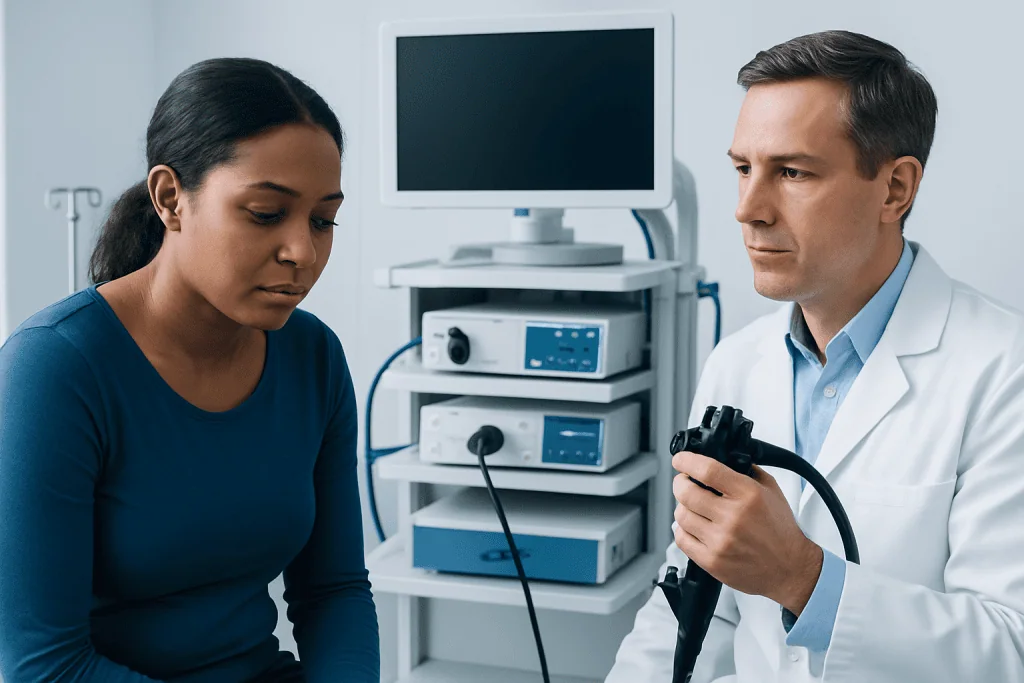
If symptoms suggest a deeper digestive issue, further tests may be advised. These can include stool tests for infection or inflammation, blood tests, imaging, or endoscopic evaluation. In some people, the doctor may recommend colonoscopy to look for inflammation, bleeding sources, polyps, or other bowel conditions. When pelvic floor dysfunction is suspected, specialized testing may be considered.
Treatment options and next steps
Treatment depends on the cause. If constipation is responsible, the main goals are to soften stool, reduce straining, and restore regular bowel habits. This often involves drinking more fluids, increasing fiber gradually, staying active, and using a doctor-recommended stool softener or laxative when appropriate. It is usually better to address constipation early rather than wait for worsening pain.
For anal fissures, care is aimed at helping the tear heal and preventing further injury. Warm sitz baths, gentle cleaning, avoiding straining, and keeping stool soft can reduce pain and support healing. In some cases, a doctor may prescribe topical medication or recommend a procedure if the fissure becomes chronic. If another anorectal condition needs closer evaluation, a person may be referred for proctology care.
Hemorrhoid treatment may include fiber support, fluids, avoiding prolonged sitting on the toilet, and local symptom relief. If symptoms are persistent or severe, office procedures or surgery may be discussed. When pain is linked to inflammatory bowel disease, infection, or another digestive illness, treatment focuses on the underlying condition rather than symptom relief alone.
People should avoid repeatedly using over-the-counter products without understanding the cause, especially if there is bleeding. Pain medicine can sometimes help, but ongoing rectal pain should be evaluated instead of masked. If symptoms are persistent, doctors may also consider digestive conditions such as ulcerative colitis depending on the overall pattern.
Self-care and prevention
Healthy bowel habits can reduce the chance of pain returning. Drinking enough water, eating fiber-rich foods, and responding to the urge to have a bowel movement without long delays can help keep stools softer and easier to pass. For people increasing fiber, doing so gradually may reduce bloating and discomfort.
It can also help to avoid excessive straining and avoid sitting on the toilet for long periods, which can put pressure on rectal veins. Gentle physical activity supports bowel movement regularity. Good anal hygiene matters too, but harsh wiping, heavily fragranced products, and vigorous scrubbing can worsen irritation.
If painful bowel movements are recurring, keeping a short symptom diary may help. Noting stool consistency, bleeding, diet changes, medicines, and associated symptoms can make a medical visit more productive. Near the end of the care pathway, some patients may choose evaluation at centers such as Acibadem International, where multidisciplinary specialists in JCI-accredited hospitals diagnose and treat digestive and anorectal conditions for international patients.
Frequently asked questions
Is it normal for it to hurt when pooping?
Pain with a bowel movement is common, but it is not something that should be considered normal if it keeps happening. Occasional pain is often caused by constipation, hemorrhoids, or an anal fissure, which are usually treatable. If the pain is severe, persistent, or comes with bleeding or fever, medical advice is recommended.
How can someone tell whether it is a fissure or hemorrhoids?
A fissure often causes sharp, tearing, or burning pain during the bowel movement and may continue hurting afterward. Hemorrhoids are more likely to cause itching, swelling, pressure, or a tender lump, and bleeding may happen with less pain. Because symptoms can overlap, a clinician may need to examine the area to confirm the cause.
Can constipation alone make pooping painful?
Yes. Hard, dry stool can stretch the anus and rectum, leading to pain, straining, and sometimes small tears. Treating constipation early can often relieve the pain and help prevent fissures or worsening hemorrhoids.
When is painful pooping an emergency?
Urgent care is needed if there is heavy bleeding, black stools, severe abdominal pain, fever, fainting, or a very painful swelling near the anus. These signs may suggest significant bleeding, infection, or another serious problem. If someone feels weak, dizzy, or unwell, they should not delay medical evaluation.
What tests might a doctor order for painful bowel movements?
The first steps are usually a symptom review and physical exam, including an examination of the anal area. Depending on the symptoms, a doctor may order stool tests, blood tests, imaging, or endoscopy such as colonoscopy. The exact tests depend on whether the symptoms suggest a local anal problem or a deeper bowel condition.
Can diarrhea also cause pain when passing stool?
Yes. Frequent loose stools can irritate the anal skin and lining, causing burning or soreness. Repeated wiping and inflammation can make bowel movements painful even when the stool is not hard. If diarrhea lasts more than a few days or includes blood, fever, or dehydration, a doctor should be consulted.
References
- National Institute of Diabetes and Digestive and Kidney Diseases
- American Society of Colon and Rectal Surgeons
- Mayo Clinic
- Cleveland Clinic
- National Health Service
This article is for general information only and is not a substitute for professional medical advice. Please consult a qualified doctor about your individual situation.
Persistent digestive symptoms? Get evaluated in Turkey
JCI-accredited · board-certified surgeons · reply within 24h
Add us as a Preferred Source to see more of our trusted health content across Google Search, AI Overviews and Discover.