Why Eye Muscles Twitch? A Doctor-Reviewed Answer

Most eye muscle twitching is a benign eyelid twitch rather than a serious nerve or brain problem. Common triggers include lack of sleep, stress, caffeine, alcohol, eye strain, and dry or irritated eyes.
Key Takeaways
- Most eye muscle twitching is a benign eyelid twitch rather than a serious nerve or brain problem.
- Common triggers include lack of sleep, stress, caffeine, alcohol, eye strain, and dry or irritated eyes.
- Medical review is important if twitching lasts for weeks, closes the eye completely, spreads to other facial muscles, or comes with drooping or vision changes.
- Diagnosis usually starts with a symptom history and eye exam, with further testing only when red flags are present.
- Treatment focuses on the trigger, such as improving sleep, reducing caffeine, managing dry eye, and limiting screen strain.
Why eye muscles twitch is most often explained by a harmless eyelid spasm called myokymia, commonly triggered by tiredness, stress, caffeine, or dry eyes. Most episodes go away on their own, but persistent twitching or symptoms such as facial weakness, drooping, or vision changes should be checked by a doctor.
Overview: Why Eye Muscles Twitch
Why eye muscles twitch is a common question, and in most cases the answer is reassuring. The usual cause is a small, involuntary spasm of the eyelid muscles, often called eyelid myokymia. It commonly affects one eyelid, more often the lower lid, and may come and go for seconds, minutes, or several days.
This type of twitch is usually harmless and not a sign of eye damage, stroke, or a brain disorder. Many people notice it more during stressful periods, after poor sleep, or when using screens for long stretches. The sensation can feel stronger than it looks, even when other people can barely see the movement.
Still, not every twitch should be ignored. If the eyelid closes forcefully, the twitch lasts for weeks, or other symptoms appear such as eyelid drooping, double vision, facial weakness, or twitching in other parts of the face, a doctor should assess it. That is because a small number of cases are linked to conditions that need treatment, including movement disorders or nerve irritation.
What an Eye Twitch Feels Like
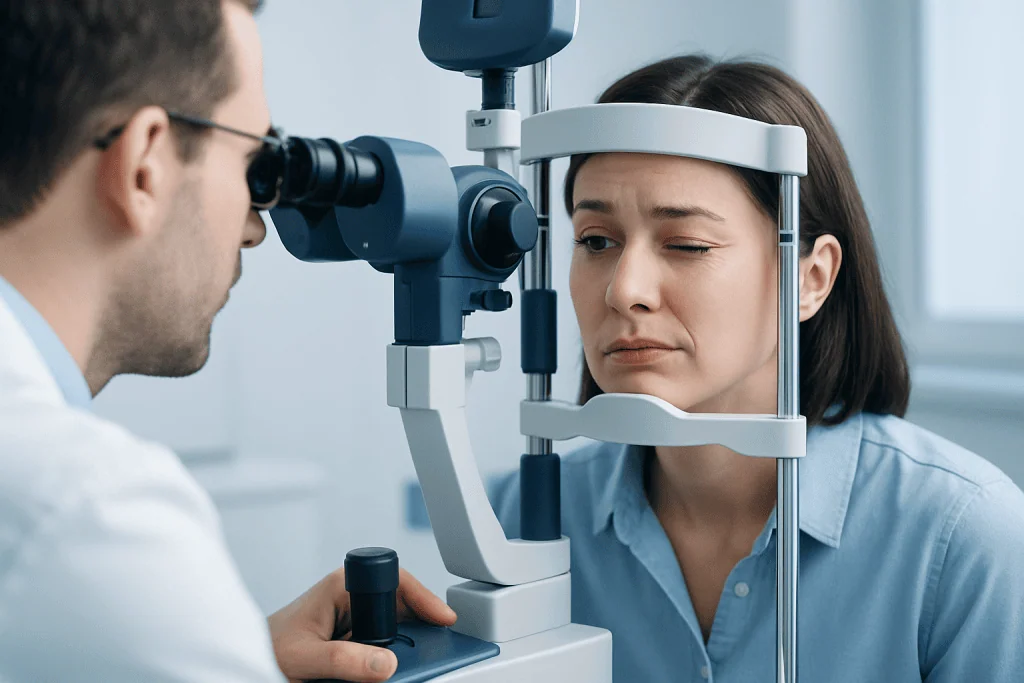
An eye twitch usually feels like a brief flutter, pulse, or jumping sensation in the eyelid. It may happen several times in a minute, then stop, then return later in the day. Some people notice it only when reading or trying to relax, while others feel it more after computer use or at bedtime.
Most benign eyelid twitches do not affect vision and do not cause real pain. However, they can be distracting, especially when they recur over several days. People sometimes describe the symptom as the “eye” twitching, but the movement is usually in the eyelid muscle rather than the eyeball itself.
It helps to distinguish a simple twitch from other eye problems. Symptoms such as redness, burning, tearing, a gritty feeling, light sensitivity, or blurred vision may suggest irritation or dryness rather than a pure muscle spasm. Conditions that affect eye comfort and vision can overlap with twitching, especially dry eye.
- Typical benign twitch: brief eyelid flutter without vision changes
- Often one-sided: usually one upper or lower eyelid
- May recur: episodes can come and go over days or weeks
- Usually painless: but can feel annoying or tiring
Common Causes and Triggers

The most common reasons why eye muscles twitch are everyday triggers rather than disease. Fatigue is one of the main causes. When a person is not sleeping well, eyelid muscles may become more irritable and more likely to spasm. Emotional stress can have a similar effect, which is why twitching often appears during busy or demanding periods.
Caffeine and other stimulants may contribute, particularly if intake has increased. Alcohol can also be a trigger for some people. Extended screen time is another frequent factor because it can reduce blinking, strain the eyes, and worsen dryness. Reading for long periods, bright light, or poorly fitted glasses may add to eye strain.
Dryness and irritation are especially important. The tear film protects the eye surface, and when it is unstable, the eyelid may twitch more easily. Allergy, smoke exposure, wind, dust, and contact lens irritation can all play a role. In some cases, treating the underlying eye surface problem with medical guidance is more useful than focusing on the twitch itself.
Less commonly, certain medicines, nutritional issues, or neurologic conditions may be involved. Persistent or unusual twitching can sometimes be related to problems such as blepharospasm, hemifacial spasm, or disorders affecting facial nerve control. A doctor can help tell the difference between a benign eyelid twitch and a condition such as blepharospasm.
When It May Mean Something More Than a Simple Twitch
Although most eyelid twitches are harmless, doctors pay attention to patterns that suggest a different diagnosis. One example is benign essential blepharospasm, a movement disorder in which both eyelids close involuntarily and repeatedly. Another is hemifacial spasm, where twitching affects one side of the face, not just the eyelid. These conditions are different from the brief, isolated eyelid flutter many people experience.
Doctors also look for signs of an eye problem causing reflex twitching. Corneal irritation, significant dry eye, eyelid inflammation, or uncorrected vision problems can all trigger repeated blinking or spasms. In these situations, treating the eye surface or correcting vision may reduce the symptom.
Rarely, twitching may occur with neurologic symptoms such as facial weakness, numbness, speech changes, imbalance, or persistent double vision. These symptoms are not typical of simple eyelid myokymia and deserve timely medical attention. The presence of complete eyelid closure, worsening frequency, or spread of twitching to the cheek or mouth also changes the picture and should not be dismissed.
How Doctors Diagnose Eye Twitching
If twitching is persistent or concerning, diagnosis usually begins with a detailed history rather than immediate scans. A doctor will ask how long the twitch has been happening, whether it affects one or both eyes, how often it occurs, and whether anything triggers or relieves it. Questions about sleep, stress, caffeine use, medications, screen time, allergies, and contact lens wear can be very helpful.
An eye examination is the next step. The doctor may look at eyelid position, blinking pattern, tear film quality, signs of dry eye, corneal irritation, eyelid inflammation, and visual acuity. This helps determine whether the problem is a benign spasm, an eye surface condition, or a movement disorder that involves the lids or facial muscles.
Further testing is not needed for most simple twitches. However, if there are red flags, additional evaluation may be recommended. Depending on the symptoms, this could include a neurologic examination, blood tests in selected cases, or imaging to assess facial nerve or brain-related causes. For persistent or complex cases, specialists in neuro-ophthalmology evaluation or neurology care may be involved.
Treatment and What Usually Helps
Treatment depends on the cause. For the common benign eyelid twitch, the main approach is to reduce triggers and give the eye and body time to recover. Better sleep, lower stress, and a temporary reduction in caffeine are often enough. Taking regular breaks during screen use and making a conscious effort to blink more fully can also help.
If dryness or irritation is contributing, a doctor may suggest eye surface care such as preservative-free lubricating drops or treatment for allergy or eyelid inflammation. Correcting vision problems or updating glasses can help when eye strain is part of the problem. People who wear contact lenses may benefit from a review of lens fit, wearing time, and eye surface health.
When twitching is more severe or caused by a specific disorder such as blepharospasm or hemifacial spasm, targeted treatment may be needed. In selected cases, doctors may recommend procedures such as botulinum toxin treatment to relax overactive muscles. The best option depends on the diagnosis, symptom severity, and how much the twitch interferes with daily life.
Self-treatment should stay cautious. It is generally better not to use leftover eye drops or oral medicines without professional advice, especially if there is eye redness, pain, or vision change. Most people improve with simple adjustments, but persistent symptoms deserve a proper medical review.
Prevention and Self-care
Prevention focuses on reducing the common triggers that make eyelid muscles more likely to spasm. Regular sleep is one of the most effective steps. Stress management matters too, whether through exercise, mindfulness, breaks during the day, or other healthy routines. Even small changes can help if the twitch is linked to a temporary period of fatigue or tension.
Eye habits also make a difference. During screen use, blinking often becomes less frequent, which increases evaporation of tears and contributes to dryness. Following regular visual breaks, adjusting screen height, improving room lighting, and using glasses that suit the task can all ease strain. Staying hydrated and avoiding smoke or other irritants may also help.
People who have repeated episodes may benefit from keeping a simple symptom diary. Noting caffeine intake, sleep hours, stress levels, screen time, and whether the twitch affects one or both eyes can reveal patterns. If symptoms continue despite these measures, an eye specialist can look for treatable causes and advise on the next step.
Near the end of the care pathway, some patients need coordinated assessment by eye and nerve specialists. Acibadem International’s multidisciplinary teams and JCI-accredited hospitals evaluate and treat eye twitching and related conditions for international patients when specialist input is needed.
When to Seek Medical Care
Medical care is advisable if an eye twitch lasts more than a few weeks, becomes more frequent, or starts interfering with reading, driving, or sleep. Review is also important if the eyelid closes completely during spasms, if both eyes are affected in a forceful pattern, or if twitching spreads to the cheek, mouth, or other facial muscles.
Urgent assessment is needed if twitching occurs with new facial drooping, weakness, numbness, severe headache, speech difficulty, double vision, or sudden vision loss. These symptoms are not typical of a simple eyelid twitch. Eye pain, marked redness, sensitivity to light, or discharge should also be checked promptly because they can point to an eye condition that needs treatment.
When in doubt, it is reasonable to seek advice, especially if the symptom is new and persistent. A clinician can usually tell whether the twitch is benign from the history and examination, and can recommend simple steps or further testing only when necessary.
Frequently asked questions
Why eye muscles twitch when a person is tired?
Fatigue can make eyelid muscles more excitable, which can trigger small involuntary spasms. Poor sleep also tends to worsen stress and eye strain, which are common contributors to eyelid twitching.
Is eye twitching usually serious?
No, most eye twitching is not serious and is caused by a harmless eyelid spasm called myokymia. It is more likely to need medical review if it lasts for weeks, spreads to other facial muscles, closes the eye completely, or comes with drooping or vision changes.
Can stress and caffeine cause an eyelid twitch?
Yes. Stress and caffeine are among the most common triggers for eyelid twitching, especially when combined with lack of sleep. Reducing these triggers often helps the symptom settle over time.
How long can a benign eye twitch last?
A simple eyelid twitch may last for a few seconds at a time and recur over several days. Some episodes continue on and off for a few weeks, but if it persists beyond that or gets worse, a doctor should evaluate it.
Can dry eyes make the eyelid twitch?
Yes. Dry or irritated eyes can increase eyelid sensitivity and contribute to twitching. A doctor may look for dry eye, allergy, eyelid inflammation, or contact lens irritation if the twitch keeps returning.
What should a person do at home for an eye twitch?
Helpful steps include getting more sleep, limiting caffeine, managing stress, and taking breaks from screens. If the eyes feel dry or irritated, medical advice about eye lubrication or other treatment may help, especially if symptoms are recurring.
References
- American Academy of Ophthalmology
- National Eye Institute
- MedlinePlus
- NHS
- Merck Manual Consumer Version
This article is for general information only and is not a substitute for professional medical advice. Please consult a qualified doctor about your individual situation.
Explore treatments in Turkey — costs, top hospitals & a free quote
JCI-accredited · board-certified surgeons · reply within 24h
Add us as a Preferred Source to see more of our trusted health content across Google Search, AI Overviews and Discover.