

Will Hydrogen Peroxide Bleach Teeth — Explained by Medical Evidence, Not Myths

Hydrogen peroxide is a proven whitening ingredient used in many dentist-approved and over-the-counter products. It mainly helps with external and some age-related discoloration, but it does not whiten crowns, veneers, or fillings.
Key Takeaways
- Hydrogen peroxide is a proven whitening ingredient used in many dentist-approved and over-the-counter products.
- It mainly helps with external and some age-related discoloration, but it does not whiten crowns, veneers, or fillings.
- Using higher concentrations or frequent unsupervised applications can increase tooth sensitivity and gum irritation.
- Whitening is safest after a dental check, especially for people with pain, cavities, receding gums, or worn enamel.
- Professional advice can help identify the cause of staining and the most suitable whitening approach.
Yes, hydrogen peroxide can bleach teeth because it breaks down stain-causing molecules in enamel and dentin. However, how well it works and how safe it is depends on the product strength, how it is used, and whether a person has cavities, gum disease, sensitivity, or dental restorations.
Overview: does hydrogen peroxide really bleach teeth?
Hydrogen peroxide can bleach teeth. Medical and dental evidence shows that it works by releasing oxygen molecules that break apart colored compounds inside and on the surface of the tooth, making the teeth look lighter. This is why hydrogen peroxide, or a related ingredient called carbamide peroxide, is commonly used in whitening toothpastes, strips, gels, and dentist-supervised bleaching treatments.
At the same time, the statement needs an important qualifier: not every type of discoloration responds equally, and not every person is a good candidate for bleaching. Yellowing related to aging or common food and drink stains often responds better than discoloration caused by trauma, certain medicines, developmental enamel changes, or dental restorations such as crowns and fillings.
A neutral, evidence-based answer is therefore: yes, hydrogen peroxide can whiten teeth, but results depend on the cause of staining, the peroxide concentration, contact time, and the overall health of the teeth and gums. For some people, the safest first step is not whitening itself but a dental examination to identify issues such as plaque buildup, cavities, enamel wear, or gum disease.
How hydrogen peroxide whitens teeth
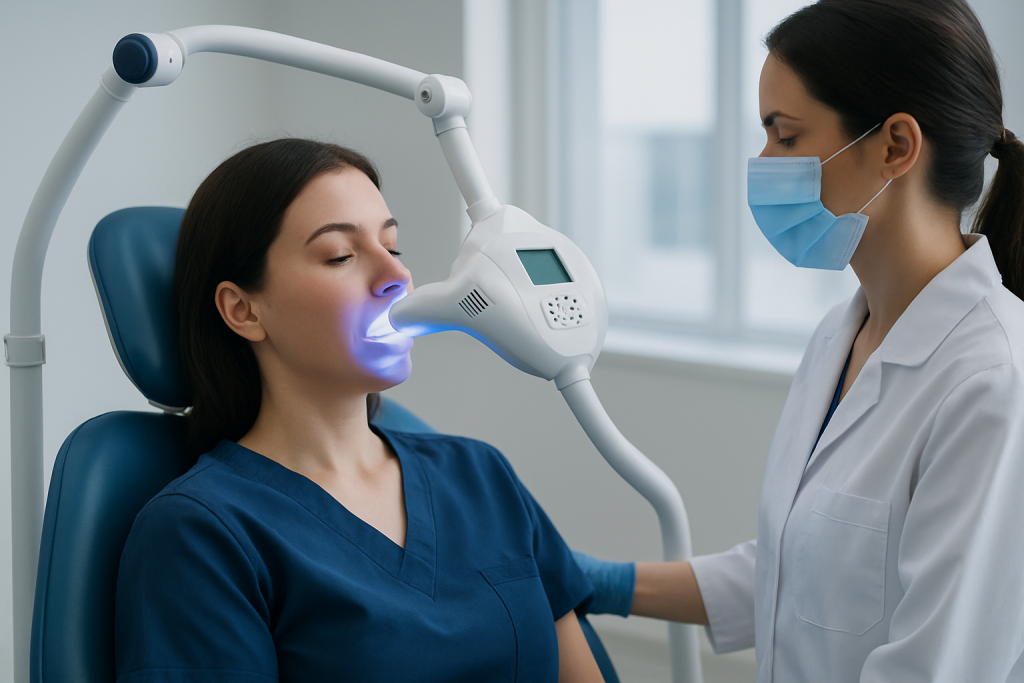
Teeth can look darker for several reasons. Surface stains, also called extrinsic stains, often come from coffee, tea, red wine, tobacco, and strongly colored foods. Deeper color change, known as intrinsic discoloration, may develop with age, certain medications, trauma, or changes in the tooth structure. Hydrogen peroxide works by oxidizing stain molecules so they reflect light differently and appear less visible.
Because whitening is a chemical process, the details matter. Lower-strength products used over time may gradually lighten the teeth, while stronger professional systems usually produce faster results under careful supervision. Professional systems may include protective barriers for the gums and individualized trays, which help reduce unnecessary exposure of soft tissues to the bleaching agent.
It is also important to understand what peroxide cannot do. It does not clean away tartar, treat decay, reverse enamel erosion, or improve the color match of fillings, crowns, or veneers. If discoloration is due to dental disease or restorations, a dentist may discuss alternatives such as professional cleaning, bonding, veneers, or restorative dental treatment when appropriate.
What kinds of stains respond best

Hydrogen peroxide tends to work best for common external stains and gradual yellowing related to aging. This is because many of these color changes come from pigment molecules that can be broken down by oxidation. People often notice the best results when staining is mild to moderate and the underlying enamel is healthy.
Some forms of discoloration are more difficult to bleach. Gray-toned teeth, stains related to certain antibiotics taken during tooth development, discoloration after dental trauma, and patchy white or brown changes in enamel may not respond evenly. In these cases, whitening may produce only partial improvement or make uneven color more noticeable.
A simple visual check is not always enough to predict results. A dentist can help determine whether the main problem is stain, plaque, thinning enamel, decay, or changes inside the tooth. That distinction matters because internal tooth problems may need treatment first, such as an evaluation for tooth decay or other dental causes of discoloration.
- Usually responds better: coffee, tea, tobacco, age-related yellowing
- May respond less predictably: trauma-related darkening, medication stains, enamel defects
- Does not whiten: crowns, veneers, fillings, bridges
Safety, side effects, and common myths
When used correctly in approved products or under dental supervision, hydrogen peroxide is generally considered safe for many adults. The most common side effects are temporary tooth sensitivity and irritation of the gums or oral tissues. These effects are more likely when a product is too strong, left on too long, applied too often, or used on teeth with cracks, exposed roots, or untreated dental disease.
One common myth is that if a small amount whitens, more must whiten better. In reality, overuse can increase discomfort without improving the long-term result. Another myth is that hydrogen peroxide is harmless simply because it is sold widely. Household products and internet remedies are not the same as professionally designed dental whitening systems, and concentration, pH, and delivery method all affect safety.
It is also a myth that whitening should hurt to be effective. Significant burning, prolonged sensitivity, gum whitening, mouth sores, or worsening pain are warning signs to stop the product and seek dental advice. People with active cavities, receding gums, untreated sensitivity, loose fillings, or inflamed gums should be especially cautious before using any peroxide-based whitening agent.
Home products vs professional whitening
Over-the-counter whitening products vary widely. Toothpastes usually remove or reduce surface staining and may contain low-level whitening agents, but they do not bleach as deeply as gels or strips. Whitening strips and tray systems may produce more visible change because they keep peroxide in contact with the teeth for a longer period.
Professional whitening is usually more individualized. A dentist can examine the mouth, discuss the expected outcome, and recommend an approach based on the cause of discoloration, previous dental work, and sensitivity history. In-office bleaching or supervised take-home systems may be suitable when a person wants a more controlled process or has uneven staining that needs tailored care.
People sometimes use rinses or home mixtures that are not intended for dental bleaching. This is not ideal because the liquid may contact the gums and oral tissues more than the tooth surface, increasing irritation without delivering predictable whitening. For patients considering cosmetic dentistry or a broader smile plan, a dentist may also discuss options beyond bleaching, including smile design or professional teeth whitening if those are better suited to the person’s goals.
How to use whitening products more safely
The safest approach starts with healthy teeth and gums. Before whitening, it is sensible to have a dental check if there is pain, visible decay, broken teeth, gum bleeding, or strong sensitivity. Whitening agents can enter tiny defects or exposed root surfaces and make discomfort worse, so identifying and treating those issues first is important.
Patients should follow product instructions exactly and avoid extending wear time or increasing frequency in the hope of faster results. It also helps to avoid very hot or cold foods if sensitivity appears and to stop treatment if the gums become irritated. Spacing out applications may be more comfortable for people who have mild sensitivity.
Good daily habits can support the result and reduce the need for repeated bleaching. These include brushing twice a day with fluoride toothpaste, cleaning between the teeth, not smoking, and rinsing or brushing after stain-causing drinks when practical. Limiting prolonged exposure to coffee, tea, red wine, and tobacco can help preserve the lighter shade after treatment.
- Do not whiten over untreated cavities or inflamed gums
- Use only as directed on a dental product label or by a dentist
- Stop and seek advice if pain or irritation is more than mild and temporary
- Remember that “natural” or homemade mixtures are not automatically safer
When to seek medical or dental care
A brief period of mild sensitivity can happen with whitening, but certain symptoms deserve professional attention. A person should seek dental care if there is severe tooth pain, lingering sensitivity that lasts beyond treatment, gum swelling, mouth ulcers, bleeding, a broken tooth, or a dark single tooth that changes color suddenly. These signs may point to a problem that bleaching cannot fix.
It is also wise to seek evaluation before whitening if there are crowns, veneers, large fillings, receding gums, braces, pregnancy-related concerns, or a history of strong tooth sensitivity. A dentist can explain whether bleaching is appropriate, whether restorations may look mismatched afterward, and whether another approach would be safer or more effective.
For international patients who need assessment or treatment planning, Acibadem International’s multidisciplinary specialists and JCI-accredited hospitals diagnose and manage dental concerns with patient-centered care. The goal is not simply a whiter smile, but a safe plan that supports long-term oral health.
Frequently asked questions
Will hydrogen peroxide bleach teeth permanently?
No whitening result is truly permanent. Teeth can darken again over time because of aging, food and drink pigments, tobacco use, and natural wear. Maintenance depends on oral hygiene, diet, and whether the original cause of discoloration is ongoing.
Is it safe to rinse with hydrogen peroxide to whiten teeth?
A rinse is not the most predictable or targeted way to whiten teeth. It may expose the gums and mouth tissues more than the tooth surface, which can increase irritation. Dental products made specifically for whitening are generally safer and more effective when used as directed.
Can hydrogen peroxide damage enamel?
When properly formulated dental products are used as directed, they are generally considered safe for enamel for many people. Problems are more likely with overuse, high concentrations, prolonged contact time, or use on teeth that already have cracks, exposed roots, or decay. A dental check can help reduce that risk.
Why do my teeth hurt after whitening?
Temporary sensitivity is a common side effect because whitening can make teeth more reactive to cold, heat, or air for a short time. This usually settles after stopping or spacing out treatment. If the pain is severe, localized, or lasts longer than expected, a dentist should look for another cause such as decay or a crack.
Will hydrogen peroxide whiten crowns or fillings?
No. Hydrogen peroxide can lighten natural tooth structure, but it does not bleach crowns, veneers, fillings, or bridges. If natural teeth become lighter, existing restorations may appear darker by comparison.
Which is better: home whitening or dentist-supervised whitening?
That depends on the person’s oral health, sensitivity, and type of staining. Home products may be suitable for mild discoloration in otherwise healthy teeth, while dentist-supervised whitening offers a more personalized and controlled approach. A dentist can also identify when bleaching is unlikely to help and suggest alternatives.
References
- American Dental Association
- National Institute of Dental and Craniofacial Research
- Mayo Clinic
- Cochrane
- European Federation of Periodontology
This article is for general information only and is not a substitute for professional medical advice. Please consult a qualified doctor about your individual situation.
Explore treatments in Turkey — costs, top hospitals & a free quote
JCI-accredited · board-certified surgeons · reply within 24h
Add us as a Preferred Source to see more of our trusted health content across Google Search, AI Overviews and Discover.

More from the Health Library

Obtunded: An Evidence-Based Guide for Patients
Where Is Your Bladder Located: What Patients Need to Know

Museli: What Patients Need to Know

Dairy Free Greek Yogurt: What Patients Need to Know

Veggie Straws: What Patients Need to Know
Enamel: What Patients Need to Know
Oral & Dental Health Specialists at Acibadem

Dt. Akif Aydın Şen
Oral & Dental Health
Dt. Alara Güler
Oral & Dental Health
Dt. Alara Naz Kenir Çelik
Oral & Dental Health
Dr. Alen Palancıoğlu
Oral Dental & Maxillofacial Surgery