Winged Scapula: What Patients Need to Know
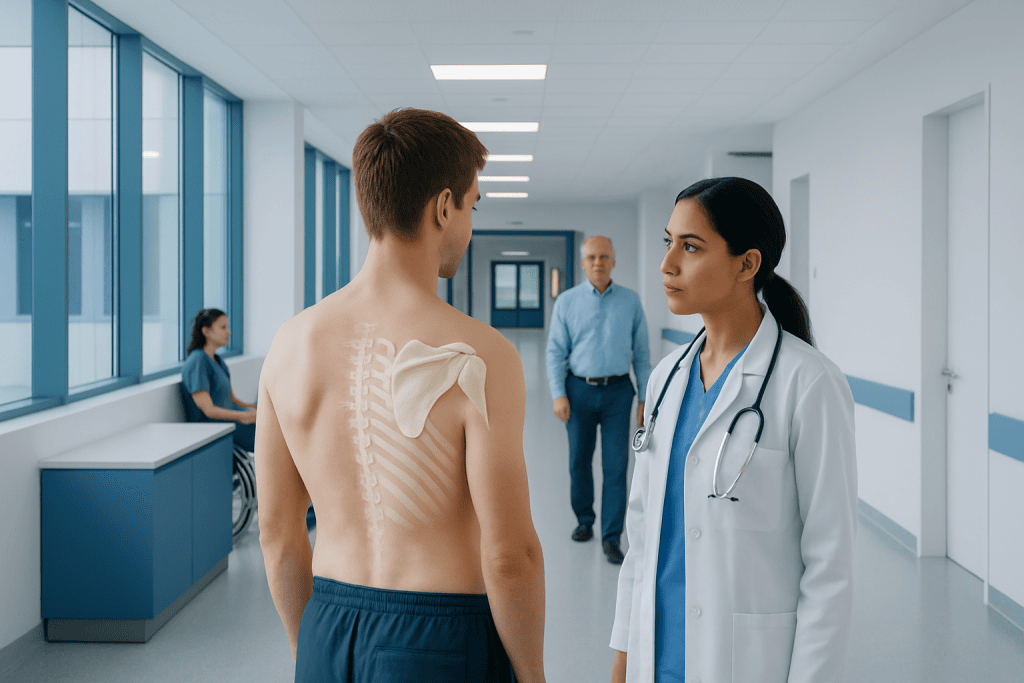
Winged scapula is a sign of abnormal shoulder blade movement, not a disease by itself. It often happens because of nerve injury, muscle weakness, trauma, or less commonly structural problems.
Key Takeaways
- Winged scapula is a sign of abnormal shoulder blade movement, not a disease by itself.
- It often happens because of nerve injury, muscle weakness, trauma, or less commonly structural problems.
- Symptoms may include a shoulder blade that sticks out, pain, weakness, and trouble lifting the arm.
- Diagnosis usually involves a physical exam and may include imaging or nerve tests.
- Many people improve with targeted physical therapy, while some need surgery if symptoms are severe or persistent.
Winged scapula means the shoulder blade protrudes more than usual from the back, often because the muscles that hold it against the chest wall are weak or not working properly. It can cause shoulder pain, fatigue, limited arm movement, or a visible change in posture, and treatment depends on the underlying nerve, muscle, or structural cause.
What is winged scapula?
Winged scapula, also called scapular winging, is a condition in which one shoulder blade lifts or sticks out from the back more than it should. Instead of lying relatively flat against the rib cage, the scapula moves abnormally, especially when a person pushes against a wall or raises the arm. This happens because the muscles and nerves that normally stabilize the shoulder blade are not working in balance.
For many patients, the first sign is visual: one shoulder blade looks more prominent than the other. Others notice shoulder fatigue, weakness, or discomfort before they notice the shape change. The condition can affect daily activities such as reaching overhead, lifting objects, carrying a bag, or even maintaining good posture for long periods.
Winged scapula is not a diagnosis on its own but a clinical finding with several possible causes. Understanding why it has developed is important because treatment is based on the affected muscle, the involved nerve, and how long symptoms have been present.
How the shoulder blade normally works
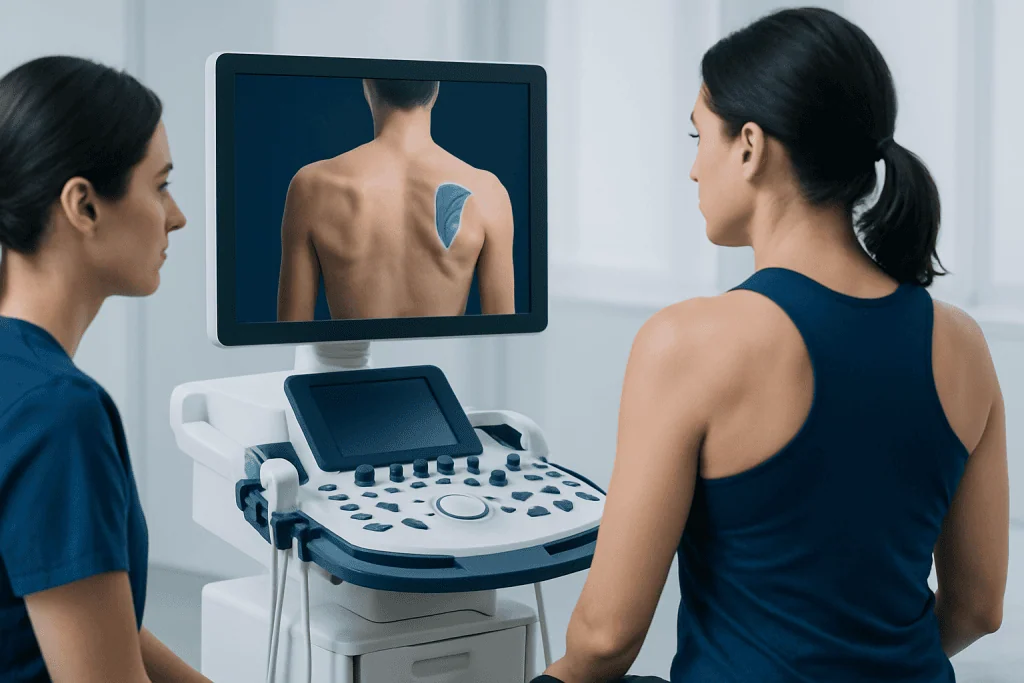
The scapula plays a central role in shoulder motion. It acts as a stable base for the upper arm and helps coordinate lifting, reaching, pushing, and pulling. For smooth movement, several muscles must work together to hold the scapula against the chest wall and rotate it in a controlled way.
The serratus anterior is one of the main stabilizing muscles. It is supplied by the long thoracic nerve and helps keep the inner edge of the shoulder blade flat against the rib cage. Other important muscles include the trapezius, which is supplied by the spinal accessory nerve, and the rhomboids, which are supplied by the dorsal scapular nerve.
When one of these muscles becomes weak or paralyzed, the shoulder blade may tilt or protrude. Depending on which muscle is affected, the pattern of winging may look slightly different. This is one reason a careful physical examination is so useful in identifying the likely cause.
Symptoms and everyday effects

The most recognizable symptom is a shoulder blade that visibly sticks out. This may be easier to see when a person presses their hands against a wall, performs a push movement, or lifts the arm forward. In some cases, the winging is subtle and becomes noticeable only when the shoulder is tired.
Symptoms vary from person to person. Some mainly experience cosmetic concern, while others have significant functional limitations. Common symptoms include:
- Shoulder or upper back pain
- Weakness when lifting the arm
- Difficulty reaching overhead or behind the back
- Fatigue with repetitive arm use
- A feeling of instability or poor shoulder control
- Neck discomfort or altered posture
Because the shoulder blade is part of the entire shoulder chain, winging can sometimes be associated with problems such as tendon irritation or altered shoulder mechanics. In some patients, symptoms overlap with broader movement problems such as scapular dyskinesis, where the shoulder blade moves in an uncoordinated way during arm motion.
Symptoms may begin suddenly after an injury or develop gradually over time. If nerve irritation is involved, some patients also report aching, burning, or unusual weakness after exercise or surgery.
Causes and risk factors
The most common causes of winged scapula involve nerve injury or muscle dysfunction. Long thoracic nerve injury can weaken the serratus anterior, often leading to the classic appearance of the inner edge of the scapula protruding backward. This nerve can be affected by trauma, repetitive overhead activity, sports injuries, carrying heavy loads, viral illness, or sometimes surgery in the chest, shoulder, or neck region.
Injury to the spinal accessory nerve may weaken the trapezius, while injury to the dorsal scapular nerve may affect the rhomboids. Less commonly, winging can occur after direct trauma to the shoulder girdle, from structural shoulder disorders, or in association with neuromuscular conditions. In children or adolescents, congenital or developmental causes are possible but less common.
Risk factors depend on the underlying cause but may include:
- Repetitive overhead work or athletics
- Contact sports or sudden traction injuries
- Previous neck, chest, or shoulder surgery
- Poor shoulder mechanics and muscle imbalance
- Inflammatory or neurologic disorders
Sometimes winging appears together with other shoulder conditions that cause pain and weakness, including rotator cuff tear. A thorough assessment helps determine whether scapular winging is the main problem or part of a broader shoulder disorder.
How doctors diagnose winged scapula
Diagnosis begins with a detailed medical history and physical examination. The doctor asks when symptoms started, whether there was an injury, whether pain or weakness is present, and which activities make symptoms worse. The pattern of winging, range of motion, muscle strength, and posture all provide useful clues.
During the exam, the doctor may observe the shoulder blades while the patient pushes against a wall, lifts the arms, or performs resisted movements. This helps identify which stabilizing muscle may be affected. The examination also looks for signs of neck problems, shoulder tendon injury, or nerve compression that could contribute to symptoms.
Additional tests may be recommended when the cause is uncertain or symptoms are significant. These can include imaging studies to assess the shoulder and surrounding structures, as well as nerve conduction studies and electromyography to evaluate muscle and nerve function. If there is concern about a structural shoulder problem, MRI scanning may help clarify the diagnosis.
Diagnosis is often most accurate when orthopedic, neurology, and rehabilitation perspectives are combined. This allows treatment to be tailored to the exact cause rather than focusing only on the visible winging.
Treatment options and recovery
Treatment for winged scapula depends on the cause, severity, and duration of symptoms. Many patients improve with conservative care, especially when the problem is related to mild nerve injury, overuse, or muscle imbalance. Early management typically focuses on reducing strain, improving posture, and restoring strength and coordination around the shoulder blade.
Physical therapy is often the main treatment. A structured program may include exercises to strengthen the serratus anterior, trapezius, rotator cuff, and core muscles, along with stretching and movement retraining. In some cases, a specialist may recommend physical therapy and rehabilitation to improve scapular control and reduce pain during daily activities.
Pain relief measures may include activity modification, temporary avoidance of aggravating overhead motions, and general pain-management strategies advised by a clinician. Recovery from nerve-related winging can take time, and improvement may occur gradually over months. Follow-up is important to monitor whether strength and function are returning.
If symptoms are severe, persistent, or caused by a structural lesion, surgery may be considered. The exact procedure depends on the diagnosis and may involve nerve repair, muscle transfer, or treatment of an associated shoulder problem. When another shoulder condition is contributing to symptoms, targeted shoulder surgery may be part of the overall plan. Treatment decisions are individualized, with the goal of reducing pain and improving shoulder function rather than correcting appearance alone.
Self-care, prevention, and when to seek medical care
Although not every case can be prevented, good shoulder mechanics may lower risk. Gradual training progress, proper lifting technique, balanced strengthening, and attention to posture can help reduce strain on the muscles that stabilize the scapula. People who do repetitive overhead work or sports may benefit from conditioning programs that focus on shoulder blade control.
At home, it is sensible to avoid repeated movements that worsen pain until the shoulder has been assessed. Gentle mobility work may be appropriate, but aggressive self-treatment is not always helpful, especially if a nerve injury is present. Because symptoms can resemble other shoulder or neck conditions, a professional evaluation is the safest approach when weakness or visible winging appears.
Medical care should be sought if the shoulder blade suddenly becomes prominent, arm weakness develops, pain is persistent, or normal activities become difficult. Prompt evaluation is also important after trauma, surgery, or if symptoms are accompanied by numbness, neck pain, or progressive loss of function.
Patients who need specialist assessment may benefit from coordinated orthopedic, neurology, and rehabilitation care. Acibadem International’s multidisciplinary specialists and JCI-accredited hospitals diagnose and treat shoulder and nerve-related conditions for international patients, including evaluation with orthopedic assessment when appropriate.
Frequently asked questions
Is winged scapula serious?
Winged scapula is not always serious, but it should be evaluated because it may reflect a nerve or muscle problem. Some cases improve with rehabilitation, while others need further testing or treatment if weakness or pain is significant.
Can winged scapula go away on its own?
Some mild cases, especially those related to temporary nerve irritation or muscle imbalance, can improve over time. However, recovery may take months, and medical follow-up is important to make sure strength and shoulder function are returning.
What causes a shoulder blade to stick out?
A shoulder blade may stick out because the muscles that hold it against the chest wall are weak or not coordinating properly. This can happen after nerve injury, trauma, repetitive overhead activity, surgery, or less commonly because of other neurologic or structural conditions.
How is winged scapula diagnosed?
Doctors usually diagnose winged scapula through a history and physical examination that looks at shoulder blade motion, posture, and muscle strength. If needed, they may add imaging tests or nerve studies such as electromyography to identify the underlying cause.
Does everyone with winged scapula need surgery?
No. Many patients are treated without surgery using physical therapy, posture training, and activity modification. Surgery is usually reserved for selected cases with persistent symptoms, clear structural problems, or nerve injuries that do not recover adequately.
What kind of doctor treats winged scapula?
Evaluation may involve an orthopedic specialist, neurologist, or physical medicine and rehabilitation doctor, depending on the suspected cause. A multidisciplinary approach is often helpful because the problem may involve muscles, nerves, and shoulder mechanics at the same time.
This article is for general information only and is not a substitute for professional medical advice. Please consult a qualified doctor about your individual situation.
Joint and spine care in Turkey — expert assessment & treatment
JCI-accredited · board-certified surgeons · reply within 24h
Add us as a Preferred Source to see more of our trusted health content across Google Search, AI Overviews and Discover.

More from the Health Library

Terbinafine — Explained by Medical Evidence, Not Myths

Hypopyon: What Patients Need to Know

Best Kettlebell Exercises: What Patients Need to Know

Baby Oil — Explained by Medical Evidence, Not Myths

Active Recovery: What Patients Need to Know