Active Recovery: What Patients Need to Know
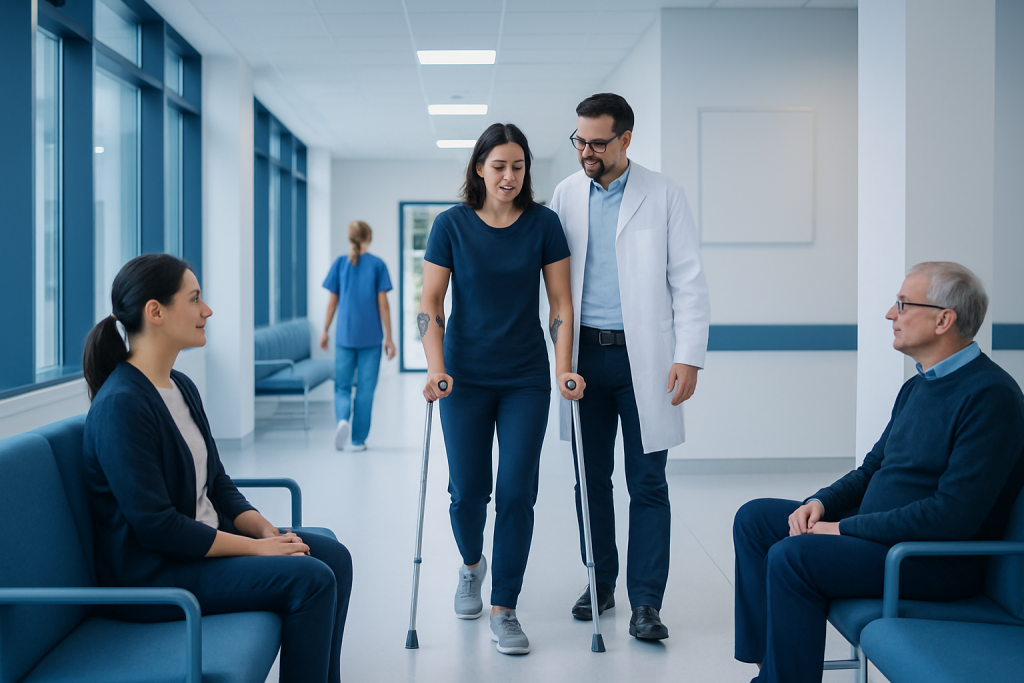
Active recovery uses light movement such as walking, stretching, or easy cycling rather than full inactivity. It may help reduce stiffness, maintain mobility, and support circulation after physical strain or periods of rest.
Key Takeaways
- Active recovery uses light movement such as walking, stretching, or easy cycling rather than full inactivity.
- It may help reduce stiffness, maintain mobility, and support circulation after physical strain or periods of rest.
- The right type and timing of active recovery depend on a person’s fitness level, symptoms, injury, surgery, or medical condition.
- Active recovery should not cause worsening pain, dizziness, shortness of breath, or swelling.
- Medical guidance is important after surgery, significant injury, heart symptoms, or when a diagnosed condition affects safe exercise.
Active recovery means using gentle, low-intensity movement instead of complete rest to help the body recover after exercise, illness, injury, or a medical procedure. When chosen appropriately, it can ease stiffness, support circulation, and help a person return to normal activity more comfortably.
What active recovery means
Active recovery is gentle physical activity done at a much lower intensity than a person’s usual exercise or daily demands. In practical terms, it means moving enough to stay loose and support circulation, but not pushing hard enough to create more strain. Common examples include easy walking, slow cycling, light range-of-motion exercises, gentle stretching, and simple mobility work.
Patients often hear about active recovery in sports, but the idea is broader than athletics. It can also apply after a long period of sitting, after minor musculoskeletal strain, during recovery from some illnesses, or after certain procedures when a doctor has advised early light movement. The main goal is to help the body recover without adding stress.
Active recovery is different from complete rest. Full rest may be appropriate for some conditions, especially in the first phase of an acute injury or when symptoms are severe. Active recovery is also different from regular exercise training, because the effort level is intentionally light and the purpose is recovery, not performance improvement.
How active recovery may help the body
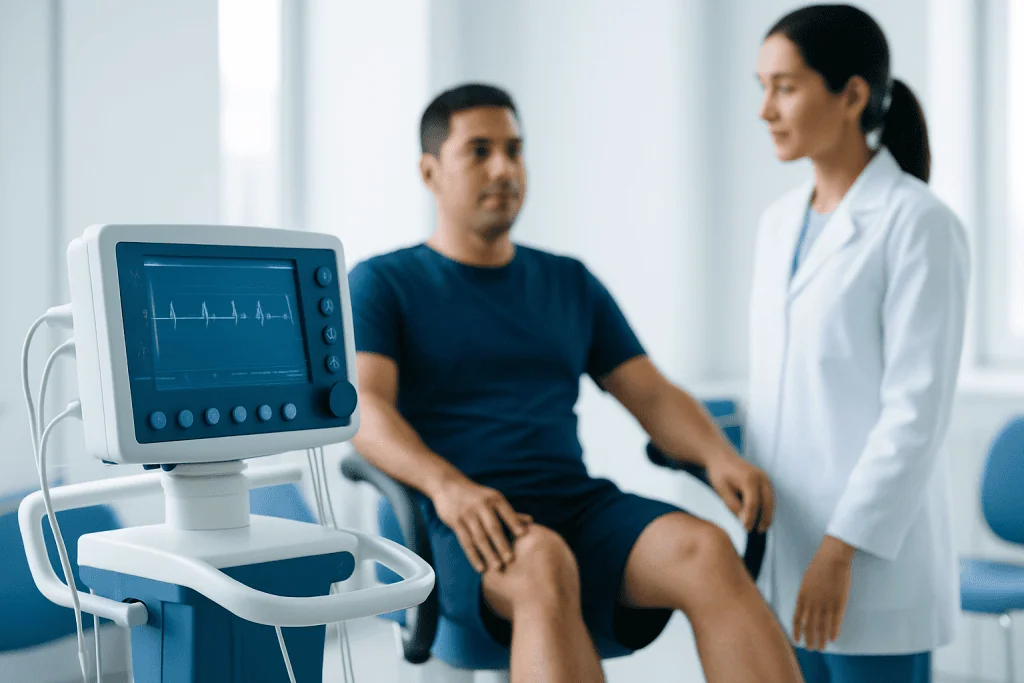
Low-intensity movement can support normal blood flow to muscles and soft tissues. This may help reduce the feeling of heaviness or stiffness that can develop after strenuous exercise, prolonged bed rest, or time spent in one position. Gentle movement may also help joints stay mobile and may make it easier to return to everyday tasks.
For some people, active recovery can help maintain routine and confidence. After an illness or injury, total inactivity sometimes leads to deconditioning, reduced flexibility, and fear of movement. Light, well-chosen activity can offer a gradual bridge back to function while respecting the body’s limits.
Active recovery may also support wellbeing in ways that are not purely physical. Easy movement can improve comfort, support sleep, and help some people manage stress. However, these effects vary, and active recovery should not be viewed as a substitute for medical treatment when a health condition needs professional care.
- May reduce stiffness after exertion or inactivity
- May help maintain joint motion and muscle flexibility
- May support circulation and a sense of physical readiness
- May ease the transition back to normal activity
When active recovery is useful

Active recovery is commonly used after intense exercise, especially when muscles feel tired but there is no significant injury. A light walk, easy swim, or short session on a stationary bike may feel more comfortable than stopping all movement. It is also frequently used on days between harder workouts to help the body recover while keeping a person gently active.
Beyond sport, active recovery can be helpful after mild muscle soreness, after long travel, or after periods of reduced movement. In rehabilitation settings, doctors and physiotherapists may recommend carefully structured light activity to improve mobility and reduce the effects of inactivity. For example, a tailored rehabilitation plan may be useful after orthopedic problems such as knee pain or after treatment for a herniated disc.
After surgery or a medical procedure, active recovery should only be started according to the care team’s instructions. In many cases, early gentle walking and breathing exercises are encouraged, but the details depend on the type of procedure and the person’s overall health. Patients recovering from orthopedic or neurological conditions may benefit from supervised physical therapy and rehabilitation to choose safe movements and progress gradually.
When rest is better than active recovery
Active recovery is not the right choice for every situation. Complete or relative rest may be more appropriate when there is severe pain, marked swelling, fever, an acute infection, a suspected fracture, or a fresh injury that worsens with movement. In these situations, continuing to move can delay healing or make symptoms harder to assess.
There are also medical conditions in which activity should be limited until a doctor has evaluated the person. Chest pain, unexplained shortness of breath, fainting, severe weakness, new neurological symptoms, or calf swelling all need prompt medical attention rather than a self-directed recovery workout. People with chronic heart, lung, or neurological disorders should also ask their clinician what level of activity is safe.
It can be helpful to think of active recovery as a tool, not a rule. If gentle movement clearly improves comfort and does not trigger new symptoms, it may be reasonable. If symptoms increase during or after movement, the body may be signaling a need for more rest, a different recovery strategy, or medical assessment.
What active recovery can look like
The most suitable form of active recovery depends on why a person is recovering. After general exercise fatigue, low-impact aerobic activity is often a good option. This may include easy walking, slow cycling, light swimming, or a gentle elliptical session. After prolonged sitting, simple mobility exercises for the neck, shoulders, hips, and ankles may be enough.
After minor musculoskeletal strain, active recovery may focus more on controlled range of motion and gradual muscle activation than on aerobic activity. A physiotherapist may suggest gentle stretching, posture exercises, or balance work. In people with neck or back symptoms, movement should stay within a comfortable range and should not increase radiating pain, numbness, or weakness. Some patients may be assessed in a orthopedics and traumatology program or a sports medicine service to tailor the plan.
Intensity matters as much as the activity itself. Active recovery should usually feel easy enough to hold a conversation. The person should finish feeling looser or more refreshed, not exhausted. Sessions are often short and simple, and they should be adapted or stopped if discomfort clearly increases.
- Easy walk at a comfortable pace
- Gentle cycling with low resistance
- Light stretching or mobility practice
- Breathing exercises and posture work
- Simple home exercises recommended by a clinician
How to use active recovery safely
A safe approach starts with the reason for recovery. Someone recovering from a hard workout may tolerate more movement than someone healing after surgery, an injury, or an illness. The first step is to choose low-impact activity that does not provoke symptoms. The second is to keep the intensity low and the duration moderate. Starting small is usually better than doing too much on the first day.
Patients should pay attention to the body’s response during movement, immediately afterward, and later the same day. Mild muscle awareness is common, but increasing pain, joint instability, unusual fatigue, dizziness, or worsening swelling are signs to stop and reassess. Hydration, adequate nutrition, and sleep also play an important role in recovery and should not be overlooked.
For older adults, people with chronic disease, and those returning after a long period of inactivity, professional guidance may be especially useful. A rehabilitation physician or physiotherapist can help set goals, teach proper technique, and decide when to progress. Near the end of care planning, some international patients may choose evaluation at Acibadem International, where multidisciplinary specialists in JCI-accredited hospitals diagnose and treat conditions affecting mobility and recovery.
When to seek medical care
A person should seek medical care if pain is severe, if an injury causes deformity or inability to bear weight, or if swelling is significant and persistent. Medical review is also important when symptoms do not improve with rest and gentle activity, or when the cause of symptoms is unclear. Ongoing back, joint, or muscle problems may need examination and imaging to identify the source.
Urgent medical attention is needed for chest pain, sudden shortness of breath, fainting, one-sided weakness, new confusion, loss of bladder or bowel control, or sudden severe calf swelling. These symptoms are not typical signs of ordinary post-exercise soreness or normal recovery. They can indicate serious problems that need prompt evaluation.
After surgery or a diagnosed condition, patients should follow the advice of their surgeon or treating physician about when to start moving and which activities are safe. If recovery feels stalled, a structured assessment may help identify whether the person needs medication adjustment, imaging, supervised exercise, or a program such as neurosurgery follow-up or formal rehabilitation, depending on the underlying problem.
Frequently asked questions
Is active recovery better than complete rest?
It depends on the situation. After routine exercise or mild stiffness, gentle movement may feel better than complete rest. After an acute injury, significant pain, fever, or surgery, rest or a medically guided plan may be more appropriate.
What counts as active recovery?
Active recovery usually includes low-intensity activities such as walking, gentle cycling, light swimming, stretching, mobility exercises, or easy home exercises. The effort should stay comfortable and should not leave the person feeling exhausted. It is meant to support recovery, not build fitness on that day.
Can active recovery reduce muscle soreness?
It may help some people feel less stiff or tight after exercise. Gentle movement can support circulation and make joints and muscles feel looser. However, soreness can still occur, and active recovery is not a guarantee against discomfort.
How hard should active recovery feel?
It should generally feel easy. A person should be able to talk comfortably during the activity and should finish feeling about the same or better than when they started. If symptoms clearly worsen, the intensity is likely too high or the activity is not suitable.
Is active recovery safe after injury?
Sometimes, but only if the injury is minor and movement does not worsen symptoms. More serious injuries may need rest, examination, imaging, or supervised rehabilitation before activity is resumed. If there is swelling, instability, severe pain, or reduced function, medical advice is important.
Can older adults use active recovery?
Yes, many older adults can benefit from gentle movement to maintain mobility and reduce stiffness. The type of activity should match the person’s balance, strength, and medical history. A doctor or physiotherapist can help choose the safest approach.
References
- World Health Organization
- American College of Sports Medicine
- Centers for Disease Control and Prevention
- National Institute of Arthritis and Musculoskeletal and Skin Diseases
- National Health Service
This article is for general information only and is not a substitute for professional medical advice. Please consult a qualified doctor about your individual situation.
Explore treatments in Turkey — costs, top hospitals & a free quote
JCI-accredited · board-certified surgeons · reply within 24h
Add us as a Preferred Source to see more of our trusted health content across Google Search, AI Overviews and Discover.

More from the Health Library
Bipap Machine: What Patients Need to Know
Enlarged Spleen: A Complete Medical Overview
Spinal Fusion — Explained by Medical Evidence, Not Myths

Public Health: What Patients Need to Know

Ag Ratio — Explained by Medical Evidence, Not Myths