Winking of Left Eye — Explained by Medical Evidence, Not Myths

Winking of left eye is commonly an eyelid muscle twitch, not a sign of bad luck or a hidden meaning. Common triggers include stress, lack of sleep, caffeine, dry eyes, and prolonged screen use.
Key Takeaways
- Winking of left eye is commonly an eyelid muscle twitch, not a sign of bad luck or a hidden meaning.
- Common triggers include stress, lack of sleep, caffeine, dry eyes, and prolonged screen use.
- Most episodes improve with rest, hydration, and reducing eye strain or stimulants.
- Medical review is important if twitching lasts for weeks, spreads to other facial muscles, or affects vision.
- Some neurological or eye conditions can cause similar symptoms, so evaluation focuses on the whole symptom pattern.
Winking of left eye usually refers to an involuntary eyelid twitch, most often caused by fatigue, stress, caffeine, or eye irritation rather than a myth or superstition. In most cases it is temporary, but persistent twitching or added symptoms may need medical assessment.
Overview: what winking of left eye usually means
Winking of left eye most often means a brief, involuntary twitch of the eyelid muscles. Although many people search for spiritual or cultural explanations, medical evidence shows that this symptom is usually related to everyday factors such as stress, tiredness, eye strain, or irritation of the eye surface. It is commonly felt in just one eye, including the left eye, because eyelid muscles can react unevenly.
The medical term often used for this common twitch is eyelid myokymia. It can feel like fluttering, pulsing, or a repeated mini-wink that comes and goes. The movement may be visible to other people, or it may only be felt by the person experiencing it.
In most cases, winking of left eye is temporary and not dangerous. However, if the twitching lasts a long time, becomes stronger, involves other parts of the face, or is linked with symptoms such as drooping, double vision, or weakness, it deserves a proper medical evaluation.
What it can feel like and the symptoms that matter
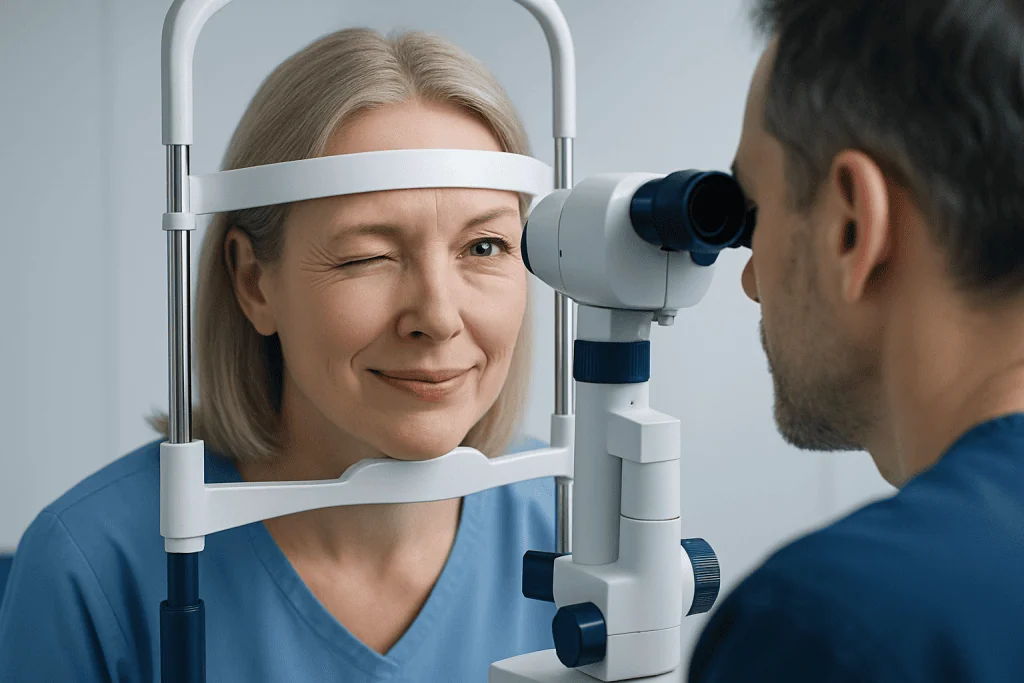
People describe winking of left eye in different ways. Some notice a light flutter in the upper eyelid, while others feel the lower lid jump intermittently for a few seconds or minutes. The twitch may happen several times a day, especially during stressful periods or after long hours of reading, driving, or screen use.
Simple eyelid twitching usually happens without pain and does not affect vision. The eye itself may feel tired, dry, gritty, or irritated if the surface of the eye is also involved. In these situations, the twitch is often more noticeable at the end of the day.
Some symptoms suggest that the problem may not be a routine eyelid twitch. These include forceful closure of the eye, twitching that spreads to the cheek or mouth, redness with discharge, eyelid swelling, drooping of the eyelid, or changes in vision. Symptoms like these may point to an underlying eye or nerve problem and should not be dismissed.
- Mild fluttering or pulsing of one eyelid
- Episodes triggered by fatigue, stress, or caffeine
- Dry, irritated, or strained eyes
- Persistent spasms or twitching involving other facial muscles
- Associated symptoms such as blurred vision, pain, or drooping
Why the left eye may twitch: evidence-based causes

The most common cause of winking of left eye is benign eyelid myokymia, a temporary twitch caused by irritation or overactivity of the tiny muscles around the eyelid. Typical triggers include lack of sleep, emotional stress, anxiety, excess caffeine, nicotine, and prolonged use of digital screens. Alcohol use and general fatigue may also contribute in some people.
Dry eye is another frequent reason. When the tear film is unstable, the eye surface becomes irritated, and the eyelid may react with twitching. This can be more likely in older adults, contact lens users, and people who spend long periods in air-conditioned rooms or staring at screens. Eye allergy, minor inflammation, and not wearing the correct glasses prescription can also increase strain.
Less commonly, recurring spasms may be linked to conditions such as blepharospasm, hemifacial spasm, or neurological disorders affecting the facial nerve or brain pathways. These are much less common than simple eyelid twitching, but they are important when twitching is frequent, forceful, or spreads beyond the eyelid. If symptoms suggest a broader cause, a doctor may look into eye disease or neurological conditions such as Parkinson's disease when clinically appropriate, although most people with a twitch do not have a serious illness.
Risk factors and common triggers
Winking of left eye is more likely when several triggers happen at the same time. A person who is sleeping poorly, working long hours on a computer, and drinking more coffee than usual may develop twitching even if they have never had it before. The symptom may then improve once these daily pressures ease.
Eye surface problems can make twitching more likely. Dry environments, wind, smoke exposure, seasonal allergies, and contact lens discomfort may irritate the eyelid and cornea. Some medicines may also contribute to dryness or muscle irritability, so doctors sometimes review a person’s medication list during assessment.
Stress does not mean the symptom is imaginary. It is a real physical trigger that can increase muscle excitability and make people notice small movements more clearly. This is one reason the twitch can seem more frequent during busy or emotionally difficult periods, then settle down once rest and recovery improve.
- Lack of sleep or irregular sleep patterns
- Stress, anxiety, or emotional fatigue
- High caffeine intake or stimulant use
- Extended screen time and reduced blinking
- Dry eye, allergy, or eye irritation
- Smoking or alcohol use in some individuals
How doctors diagnose persistent eyelid twitching
Diagnosis usually starts with a careful history. A doctor will ask how long the winking of left eye has been happening, how often it occurs, whether it affects the upper or lower lid, and what seems to trigger it. They will also ask about sleep, stress, caffeine, screen use, eye dryness, medicines, and any other symptoms such as facial weakness, numbness, pain, or visual changes.
An eye examination may look for dry eye, irritation, eyelid inflammation, allergy, or a need for updated vision correction. In some cases, assessment by an eye specialist helps rule out conditions affecting the eyelid muscles or ocular surface. If symptoms point to an eye-related cause, the evaluation may overlap with eye diseases more broadly.
Most people do not need scans or extensive testing. However, if the twitch is strong, persistent, affects other facial muscles, or comes with neurological symptoms, a doctor may recommend specialist review and, in selected cases, imaging or nerve-related assessment. This step is meant to identify uncommon causes rather than because serious disease is expected.
Treatment options and practical self-care
Treatment depends on the cause. For simple eyelid twitching, the main approach is to reduce triggers: get enough sleep, lower stress, cut back on caffeine, stay hydrated, and take breaks from screens. Many episodes improve with these measures alone. Lubricating eye drops may help if dryness is contributing, especially for people who work on computers or spend time in dry indoor air.
If an eye problem such as dryness, allergy, or eyelid inflammation is found, treating that underlying issue often relieves the twitch. Some people benefit from updated glasses, better contact lens habits, or a plan to manage screen-related eye strain. Persistent or bothersome symptoms may lead to referral for more specialized care in ophthalmology evaluation.
For less common conditions such as blepharospasm or hemifacial spasm, treatment may be different and can include targeted procedures. In selected patients, doctors may discuss options such as botulinum toxin treatment to relax overactive muscles. If a neurological cause is suspected, a broader assessment through neurology care may be recommended. Near the end of the care pathway, Acibadem International’s multidisciplinary specialists and JCI-accredited hospitals evaluate and treat patients with persistent eyelid or facial spasms, including international patients.
When to seek medical care
Most cases of winking of left eye settle on their own, but medical advice is sensible when the twitching lasts more than a few weeks, becomes more frequent, or starts interfering with daily life. A doctor can help confirm whether it is simple eyelid myokymia or something that needs more specific treatment.
Prompt assessment is especially important if the eyelid closes forcefully, the twitch spreads to the cheek or mouth, the eyelid droops, or there are changes in vision. Redness, swelling, discharge, eye pain, facial weakness, difficulty speaking, or severe headache also warrant medical review because they may point to a different problem.
It is also reasonable to seek help earlier if self-care measures do not make a difference, or if there is a history of neurological disease, recent new medication use, or repeated episodes that keep returning. The goal is not to assume the worst, but to make sure persistent symptoms are explained properly and managed safely.
Frequently asked questions
Is winking of left eye usually serious?
No. In most people, it is a mild eyelid twitch related to fatigue, stress, caffeine, or eye irritation. It is usually temporary, but a doctor should assess symptoms that persist, worsen, or occur with other neurological or visual changes.
Why is only my left eye twitching and not both eyes?
Eyelid twitching can happen on one side because the small muscles and nerves of each eyelid do not always react in the same way. One eye may also be more irritated or strained than the other due to dryness, screen habits, or local eyelid inflammation.
Can stress cause winking of left eye?
Yes. Stress is one of the most common triggers for eyelid twitching. It can make the eyelid muscles more irritable and can also worsen related factors such as poor sleep and excess caffeine use.
How long does an eyelid twitch usually last?
A simple eyelid twitch may last a few seconds, come and go over several days, or continue intermittently for a few weeks. If it continues beyond that, becomes forceful, or spreads to other facial muscles, medical review is a good idea.
What can a person do at home to stop the twitching?
Helpful steps include getting more sleep, reducing caffeine, taking regular screen breaks, and managing dry eye or allergy triggers. Gentle self-care often works well, but persistent symptoms should be discussed with a qualified doctor.
Can eye strain from screens cause winking of left eye?
Yes. Long periods of screen use can reduce blinking, dry the eye surface, and tire the eyelid muscles. This combination can trigger or worsen twitching, especially later in the day.
References
- American Academy of Ophthalmology
- National Eye Institute
- Mayo Clinic
- Merck Manual Consumer Version
This article is for general information only and is not a substitute for professional medical advice. Please consult a qualified doctor about your individual situation.
Explore treatments in Turkey — costs, top hospitals & a free quote
JCI-accredited · board-certified surgeons · reply within 24h
Add us as a Preferred Source to see more of our trusted health content across Google Search, AI Overviews and Discover.