

Wisdom Teeth Recovery: Healing Timeline, Pain Control, and Aftercare

The first 24 to 72 hours are usually when swelling, stiffness, and discomfort peak. Bleeding should gradually lessen, and a protective blood clot is important for healing.
Key Takeaways
- The first 24 to 72 hours are usually when swelling, stiffness, and discomfort peak.
- Bleeding should gradually lessen, and a protective blood clot is important for healing.
- Soft foods, hydration, careful mouth care, and avoiding smoking help reduce complications.
- Pain that suddenly worsens after initial improvement may suggest dry socket and should be checked.
- Fever, pus, severe swelling, or trouble swallowing or breathing need prompt medical or dental attention.
Wisdom teeth recovery is usually manageable with rest, good oral care, and the right pain-control plan. Most people improve noticeably within a few days, although complete healing of the gums and bone can take several weeks.
Overview of Wisdom Teeth Recovery
Wisdom teeth are the third molars at the back of the mouth. They may need to be removed if they are impacted, crowded, damaged, hard to clean, or causing pain, swelling, or repeated infection. Recovery after removal varies from person to person and depends on factors such as the position of the tooth, whether the extraction was simple or surgical, and the person’s overall health.
For many people, the most uncomfortable part of wisdom teeth recovery happens during the first few days. Mild bleeding, swelling, jaw soreness, and difficulty opening the mouth fully are common at first. These symptoms usually improve steadily with time, especially when aftercare instructions are followed carefully.
Healing happens in stages. A blood clot forms in the socket soon after the tooth is removed. This clot protects the bone and nerves underneath and supports new tissue growth. Over the following days and weeks, the gum closes over the area while deeper bone healing continues more slowly.
Although most recoveries are straightforward, it is helpful to know what is normal and what is not. Understanding the expected timeline can make the process feel more predictable and help a person recognize when to contact a dentist or oral surgeon.
Healing Timeline: What to Expect Day by Day
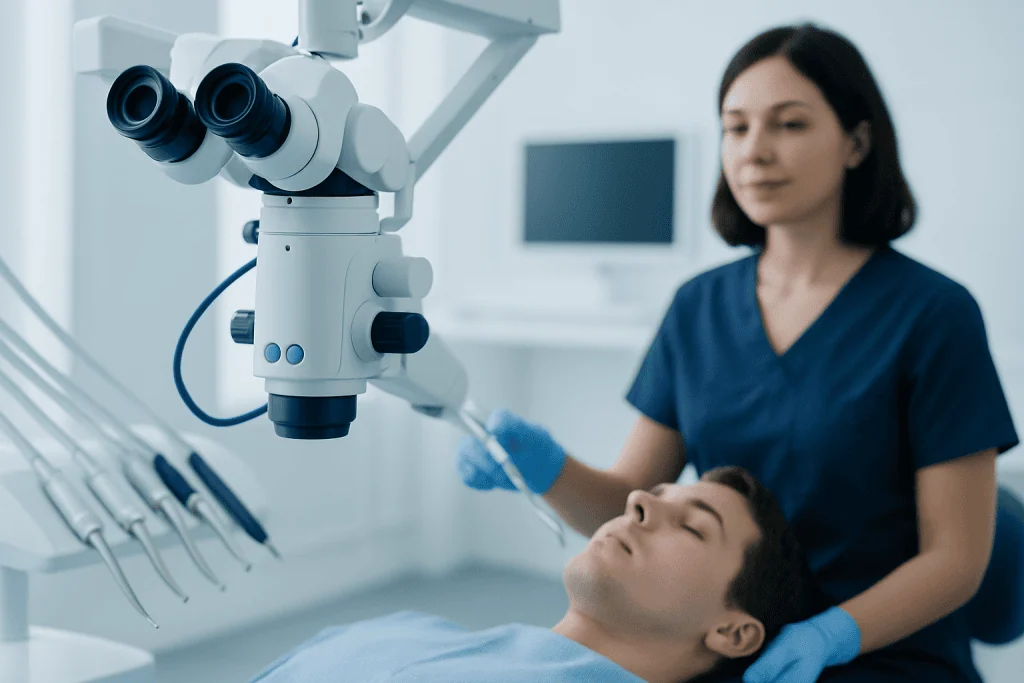
In the first 24 hours, the main priorities are controlling bleeding, protecting the blood clot, and resting. Some oozing from the extraction site is common. Swelling may begin during this period, and numbness from local anesthesia can last for several hours. It is usually best to avoid strenuous activity, hot drinks, alcohol, and anything that could disturb the clot.
Between days 2 and 3, swelling and discomfort often reach their peak. The cheeks may look puffy, and the jaw may feel stiff. Bruising can also appear, especially after more difficult surgical extractions. Pain medicine, cold packs during the first day, and soft foods often help during this phase.
By days 4 to 7, many people begin to feel noticeably better. Swelling starts to decrease, mouth opening improves, and pain usually becomes milder. If stitches were placed, they may dissolve on their own or be removed at a follow-up visit, depending on the type used. Gentle rinsing and gradual return to normal routines may be possible, based on the dentist’s advice.
During the second week and beyond, the gum tissue continues to close. Tenderness may persist for a short time, especially when chewing near the area, but everyday activities are often easier. Full healing of the gum and the underlying bone takes longer than symptoms last, so careful oral hygiene and follow-up remain important even after a person feels mostly back to normal.
Common Symptoms During Recovery

Several symptoms are considered normal after wisdom tooth removal. These include mild to moderate pain, swelling of the cheeks or jaw, slight bleeding or pink saliva, and tenderness around the extraction site. Some people also notice a sore throat, bad breath, or a mild unpleasant taste in the mouth for a short time while the area heals.
Jaw stiffness is also common, especially if the mouth was held open for a long time during surgery or if the lower wisdom teeth were deeply impacted. This can make eating and speaking less comfortable for a few days. Ice packs during the early stage and gradual jaw movement as recommended by the dental team can help.
There are also symptoms that deserve closer attention. Pain that becomes worse instead of better after a few days, especially if it feels deep, throbbing, or radiates to the ear, can be a sign of dry socket. Increasing swelling after initial improvement, fever, pus, or a bad smell that does not go away may suggest infection.
People who have questions about whether their symptoms are expected should contact their dentist or oral surgeon. Wisdom tooth removal is one of the most common dental procedures, and understanding normal healing after wisdom teeth problems can make aftercare less stressful.
Pain Control and Swelling Management
Pain after wisdom tooth removal is often controlled with a combination of prescribed or over-the-counter medicines recommended by the treating clinician. The exact plan depends on the procedure and the person’s health history. Taking medicine as directed, rather than waiting until pain becomes severe, often gives better relief in the first few days.
Cold packs can be very helpful during the first 24 to 48 hours. They may reduce swelling and numb the area slightly, which can also lessen discomfort. After the first couple of days, some people find that gentle warmth on the outside of the jaw helps with stiffness, but this should only be used if approved by the care team.
Rest is an important part of pain control. Keeping the head slightly elevated when lying down may reduce throbbing and swelling. It is also wise to avoid heavy exercise, bending, or lifting in the early recovery period, because these can increase bleeding and discomfort.
People with significant anxiety, difficult impactions, or complex dental anatomy may have a different recovery experience after wisdom tooth extraction. If pain is not improving, is difficult to control, or suddenly worsens after early improvement, the person should seek professional advice rather than trying to manage severe symptoms alone.
Aftercare: Eating, Drinking, and Oral Hygiene
During the first day, soft and cool or lukewarm foods are usually easiest to tolerate. Options may include yogurt, smoothies eaten with a spoon, soup that is not hot, mashed vegetables, applesauce, or scrambled eggs. It is best to avoid crunchy, spicy, acidic, or very hot foods that may irritate the wound or get trapped in the socket.
Drinking enough fluids supports recovery, but straws should generally be avoided because suction can dislodge the blood clot. Smoking and vaping are also strongly discouraged during healing for the same reason and because they may delay tissue repair. Alcohol should be avoided, especially if the person is taking pain medicine or antibiotics.
Oral hygiene is essential, but it needs to be gentle. Brushing the other teeth should continue, taking care to avoid the extraction area at first. After the first day, many clinicians recommend gentle rinsing with salt water several times a day and after meals, unless a different instruction is given. Forceful spitting should be avoided.
If food collects near the extraction site later in recovery, the dentist may advise a specific way to rinse or irrigate the area. Following personalized instructions is especially important after dental implants or other dental procedures, because aftercare needs can differ between treatments even though many oral healing principles are similar.
Possible Complications and Warning Signs
Most people heal without major problems, but a few complications can occur. One of the best-known is dry socket, which happens when the blood clot is lost too early or does not form properly. This can leave the bone exposed and cause significant pain, often starting a few days after the extraction. It is more likely with smoking, vigorous rinsing, straw use, and some difficult extractions.
Infection is another possible complication. Signs may include worsening swelling, fever, pus, persistent bad taste, or increasing pain after a period of improvement. Some swelling is expected after surgery, so the pattern matters: gradual improvement is reassuring, while progressive worsening deserves attention.
Other less common concerns include prolonged numbness, trouble opening the mouth, damage to nearby teeth, sinus issues after upper wisdom tooth removal, or bleeding that does not settle. People with certain health conditions, such as bleeding disorders or weakened immunity, may need closer monitoring during recovery.
A person should seek urgent medical help if there is trouble breathing, severe difficulty swallowing, rapidly spreading swelling, or heavy bleeding that does not slow with pressure. For persistent but non-emergency concerns, timely dental review can help prevent a small issue from becoming a larger one. Patients who are also being assessed for broader oral concerns, including gum disease, may benefit from coordinated dental follow-up.
Prevention, Self-care, and When to See a Doctor
The best way to support healing is to follow the aftercare plan exactly. This usually includes biting on gauze as instructed, resting, using medicines properly, eating soft foods, keeping the mouth clean, and avoiding activities that disturb the clot. Good self-care does not remove all discomfort, but it can lower the risk of complications and make recovery smoother.
It is sensible to contact the dental team if there is severe pain, ongoing bleeding, signs of infection, or any symptom that feels unusual. People should also ask for advice if they cannot drink enough, are vomiting, or have pain medicine side effects. Those with diabetes, immune conditions, or complex medical histories may need more individualized guidance.
Follow-up visits are sometimes recommended, especially after surgical extraction or if non-dissolving stitches were used. These visits allow the clinician to check healing, remove sutures if needed, and answer questions about cleaning the area or returning to normal eating. In some cases, a person may also discuss longer-term oral rehabilitation, including oral and dental health support.
For international patients who need evaluation or follow-up care, Acibadem International’s multidisciplinary specialists and JCI-accredited hospitals diagnose and treat dental conditions with individualized planning. Even so, any recovery concern should first be assessed by a qualified dentist or doctor who can examine the area directly.
Frequently asked questions
How long does wisdom teeth recovery usually take?
Most people feel significantly better within 3 to 7 days. Gum healing often continues for a few weeks, and deeper bone healing can take longer. Recovery may be slower after impacted or surgically removed teeth.
What is considered normal pain after wisdom tooth removal?
Mild to moderate pain, swelling, and jaw stiffness are common in the first few days. Symptoms often peak around days 2 to 3 and then gradually improve. Pain that becomes suddenly worse after early improvement should be checked.
When can someone eat normally again after wisdom teeth removal?
Soft foods are usually best at first, especially during the first 24 to 72 hours. A person can gradually return to more regular foods as comfort improves and chewing becomes easier. Hard, crunchy, or spicy foods are often best avoided until the site is less tender.
How can dry socket be prevented?
Protecting the blood clot is the main goal. People should avoid smoking, straws, forceful spitting, and vigorous rinsing in the early healing period. Following the dentist’s instructions closely also lowers the risk.
Is swelling after wisdom tooth extraction normal?
Yes, some swelling is expected and often peaks within the first 2 to 3 days. It should then begin to improve gradually. Swelling that keeps increasing, especially with fever or pus, should be assessed.
When should someone call the dentist after wisdom teeth removal?
A dentist should be contacted for worsening pain, ongoing bleeding, fever, bad-smelling drainage, or difficulty drinking fluids. Urgent help is needed for trouble breathing, severe swallowing problems, or rapidly expanding swelling. It is always reasonable to ask for advice if recovery does not seem to be following the expected course.
References
- American Dental Association
- National Health Service
- Mayo Clinic
- National Institute of Dental and Craniofacial Research
This article is for general information only and is not a substitute for professional medical advice. Please consult a qualified doctor about your individual situation.
Wisdom Teeth in Turkey — costs, top hospitals & a free quote
JCI-accredited · board-certified surgeons · reply within 24h
Add us as a Preferred Source to see more of our trusted health content across Google Search, AI Overviews and Discover.

More from the Health Library



Related Specialists

Assoc. Prof. Dr. Gül Dabak
Pulmonology
Prof. Dr. Lütfi Telci
Anesthesiology
Dr. İsmail Akkar
Pediatrics
Prof. Dr. Ersin Ülkür
Aesthetic Plastic & Reconstructive Surgery