Would You Date Someone with Herpes Poll: An Evidence-Based Guide for Patients
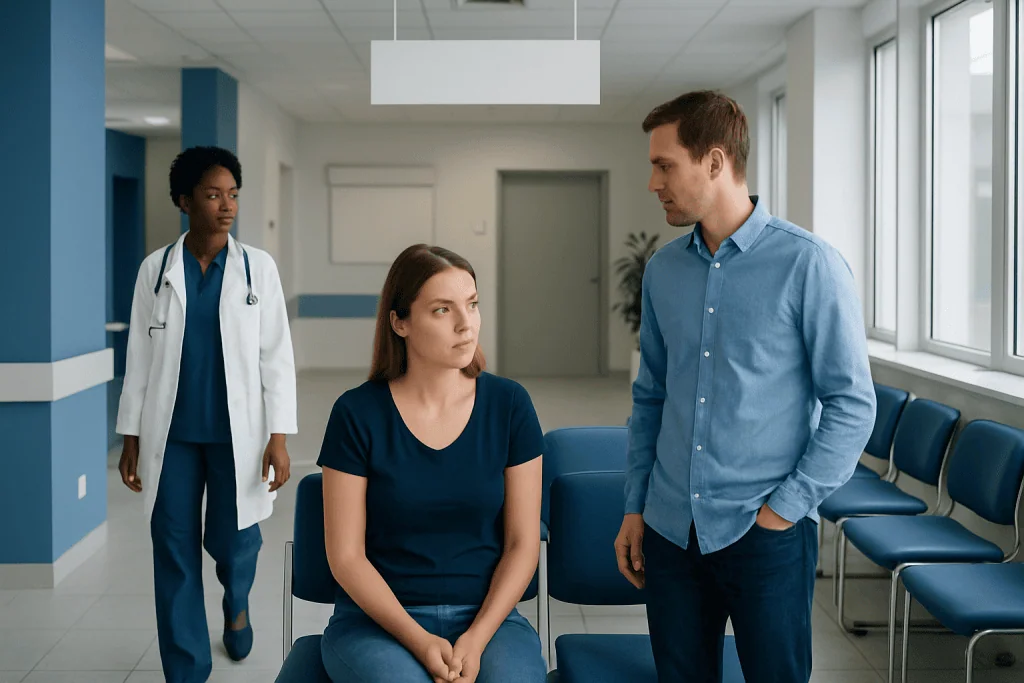
Poll results reflect attitudes and stigma, not an individual’s value, health, or suitability as a partner. Herpes simplex virus can spread even when sores are not visible, although risk-reduction measures are available.
Key Takeaways
- Poll results reflect attitudes and stigma, not an individual’s value, health, or suitability as a partner.
- Herpes simplex virus can spread even when sores are not visible, although risk-reduction measures are available.
- Open discussion before sexual contact allows both partners to make informed, voluntary choices.
- Condoms, avoiding sex during outbreaks, and clinician-prescribed antiviral medicine can lower transmission risk but cannot remove it completely.
- A clinician can help clarify the diagnosis, discuss testing, and create a personalized management plan.
A "would you date someone with herpes" poll may show how people feel about the diagnosis, but it cannot determine whether a relationship is safe, healthy, or right for an individual. Herpes is common and manageable; honest communication, practical risk-reduction steps, and shared decisions can help partners navigate dating with confidence and respect.
What does a “would you date someone with herpes” poll really mean?
Yes, many people would date someone with herpes after they understand the condition and can discuss risk openly. A “would you date someone with herpes” poll may be useful for starting a conversation about stigma, but its results are not medical evidence and should not decide whether a particular relationship can work. Responses can vary widely depending on how a question is worded, who answers it, and whether respondents know basic facts about herpes.
Herpes simplex virus (HSV) is a lifelong viral infection that is very common worldwide. It may cause occasional sores, discomfort, or no noticeable symptoms at all. A diagnosis does not define a person’s character, cleanliness, fertility, or ability to have a close and fulfilling relationship.
Dating decisions are personal. They may involve emotional compatibility, sexual preferences, health considerations, trust, and each partner’s comfort with uncertainty. The most constructive approach is not to seek approval from a poll, but to use accurate information, respectful communication, and medical advice when needed.
Understanding herpes and how it spreads

Herpes is caused by herpes simplex virus type 1 (HSV-1) or type 2 (HSV-2). HSV-1 most often causes oral herpes, such as cold sores around the mouth, although it can also cause genital herpes through oral-genital contact. HSV-2 most often causes genital herpes. Either type can be passed on through close skin-to-skin contact with an affected area.
Transmission can occur when blisters or sores are present, but it can also happen when the skin appears normal. This is called asymptomatic viral shedding. For this reason, a partner may not know they have herpes, and a person cannot reliably judge another person’s status by looking for visible signs.
HSV is not spread through casual contact such as sharing a toilet seat, hugging, using the same utensils, or swimming in a pool. Transmission generally requires direct contact with the oral or genital area where the virus is present. Understanding these differences can replace unnecessary fear with practical precautions.
- Oral herpes can spread through kissing or oral sex, especially when a cold sore is present.
- Genital herpes can spread through vaginal, anal, or oral sexual contact.
- A person may transmit HSV despite having mild symptoms or no recognized symptoms.
How to discuss herpes with a potential partner

Disclosure is an important part of respectful sexual communication. Ideally, a person should tell a potential sexual partner about known oral or genital herpes before kissing, oral sex, or genital contact that could expose the partner. This gives the other person time to ask questions, consider their own comfort level, and decide freely whether and how to proceed.
A conversation does not need to be dramatic or apologetic. It can be calm, direct, and based on facts: explain the type and location of herpes if known, describe how outbreaks are managed, mention that transmission is possible without symptoms, and discuss the steps available to reduce risk. It may help to have the conversation in a private setting before intimacy rather than during a stressful moment.
Both people may experience a range of emotions, including worry, embarrassment, relief, or uncertainty. A supportive partner can listen without judgment, while the person with herpes can recognize that the other person is entitled to ask questions and make their own decision. Consent includes having enough information to make a voluntary choice.
If the diagnosis is new or disclosure feels overwhelming, speaking with a sexual health clinician, counselor, or therapist may help. Emotional distress related to herpes stigma is real and deserves compassionate support, just as physical symptoms do.
Reducing the chance of herpes transmission
No method prevents herpes transmission completely, but several measures can lower the likelihood of passing HSV to a partner. The best plan depends on whether infection is oral or genital, which HSV type is involved, how often outbreaks occur, and the partners’ preferences. A doctor can help tailor advice to the situation.
Avoiding kissing, oral sex, vaginal sex, and anal sex when sores, blisters, tingling, burning, or other early outbreak symptoms are present is important. These early sensations, sometimes called prodromal symptoms, can occur before visible sores develop. Waiting until lesions have fully healed can reduce exposure during periods when the virus is most active.
External condoms and internal condoms reduce skin-to-skin exposure and can lower the risk of genital HSV transmission. However, HSV may affect skin that is not covered by a condom, so protection is incomplete. Dental dams or cut-open condoms may reduce risk during oral sex. Barriers should be used correctly and consistently for the greatest benefit.
For some people with recurrent genital herpes, a clinician may prescribe daily suppressive antiviral treatment. This can reduce outbreaks and lower, but not eliminate, the chance of transmission. Antiviral treatment is also used to shorten or manage outbreaks. Partners should not share medication, and anyone considering treatment should discuss benefits, side effects, pregnancy considerations, and other health conditions with a qualified clinician.
Testing, diagnosis, and common misunderstandings
A clinician can often diagnose herpes by examining a new sore and taking a swab for laboratory testing. Testing a lesion with a nucleic acid amplification test, often called PCR, is generally more sensitive than viral culture. A swab is most useful when a fresh lesion is present, so prompt assessment is helpful if new genital or oral sores appear.
Blood tests can look for antibodies to HSV-1 or HSV-2. These tests may help in selected situations, such as when a person has a partner with known genital herpes or has symptoms without a lesion available for testing. However, a blood test cannot show exactly when infection was acquired or where on the body it is located. HSV-1 blood test results are especially difficult to interpret because many infections were acquired orally earlier in life.
Routine herpes blood screening is not recommended for every person without symptoms. False-positive results can occur, particularly in people with a low likelihood of infection, and may cause needless anxiety. A healthcare professional can explain whether testing is likely to provide useful information and whether a confirmatory test is appropriate.
Herpes should not be confused with other causes of genital sores, including syphilis, skin irritation, or other infections. Anyone with new genital sores should receive a proper evaluation rather than self-diagnosing. Testing for other sexually transmitted infections may also be recommended based on symptoms and sexual history.
Living well with herpes in a relationship
For many people, outbreaks become less frequent or less severe over time. Common triggers may include illness, stress, friction, sunlight in some cases of oral herpes, or hormonal changes, but triggers differ between individuals. Keeping a simple symptom record may help a person recognize patterns and plan ahead.
During an outbreak, keeping the area clean and dry, wearing loose clothing, and avoiding contact that could spread the virus may improve comfort and reduce transmission. A clinician can recommend appropriate symptom relief and antiviral treatment. People should avoid touching sores; if they do, they should wash their hands thoroughly to reduce the chance of spreading infection to another area, including the eyes.
Healthy relationships are supported by ongoing communication, not one disclosure alone. Partners can revisit boundaries, contraception, barrier use, testing questions, and treatment choices as the relationship develops. It is also reasonable for either person to decide that they are not comfortable with a particular level of risk; this decision should be communicated respectfully without shaming anyone.
Acibadem International’s multidisciplinary specialists and JCI-accredited hospitals can assess herpes symptoms, discuss testing and treatment options, and support international patients with sexual health concerns.
When to seek medical care
Medical assessment is recommended for a first episode of oral or genital sores, unexplained genital pain, blisters, painful urination, or a rash that may be sexually transmitted. Early assessment can make testing more accurate and allow timely treatment. It is also appropriate to seek care when a person has recurrent symptoms that are frequent, severe, or affecting daily life or relationships.
Urgent medical care is important for eye pain, eye redness, light sensitivity, or vision changes, particularly if a person has a history of cold sores or has touched a sore and then their eye. HSV infection of the eye can be serious and needs prompt specialist evaluation. Urgent assessment is also needed for severe headache, neck stiffness, confusion, or difficulty urinating.
Pregnant people who have genital herpes, develop genital sores during pregnancy, or have a partner with herpes should inform their obstetric care team. Careful planning can reduce risks around delivery. People with weakened immune systems should also contact a clinician promptly if they develop possible herpes symptoms because outbreaks may be more severe or prolonged.
Frequently asked questions
Would you date someone with herpes?
This is a personal decision, and there is no single correct answer. Many people choose to date partners with herpes after discussing the diagnosis, understanding transmission risk, and agreeing on prevention measures. Honest communication and informed consent are more meaningful than poll results.
Can herpes be passed on when there are no sores?
Yes. HSV can sometimes be transmitted during asymptomatic viral shedding, when there are no visible sores or symptoms. Avoiding sex during outbreaks, using barriers, and considering clinician-prescribed suppressive antiviral therapy can reduce risk, but cannot make it zero.
Should a person tell a partner they have herpes?
A person with known oral or genital herpes should discuss it with a potential partner before sexual contact that could transmit the virus. This allows the partner to understand the possible risks and participate in decisions about protection. Clear, calm disclosure also helps build trust.
Can condoms prevent herpes completely?
Condoms can reduce the risk of genital herpes transmission, especially when used consistently and correctly. They do not provide complete protection because herpes can affect skin outside the area covered by a condom. Combining condoms with avoiding sex during outbreaks and medical treatment when appropriate offers greater protection.
Is herpes a sign that someone has been unfaithful?
No. Herpes can remain inactive for months or years, and many people do not know they have it because they have no symptoms. A new diagnosis cannot reliably determine when the infection was acquired or identify which partner transmitted it.
Can someone with herpes have a normal sex life and relationship?
Yes. Many people with oral or genital herpes have satisfying relationships and sex lives. Learning about the condition, managing outbreaks, using risk-reduction strategies, and communicating openly can help partners make choices that feel right for them.
References
- Centers for Disease Control and Prevention
- World Health Organization
- American Sexual Health Association
- Mayo Clinic
- National Health Service
This article is for general information only and is not a substitute for professional medical advice. Please consult a qualified doctor about your individual situation.
Explore treatments in Turkey — costs, top hospitals & a free quote
JCI-accredited · board-certified surgeons · reply within 24h
Add us as a Preferred Source to see more of our trusted health content across Google Search, AI Overviews and Discover.

More from the Health Library

Gas Gangrene: What Patients Need to Know

Pinto Beans — Explained by Medical Evidence, Not Myths

Appetite Suppressant: An Evidence-Based Guide for Patients

Cystocele — Explained by Medical Evidence, Not Myths

Lubiprostone — Explained by Medical Evidence, Not Myths