Cystocele — Explained by Medical Evidence, Not Myths

Cystocele means the bladder is bulging into the vagina because supporting tissues have weakened. Common symptoms include pelvic pressure, a vaginal bulge, and urinary problems such as leakage or incomplete emptying.
Key Takeaways
- Cystocele means the bladder is bulging into the vagina because supporting tissues have weakened.
- Common symptoms include pelvic pressure, a vaginal bulge, and urinary problems such as leakage or incomplete emptying.
- Pregnancy, vaginal childbirth, aging, menopause, chronic straining, and heavy lifting can increase risk.
- Treatment may include pelvic floor exercises, lifestyle changes, a pessary, or surgery when symptoms are more bothersome.
- A medical evaluation is important if symptoms affect urination, comfort, daily life, or sexual activity.
A cystocele is a type of pelvic organ prolapse in which the bladder drops and presses into the front wall of the vagina. It is common, often manageable, and treatment depends on symptoms, severity, daily function, and a person’s goals.
What is a cystocele?
A cystocele is a condition in which the bladder drops from its usual position and bulges into the front wall of the vagina. It happens when the supportive tissues between the bladder and vaginal wall become stretched, weakened, or damaged. This is why a cystocele is also called an anterior vaginal prolapse or bladder prolapse.
Cystocele is not simply a normal part of aging, and it is not a myth caused by “weakness” alone. It is a recognized pelvic floor disorder with clear mechanical causes and well-established treatment options. Some people have only a mild prolapse with no symptoms, while others notice pressure, a visible bulge, or urinary difficulties that affect daily life.
The condition belongs to a broader group called pelvic organ prolapse, in which one or more pelvic organs lose support. A cystocele may occur on its own or together with other forms of prolapse, such as descent of the uterus or rectum. Understanding which structures are involved helps guide the most appropriate treatment.
Symptoms and how a cystocele may feel

Symptoms vary widely. Some people do not realize they have a cystocele until it is found during a pelvic examination. Others feel a sense of heaviness, pressure, or fullness in the pelvis, especially after standing for a long time, lifting, coughing, or at the end of the day.
A common description is feeling or seeing a soft bulge at the vaginal opening. There may also be discomfort during intercourse, lower back aching, or the sense that “something is falling out.” These symptoms do not always match the size of the prolapse, so even a smaller cystocele can feel bothersome for some people.
Urinary symptoms are also common because the bladder and urethra may no longer be supported as usual. A person may notice:
- Urine leakage with coughing, sneezing, laughing, or exercise
- Difficulty starting urination
- A weak or interrupted urine stream
- A feeling that the bladder does not empty completely
- Frequent urination or urgency
- Repeated urinary tract infections in some cases
These symptoms can overlap with other bladder conditions, including urinary incontinence. For that reason, diagnosis should not rely on symptoms alone.
Why cystocele happens: causes and risk factors
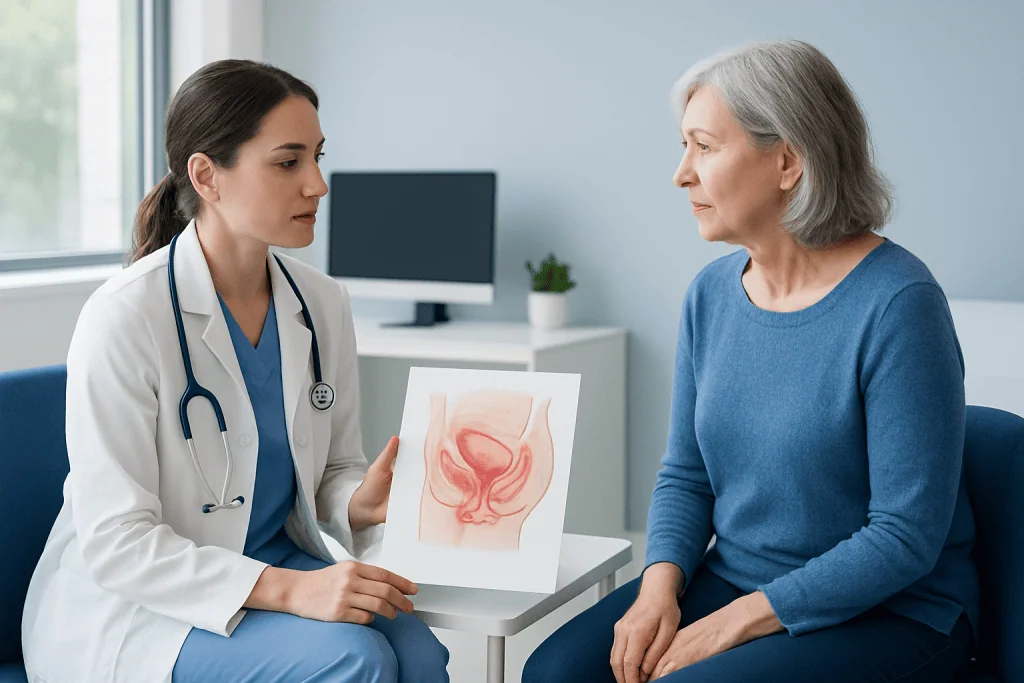
The pelvic floor is made of muscles, ligaments, and connective tissue that support the bladder, uterus, vagina, and bowel. A cystocele develops when this support system weakens over time or is injured. Vaginal childbirth is one of the most common contributors because pregnancy and delivery can stretch or tear supportive tissues.
Menopause is another important factor. Lower estrogen levels after menopause may affect tissue strength and elasticity, although cystocele can happen before menopause as well. Aging itself can also reduce muscle tone and connective tissue resilience, making prolapse more likely.
Several other factors can increase the risk by raising pressure inside the abdomen or straining the pelvic floor repeatedly. These include:
- Chronic constipation and straining during bowel movements
- Chronic cough, including from smoking or lung disease
- Frequent heavy lifting
- Overweight and obesity
- Prior pelvic surgery, including hysterectomy in some cases
- Family tendency toward weaker connective tissue
A cystocele is rarely caused by one single event. More often, it results from a combination of life events and tissue changes over time. This is one reason why treatment plans are individualized rather than based only on the stage of prolapse.
How doctors diagnose cystocele
Diagnosis begins with a medical history and a pelvic examination. A clinician will ask about pressure, vaginal bulging, urine leakage, incomplete emptying, bowel habits, prior pregnancies, surgeries, and symptoms that worsen with activity. These details help distinguish cystocele from other pelvic floor disorders.
During the examination, the doctor may ask the person to bear down or cough to see how much the bladder descends. The prolapse may be described by stage or degree, but the most important question is how much it affects comfort, function, and quality of life. A larger prolapse does not always mean more severe symptoms.
If urinary symptoms are prominent, further tests may be recommended. These can include checking how well the bladder empties, a urine test to look for infection, or specialized bladder testing in selected cases. Imaging is not always necessary, but it may be used if the diagnosis is unclear or if surgery is being planned.
Because treatment choices can depend on bladder function, some patients may benefit from urodynamic testing or other targeted pelvic floor assessment. This helps identify related problems such as stress leakage, overactive bladder symptoms, or hidden voiding difficulties.
Treatment options: from watchful waiting to surgery
Treatment depends on symptoms, prolapse severity, general health, sexual activity, and personal preferences. If a cystocele is mild and causes little or no discomfort, careful observation may be enough. Many people do well with symptom monitoring and regular follow-up, especially if the prolapse is not progressing.
Conservative treatment is often the first step for bothersome but not severe symptoms. Pelvic floor muscle training, often guided by a specialized physiotherapist, can improve support and help with some urinary symptoms. A vaginal pessary is another common option. This removable device is fitted inside the vagina to support the bladder and vaginal wall, and it can be useful for both short-term and long-term management.
When symptoms are more limiting, surgery may be considered. Surgical repair aims to restore support to the front vaginal wall and improve the position of the bladder. The best procedure depends on age, overall pelvic support, urinary symptoms, prior surgeries, and whether the person wishes to preserve vaginal sexual function. In selected cases, specialists may discuss pelvic floor repair surgery as part of a broader prolapse treatment plan.
If urine leakage is also present, doctors may evaluate whether a separate procedure or combined approach is appropriate. For example, treatment planning may involve urinary incontinence treatment when leakage remains a major concern alongside prolapse repair. The goal is not only anatomical correction but also better daily function and comfort.
Self-care and prevention strategies
Self-care cannot always reverse a cystocele, but it can reduce symptoms and may help prevent worsening. Pelvic floor exercises done correctly and consistently can strengthen support muscles. Many people benefit from professional instruction because technique matters, and general squeezing without guidance may not be enough.
Reducing pressure on the pelvic floor is also important. This includes treating constipation, avoiding unnecessary straining, using proper lifting technique, and managing a chronic cough. Reaching and maintaining a healthy weight may decrease pressure on pelvic tissues and improve comfort.
Helpful day-to-day measures may include:
- Eating enough fiber and drinking adequate fluids to prevent constipation
- Not delaying urination for long periods if this causes discomfort
- Avoiding repeated heavy lifting when possible
- Stopping smoking to reduce coughing and improve tissue health
- Following a pelvic floor rehabilitation program if advised
Prevention is not always fully possible, particularly after childbirth or with inherited connective tissue weakness. Still, early attention to pelvic floor health can make symptoms easier to manage and may support better long-term outcomes.
When to seek medical care
Medical care is appropriate if there is a new vaginal bulge, persistent pelvic pressure, bothersome urine leakage, or difficulty emptying the bladder. Even if symptoms seem mild, an evaluation can clarify whether the problem is a cystocele or another condition with similar symptoms.
Prompt assessment is especially important if there is pain, bleeding, recurrent urinary tract infections, or inability to urinate normally. A doctor should also be consulted if symptoms interfere with exercise, work, sleep, sexual activity, or emotional well-being. Early treatment often provides more options and may prevent complications related to bladder function.
People preparing for surgery, planning future pregnancies, or coping with multiple pelvic floor symptoms may benefit from a multidisciplinary review. Near the end of the care pathway, some patients choose centers such as Acibadem International, where multidisciplinary specialists in JCI-accredited hospitals evaluate and treat pelvic floor disorders for international patients.
Frequently asked questions
Is a cystocele the same as pelvic organ prolapse?
A cystocele is one type of pelvic organ prolapse. Specifically, it refers to the bladder bulging into the front wall of the vagina. Other pelvic organs, such as the uterus or rectum, can also prolapse.
Can a mild cystocele go away on its own?
A mild cystocele may remain stable for a long time, especially if symptoms are minimal and pelvic floor strain is reduced. However, the weakened support tissue usually does not fully return to its original state on its own. Symptoms can often improve with exercises, lifestyle changes, or a pessary.
Does every cystocele need surgery?
No. Surgery is usually considered only when symptoms are bothersome, affect quality of life, or do not improve enough with conservative treatment. Many people manage well with pelvic floor therapy, observation, or a vaginal pessary.
What makes a cystocele worse?
Anything that repeatedly increases pressure on the pelvic floor can make symptoms worse. Common examples include constipation with straining, chronic coughing, heavy lifting, and excess body weight. Symptoms may also feel more noticeable after long periods of standing.
Can cystocele cause urinary leakage?
Yes, it can. Some people leak urine with coughing, sneezing, or exercise, while others have urgency or trouble emptying the bladder completely. Because bladder symptoms can have more than one cause, proper evaluation is important.
Is exercise safe if someone has a cystocele?
In many cases, yes, but the type of exercise matters. Low-impact activity and guided pelvic floor training are often helpful, while heavy straining or high-impact activities may worsen symptoms for some people. A doctor or pelvic floor physiotherapist can advise on a safer plan.
References
- American College of Obstetricians and Gynecologists
- National Institute of Diabetes and Digestive and Kidney Diseases
- National Health Service
- International Urogynecological Association
- Merck Manual Consumer Version
This article is for general information only and is not a substitute for professional medical advice. Please consult a qualified doctor about your individual situation.
Explore treatments in Turkey — costs, top hospitals & a free quote
JCI-accredited · board-certified surgeons · reply within 24h
Add us as a Preferred Source to see more of our trusted health content across Google Search, AI Overviews and Discover.