Xofigo Radium 223 Therapy: How It Works, Results and What to Expect

Xofigo contains radium-223, an alpha-emitting radioactive medicine that targets bone metastases. It is used for selected people with castration-resistant prostate cancer and symptomatic bone metastases, without known spread to internal organs.
Key Takeaways
- Xofigo contains radium-223, an alpha-emitting radioactive medicine that targets bone metastases.
- It is used for selected people with castration-resistant prostate cancer and symptomatic bone metastases, without known spread to internal organs.
- Treatment is usually given as a series of six intravenous injections, generally four weeks apart.
- Blood tests are needed before and during treatment because Xofigo can lower blood cell counts.
- Benefits vary between individuals; the care team weighs expected benefit, symptoms, scans, blood counts and other treatments.
- Temporary radiation-safety measures mainly focus on careful handling of urine, stool and other body fluids after each dose.
Xofigo radium 223 therapy is an intravenous radiopharmaceutical used for certain men with metastatic castration-resistant prostate cancer that has spread to the bones. It delivers short-range radiation directly to areas of active bone metastasis, aiming to delay skeletal complications and help people live longer while preserving daily function where possible.
Overview: What Xofigo Radium 223 Therapy Does
Xofigo radium 223 therapy is a targeted nuclear medicine treatment for a specific form of advanced prostate cancer. It is designed for people with castration-resistant prostate cancer that has spread to bone and is causing symptoms, such as bone pain, but has not spread to internal organs such as the liver or lungs. The medicine is given into a vein and travels through the bloodstream to areas of increased bone activity around metastases.
Radium-223 gives off alpha particles, a form of radiation that travels only a very short distance in tissue. This allows it to damage cancer cells close to where the medicine collects while limiting radiation exposure to surrounding healthy tissues. It does not remove all cancer cells or cure metastatic prostate cancer, but it can be an important part of a wider treatment plan.
Because prostate cancer care often involves several approaches, the oncology team may also discuss hormone-based therapy, chemotherapy, external-beam radiation for a painful site, bone-protecting medicines and supportive care. Decisions are individual and should be reviewed by clinicians experienced in prostate cancer and nuclear medicine.
What Kind of Cancer Does Xofigo Treat?
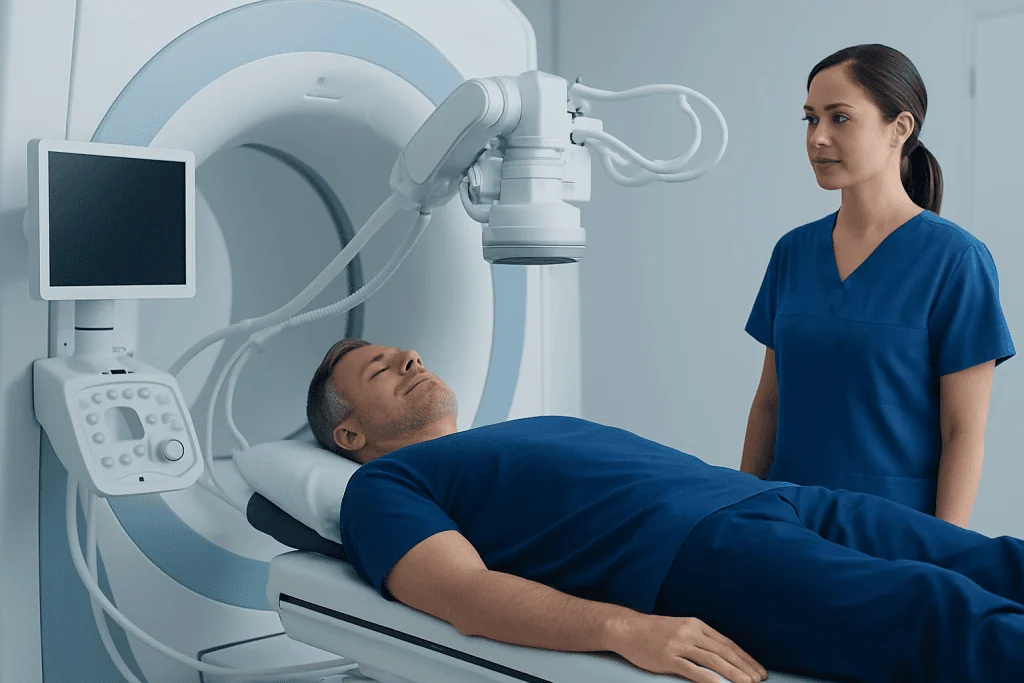
Xofigo is approved in many healthcare systems for adults with metastatic castration-resistant prostate cancer (mCRPC) with symptomatic bone metastases and no known visceral metastases. Castration-resistant means that the cancer is growing despite treatment that lowers testosterone to very low levels. In most cases, testosterone-lowering treatment continues while other therapies are added.
Bone is a common site of spread in advanced prostate cancer. Metastases can weaken bone and may lead to pain, fractures, spinal cord compression or a need for radiation or surgery. Radium-223 is attracted to areas where bone is actively remodeling, which often includes bone surrounding prostate cancer metastases.
Xofigo is not generally used to treat prostate cancer that is confined to the prostate, nor is it a standard treatment for cancers that have spread mainly to lymph nodes or internal organs. Imaging and clinical assessment are therefore essential before treatment. A specialist may also consider prostate cancer stage, symptoms and previous treatments when planning care.
How Xofigo Works and Who May Be a Candidate

Radium-223 behaves in a similar way to calcium within the body. After injection, it concentrates in areas of increased bone turnover, particularly around bone metastases. Its alpha radiation creates damage in nearby cancer cells and cells in the tumor microenvironment. Since alpha particles travel a very short distance, their effect is highly localized.
Potential candidates usually have confirmed bone metastases from castration-resistant prostate cancer, symptoms related to bone disease, adequate bone marrow function and no evidence of visceral metastases. The team reviews blood counts, kidney and liver function, imaging results, current symptoms, prior therapies and overall health before recommending treatment.
Not everyone with bone metastases is suitable. People with very low blood counts, substantial bone marrow involvement, untreated spinal cord compression, or a high likelihood of developing organ metastases may need a different strategy first. Treatment planning also considers whether other medicines could increase the risk of fractures or bone marrow suppression.
- Bone scans and other imaging help confirm the pattern of cancer spread.
- Blood tests assess red cells, white cells and platelets before every dose.
- Dental, bone-health and fracture-risk assessments may be appropriate for some patients.
- A multidisciplinary team helps coordinate oncology, urology, nuclear medicine, radiology and supportive care.
Step by Step: What Happens During Xofigo Treatment
Before the first dose, the clinical team explains the expected benefits, possible side effects, practical safety measures and treatment schedule. A physical assessment, blood tests and recent imaging are reviewed. Patients should tell the team about all medicines, supplements, allergies, recent infections, planned dental work and any new symptoms, especially worsening back pain, leg weakness or changes in bladder or bowel control.
Xofigo is usually given as an intravenous injection in a nuclear medicine department or oncology treatment unit. The injection itself is brief, and people generally do not need anesthesia or an overnight hospital stay. A standard course commonly consists of six injections given about four weeks apart, although the exact plan depends on local guidance and the individual clinical situation.
After each injection, the team may provide written instructions about hygiene and handling body fluids for several days. These commonly include washing hands carefully, cleaning toilet splashes promptly, flushing the toilet twice when possible and laundering soiled clothing or linens separately. Close contact with family members is generally possible, but individual instructions should always be followed.
Patients continue to attend planned blood tests and follow-up visits between injections. If blood counts fall too low, side effects become significant or the cancer changes pattern, the care team may delay, stop or adjust the wider treatment plan. The primary aim is to deliver treatment safely while maintaining quality of life.
How Effective Is Xofigo?
In appropriately selected patients, radium-223 has been shown to extend overall survival and delay symptomatic skeletal events compared with placebo in a major clinical trial. Symptomatic skeletal events include problems such as fractures, spinal cord compression, or a need for radiation therapy or surgery because of bone disease. The treatment may also help some people experience improvement or stabilization of bone-related symptoms.
Response is not always reflected by a simple drop in prostate-specific antigen (PSA). PSA can remain stable, rise or fluctuate during treatment, and it does not reliably show the effect of radium-223 on bone metastases. Clinicians usually assess benefit using symptoms, daily functioning, pain medicine needs, blood tests, imaging where appropriate and the overall course of disease.
Xofigo is not intended to treat cancer deposits outside the bone. For this reason, doctors monitor for signs that cancer may be progressing in lymph nodes, the liver, lungs or other organs. If the pattern of disease changes, another systemic therapy may be more suitable.
Effectiveness is also influenced by overall health, extent of bone involvement, bone marrow reserve and the other treatments used before, during or after radium-223. A personalized discussion with the treating oncologist is the most useful way to understand likely benefit in an individual situation.
What Is the Success Rate of Radium-223?
There is no single success rate for radium-223 because “success” can mean different outcomes: living longer, delaying bone-related complications, reducing pain, maintaining daily activities or controlling disease in the bones. Individual results vary according to the amount and location of cancer, prior treatment, blood counts, symptoms and general health.
In the pivotal clinical study of selected patients with symptomatic bone-metastatic castration-resistant prostate cancer and no visceral metastases, radium-223 improved median overall survival by several months and delayed symptomatic skeletal events compared with placebo. These group results cannot predict exactly what will happen for one person, and they should not be interpreted as a cure rate.
The oncology team will usually discuss treatment goals before starting therapy. For some people, the most meaningful outcome is fewer bone complications or more time before another intervention is needed; for others, symptom relief and maintaining independence are central goals. Ongoing review helps determine whether the benefits remain worthwhile.
Risks, Recovery Timeline and Everyday Self-Care
Most people return home on the day of injection and can usually resume gentle usual activities soon afterward, depending on how they feel. There is no surgical wound and no lengthy physical recovery period. However, fatigue may occur, especially over the course of several treatments, and the underlying cancer itself can also affect energy levels.
The most important potential side effect is bone marrow suppression, which can lower red blood cells, white blood cells or platelets. This may contribute to anemia, infection risk or easier bruising and bleeding. Nausea, diarrhea, vomiting, swelling in the legs and temporary changes in pain can also occur. The team monitors blood counts closely and can advise on supportive care.
Some people may be at risk of fractures, particularly if bones are already weakened by metastases or if certain treatments are combined. The clinician may recommend bone-strengthening treatment, weight-bearing activity suited to the person’s condition, falls prevention and prompt assessment of new focal bone pain. Patients should not start or stop cancer medicines without discussing it with the oncology team.
At home, adequate fluids, regular meals, rest balanced with light movement, and attention to bowel habits may help support comfort. Reporting side effects early is helpful, since many symptoms can be assessed and managed before they become more disruptive.
How Much Does Radium-223 Treatment Cost?
The cost of radium-223 treatment varies considerably by country, hospital, insurance coverage, treatment schedule, required tests and the support services included in care. It is not possible to provide one accurate price that applies to every patient. The total plan may include consultations, imaging, laboratory monitoring, the radiopharmaceutical, injection visits and management of side effects.
Patients are encouraged to ask for a written, individualized estimate from the hospital or treatment center before therapy begins. If insurance or public healthcare coverage is involved, the insurer or local payer may clarify authorization requirements, co-payments, network rules and coverage for related tests.
For international patients, it can be useful to discuss travel timing, the usual interval between treatment sessions, follow-up requirements and how urgent medical concerns will be handled at home. Financial planning should never delay urgent evaluation of symptoms such as possible spinal cord compression or infection.
Acibadem International’s multidisciplinary specialists and JCI-accredited hospitals can assess and coordinate treatment options for international patients, including Xofigo radium 223 therapy, when clinically appropriate.
When to Seek Medical Care
People receiving Xofigo should contact their oncology team promptly for fever, chills, unusual bruising or bleeding, black or bloody stools, severe or persistent diarrhea, repeated vomiting, marked weakness, shortness of breath, or symptoms that may suggest low blood counts. The team can advise whether urgent blood tests or assessment are needed.
Emergency assessment is important for new or rapidly worsening severe back or neck pain, weakness or numbness in the legs, difficulty walking, loss of bladder or bowel control, or sudden inability to pass urine. These symptoms can indicate spinal cord compression, which requires urgent medical attention.
New severe bone pain, a fall, inability to bear weight, or suspected fracture should also be assessed without delay. Regular appointments remain important even when a person feels well, as blood tests and clinical review are key parts of safe treatment.
Frequently asked questions
Is Xofigo chemotherapy?
No. Xofigo is a radiopharmaceutical, meaning it is a radioactive medicine used to deliver targeted alpha radiation to bone metastases. It is given by intravenous injection rather than as conventional chemotherapy, although it may be considered within a broader cancer treatment plan.
How long does a Xofigo injection take?
The intravenous injection itself is usually brief. Time at the treatment center may be longer because of check-in, blood test review, clinical assessment and radiation-safety instructions. Most people go home the same day.
Does Xofigo make a person radioactive to others?
After treatment, small amounts of radioactivity can leave the body in urine, stool and other body fluids. The radiation has a short range, and patients are usually given practical hygiene instructions to follow for several days. The nuclear medicine team provides advice tailored to the patient’s household circumstances.
Can Xofigo reduce bone pain?
Some patients have less bone-related pain or more stable symptoms during treatment, but pain relief is not guaranteed and may not be immediate. Pain can also temporarily change or worsen for other reasons. The oncology team can coordinate pain management throughout treatment.
Can Xofigo be used when cancer has spread to the liver or lungs?
Xofigo is generally intended for selected patients with symptomatic bone metastases and no known visceral metastases, such as spread to the liver or lungs. If visceral metastases are present, the oncology team will consider other systemic treatments based on the full pattern of disease.
What monitoring is needed during radium-223 therapy?
Blood counts are usually checked before each dose to ensure the bone marrow is tolerating treatment. The care team also reviews symptoms, physical function, pain medicines and any signs of disease progression. Imaging may be used when clinically needed, although PSA alone is not a reliable measure of Xofigo response.
References
- National Cancer Institute
- U.S. Food and Drug Administration
- European Medicines Agency
- American Cancer Society
- European Association of Urology
This article is for general information only and is not a substitute for professional medical advice. Please consult a qualified doctor about your individual situation.
Oncology care in Turkey — second opinion and treatment plan
JCI-accredited · board-certified surgeons · reply within 24h
Add us as a Preferred Source to see more of our trusted health content across Google Search, AI Overviews and Discover.