Xy Dysgenesis: A Complete Medical Overview

xy dysgenesis is a difference in sex development involving incomplete or absent typical testicular development in a person with XY chromosomes. It may be noticed at birth because of differences in genital appearance, or later when puberty does not progress as expected.
Key Takeaways
- xy dysgenesis is a difference in sex development involving incomplete or absent typical testicular development in a person with XY chromosomes.
- It may be noticed at birth because of differences in genital appearance, or later when puberty does not progress as expected.
- Diagnosis usually includes hormone tests, imaging, chromosome analysis, and often genetic testing.
- Treatment is individualized and may involve hormone replacement, surgery in selected cases, fertility counseling, and long-term follow-up.
- Care is best provided by a multidisciplinary team that includes endocrinology, genetics, gynecology or urology, and mental health support when needed.
xy dysgenesis is a form of difference in sex development in which a person has an XY chromosome pattern but the gonads do not develop into functioning testes. This can affect hormone production, puberty, reproductive anatomy, and fertility, and it is usually diagnosed through a careful combination of physical examination, hormone testing, imaging, and genetic evaluation.
Overview
xy dysgenesis is a medical term used for conditions in which a person has an XY chromosome pattern, but the gonads do not develop into typical, functioning testes. Because the testes are important for producing hormones during fetal development and puberty, this difference can influence internal reproductive structures, external genital appearance, pubertal development, and future fertility.
This is part of a broader group of conditions called differences of sex development, often shortened to DSD. xy dysgenesis is not a single disease with one cause. Instead, it describes a developmental pattern that may happen for several genetic or biological reasons, including complete gonadal dysgenesis, partial gonadal dysgenesis, or related conditions such as Swyer syndrome when that diagnosis applies.
The way xy dysgenesis presents varies widely. Some infants are born with genital differences that lead doctors to investigate early. Others appear typically female at birth and are diagnosed in adolescence when menstrual periods do not start or puberty is incomplete. In some cases, the condition is discovered during evaluation for infertility.
Although the topic can feel complex, many people with xy dysgenesis do well with expert medical care, clear information, and ongoing follow-up. The goal is to support healthy development, address hormone needs, reduce medical risks, and provide respectful, individualized care.
How xy dysgenesis affects the body
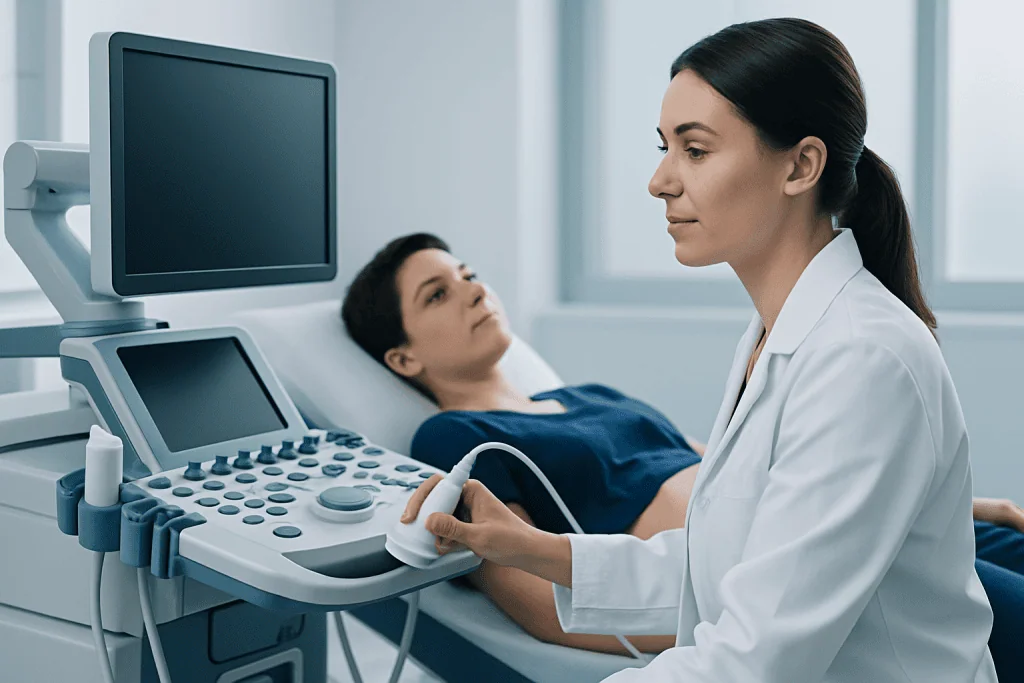
Typical sex development depends on a coordinated sequence of genetic signals and hormone production. In an embryo with XY chromosomes, certain genes usually help the gonads develop into testes. The testes then produce hormones such as testosterone and anti-Mullerian hormone, which guide the development of reproductive anatomy before birth and later support puberty.
In xy dysgenesis, this process is disrupted. The gonads may remain underdeveloped, sometimes called streak gonads, or may form incompletely and produce only limited hormones. When hormone production is reduced or absent, expected male-pattern development may not occur fully. Depending on the degree of gonadal function, the external genitalia may appear typically female, may be atypical, or may show features between typical male and female patterns.
The internal anatomy also depends on how much hormone was present during fetal development. Some people may have a uterus and fallopian tubes, while others may not. Puberty can also vary: breast development, body hair, growth patterns, and menstruation may differ depending on hormone levels and anatomy.
This variation is one reason why a careful, individualized evaluation matters. The same umbrella term can include people with very different medical needs, so doctors usually avoid assumptions and base decisions on chromosomes, hormone findings, imaging, physical examination, and personal goals.
Symptoms and possible signs

The signs of xy dysgenesis depend on age and on how much testicular development occurred. In newborns, doctors may notice differences in genital appearance, such as atypical genitalia, a smaller phallus than expected, hypospadias, or undescended gonads. In other babies, there may be no obvious sign at all.
During childhood, the condition may remain unrecognized unless there are associated findings or imaging studies done for another reason. More often, diagnosis happens in adolescence. A teenager who was raised as a girl may be evaluated because menstruation has not started, breast development is limited, or puberty is delayed. A teenager raised as a boy may be assessed for incomplete virilization, small testes, or poor pubertal progression.
In adulthood, some people are first evaluated because of infertility or absent sperm production. Others may come to attention because of pelvic pain, an incidental imaging finding, or a known family history of a DSD condition.
- Differences in genital appearance at birth
- Undescended gonads or non-palpable testes
- Delayed puberty or incomplete pubertal development
- Primary amenorrhea, meaning periods have not started
- Infertility
- Hormone-related symptoms such as limited body hair or reduced virilization
Not every person has all of these features, and symptoms alone cannot confirm the diagnosis. A medical assessment is needed to understand the specific condition and its implications.
Causes and risk factors
xy dysgenesis happens when the pathway that directs typical testicular development is altered. In some people, a genetic change affects a key gene involved in gonadal formation or hormone production. Examples may include changes involving genes such as SRY, NR5A1, DHH, MAP3K1, or others known to influence sex development. However, not every patient will have an identifiable genetic cause even after testing.
The condition may be classified as complete or partial. In complete 46,XY gonadal dysgenesis, the gonads usually do not function as testes, hormone production is very limited, and the external genitalia are often typically female. In partial gonadal dysgenesis, some testicular development occurs, so the anatomy and hormone pattern can be more variable.
Some causes overlap with other DSD conditions. For example, doctors may consider related diagnoses such as androgen insensitivity syndrome or enzyme disorders when the chromosome pattern, anatomy, or hormone levels suggest a different mechanism. This distinction matters because treatment and long-term follow-up may differ.
Most cases are not caused by anything a parent did or did not do during pregnancy. A family history of DSD, infertility, unexplained delayed puberty, or genetic conditions may raise suspicion, but many people with xy dysgenesis have no known family history. Genetic counseling can help families understand inheritance patterns and testing options.
How doctors diagnose xy dysgenesis
Diagnosis begins with a detailed medical history and physical examination. Doctors consider the age at presentation, pubertal development, reproductive anatomy, family history, and any signs of hormone deficiency. Because the condition can affect several body systems and may involve sensitive issues around sex development and identity, assessment is usually done carefully and respectfully by an experienced team.
Laboratory testing often includes measurement of sex hormones and related pituitary hormones. Depending on the case, doctors may check testosterone, luteinizing hormone, follicle-stimulating hormone, estradiol, anti-Mullerian hormone, and sometimes adrenal hormones. These tests help clarify whether the gonads are producing hormones and whether puberty has started in the expected way.
Imaging studies are also important. Pelvic ultrasound or MRI may be used to look for a uterus, gonads, or other internal structures. Chromosome testing, often called karyotyping, confirms the chromosome pattern, and more detailed genetic testing may identify a specific gene change. When a gonad is not clearly seen or when tumor risk is a concern, further specialist evaluation may be needed.
The diagnostic process may involve pediatric or adult endocrinology, gynecology, urology, radiology, and genetics. In selected patients, doctors may also discuss the possibility of tissue examination if surgery is performed. The aim is not only to name the condition, but also to understand hormone needs, fertility potential, anatomy, and any long-term risks.
Treatment options and long-term care
Treatment for xy dysgenesis depends on the specific diagnosis, age, anatomy, hormone profile, and the person’s overall health and preferences. There is no one-size-fits-all plan. Management focuses on supporting healthy growth and puberty, protecting long-term health, and addressing reproductive and psychological needs in an individualized way.
Hormone replacement is often a central part of care. If the gonads do not produce enough sex hormones, doctors may recommend carefully monitored hormone replacement therapy to support puberty, bone health, sexual health, and general well-being. The type of hormone used depends on the person’s anatomy, hormone levels, and treatment goals.
In some forms of xy dysgenesis, underdeveloped gonads carry an increased risk of tumors over time. For this reason, specialists may recommend surgical removal of dysgenetic gonads in selected cases after a full discussion of benefits, timing, and alternatives. If surgery is appropriate, this may be planned through specialists in pediatric urology or adult urology or gynecology, depending on the patient’s age and anatomy.
Fertility potential varies and is often limited in complete gonadal dysgenesis, though options for family building may still be discussed. Long-term follow-up usually includes monitoring of bone density, cardiovascular health, and emotional well-being. For international patients who need coordinated evaluation, Acibadem International’s multidisciplinary specialists in JCI-accredited hospitals diagnose and treat complex sex development conditions with individualized care planning.
Prevention, self-care, and daily support
xy dysgenesis cannot usually be prevented because it results from developmental and often genetic factors. However, early recognition can help prevent complications related to delayed puberty, low hormone levels, reduced bone strength, or late diagnosis of gonadal risk. Families who have a known history of DSD may benefit from preconception or prenatal genetic counseling when appropriate.
Self-care is mainly about staying engaged with follow-up. Regular visits with an endocrinologist or other specialist can help ensure that growth, puberty, hormone levels, and bone health are monitored over time. If hormone replacement is prescribed, taking it as directed and attending follow-up appointments are important parts of care.
Emotional support also matters. Questions about body development, fertility, identity, and disclosure can be stressful for patients and families. Speaking with a psychologist, counselor, or support group familiar with DSD conditions can be helpful and reassuring. Age-appropriate communication is especially important for children and teenagers.
General healthy habits support long-term well-being for everyone with or without xy dysgenesis. These include balanced nutrition, adequate calcium and vitamin D intake when advised, regular weight-bearing exercise for bone health, enough sleep, and avoiding smoking. Patients should ask their care team which lifestyle steps are most relevant to their own treatment plan.
When to seek medical care
Medical evaluation is recommended if a newborn has atypical genital appearance, undescended testes, or gonads that cannot be felt in the scrotum. Early assessment can help clarify anatomy, hormone function, and whether urgent issues need attention. It also gives families a chance to receive clear, measured information from experienced specialists.
Older children and teenagers should be assessed if puberty seems delayed, menstruation has not started by the expected age, or pubertal changes do not progress normally. Adults should seek care for unexplained infertility, absent sperm production, or concerns raised during imaging or prior hormone testing.
Urgent medical advice is also needed if there is sudden pelvic or abdominal pain, a new mass, or other symptoms that raise concern about a gonad or pelvic structure. While many situations are not emergencies, timely specialist review helps guide safe decisions.
Because diagnosis and management can be complex, referral to a center experienced in DSD is often helpful. Depending on age and findings, patients may also be evaluated alongside related services such as fertility counseling and IVF care if future reproductive options are being discussed.
Frequently asked questions
Is xy dysgenesis the same as Swyer syndrome?
Not always. Swyer syndrome usually refers to complete 46,XY gonadal dysgenesis, while xy dysgenesis is a broader term that may include complete or partial forms. A specialist evaluation is needed to determine the exact diagnosis.
Can xy dysgenesis be diagnosed before puberty?
Yes. Some cases are identified in infancy because of genital differences or undescended gonads. Others are found later, especially when puberty does not begin or progress as expected.
Does xy dysgenesis affect fertility?
It often affects fertility because the gonads may not develop into functioning testes and may not produce sperm. The degree of impact depends on the specific condition. Fertility counseling can help explain available options for family building.
Will a person with xy dysgenesis need hormone treatment?
Many people do, especially if their gonads do not produce enough sex hormones for normal puberty and long-term bone health. The exact treatment depends on anatomy, hormone levels, age, and individual goals. Hormone therapy should be planned and monitored by a qualified doctor.
Is xy dysgenesis inherited?
Sometimes a genetic change can be inherited, but in many cases there is no clear family history. The inheritance pattern depends on the specific gene involved, if one is found. Genetic counseling can help families understand testing and recurrence risk.
Why is long-term follow-up important?
Long-term follow-up helps doctors monitor puberty, hormone needs, bone strength, fertility issues, and any gonadal risks that may be linked to the diagnosis. It also provides ongoing emotional and educational support. Because needs can change over time, regular review is an important part of care.
This article is for general information only and is not a substitute for professional medical advice. Please consult a qualified doctor about your individual situation.
IVF & fertility treatment in Turkey — success rates and costs
JCI-accredited · board-certified surgeons · reply within 24h
Add us as a Preferred Source to see more of our trusted health content across Google Search, AI Overviews and Discover.

More from the Health Library

Cyanocobalamin: A Complete Medical Overview

Acid Base Imbalance: A Complete Medical Overview

Boxer’s Fracture: An Evidence-Based Guide for Patients

Pimples on Scalp: What Patients Need to Know

Calcium Element: A Complete Medical Overview