Pimples on Scalp: What Patients Need to Know

Pimples on scalp often develop when hair follicles become clogged or inflamed. Common triggers include sweat, oil, hair products, friction, and sometimes bacterial or fungal overgrowth.
Key Takeaways
- Pimples on scalp often develop when hair follicles become clogged or inflamed.
- Common triggers include sweat, oil, hair products, friction, and sometimes bacterial or fungal overgrowth.
- Scalp bumps are not always acne; conditions such as folliculitis, dermatitis, or cysts can look similar.
- Gentle cleansing and avoiding irritating products may help mild cases.
- Medical care is important if scalp pimples are painful, recurrent, draining, or causing hair loss.
Pimples on scalp are common and are often linked to blocked hair follicles, excess oil, irritation, or inflammation. Most cases can be managed with good scalp hygiene and targeted treatment, but persistent, painful, or spreading bumps should be assessed by a doctor.
Overview: what pimples on scalp usually mean
Pimples on scalp are small inflamed bumps that develop around hair follicles. In many people, they are caused by a combination of oil, dead skin cells, sweat, friction, and irritation from hair products. They may look like acne on the face, but scalp bumps can also have other causes, including inflammation of the follicles, yeast overgrowth, or skin conditions that mimic acne.
The scalp is different from other skin because it contains many hair follicles and oil glands and is often covered by hair, hats, scarves, or helmets. This environment can trap heat and moisture, making it easier for follicles to become blocked or irritated. As a result, scalp pimples may feel tender, itchy, or sore even when they are small.
Most cases are not dangerous and can improve with simple changes such as washing the scalp regularly, choosing non-greasy hair products, and avoiding scratching. However, some people have recurrent or severe lesions that need medical evaluation to confirm the cause and prevent complications such as infection, scarring, or patchy hair loss.
How scalp pimples can look and feel
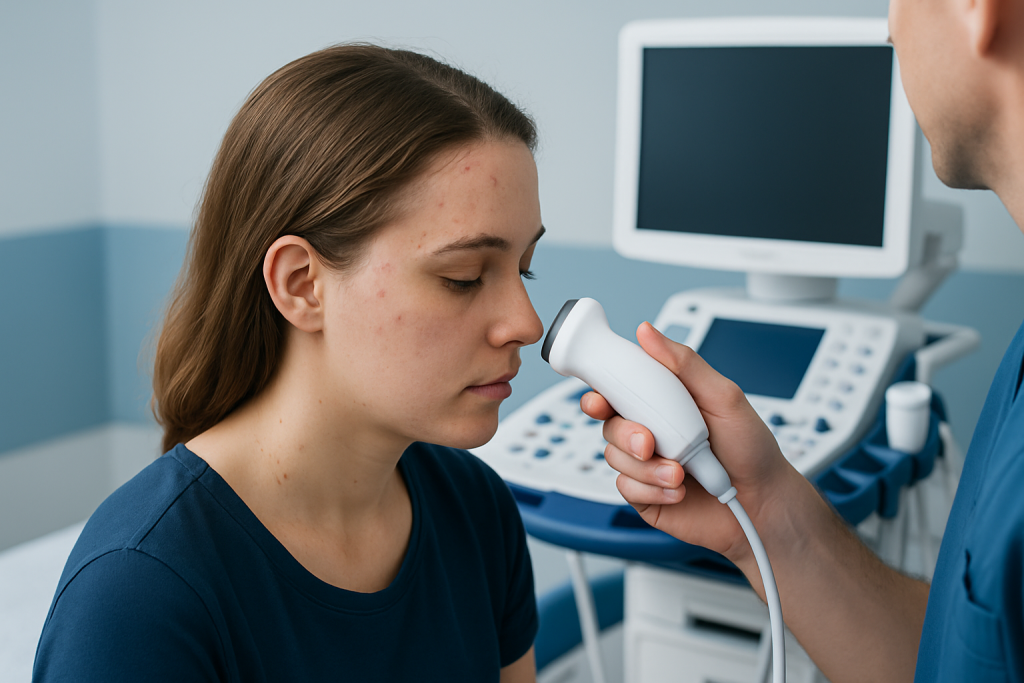
Pimples on scalp can appear as tiny red bumps, whiteheads, pus-filled spots, or deeper painful lumps under the skin. Some are scattered in small areas, while others affect much of the scalp. People may notice them along the hairline, at the back of the head, or under areas where hats, head coverings, or hair products sit against the skin.
Symptoms vary from person to person. Some bumps are only mildly annoying, while others are tender enough to hurt during brushing, shampooing, or lying down. Itching, burning, scalp sensitivity, and a feeling of tightness can also occur. If the bumps are inflamed or infected, they may crust, drain, or bleed after scratching.
Not every scalp bump is acne. Conditions such as folliculitis, seborrheic dermatitis, ingrown hairs, psoriasis, eczema, or cysts can look similar. This is one reason persistent scalp lesions may need a professional examination, especially if over-the-counter care does not help.
- Small red or skin-colored bumps
- Whiteheads or pustules
- Painful, deeper nodules
- Itching or burning
- Crusting or drainage
- Tenderness when combing or washing hair
Why pimples develop on the scalp

The most common reason for scalp pimples is blockage and inflammation of the hair follicles. Oil, dead skin cells, sweat, and residue from styling products can collect around the follicle opening. When this happens, the follicle can become irritated and swollen, and bacteria or yeast that normally live on the skin may contribute to further inflammation.
Hair care habits sometimes play a role. Heavy oils, pomades, waxes, dry shampoos, and leave-in products may build up on the scalp. Infrequent washing can allow sweat and product residue to remain longer, while very frequent or harsh washing may irritate the scalp barrier. Tight hats, helmets, and hairstyles that create friction can also worsen follicle irritation.
Hormonal changes may increase oil production and make acne-like scalp breakouts more likely. Some people are simply more prone to acne or follicular inflammation. In other cases, the underlying issue may be a skin disorder rather than true acne, such as seborrheic dermatitis, which can cause redness, flaking, and itchy inflamed areas on the scalp.
- Excess oil and dead skin cells
- Sweat and heat trapped on the scalp
- Hair product buildup
- Friction from hats, helmets, or tight hairstyles
- Bacterial or fungal overgrowth
- Hormonal changes and acne-prone skin
Risk factors and common triggers
Several day-to-day factors can make scalp pimples more likely. People who exercise heavily, sweat often, or live in hot and humid environments may notice more breakouts because moisture and oil remain on the scalp. Wearing helmets for sports or work, using occlusive head coverings, or going to sleep without washing off styling products can contribute in some cases.
Hair texture and grooming routines matter too. Thick hair may make the scalp harder to cleanse thoroughly, while frequent use of heavy conditioners and oils may increase buildup if they are applied directly to the scalp. Some individuals develop irritation after hair dyes, fragrances, or preservatives in shampoos and styling products, causing bumps that resemble acne.
Other skin conditions can overlap with scalp pimples and make them worse. Dandruff, chronic scratching, ingrown hairs after close shaving, and inflammatory skin disease may all affect scalp comfort and appearance. If lesions are severe, leave scars, or are associated with significant flaking or hair shedding, a dermatologist may look for a broader scalp disorder rather than simple acne.
How doctors diagnose scalp pimples
Diagnosis usually begins with a close look at the scalp and a discussion of symptoms, hair products, and daily habits. A doctor may ask when the bumps started, whether they itch or hurt, if they drain, and whether there is any hair loss or scaling. This history helps distinguish common acne-like breakouts from folliculitis, dermatitis, fungal infection, or cysts.
In many cases, the diagnosis is made during the physical examination. The pattern of the bumps, their size, whether there is crusting, and whether follicles are involved can provide useful clues. If the condition is severe, recurrent, or not responding to treatment, a clinician may take a swab or sample to check for bacteria or fungus, or consider other tests to rule out less common causes.
Sometimes scalp problems need specialist evaluation because the treatment depends on the exact diagnosis. A person with acneiform lesions may benefit from approaches used for acne treatment, while someone with extensive inflammation or persistent scalp disease may need a tailored dermatology plan. Accurate diagnosis is especially important when there are signs of infection, scarring, or ongoing hair thinning.
Treatment options that may help
Treatment depends on the cause and severity. Mild scalp pimples often improve with regular but gentle washing and avoidance of heavy, oily, or irritating products. Shampoos containing ingredients that help reduce oil, buildup, or microbes may be suggested by a doctor or pharmacist, depending on the suspected cause. It is usually best to avoid picking or squeezing lesions, which can increase inflammation and the risk of scarring.
If folliculitis or inflammation is more significant, a doctor may recommend prescription topical treatments such as medicated washes, antibiotic or antifungal products, or anti-inflammatory medicines. In more extensive cases, oral medication may be considered. Treatment should be individualized, because bacterial folliculitis, fungal scalp conditions, and acne-like eruptions do not all respond to the same products.
When the scalp is very inflamed or symptoms continue despite basic care, consultation with a skin specialist is helpful. Dermatology teams may also assess whether related scalp conditions are present and discuss options such as dermatology evaluation and care or treatment for ongoing irritation, flaking, or hair shedding. The goal is not only to clear current bumps but also to reduce recurrence and protect the scalp barrier.
Self-care and prevention steps
Practical self-care can make a real difference. Washing the scalp consistently helps remove sweat, oil, and product residue, but harsh scrubbing can make irritation worse. Using a mild shampoo and rinsing thoroughly after exercise may help many people. If a product seems to trigger breakouts, stopping it for a few weeks can help identify whether it is part of the problem.
It is also helpful to keep items that touch the scalp clean. Pillowcases, hats, helmets, headbands, and combs can collect oil and residue over time. People who use leave-in products may wish to apply them mainly to the hair lengths rather than the scalp unless the product is specifically designed for scalp use.
General scalp-friendly habits include avoiding tight hairstyles, not scratching, and resisting the urge to pop bumps. If dandruff or persistent scaling is present, treatment for the underlying scalp condition may help reduce inflammation overall. Some patients with ongoing scalp or hair concerns may also benefit from broader hair and scalp assessment if there is noticeable thinning, although active inflammation should be managed first.
- Wash after sweating when possible
- Choose non-comedogenic or lightweight hair products
- Avoid heavy oils directly on the scalp
- Clean hats, pillowcases, and hair tools regularly
- Do not pick, squeeze, or scratch scalp lesions
- Seek medical advice for recurrent or painful bumps
When to seek medical care
Medical care is advisable if pimples on scalp are painful, deep, rapidly spreading, or keep coming back despite good scalp hygiene. A doctor should also assess bumps that drain pus, form crusts, bleed easily, or are associated with fever or swollen lymph nodes. These features can suggest infection or a more significant inflammatory condition that needs prescription treatment.
It is also important to seek care if there is patchy hair loss, scarring, thick scale, or severe itching. These signs raise the possibility of a different scalp disorder rather than simple acne. Early treatment can help relieve symptoms and may reduce the risk of lasting scalp changes.
For patients who need specialist evaluation, Acibadem International’s multidisciplinary teams in JCI-accredited hospitals diagnose and treat scalp and skin conditions for international patients. A tailored review can help determine whether the issue is acne, folliculitis, dermatitis, or another scalp disorder and guide the most appropriate next steps.
Frequently asked questions
Are pimples on scalp the same as acne?
Not always. Some scalp bumps are true acne, but others are caused by folliculitis, irritation, dandruff-related inflammation, cysts, or other skin conditions. A clinician can help tell the difference if the bumps are persistent or severe.
Can hair products cause pimples on scalp?
Yes, certain products can contribute. Heavy oils, waxes, pomades, and fragranced or irritating products may clog follicles or inflame the scalp in some people. Switching to lighter, scalp-friendly products may help.
Should scalp pimples be popped?
No. Popping or scratching scalp pimples can worsen inflammation, introduce infection, and increase the risk of scarring. It is safer to keep the area clean and seek medical advice if bumps are painful or recurring.
How long do pimples on scalp take to go away?
Mild cases may improve within days to a few weeks once triggers are reduced and the scalp is cared for gently. More persistent or inflamed cases can last longer and may need prescription treatment. The exact timeline depends on the underlying cause.
Can dandruff and scalp pimples happen together?
Yes, they can occur at the same time. Dandruff or seborrheic dermatitis can irritate the scalp and make bumps, itching, and inflammation more noticeable. Treating the underlying flaking condition may help improve overall scalp comfort.
When should someone see a doctor for pimples on scalp?
A doctor should be consulted if scalp bumps are painful, large, draining, spreading, or not improving with basic care. Medical review is also important if there is hair loss, scarring, thick scaling, fever, or repeated flare-ups.
This article is for general information only and is not a substitute for professional medical advice. Please consult a qualified doctor about your individual situation.
Hair transplant in Turkey — costs, graft counts & a free assessment
JCI-accredited · board-certified surgeons · reply within 24h
Add us as a Preferred Source to see more of our trusted health content across Google Search, AI Overviews and Discover.

More from the Health Library

HPV in Mouth: What Patients Need to Know

Burnt Toast Theory: A Complete Medical Overview

White Peach: What Patients Need to Know

Ear Discomfort Cold: What Patients Need to Know

How many steps are in a mile? The Numbers, Explained by Clinicians