

Xylitol Toothpaste: An Evidence-Based Guide for Patients

Xylitol toothpaste may help lower the activity of decay-causing bacteria in the mouth. It is generally considered a supportive ingredient rather than a complete substitute for fluoride.
Key Takeaways
- Xylitol toothpaste may help lower the activity of decay-causing bacteria in the mouth.
- It is generally considered a supportive ingredient rather than a complete substitute for fluoride.
- People with dry mouth, higher cavity risk, or frequent sugar exposure may find it particularly useful as part of a broader oral-care plan.
- Reading labels matters because xylitol content, fluoride content, and overall formulation vary between products.
- Persistent tooth pain, gum swelling, bleeding, or mouth sores should be assessed by a dentist or doctor.
Xylitol toothpaste is a toothpaste that contains xylitol, a sugar alcohol used to support oral health. Evidence suggests it may help reduce cavity-causing bacteria and support saliva flow, but for most people it is best viewed as a helpful addition to, not a replacement for, proven preventive care such as fluoride toothpaste, daily brushing, flossing, and regular dental checkups.
What is xylitol toothpaste?
Xylitol toothpaste is a toothpaste formulated with xylitol, a naturally occurring sugar alcohol found in small amounts in fruits and vegetables and commonly used as a low-calorie sweetener. In oral care, xylitol is included because it is not easily fermented by the main bacteria that contribute to tooth decay. This means it does not feed those bacteria in the same way that regular sugars do.
For patients asking whether xylitol toothpaste is useful, the short answer is yes: it may support oral health and help reduce factors linked to cavities. However, it should usually be seen as one part of a complete dental routine rather than a stand-alone solution, especially because fluoride remains one of the most established tools for strengthening enamel and preventing decay.
Xylitol toothpaste is available in many formulations, including adult and children’s products, fluoride and fluoride-free versions, and products marketed for sensitive teeth or dry mouth. Because formulas differ, two tubes labeled as xylitol toothpaste may not offer the same level of cavity protection or the same additional ingredients.
How xylitol may support oral health
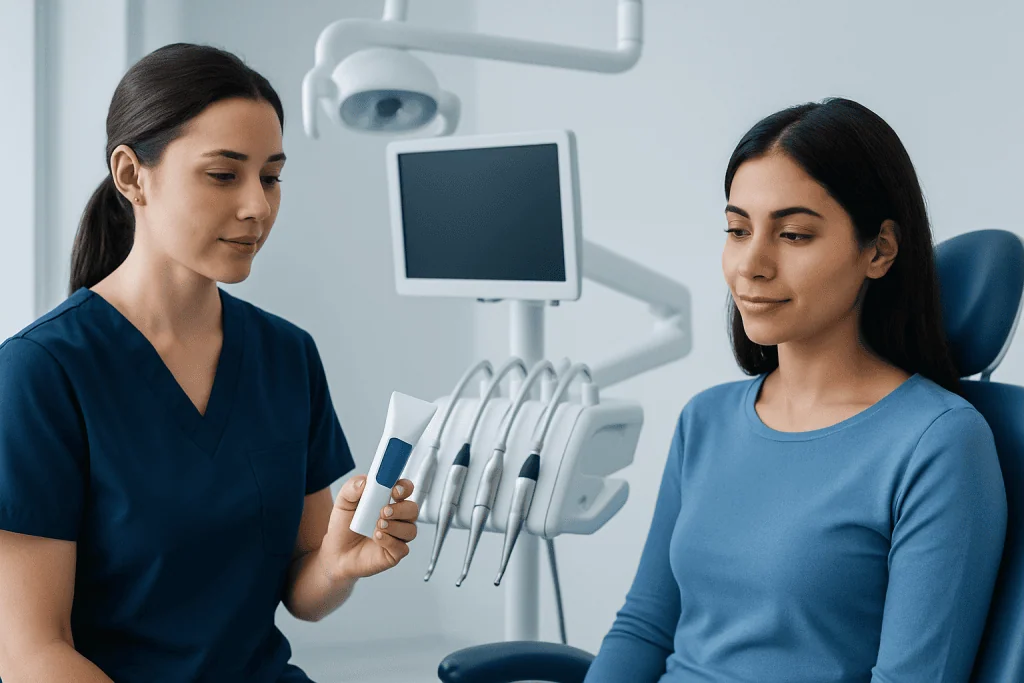
The main interest in xylitol comes from the way it interacts with the mouth’s bacterial environment. Certain bacteria associated with tooth decay, especially Streptococcus mutans, do not use xylitol efficiently as an energy source. Over time, regular exposure to xylitol may reduce the growth or activity of these bacteria, which can make the mouth less favorable for acid production.
Xylitol may also support saliva flow. Saliva is important because it helps wash away food particles, neutralize acids, and deliver minerals that protect tooth enamel. For people who experience mild dry mouth, a xylitol-containing toothpaste may feel more comfortable and may complement other strategies used to protect oral tissues.
Another possible benefit is plaque management. Xylitol does not remove plaque by itself in the way brushing mechanically does, but it may make the environment less supportive of harmful bacterial activity. This is why xylitol is often discussed as part of a broader approach to reducing cavity risk, alongside brushing technique, fluoride exposure, diet, and routine dental visits.
What the evidence says about xylitol toothpaste
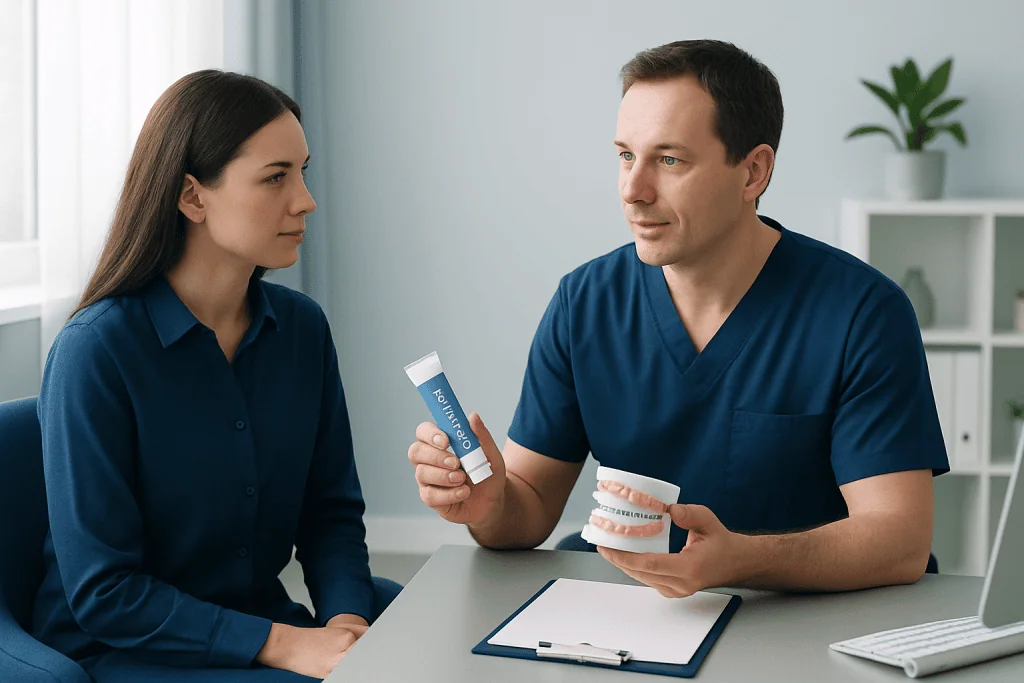
Research on xylitol in oral care is promising but not entirely uniform. Studies have examined xylitol in chewing gum, lozenges, mouth rinses, and toothpaste, and the strongest evidence has often come from products that keep xylitol in the mouth longer, such as gum or lozenges used several times a day. Toothpaste may still be helpful, but contact time is shorter, which can affect how much benefit is seen.
Overall, the evidence suggests that xylitol toothpaste may contribute to cavity prevention by reducing acid-producing bacterial activity and supporting a healthier oral environment. Still, many dental professionals consider the benefit modest compared with the well-established protective effect of fluoride. For this reason, patients at average or high risk of cavities are often advised to choose a toothpaste that contains both xylitol and fluoride unless a dentist recommends otherwise.
It is also important to know that product labels do not always make the amount of xylitol clear. A toothpaste may contain xylitol but only in a small amount, or it may rely on xylitol mainly for taste rather than therapeutic effect. Patients looking for a preventive toothpaste should focus on the full formulation, not just one ingredient listed on the front of the package.
Who may benefit most from xylitol toothpaste
Xylitol toothpaste may be especially appealing for people who want extra cavity support in addition to standard oral hygiene. This can include those with frequent snacking, high sugar exposure, a history of cavities, orthodontic appliances, or habits that make plaque control more difficult. It may also be considered by people seeking a toothpaste that feels less harsh or more pleasant to use.
People with dry mouth may also benefit from xylitol-containing oral care products. Dry mouth can increase the risk of tooth decay, gum irritation, and discomfort because there is less saliva available to protect teeth and soft tissues. While xylitol toothpaste does not treat the underlying cause of dry mouth, it may provide supportive benefits as part of a broader plan. In some cases, evaluation for related conditions such as dry mouth may be helpful.
Children may use xylitol toothpaste if the product is age-appropriate and used with supervision, but parents should follow pediatric dental advice about fluoride concentration, swallowing risk, and brushing amount. For any child with frequent cavities or enamel concerns, a dental professional can help choose the safest and most effective toothpaste.
How to choose and use xylitol toothpaste
When selecting xylitol toothpaste, it is useful to read beyond the marketing claims on the box. Patients can look for whether the toothpaste contains fluoride, whether it is designed for sensitivity, whether it is intended for adults or children, and whether it has any ingredients they may prefer to avoid. For most adults concerned about cavity prevention, a fluoride-containing product is generally the most evidence-based choice.
Proper use matters as much as product choice. Brushing twice daily for about two minutes, cleaning between the teeth daily, and limiting frequent sugary snacks remain the foundation of prevention. Even a high-quality toothpaste cannot fully offset irregular brushing or ongoing acid exposure from diet and drinks.
Patients with recurrent dental problems may benefit from a dentist’s assessment rather than trying multiple products on their own. Depending on the cause, a clinician may recommend preventive care, treatment for sensitivity, management of gum disease, or restorative care such as dental implants if teeth have already been lost. For active decay, treatment may be needed for dental caries rather than relying on toothpaste alone.
Possible drawbacks, safety, and common misconceptions
Xylitol toothpaste is generally considered safe when used as directed. Some people may notice a cooling sensation or a different taste compared with standard toothpaste. If swallowed in larger amounts, xylitol can sometimes cause digestive upset such as bloating or loose stools, though this is more commonly discussed with foods, gums, or supplements than with normal toothpaste use.
One common misconception is that xylitol toothpaste can replace fluoride entirely for everyone. While some patients prefer fluoride-free products, the current evidence base continues to support fluoride as a major part of cavity prevention for most people. Xylitol and fluoride are not necessarily competing ingredients; in many cases they can be complementary.
Another misconception is that any product containing xylitol must be highly protective. In reality, formulation, frequency of use, brushing habits, and an individual’s cavity risk all influence results. Patients with ongoing bleeding gums, recession, or loose teeth may need evaluation for conditions such as gum disease in addition to home care changes.
Households should also remember an important safety point: xylitol is highly toxic to dogs. Toothpaste, gum, and other xylitol-containing products should be stored securely and kept out of reach of pets.
Prevention, self-care, and when to seek medical care
Xylitol toothpaste works best when it supports a consistent oral-health routine. Helpful habits include brushing twice a day, cleaning between the teeth once a day, drinking water regularly, and reducing frequent intake of sugary or acidic foods and drinks. Patients with dry mouth may also benefit from reviewing medications, hydration, and saliva-supporting strategies with a clinician.
Regular dental checkups remain important even when no symptoms are present. Dentists can identify early enamel changes, hidden cavities, gum inflammation, bite issues, and signs of tooth wear before they become more complex to treat. If needed, a dentist may also discuss preventive procedures or restorative options, and for some patients with structural dental concerns this may include smile design or other tailored treatments.
Medical or dental care should be sought if there is persistent tooth pain, sensitivity that does not improve, gum swelling, pus, bleeding that continues despite good hygiene, bad breath that persists, mouth sores lasting more than two weeks, or difficulty chewing. Fever, facial swelling, or spreading pain should be assessed promptly because they can signal infection. Near the end of the care pathway, patients seeking coordinated evaluation may wish to know that Acibadem International’s multidisciplinary specialists and JCI-accredited hospitals diagnose and treat dental and oral conditions for international patients.
Frequently asked questions
Is xylitol toothpaste good for teeth?
Xylitol toothpaste may be good for teeth because it can help create a less favorable environment for cavity-causing bacteria. Most experts consider it a helpful addition to daily oral care, especially when used with fluoride toothpaste and regular dental visits.
Can xylitol toothpaste replace fluoride toothpaste?
For most people, xylitol toothpaste should not fully replace fluoride toothpaste unless a dentist specifically recommends it. Fluoride has stronger evidence for strengthening enamel and preventing cavities, while xylitol is usually considered supportive.
Who should consider using xylitol toothpaste?
People with a history of cavities, frequent snacking, braces, or mild dry mouth may consider xylitol toothpaste as part of their routine. It may also appeal to those looking for a toothpaste with additional oral-health support, but the best choice depends on individual risk and dental advice.
Is xylitol toothpaste safe for children?
It can be safe for children if the product is age-appropriate and used under supervision. Parents should check the label, use only the recommended amount, and ask a pediatric dentist which formulation is best for the child's age and cavity risk.
How often should xylitol toothpaste be used?
Most people use it the same way they would use standard toothpaste: usually twice a day unless a dentist advises otherwise. Consistency matters more than occasional use, and good brushing technique is still essential.
Are there any side effects of xylitol toothpaste?
Side effects are uncommon with normal use, though some people may notice a different taste or mild digestive upset if significant amounts are swallowed. It should be kept away from dogs because xylitol is dangerous to pets.
References
- American Dental Association
- World Health Organization
- National Institute of Dental and Craniofacial Research
- Cochrane
- European Federation of Periodontology
This article is for general information only and is not a substitute for professional medical advice. Please consult a qualified doctor about your individual situation.
Medical weight-loss options in Turkey — costs & eligibility
JCI-accredited · board-certified surgeons · reply within 24h
Add us as a Preferred Source to see more of our trusted health content across Google Search, AI Overviews and Discover.
Check your numbers in seconds
BMI, calories, due date, blood pressure and 30+ more clinical calculators — free, instant, doctor-reviewed ranges.

More from the Health Library

Delusional: What Patients Need to Know

Thyromegaly: An Evidence-Based Guide for Patients

Exfoliating Gloves: An Evidence-Based Guide for Patients

Understanding the Health Context of a 130 kg Weight

Hypnobirthing: An Evidence-Based Guide for Patients

Acid Reflux Tongue: A Complete Medical Overview
Oral & Dental Health Specialists at Acibadem

Dt. Akif Aydın Şen
Oral & Dental Health
Dt. Alara Güler
Oral & Dental Health
Dt. Alara Naz Kenir Çelik
Oral & Dental Health
Dr. Alen Palancıoğlu
Oral Dental & Maxillofacial Surgery