Understanding the Health Context of a 130 kg Weight

A weight of 130 kg does not by itself diagnose overweight, obesity, or poor health. Body mass index (BMI) can be a useful screening tool, but it does not measure body fat directly.
Key Takeaways
- A weight of 130 kg does not by itself diagnose overweight, obesity, or poor health.
- Body mass index (BMI) can be a useful screening tool, but it does not measure body fat directly.
- Waist circumference, blood pressure, blood sugar, cholesterol and physical function add important health context.
- Gradual, sustainable changes in eating, movement, sleep and stress management can support health at many body sizes.
- Medical assessment is especially important when weight changes rapidly or symptoms such as breathlessness, chest pain or severe fatigue occur.
130 kg is simply a measurement of body weight. Whether it is healthy for an individual depends on factors such as height, muscle mass, waist circumference, medical history, physical fitness and blood test results—not the number on the scale alone.
130 Kg: What Does It Mean?
A body weight of 130 kg, or about 287 pounds, is a number on a scale rather than a medical diagnosis. It cannot confirm whether a person is healthy, unhealthy, fit, or at risk of a particular condition. The most meaningful interpretation comes from considering weight alongside height, age, sex, body composition, fat distribution, medical conditions, medications and everyday physical ability.
For example, two people may both weigh 130 kg but have very different health profiles. One may be tall and have substantial muscle mass from regular strength training, while another may carry more fat around the abdomen and have high blood pressure or elevated blood sugar. A clinician uses several measures, rather than weight alone, to understand health needs respectfully and accurately.
Weight can be useful information for monitoring trends over time, selecting some medication doses and assessing certain health risks. However, it should not be used as a measure of a person’s worth, effort, or overall wellbeing. Health-focused care aims to identify practical risks and support achievable improvements, whatever a person’s starting weight.
Why Height and Body Composition Matter
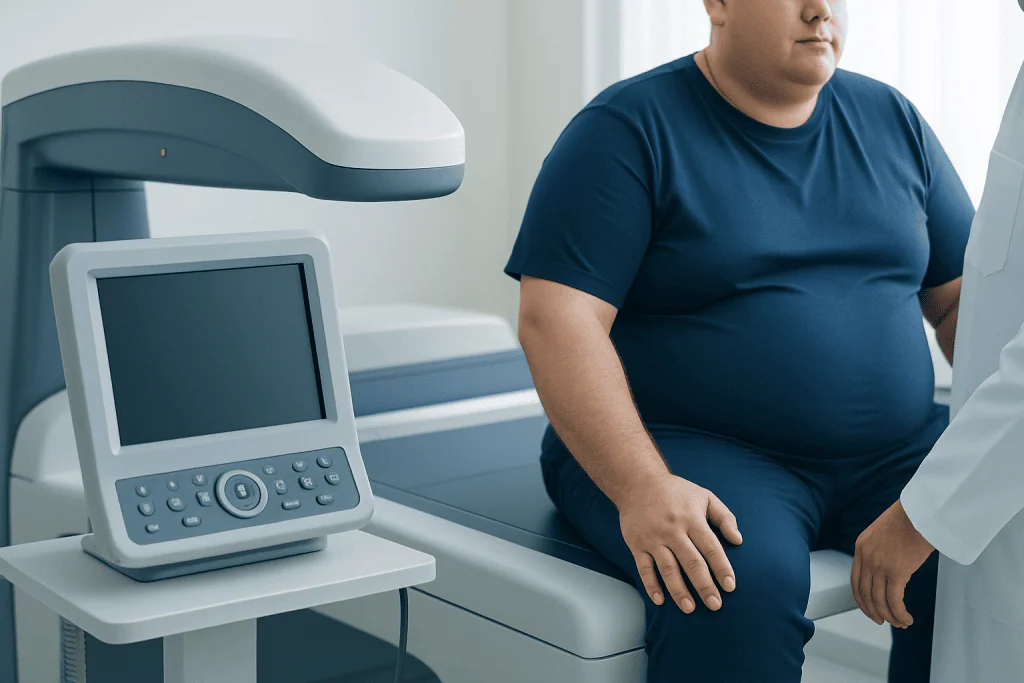
Height strongly affects how a weight of 130 kg is interpreted. Body mass index, usually called BMI, is calculated by dividing weight in kilograms by height in metres squared. It is commonly used as a population-level screening measure because it is quick and inexpensive, but it is not a direct measurement of body fat.
At 130 kg, BMI differs considerably according to height. For someone who is 1.60 m tall, the BMI is about 50.8 kg/m². For someone who is 1.80 m tall, it is about 40.1 kg/m², while for someone who is 2.00 m tall it is about 32.5 kg/m². These figures illustrate why a body weight alone cannot provide a complete health assessment.
BMI may overestimate body fat in some people with high muscle mass, such as certain athletes. It may also underestimate health risk in people who have less muscle mass or more abdominal fat. For this reason, clinicians often combine BMI with waist measurement, blood pressure, laboratory tests, health history and a discussion about sleep, mobility, eating patterns and mental wellbeing.
Health Measures That Add Useful Context

Waist circumference can provide information about abdominal fat, sometimes called central adiposity. Higher amounts of fat around the abdomen are associated with a greater likelihood of insulin resistance, type 2 diabetes, fatty liver disease, high blood pressure and cardiovascular disease. Waist measurement is most useful when performed consistently, usually around the midpoint between the lower rib and the top of the hip bone.
A healthcare professional may also check blood pressure and arrange blood tests for glucose or HbA1c, cholesterol levels, liver function and other concerns suggested by an individual’s history. Sleep quality is also important: loud snoring, witnessed pauses in breathing, morning headaches and daytime sleepiness can suggest obstructive sleep apnea, which is more common at higher body weights but can affect people of many sizes.
Physical function is another meaningful measure. The ability to walk comfortably, climb stairs, work, exercise, sleep well and take part in valued daily activities can help guide care. Joint pain, reflux, breathlessness and fatigue deserve attention, but they should not automatically be attributed to weight without a proper medical assessment.
- Weight trend: stable, gradually changing, or rapidly changing
- Waist circumference and overall fat distribution
- Blood pressure, glucose and cholesterol results
- Sleep, mood, energy levels and mobility
- Personal and family history of metabolic, heart or endocrine conditions
Possible Health Risks at Higher Body Weight
For many adults, a higher BMI and a larger waist circumference are associated with an increased chance of several health conditions. These include type 2 diabetes, high blood pressure, abnormal cholesterol levels, coronary heart disease, stroke, fatty liver disease, gallbladder disease, osteoarthritis and obstructive sleep apnea. Risk is not the same as certainty: some people at 130 kg will have normal test results, while others may need early support for one or more conditions.
Risk also develops through many influences beyond body weight. Genetics, social circumstances, food access, stress, sleep, hormonal conditions, medicines, smoking, alcohol use and physical activity all matter. A fair medical assessment avoids assumptions and looks for factors that can be modified safely.
Weight gain may occasionally be linked to a medical issue, particularly when it is fast or accompanied by swelling, menstrual changes, constipation, sensitivity to cold, muscle weakness or changes in mood. Conditions involving the thyroid, hormones, fluid retention or medication effects may need evaluation. A clinician can help distinguish these possibilities from ordinary changes in energy balance and lifestyle.
Evidence-Based Ways to Support Health
Health improvements do not require extreme diets or rapid weight loss. For people who wish to change their weight, gradual and sustainable approaches are generally safer and more likely to be maintained. Even modest weight reduction may improve blood pressure, blood sugar, mobility or sleep for some individuals, but beneficial habits can also improve health markers before the scale changes substantially.
Nutrition plans work best when they are realistic, culturally appropriate and tailored to medical needs. A balanced pattern may include vegetables and fruit, fibre-rich grains and legumes, protein-rich foods, and unsaturated fats, while limiting highly processed foods and sugar-sweetened drinks where possible. Restrictive plans that eliminate major food groups without medical guidance can be difficult to sustain and may not meet nutritional needs.
Regular movement supports heart health, strength, balance, mood and sleep. Starting with manageable activities, such as short walks, chair-based exercises, swimming or cycling, may be more comfortable for people with joint symptoms. Strength training can help preserve muscle during weight loss. A doctor or physiotherapist can advise on safe options if there is pain, reduced mobility, heart disease or another health condition.
Sleep and mental health deserve equal attention. Chronic stress, depression, trauma, shift work and inadequate sleep can influence appetite, energy and weight regulation. Compassionate support from a doctor, dietitian or mental health professional can help address these factors without blame.
Medical Support and Treatment Options
A clinician may begin with a discussion of goals, symptoms, previous weight changes, medications and relevant family history. They may also assess blood pressure, waist circumference and laboratory results. The best plan is individualized: for one person, the priority may be managing diabetes or sleep apnea; for another, it may be improving knee pain, fitness or eating habits.
Structured lifestyle support from a registered dietitian, exercise professional or behavioural health specialist may be helpful. Some adults who meet clinical eligibility criteria may also discuss prescription weight-management medicines with a qualified doctor. These medicines are not appropriate for everyone and should be used alongside ongoing nutrition, activity and medical follow-up rather than as a substitute for comprehensive care.
Metabolic and bariatric surgery can be considered for selected people with obesity, especially when weight-related conditions are present and non-surgical treatment has not achieved sufficient benefit. It requires careful assessment, informed decision-making, lifelong nutritional monitoring and follow-up. Surgery is a medical option, not a failure of personal effort.
Acibadem International’s multidisciplinary specialists and JCI-accredited hospitals can assess weight-related health concerns and provide coordinated care for international patients when appropriate.
When to Seek Medical Care
A routine medical appointment is appropriate for anyone concerned about a weight of 130 kg, particularly if there is a family history of diabetes, heart disease, high blood pressure or sleep apnea. It is also sensible to seek advice before beginning a very restrictive diet, intensive exercise programme, weight-loss medicine or supplement.
Medical care should be sought promptly for rapid unexplained weight gain, new swelling in the legs or abdomen, marked shortness of breath, fainting, chest pain, severe weakness or persistent palpitations. These symptoms can have different causes and need timely assessment rather than self-treatment.
A person should also speak with a clinician if they experience persistent daytime sleepiness, loud snoring with pauses in breathing, ongoing joint pain, frequent heartburn, increased thirst or urination, or emotional distress related to eating or body image. Support can be practical, confidential and focused on overall health rather than judgement.
Frequently asked questions
Is 130 kg considered obese?
Weight alone cannot determine whether someone has obesity. Clinicians commonly calculate BMI using both height and weight, then consider waist circumference, body composition and health markers. BMI is a screening tool, not a diagnosis on its own.
What BMI is 130 kg?
BMI at 130 kg depends on height. For example, it is about 40.1 kg/m² at 1.80 m tall and about 32.5 kg/m² at 2.00 m tall. A healthcare professional can calculate BMI and explain what it may mean in the context of the person's health.
Can a person be healthy at 130 kg?
Some people at 130 kg may have normal blood pressure, blood sugar and cholesterol levels, while others may have health conditions needing treatment. Health is best assessed through a broader review of medical history, waist size, physical function, sleep and laboratory results. Regular check-ups can identify concerns early.
How much weight should a person at 130 kg lose?
There is no single target that is right for everyone. A clinician can help set goals based on health conditions, mobility, personal preferences and previous experiences. Sustainable changes and improvements in blood pressure, fitness or glucose levels can be valuable even when weight loss is modest.
Why might weight increase to 130 kg?
Weight changes can result from many interacting factors, including genetics, eating patterns, activity level, sleep, stress, medications, life events and medical conditions. It is not simply a matter of willpower. Rapid or unexplained gain should be discussed with a doctor to check for possible medical contributors.
Should someone exercise at 130 kg?
Physical activity is beneficial for many people at this weight, but the type and starting level should match fitness, symptoms and medical history. Low-impact options such as walking, swimming, cycling or supervised strength exercises may be suitable. People with chest symptoms, severe breathlessness, significant joint pain or known heart disease should seek medical advice before increasing activity.
References
- World Health Organization
- Centers for Disease Control and Prevention
- National Institute of Diabetes and Digestive and Kidney Diseases
- American Heart Association
- National Health Service
This article is for general information only and is not a substitute for professional medical advice. Please consult a qualified doctor about your individual situation.
Explore treatments in Turkey — costs, top hospitals & a free quote
JCI-accredited · board-certified surgeons · reply within 24h
Add us as a Preferred Source to see more of our trusted health content across Google Search, AI Overviews and Discover.
Check your numbers in seconds
BMI, calories, due date, blood pressure and 30+ more clinical calculators — free, instant, doctor-reviewed ranges.

More from the Health Library

Isotonic: A Complete Medical Overview

Sprained Foot — Explained by Medical Evidence, Not Myths

Self Regulation — Explained by Medical Evidence, Not Myths

Wharton’s Duct: An Evidence-Based Guide for Patients

Parsley Substitute — Explained by Medical Evidence, Not Myths