Sprained Foot — Explained by Medical Evidence, Not Myths

A sprained foot affects ligaments, not bones, but symptoms can overlap with a fracture. Pain, swelling, bruising, and difficulty bearing weight are common signs of a foot sprain.
Key Takeaways
- A sprained foot affects ligaments, not bones, but symptoms can overlap with a fracture.
- Pain, swelling, bruising, and difficulty bearing weight are common signs of a foot sprain.
- Early rest, ice, compression, elevation, and temporary activity changes often help recovery.
- Medical assessment is important if pain is severe, walking is difficult, or symptoms are not improving.
- Recovery time depends on the severity of the sprain and whether rehabilitation is needed.
A sprained foot is an injury to the ligaments that support the joints of the foot, most often caused by twisting, rolling, or sudden impact. Most mild sprains improve with rest and supportive care, but persistent pain, swelling, trouble walking, or concern for a fracture should be medically evaluated.
What a Sprained Foot Means
A sprained foot is an injury to one or more ligaments in the foot. Ligaments are strong bands of tissue that connect bones and help keep joints stable. When the foot twists beyond its normal range, these ligaments can stretch too far or tear, leading to pain, swelling, and reduced mobility.
This injury is different from an ankle sprain, although the two can happen together. A foot sprain affects the middle or front part of the foot rather than the ankle joint itself. It is also different from a strain, which involves muscles or tendons, and from a fracture, which involves a broken bone.
Many sprained feet happen during sports, exercise, missteps on uneven ground, or falls. However, they can also occur during ordinary daily activities, especially if someone lands awkwardly or suddenly changes direction. The severity can range from a mild overstretching of the ligament to a more significant tear.
Because foot injuries can feel similar at first, a person may not know whether the problem is a sprain, bruise, or fracture. This is why symptoms, the way the injury happened, and sometimes imaging are important in deciding the next step.
Symptoms and How a Foot Sprain Feels
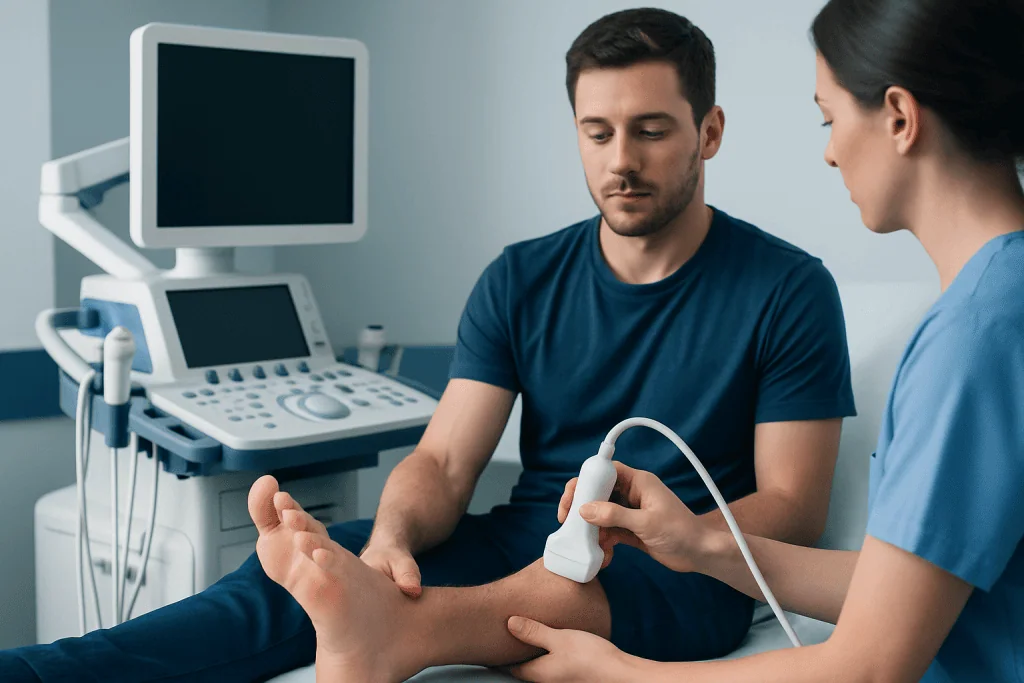
The most common symptoms of a sprained foot are pain, swelling, bruising, and tenderness. Pain is often felt on the top, side, or middle of the foot, depending on which ligament is injured. Some people notice the pain immediately, while others feel it more strongly after they stop moving.
Walking may become difficult, especially if putting weight on the foot increases pain. In mild sprains, a person may still be able to walk with a limp. In more serious injuries, weight-bearing may be very uncomfortable or not possible at all.
Other signs can include stiffness, a feeling of instability, or a reduced range of motion. The foot may appear puffy or discolored, and shoes may suddenly feel tight. Symptoms sometimes worsen over the first several hours as swelling develops.
- Mild sprain: slight swelling, tenderness, and manageable discomfort
- Moderate sprain: more noticeable swelling, bruising, and pain with walking
- Severe sprain: intense pain, marked swelling, instability, or inability to bear weight
These symptoms can also happen with a broken bone or with other injuries such as an ankle sprain. If the pain is severe, the foot looks misshapen, or there is numbness, prompt medical assessment is important.
Causes, Risk Factors, and Common Injury Patterns

A sprained foot usually happens when the foot bends, twists, or rolls in an unusual way. This can occur during running, jumping, pivoting, missing a step, or landing awkwardly. Contact sports, court sports, dance, and hiking are common settings, but everyday slips and trips can cause the same injury.
One important pattern is a midfoot sprain, sometimes involving the Lisfranc joint area. This may happen when the front of the foot is planted while the heel twists or when a force comes down on a bent foot. Midfoot sprains can be more serious than they first appear and sometimes need specialist evaluation.
Risk factors include prior foot or ankle injury, poor-fitting footwear, uneven surfaces, muscle weakness, balance problems, and activities that require quick direction changes. Fatigue can also increase risk because it affects coordination and the body’s ability to react to sudden movement.
Some people are more prone to repeat injuries if the ligaments do not fully recover or if rehabilitation is skipped. Ongoing instability can change gait and place extra stress on the foot, ankle, knee, or hip over time.
How Doctors Diagnose a Sprained Foot
Diagnosis begins with a medical history and physical examination. A doctor asks how the injury happened, where the pain is located, whether weight-bearing is possible, and how symptoms have changed. During the exam, the foot is checked for tenderness, swelling, bruising, alignment, circulation, and joint stability.
Because fractures can mimic sprains, imaging may be needed, especially if there is significant pain over a bone, marked swelling, or difficulty walking. Plain X-rays are often the first test to look for fractures or dislocations. In some cases, weight-bearing X-rays are useful to assess joint alignment in the midfoot.
If symptoms suggest a more complex injury, advanced imaging such as MRI scanning may help show ligament damage, swelling in soft tissue, or hidden injuries not visible on an X-ray. In selected cases, CT scanning can provide a more detailed view of the bones and joint surfaces.
Accurate diagnosis matters because treatment differs between a simple sprain, a severe ligament injury, and a fracture. Persistent pain after an apparent sprain should not be ignored, especially if recovery does not follow the expected course.
Treatment Options and Recovery
Treatment depends on the location and severity of the sprain. Many mild sprains improve with conservative care: relative rest, ice, compression, and elevation in the first phase after injury. Avoiding activities that worsen pain gives the ligaments time to heal while reducing swelling and discomfort.
Supportive footwear, taping, or a brace may be recommended to protect the foot during recovery. Some people need a walking boot or temporary crutches if weight-bearing is painful. A clinician may suggest pain-relieving medicines when appropriate, but treatment should be individualized based on age, medical history, and other medications.
Rehabilitation is often an important part of recovery. Gentle range-of-motion work, strengthening, balance exercises, and a gradual return to activity can help restore function and reduce the chance of another injury. For more significant injuries, a referral to physical therapy and rehabilitation may be helpful.
Severe sprains, unstable injuries, or injuries involving certain midfoot joints may need orthopedic assessment. Occasionally, immobilization for a longer period or surgery is considered if the ligaments are badly torn or the joints are no longer aligned. When surgery is being evaluated, an orthopedics and traumatology team can guide the decision.
Self-care, Prevention, and Safe Return to Activity
At home, the goal is to protect the foot while it heals without returning to full activity too soon. Rest does not always mean complete bed rest; it usually means modifying activity to avoid pain and further injury. Keeping the foot elevated above heart level when possible may help reduce swelling in the early days.
Ice can be used for short periods with a cloth barrier to protect the skin. Compression wraps may provide support, but they should not be so tight that they cause numbness, tingling, or color change. If there is uncertainty about wrapping or bracing, professional guidance is useful.
To prevent future sprains, supportive shoes, balance training, and gradual increases in exercise intensity can make a difference. Warming up before sport, strengthening the muscles that support the foot and ankle, and avoiding worn-out footwear are practical steps that lower risk.
Returning to running, sport, or heavy activity should be gradual. A person is generally better prepared to return when walking is comfortable, swelling is controlled, range of motion has improved, and the foot feels stable. Pushing through pain too early can delay healing and increase the chance of reinjury.
When to Seek Medical Care
Medical care should be sought if a person cannot bear weight, if pain is severe, or if there is significant swelling or bruising soon after the injury. Evaluation is also important if the pain is centered over a bone, the foot looks deformed, or there is numbness, tingling, or changes in skin color.
Even if the injury seems mild at first, a doctor should be consulted if symptoms are not improving after a few days of careful self-care. Ongoing limping, pain in the middle of the foot, repeated giving way, or difficulty returning to normal activity can signal a more serious ligament injury.
Children, older adults, and people with diabetes, circulation problems, or reduced sensation in the feet may need earlier assessment because injuries can be harder to judge safely at home. A proper diagnosis can help prevent delayed healing and avoid long-term instability.
For international patients who need evaluation of foot injuries, Acibadem International’s multidisciplinary specialists and JCI-accredited hospitals diagnose and treat musculoskeletal conditions using appropriate imaging, orthopedic assessment, and rehabilitation planning.
Frequently asked questions
How do you know if a sprained foot is serious?
A sprained foot may be more serious if there is severe pain, major swelling, visible bruising, or an inability to bear weight. Pain in the middle of the foot, a feeling of instability, or symptoms that do not improve can also suggest a more significant injury. Because fractures and severe ligament injuries can resemble a sprain, a medical assessment may be needed.
Can a sprained foot heal on its own?
Many mild foot sprains improve with rest, protection, and time. However, not every painful foot injury is a simple sprain, and some ligament injuries need immobilization, rehabilitation, or further testing. If symptoms are severe or not improving, a doctor should evaluate the foot.
What is the difference between a sprained foot and a broken foot?
A sprained foot involves overstretched or torn ligaments, while a broken foot involves a fracture in one of the bones. Both can cause pain, swelling, bruising, and trouble walking, which is why the difference is not always obvious without an examination or X-ray. Treatment and recovery can differ significantly between the two.
How long does a sprained foot take to heal?
Healing time depends on how mild or severe the injury is and which part of the foot is involved. Mild sprains may improve over days to a few weeks, while more significant injuries can take several weeks or longer. Recovery is often faster when the foot is protected early and rehabilitation is done appropriately.
Should you walk on a sprained foot?
Some people with mild sprains can walk carefully, but pain should be the guide. If walking causes marked pain, limping, or worsening swelling, the foot should be rested and assessed. In more painful injuries, temporary support such as a boot or crutches may be recommended.
Is ice or heat better for a sprained foot?
In the early stage after injury, ice is generally preferred because it may help reduce pain and swelling. Heat is usually not the first choice immediately after a fresh sprain, especially when swelling is present. If symptoms persist, a healthcare professional can advise on the most suitable approach.
References
- American Academy of Orthopaedic Surgeons
- American Orthopaedic Foot & Ankle Society
- National Institute of Arthritis and Musculoskeletal and Skin Diseases
- Mayo Clinic
- MedlinePlus
This article is for general information only and is not a substitute for professional medical advice. Please consult a qualified doctor about your individual situation.
Joint and spine care in Turkey — expert assessment & treatment
JCI-accredited · board-certified surgeons · reply within 24h
Add us as a Preferred Source to see more of our trusted health content across Google Search, AI Overviews and Discover.

More from the Health Library

Cumin Seed Jeera: An Evidence-Based Guide for Patients

Cloves Cigarettes: A Complete Medical Overview

Dry Patches on Skin — Explained by Medical Evidence, Not Myths

Facial Warts: What Patients Need to Know

Lemon Eucalyptus Oil — Explained by Medical Evidence, Not Myths

Annular Fissure — Explained by Medical Evidence, Not Myths
Orthopedic Surgery & Traumatology Specialists at Acibadem

Fzt. A.Sercan Soyarslan
Physical Medicine & Rehabilitation
Dr. Abdullah Yener İnce
Orthopedic Surgery & Traumatology
Dr. Adnan Abbasoğlu
Orthopedic Surgery & Traumatology
Prof. Dr. Ahmet Alanay
Orthopedic Surgery & Traumatology