

After Sedation or Anesthesia in Turkey: When You Need Someone With You
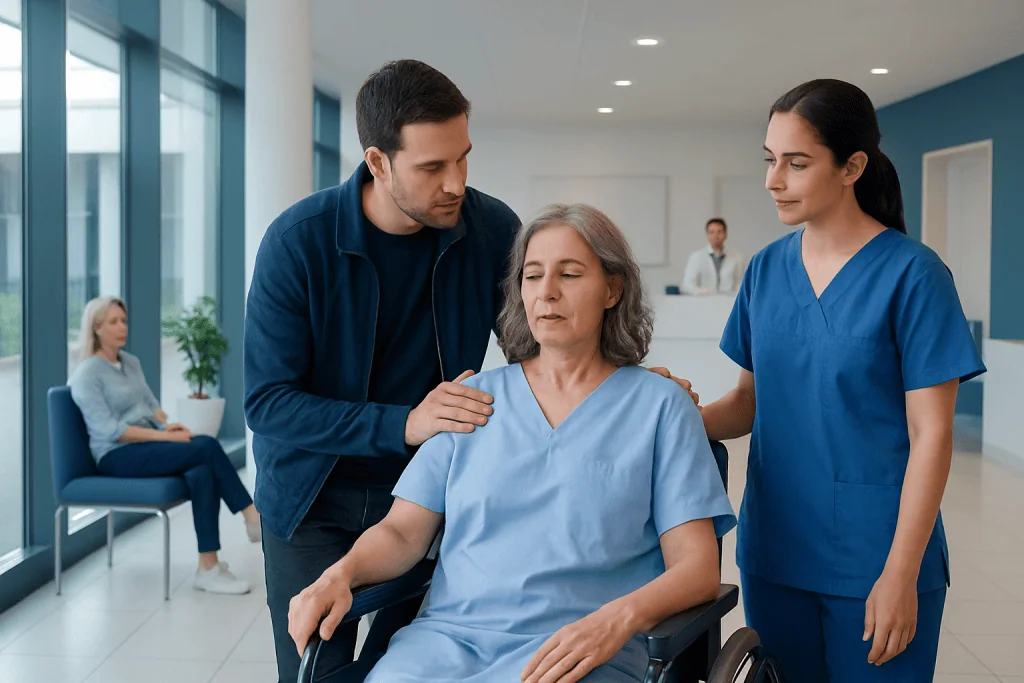
After sedation or anesthesia in Turkey, most hospitals expect a responsible adult to escort you from the hospital and stay with you, typically for the first 24 hours. The exact requirement depends on the type of anesthesia, the procedure, and your health. If you are travelling alone, clarify the escort rules during planning, before you book flights, so alternatives can be arranged in time.
Who will get you back to your hotel after your procedure, and who will be there that first night? It is one of the easiest things to overlook when you are comparing flights and treatment dates, and one of the first things a hospital will ask you about.
If you are having a procedure with sedation or general anesthesia, the safe assumption is that you will not be fit to manage entirely on your own straight afterwards. This guide explains why hospitals ask for an escort, who counts as a suitable companion, what that person should actually do, and how to plan the first 24 hours after sedation or anesthesia in Turkey, including what to arrange if you are travelling alone.
At a glance
- Best for: International patients having any procedure with sedation or anesthesia in Turkey
- Main rule: Do not plan to be alone straight after discharge unless your care team clearly says it is safe
- Typical support window: A responsible adult usually stays with you for the first 24 hours
- Transport: Pre-arranged transfer with a companion, not public transport alone and never self-driving
- Companion’s role: Escort you, hear the discharge instructions with you, help with meals and medicines, and notice if something seems wrong
- If travelling alone: Ask about escort requirements during planning, before flights are booked, so alternatives can be arranged
Why you need someone with you after sedation or anesthesia in Turkey
After sedation or anesthesia in Turkey, or anywhere else, you may look and sound awake well before you are actually back to normal. The medicines used to keep you comfortable during a procedure can continue to affect judgment, balance, reaction time, short-term memory, and coordination for several hours afterwards, and sometimes into the next day. How long depends on which drugs were used, the dose, the length of the procedure, your age, and how your body processes the medication.
This is why hospitals routinely ask for a responsible adult to accompany you home and stay with you afterwards. The requirement is not a formality. It exists because the risks in this window are practical ones: an unsteady walk to the bathroom, a forgotten instruction, a missed dose of pain relief, or a symptom that a slightly foggy patient does not notice but an alert companion would.
For international patients, the case for a companion is stronger still. After your procedure you will be recovering in a hotel room rather than your own home, possibly in a city you do not know, sometimes in a language you do not speak. Small tasks, collecting a prescription, ordering plain food, speaking to reception, become genuinely difficult when you are drowsy. One trusted person at your side turns a stressful evening into a manageable one.
How sedation and anesthesia wear off
It helps to understand what was actually done to you, because “sedation” and “anesthesia” are not one thing. Under general anesthesia you are fully unconscious, your breathing is supported, and an anesthesiologist monitors you throughout. Under sedationsometimes called twilight sedation or conscious sedation: you are relaxed and drowsy but not fully unconscious. With lighter sedation you may be awake and able to respond, though you often remember little afterwards. With deeper sedation you may sleep through the procedure entirely. Local or regional anesthesia numbs part of the body and can be used alone or combined with sedation.
Wearing off happens in stages. In the recovery room, the immediate effects fade over the first hour or two: you wake, your breathing and blood pressure stabilise, and nurses check that you can drink, respond, and move safely. What lingers longer is subtler, slowed thinking, poor concentration, mild memory gaps, and unsteadiness. These effects commonly persist for the rest of the day, which is why the standard advice after general anesthesia or sedation is to avoid driving, alcohol, machinery, and important decisions for 24 hours. Feeling “completely yourself” can take a few days after a longer operation, and tiredness in that period is normal rather than alarming. Our guide to the recovery room and the hours after general anesthesia covers this early phase in more detail, and there is a separate guide on post-anesthesia side effects after discharge.
What counts as a responsible adult companion
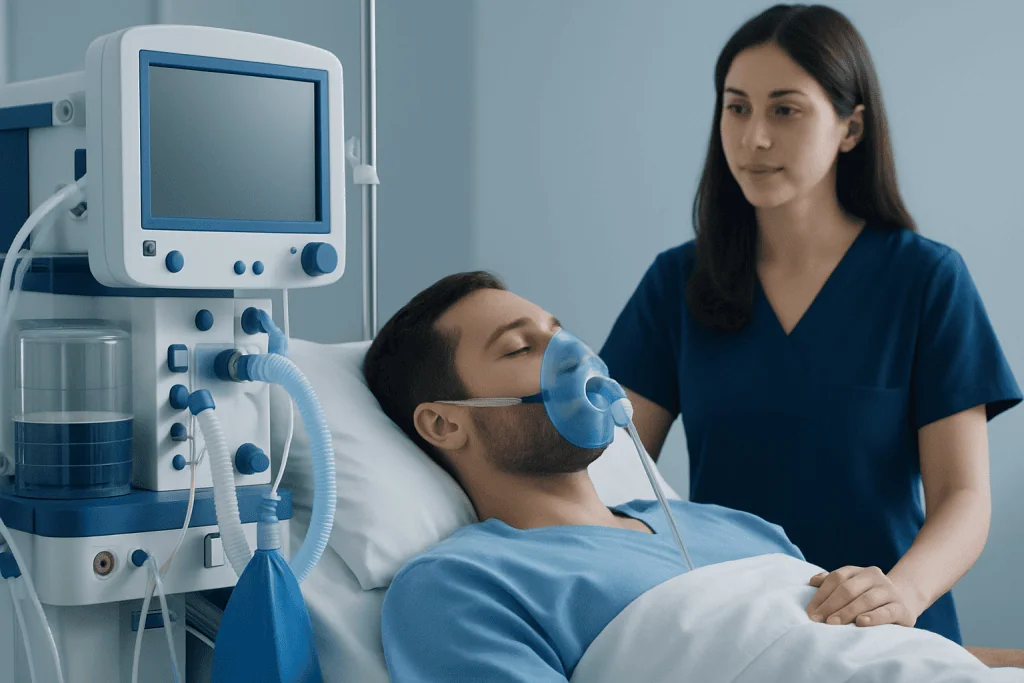
A suitable companion is an adult who can stay physically with you, understand the discharge plan, help you move around safely, and respond sensibly if you become dizzy, confused, weak, or nauseated. No medical training is needed. What matters is that they are attentive, calm, reachable, and able to seek help if something goes wrong.
In practice, your companion should escort you from the hospital to your hotel or apartment, help you settle in, and remain with you through the first night if your care team advises it. They should know your hospital’s name and address, your procedure and its date, your medication instructions, and the contact details printed on your discharge papers. A partner, adult family member, or reliable friend all qualify equally: the relationship matters far less than availability and reliability.
What does not usually qualify: a taxi driver, a hotel receptionist, or someone who plans to drop you at the door and leave. Hospitals set escort rules around continuous supervision, not just transport. If your plan relies on staff at your accommodation, confirm during planning whether the hospital accepts that arrangement for your specific procedure, because policies differ by procedure and by patient.
When you are most likely to need an escort

You are especially likely to need someone with you if you had general anesthesia, intravenous sedation, day surgery, or an endoscopy with sedation, in short, any procedure after which you were told not to drive, sign important documents, or stay alone. Even light sedation can temporarily blunt concentration and balance in ways you may not notice from the inside.
Some patients need closer support than the standard 24 hours. Older age, reduced mobility, sleep apnoea, chronic illness, a previous difficult experience with anesthesia, or regular medicines that cause drowsiness all shift the balance towards more supervision, not less. So does staying alone in a hotel, being prone to nausea, or simply being anxious about the recovery period.
Your care team may also advise a companion because of the procedure itself rather than the anesthesia. Drains, dressings, compression garments, crutches, or movement restrictions all make an extra pair of hands valuable, for getting to the bathroom, managing stairs, carrying luggage, ordering food, or collecting pharmacy items. As a rough map of expectations:
- General anesthesia almost always requires an escort home
- Sedation usually requires supervision for at least the first several hours, and often overnight
- Same-day discharge generally means you should not be alone immediately afterwards
- Long-distance travel on the day of the procedure is often discouraged, see when it is safe to fly after sedation or anesthesia
None of these bullet points replaces the instruction you receive at discharge. If your team’s advice for your case is stricter than the general pattern, follow your team.
What your companion should do in the first 24 hours
Your companion’s job is mostly to observe and assist, not to nurse. They should help you reach your room safely, make sure you drink fluids as instructed, help you eat light food once eating is allowed, remind you when medicines are due, and encourage rest. If you sleep, which is normal, they should simply check that you can be woken normally and are comfortable.
They should also be the second reader of your discharge papers. Every discharge summary lists warning signs specific to your procedure, together with the number to use if they appear. Your companion should know where those papers are, what is on them, and how to use the contact details, because after sedation, you may not remember any of it clearly yourself.
Finally, a good companion absorbs the practical friction of the first day: speaking with hotel reception, arranging food delivery, organising transport to the follow-up visit, taking notes during a phone call. Interpreter support and international patient coordination can smooth many of these steps at the hospital end, but they do not replace a trusted person physically in the room with you.
If you are travelling to Turkey alone
Many international patients travel independently, and for consultations or procedures without sedation that is usually straightforward. Procedures involving sedation or anesthesia are different. Before you book anything, get a clear answer to two questions: will the hospital discharge you only if an adult accompanies you, and for how long should someone stay with you afterwards? Policies genuinely vary by procedure, by anesthesia type, and by your medical situation, so a friend’s experience with a different operation is not a reliable guide to yours.
If a family member or friend cannot join you, raise this early in the planning process rather than on the day. Depending on your circumstances, the options may include an extra night in hospital instead of same-day discharge, a nurse or professional caregiver arranged through appropriate channels, or accommodation chosen specifically because support is close at hand. Staying an additional night under observation is sometimes the simplest solution of all: our guide on when you may need extra nights in hospital after surgery in Turkey explains how those decisions are made.
One honest caveat: hospital logistics support, transfers, accommodation coordination, interpreters, makes solo travel more manageable, but it is not the same thing as a bedside companion. Understand which of the two your recovery plan actually requires before you commit to travelling alone.
Practical rules for the first day
For the first 24 hours, think simple and cautious. Rest. Hydrate if permitted. Eat light meals when eating is allowed. Move carefully and slowly, especially on stairs and in the bathroom. Do not drive, ride a motorbike, cycle, operate machinery, drink alcohol, or make important legal or financial decisions. Do not add any new sedating medicine, including over-the-counter sleep aids, unless your doctor has confirmed it is appropriate alongside your recovery medicines, decisions about starting or adjusting medication belong with your treating team, not with the pharmacy shelf.
Keep your phone charged, your discharge papers within reach, and your medicines somewhere obvious. Wear stable shoes when you walk. If your hotel room has stairs, a slippery bathroom, or a very low bed, ask for practical adjustments before the procedure day rather than after it.
Before you leave the hospital, make sure you understand the full plan: when to take pain relief, how your usual medicines fit around it, when you can shower, when dressings are changed, when you can eat normally, and when longer travel is realistic. Eating, walking, and flying each come back on their own timeline, covered in detail in when you can walk, eat, and fly after sedation or anesthesia in Turkey. If anything in the discharge briefing is unclear, ask for it to be repeated or written down. Forgetting details after sedation is extremely common, which is precisely why the briefing should happen with your companion present.
Step by step
- 1. Ask about escort rules before you travel. As soon as your procedure is being planned, ask whether a responsible adult must be with you after discharge and for how long. Get the answer in writing if possible: it affects flights, hotel bookings, and whether you can travel alone at all.
- 2. Choose your companion and brief them. Pick someone reliable who can stay calm, follow instructions, and remain with you through the key recovery window. Share your appointment details, the hospital’s address, the expected discharge time, and the contact numbers on your paperwork in advance.
- 3. Plan the journey from hospital to hotel. Do not assume you will feel well enough for public transport, luggage, or stairs straight after your procedure. Arrange a direct transfer and make sure your companion knows exactly where you are staying.
- 4. Prepare your room before the procedure. Set out water, light snacks if allowed, medicines, a phone charger, tissues, and loose comfortable clothing before you leave for the hospital. A ready room asks nothing of you when you return sleepy and unsteady.
- 5. Hear the discharge instructions together. Ask your companion to be present when the nurse or doctor explains the aftercare plan. Two people hearing the same instructions is safer than one, because sedation reliably affects memory.
- 6. Keep the first 24 hours quiet. Focus on rest and basic needs. No sightseeing, shopping, work calls, or changes to travel plans unless your medical team has said you are fit for them.
- 7. Keep the discharge papers and contact numbers to hand. Save the hospital’s number in your phone and keep the printed warning-sign list where both you and your companion can find it without searching.
Your checklist
- Confirm whether you need an adult escort for discharge, and for how long
- Arrange for someone to stay with you for the first 24 hours if advised
- Book simple accommodation near the hospital with easy bathroom access
- Organise hospital-to-hotel transport in advance
- Keep discharge papers, passport, phone, and charger together
- Collect prescribed medicines before returning to your room where possible
- Stock water and light food approved by your care team
- Save the hospital contact numbers in your phone and your companion’s
- Avoid driving, alcohol, and important decisions for 24 hours
- Agree follow-up timing and travel dates with your team before leaving the hospital
Key takeaways
- After sedation or anesthesia, judgment, balance, and memory can stay affected long after you look awake: a responsible adult companion is a safety measure, not a courtesy
- General anesthesia and same-day procedures commonly require an escort home and supervision for the first 24 hours
- Your companion should hear the discharge briefing with you and know your medicines, papers, and contact numbers
- If you plan to travel to Turkey alone, clarify escort requirements during planning; alternatives such as an extra hospital night or arranged caregiver support take time to organise
- For the first day, rest, hydrate as advised, and avoid driving, alcohol, new sedating medicines, and major decisions
Frequently asked questions
Are you awake during sedation anesthesia?
It depends on the depth. Under light sedation you may be awake, relaxed, and able to respond, though you often remember little afterwards. Under deeper sedation you may sleep through the procedure. General anesthesia is different: you are fully unconscious throughout. Your anesthesiologist chooses the level based on the procedure and your health, and can explain beforehand what you are likely to experience.
How long does it take to recover from general anesthesia after surgery?
The immediate effects fade over the first hour or two in the recovery room, but subtler effects on concentration, memory, and coordination commonly last the rest of the day. That is why the standard advice is to avoid driving, alcohol, and important decisions for 24 hours. Feeling fully yourself can take a few days after longer operations, and tiredness in that period is normal. Your own timeline depends on the drugs used, the procedure, and your health.
Do I always need someone with me after sedation or anesthesia in Turkey?
Not always, but very often. The requirement depends on the type of anesthesia, the procedure, your health, and the hospital’s discharge policy. After general anesthesia or sedation for a day procedure, you should expect that an escort will probably be required, and plan accordingly rather than hoping for an exception.
How long should someone stay with me after my procedure?
A common recommendation is for a responsible adult to stay with you for the first 24 hours. In some cases only the journey back and the first several hours are essential; in others an overnight stay is strongly advised. The instruction on your discharge papers, written for your specific procedure and situation, is the one to follow.
Can I take a taxi back to my hotel alone?
It is rarely the best plan after sedation or anesthesia. You may be sleepy, nauseated, dizzy, or forgetful, and you may need help getting out of the car and settled safely. Hospitals set escort rules around continuous supervision, not just transport, so a driver who drops you at the door does not usually satisfy the requirement. Travel with a companion or with a pre-arranged support option the hospital has accepted.
Can my companion be a friend instead of a family member?
Yes. In most cases a friend is entirely suitable, provided they are a responsible adult who can stay with you, understand the instructions, and seek help if needed. Reliability and availability during the recovery period matter far more than the relationship itself.
Is Turkey safe to travel to for surgery?
Turkey has a large hospital sector that treats many international patients each year, and the anesthesia and recovery practices described in this guide follow the same principles used internationally. As with treatment anywhere abroad, safety comes from planning: understanding your procedure, knowing the escort and discharge rules in advance, allowing enough recovery time before flying, and following your care team’s instructions rather than a generic timeline.
What are the most popular medical procedures in Turkey?
International patients commonly travel to Turkey for dental treatment, eye surgery, hair restoration, cosmetic and plastic surgery, orthopaedic procedures, and a range of planned operations across other specialties. Many of these involve sedation or general anesthesia, which is why escort and first-day supervision rules apply so broadly to visiting patients.
Add us as a Preferred Source to see more of our trusted health content across Google Search, AI Overviews and Discover.

Update history
- PublishedAugust 21, 2026
- Medical review approvedSeptember 2, 2026
- Last content updateSeptember 2, 2026
References3
- General anaesthesia: NHS nhs.uk
- Anesthesia: MedlinePlus medlineplus.gov
- Anesthesia: Cleveland Clinic my.clevelandclinic.org
More Patient Guides

Septoplasty Recovery: Week by Week
Learn what to expect after deviated septum surgery: a week-by-week septoplasty recovery timeline, when it is usually safe to fly home, and…

Gallbladder Surgery Recovery: Week by Week
Learn what to expect after gallbladder surgery: a week-by-week recovery timeline, pain, diet, wound care, when it is safe to fly home…
Robotic Hysterectomy Recovery: Week by Week
Recovery from robotic hysterectomy week by week: pain, lifting, wounds, driving, flying home safely, warning signs and questions to ask before you…

Breast Reconstruction Recovery: Week by Week
DIEP flap recovery week by week: hospital stay, drains, pain, walking, showering, driving, when it is usually safe to fly home, and…