

Post-Anesthesia Side Effects After Discharge in Turkey

Sleepiness, nausea, dizziness, sore throat, chills and slower thinking are common after anesthesia and usually ease over the first day or two. Rest, avoid alcohol and driving, take medicines exactly as prescribed, and keep your hospital contact number within reach. Report anything severe or worsening to your care team, and confirm fitness to fly before booking or changing your return flight.
You are back at your hotel in Turkey. The procedure is behind you, a flight is somewhere ahead, and you feel slower, foggier or queasier than you expected. This is common. Anesthesia medicines, pain relief and the physical stress of a procedure all take time to work through your system, and the first day or two often feel stranger than the discharge conversation suggested.
This guide explains post-anesthesia side effects after discharge in Turkey: which symptoms are expected, how long they tend to last, how to keep yourself safe in a hotel room, and exactly which changes mean you should pick up the phone. It also covers the questions international patients ask most, why you can still feel odd days later, and what delays recovery.
At a glance
- Most common effects: Sleepiness, nausea, sore throat, dizziness, chills, patchy memory, constipation
- First 24 hours: Rest, no alcohol, no driving, no important decisions; a responsible adult nearby if advised
- Days later: Tiredness and mild fogginess can linger, but symptoms should improve day by day, not worsen
- When to call: Breathing trouble, chest pain, persistent vomiting, fever, worsening pain or confusion, inability to urinate
- Travel: Confirm fitness to fly with your surgical and anesthesia team before booking or changing flights
- Support in Turkey: International patient teams help with interpreters, follow-up appointments and contact routes after discharge
Post-anesthesia side effects after discharge in Turkey: what to expect
Being discharged does not mean your body has finished with anesthesia. It means the clinical team judged you stable enough to recover outside the hospital. You may walk out feeling reasonably alert, then notice waves of drowsiness, unsteadiness or nausea once you are sitting still in a transfer car or hotel room. That gap between feeling ready and being fully recovered is where most problems happen, so plan for it.
What you feel depends on the type of anesthesia, the procedure itself, your age and medical history, and which medicines you are taking afterwards. The table below sets out the typical pattern. It is general guidance, not a substitute for your own discharge instructions, if the two differ, follow your instructions.
| Type of anesthesia | Common after-effects | Practical point |
|---|---|---|
| General anesthesia | Drowsiness, nausea, sore throat, chills, patchy short-term memory | Your judgement and reactions are unreliable for around 24 hours, even when you feel fine |
| Sedation | Sleepiness, forgetfulness, mild dizziness | You may not remember verbal instructions, so keep the written version and read it again later |
| Spinal or regional anesthesia | Temporary numbness or weakness, difficulty passing urine, occasionally a positional headache | Tell your team if you cannot urinate when expected or a headache is severe when upright |
| Local anesthesia | Soreness at the site as numbness wears off | Usually the lightest recovery, but follow the procedure-specific limits |
If you want to understand the hours before this point, the recovery room, monitoring and the discharge decision itself, read our guide to the journey from recovery room to same-day discharge. This page picks up where that one ends.
Common side effects during the first 24 to 48 hours
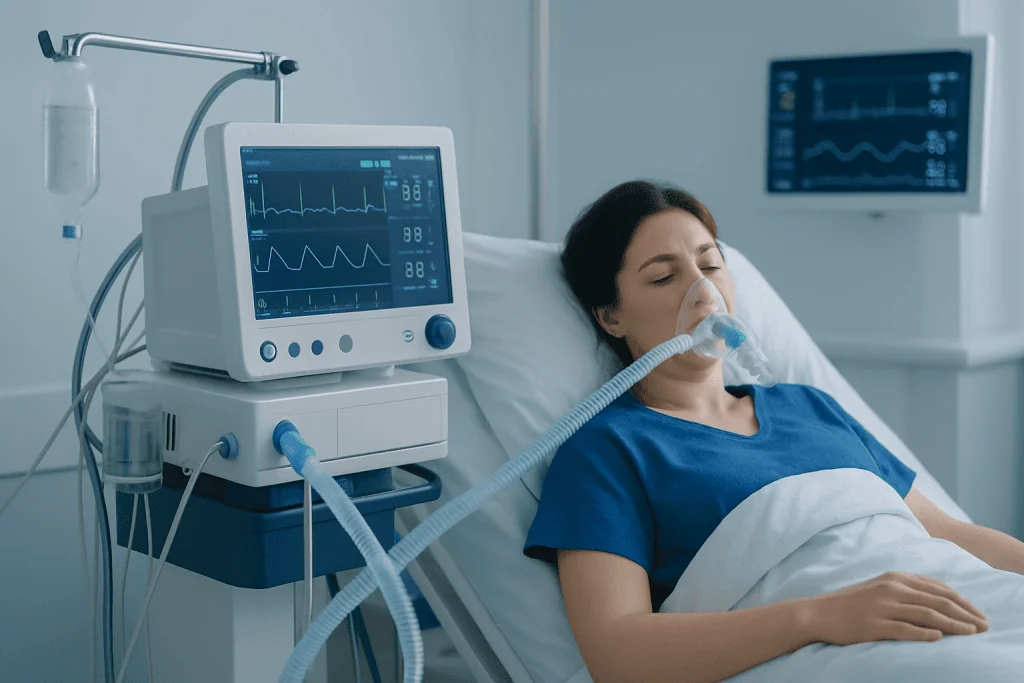
The first day is when side effects are most noticeable. You may feel sleepy even after a long rest, and your concentration will not be dependable. For that reason, do not drive, sign contracts, drink alcohol, book non-refundable travel or make significant decisions during this window. Treat your own judgement as temporarily offline, because in a practical sense it is.
Nausea is one of the most common post-anesthesia side effects after discharge in Turkey, particularly after general anesthesia or opioid pain relief. Small, frequent sips of water and light food usually sit better than full meals. If you were prescribed anti-nausea medicine, take it exactly as written on the discharge sheet. A sore throat is common if a breathing tube was used and typically eases with fluids and soft foods; ask your doctor before using lozenges alongside other medicines.
You may also notice chills or shivering, bloating, headache, constipation, or feeling unusually emotional or tearful. None of these is unusual in the first day or two. What matters is the direction of travel: expected side effects fade; problems escalate.
- Fatigue and sleepiness commonly carry into the next day, sometimes longer after bigger procedures.
- Dizziness is worse when standing quickly, especially after pain medicine, rise slowly, in stages.
- Constipation is common after anesthesia, reduced movement and opioid painkillers; mention it at follow-up rather than treating it yourself with unfamiliar pharmacy products.
- Short-term forgetfulness is real. Keep written instructions and re-read them; do not rely on what you remember being told.
How long does anesthesia take to leave your system?
Modern anesthetic drugs wear off quickly: the main agents are largely processed within hours, which is why same-day discharge is possible at all. But “the drug has worn off” and “you are back to normal” are different things. Subtle effects on judgement, coordination, reaction time and memory commonly persist for around 24 hours after general anesthesia or sedation. This is the basis for the standard advice: no driving, no alcohol, no important decisions on day one.
Beyond that first day, what you feel is usually less about the anesthetic itself and more about everything around it: tissue healing, disturbed sleep, painkillers, reduced eating and drinking, and the effort of travelling. Tiredness for several days is common and is not a sign that anesthesia is somehow still circulating. If you are unsure whether a lingering symptom is expected for your specific procedure, ask your care team: that question is exactly what the contact number is for.
Why do I feel weird days after anesthesia?
Feeling foggy, flat, emotional or simply “not yourself” two or three days after a procedure is a frequent worry, and it usually has ordinary explanations. Common contributors include:
- Pain medicines. Opioid painkillers cause drowsiness, dizziness, low mood and constipation in many people. If you are taking them, read our guide to opioid and strong painkiller safety after discharge in Turkey.
- Broken sleep. Hospitals, pain, an unfamiliar hotel bed and time-zone shifts all fragment sleep, and poor sleep alone can make you feel confused and emotional.
- Low fluid and food intake. Days of eating and drinking less than usual leave you light-headed and weak.
- The procedure itself. Healing consumes energy. Larger operations, and any blood loss, mean deeper tiredness.
- Being abroad. Recovering away from home adds a background level of stress that amplifies everything above.
So can anesthesia affect you three days later? Directly, rarely: the drugs are gone well before then. Indirectly, yes: the combination of healing, medicines and disrupted routine can make day three feel worse than day one for some people. The rule remains the same: gradual improvement is reassuring; new or worsening confusion, fever, breathlessness or pain is not, and needs a call to your care team.
What delays recovery from anesthesia?
Some patients bounce back slower than others, and the usual reasons are identifiable. Older age, longer or more complex procedures, pre-existing conditions such as heart, lung, kidney or liver disease, ongoing opioid use, dehydration, poor sleep and developing complications such as infection can all slow recovery. Older adults occasionally notice memory and concentration changes that take longer to settle after general anesthesia; if this is you or your companion, mention it to the team rather than assuming it must be endured. Delayed recovery is a reason to be assessed, not a verdict.
Safety at your hotel, residence, or recovery accommodation

Your room is now your recovery ward, so set it up like one. Before you lie down, put water, your medicines, the discharge summary, your phone and charger, and light snacks within arm’s reach of the bed. Leave a light on or within reach for the night, most falls happen on a dark, dizzy walk to the bathroom. Stand up in stages: sit first, wait, then stand.
Tell someone you are recovering. You do not need to share medical details with hotel staff, but letting the front desk or a companion know you have had a procedure means help arrives faster if you need it. If your discharge instructions say a responsible adult should stay with you, take that literally: it exists because judgement, balance and memory are unreliable on the first night. Our guide on when you need someone with you after sedation or anesthesia explains how that advice is decided.
If you are travelling alone, say so before discharge, not after. Options exist, extra check-in calls, a longer local stay near the hospital, or arranged home nursing support after hospital dischargebut they are far easier to organise before you leave the building than at midnight from a hotel room.
Eating, drinking, medicines, and gentle movement
Restart food gradually unless you have a procedure-specific diet plan. Clear fluids first, then simple foods, soup, toast, rice, yoghurt, bananas. Hold off on heavy meals, rich unfamiliar dishes and alcohol until nausea has settled and you are taking your medicines comfortably. If your stomach is unsettled, small amounts often beat large ones.
Take every medicine exactly as prescribed, at the times written on your discharge sheet, and do not add sleeping tablets, herbal remedies or extra painkillers without asking your care team first. Never adjust a dose yourself, decisions about starting, stopping or changing any medicine belong to your treating doctor. If you vomit shortly after taking a medicine, contact your care team or pharmacist before taking anything further; do not guess. A written schedule or phone alarms cover the memory gaps that anesthesia and painkillers create.
Gentle movement helps most people: short, slow walks around the room or corridor reduce stiffness and support circulation. But your surgical instructions outrank general advice. If your procedure came with lifting limits, positioning rules or movement restrictions, those win. Overexertion buys you nothing except more pain, more dizziness and, for some procedures, a higher bleeding risk.
Warning signs that need medical advice
Most post-anesthesia effects improve steadily. The single most useful test is trajectory: is this symptom fading, stable, or getting worse? Anything severe, worsening, or clearly different from what your discharge team described deserves a call. Asking early is always the right decision, nobody at the hospital thinks less of a patient who phones about a symptom that turns out to be nothing.
If you have difficulty breathing, chest pain, fainting, blue lips, signs of a severe allergic reaction, uncontrolled bleeding, or sudden weakness on one side, call your local emergency number or go to the nearest emergency department now.
Contact your care team promptly, the same day, for: persistent vomiting or inability to keep fluids down, fever, increasing confusion, a severe headache after spinal anesthesia that worsens when you sit up, new swelling or pain in one leg, inability to pass urine when expected, or pain that your prescribed medicine no longer controls. For a fuller symptom-by-symptom breakdown, keep our guide to warning signs after discharge in Turkey saved on your phone.
Language and location add stress in urgent moments, so remove that friction in advance: save the hospital contact number and your international patient coordinator’s number in your phone, and keep your passport, insurance documents and discharge summary in one place you can grab without thinking.
Flying home after anesthesia or surgery
Discharge is not travel clearance. Fitness to fly depends on your procedure, the anesthesia used, bleeding and clot risk, pain control, mobility and whether follow-up checks are still needed, which is why there is no universal number of days that applies to everyone. Confirm timing with your surgeon or anesthesia team before you finalise a return flight, and read our dedicated guide on when it is safe to fly home after sedation or anesthesia before you book.
Once you are cleared, treat the journey as part of recovery. Keep all medicines and your discharge documents in your carry-on bag, never in checked luggage. Request wheelchair assistance if long airport walks will tire you. Wear comfortable clothing, and follow any specific instructions about compression stockings, hydration, moving during the flight or wound care in transit.
On the day of travel, run one final check. If you feel unusually dizzy, short of breath, feverish, confused, or your pain is not controlled, contact your care team before heading to the airport. Rebooking a flight is an inconvenience; flying while unwell after surgery can be genuinely unsafe, and your coordinator can help with the practicalities of a changed plan.
How Acibadem International supports your aftercare
Recovering in another country is easier when you know exactly who is coordinating your care. At Acibadem, discharge planning is designed so you leave with written instructions covering medicines, wound care, activity limits, follow-up appointments and warning signs, plus a clear contact route for questions afterwards. If English is not your strongest language, interpreter support can be arranged so both you and your companion understand the plan before you walk out.
International patient teams handle the practical layer around the medicine: interpreter coordination, appointment scheduling, transfer guidance, accommodation questions and communication with the clinical team. If you cannot tell whether a symptom is anesthesia-related, surgery-related or travel-related, you do not need to work that out yourself, describe it, and your coordinator will route the question to the right people.
Your part is honesty. Say so if you are travelling alone, still nauseated, dizzy when walking, anxious, or unsure about a medicine, before discharge if possible, and afterwards without hesitation. Small adjustments made early make recovery both safer and calmer.
Step by step
- Review your discharge instructions before leaving. Ask your nurse or doctor to explain expected anesthesia side effects, medication timing, diet, activity limits and warning signs. Request interpreter support if you need it, and have your companion listen too: your memory on day one is not reliable.
- Arrange safe transport to your accommodation. You must not drive after anesthesia or sedation. Use hospital-arranged transport, a trusted transfer service, a taxi or a companion, and let someone else handle heavy luggage.
- Rest with supervision if advised. For the first night after general anesthesia or stronger pain medicine, a responsible adult nearby can steady you when walking, track instructions and call the care team if anything changes.
- Restart food and fluids slowly. Small sips and light foods first, unless you have a procedure-specific diet. If vomiting continues or you cannot keep fluids down, call your care team rather than forcing meals or missing medicines.
- Track medicines and symptoms. Use phone alarms or a written schedule for every prescription. Note fever, vomiting, dizziness, pain levels, urination and bowel movements, and especially anything trending worse.
- Move gently and avoid risky activities. Stand slowly, take short walks if permitted, and avoid alcohol, driving, swimming, heavy lifting and strenuous activity until cleared. Procedure-specific restrictions override general advice.
- Confirm follow-up and travel clearance. Attend required checks and ask directly: am I fit to fly? Keep documents, prescriptions and contact numbers in your carry-on for the journey home.
Your checklist
- Discharge summary and medication list in one accessible place
- Hospital and international patient coordinator numbers saved on your phone
- A responsible adult or agreed support plan for the first night if recommended
- Water, light snacks, thermometer and phone charger within reach of the bed
- Medication schedule with dose times clearly written or set as alarms
- Comfortable transport arranged from hospital to accommodation
- Follow-up appointment date, time and location confirmed
- Flight timing cleared with your surgeon or anesthesia team
- Passport and travel insurance documents easy to reach
Key takeaways
- Post-anesthesia side effects are most noticeable in the first 24 to 48 hours after discharge and should fade steadily, not worsen.
- The drugs wear off within hours, but judgement, coordination and memory are unreliable for around a day, no driving, alcohol or major decisions.
- Feeling foggy days later usually reflects painkillers, poor sleep, healing and travel stress rather than lingering anesthetic.
- Persistent vomiting, breathing trouble, chest pain, fever, uncontrolled pain, confusion or fainting need prompt medical attention.
- Keep discharge papers, medicines and contact numbers within reach, and confirm fitness to fly before returning home.
Frequently asked questions
Can anesthesia affect you 3 days later?
The anesthetic drugs themselves are processed well before then. What people feel on day three, tiredness, fogginess, low mood, usually comes from painkillers, broken sleep, healing and reduced eating rather than the anesthetic. Improvement should still be the pattern; new or worsening confusion, fever or breathlessness needs a call to your care team.
How long does it take for anesthesia to be fully out of your system?
The main drugs largely clear within hours, but subtle effects on judgement, reaction time and memory commonly last around 24 hours after general anesthesia or sedation. That is why the first-day rules exist: no driving, no alcohol, no important decisions. Residual tiredness beyond that is usually about recovery, not the drug.
Why do I feel weird days after anesthesia?
Common reasons include opioid painkillers, disturbed sleep, dehydration, the energy cost of healing and the stress of recovering abroad. These usually improve day by day. If the strange feeling is worsening, or comes with fever, severe headache, breathlessness or confusion, contact your care team the same day.
What can delay recovery from anesthesia?
Older age, longer or more complex procedures, existing heart, lung, kidney or liver conditions, ongoing opioid use, dehydration, poor sleep and complications such as infection can all slow recovery. A slower-than-expected recovery is a reason to be assessed by your team, not something to push through alone.
Can I stay alone in my hotel after anesthesia?
It depends on your procedure, the anesthesia used, your health and your discharge instructions. Many patients are advised to have a responsible adult nearby for the first night after general anesthesia or sedation. If you are travelling alone, tell your care team before discharge so a safer plan, extra check-ins or nursing support, can be arranged.
When can I fly home after anesthesia in Turkey?
There is no single safe timing. Your team weighs the surgery, anesthesia, mobility, bleeding and clot risk, pain control and outstanding follow-up checks. Ask directly for travel clearance before booking, changing or taking your return flight, and do a final check with the team if you feel unwell on the day of travel.
What symptoms are not normal after discharge?
Difficulty breathing, chest pain, fainting, blue lips, uncontrolled bleeding or severe allergic symptoms are emergencies, call your local emergency number or go to the nearest emergency department now. Also contact your care team promptly for fever, persistent vomiting, worsening pain, new leg swelling, inability to urinate, or a severe headache after spinal anesthesia.
Who can help if I do not understand my discharge instructions?
Ask for clarification before leaving the hospital, and request an interpreter if you need one. Acibadem international patient services can coordinate communication between you and the clinical team after discharge. It is always appropriate to ask for instructions to be repeated, written down, or explained again, especially medication timing.
Add us as a Preferred Source to see more of our trusted health content across Google Search, AI Overviews and Discover.

Update history
- PublishedJune 8, 2026
- Medical review approvedAugust 30, 2026
- Last content updateAugust 30, 2026
References3
- General anaesthesia: NHS nhs.uk
- Anesthesia: Cleveland Clinic my.clevelandclinic.org
- Anesthesia: MedlinePlus medlineplus.gov
More Patient Guides

Septoplasty Recovery: Week by Week
Learn what to expect after deviated septum surgery: a week-by-week septoplasty recovery timeline, when it is usually safe to fly home, and…

Gallbladder Surgery Recovery: Week by Week
Learn what to expect after gallbladder surgery: a week-by-week recovery timeline, pain, diet, wound care, when it is safe to fly home…
Robotic Hysterectomy Recovery: Week by Week
Recovery from robotic hysterectomy week by week: pain, lifting, wounds, driving, flying home safely, warning signs and questions to ask before you…

Breast Reconstruction Recovery: Week by Week
DIEP flap recovery week by week: hospital stay, drains, pain, walking, showering, driving, when it is usually safe to fly home, and…