

After Sedation or Anesthesia in Turkey: When You Can Walk, Eat, and Fly
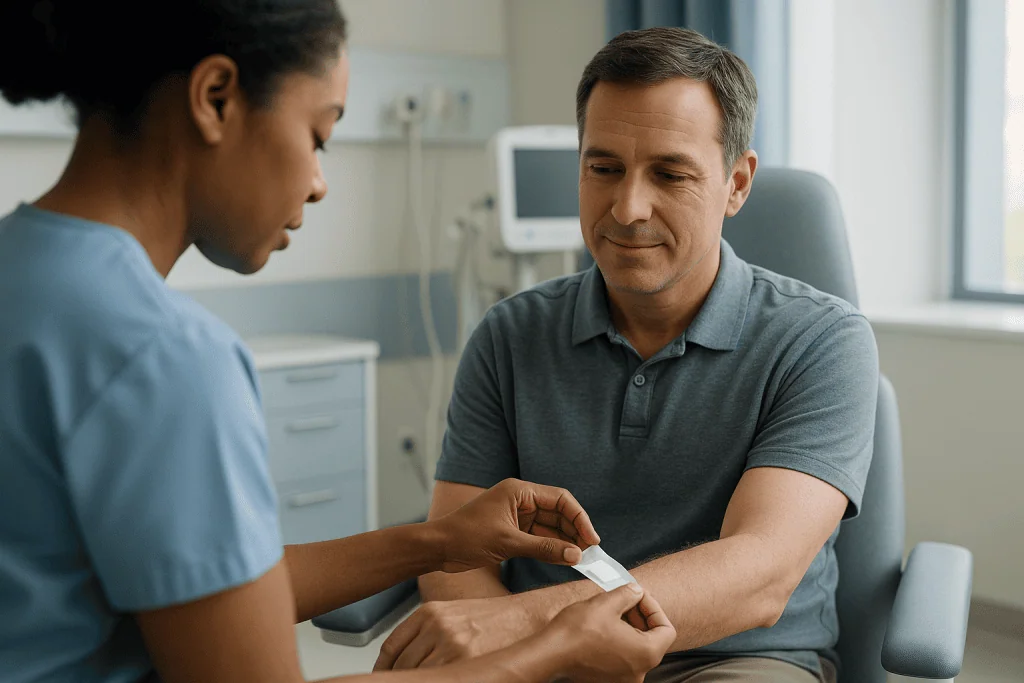
Walking usually starts within hours, in supervised stages, once staff confirm you are steady. Drinking and eating restart gradually, typically with sips of water before light food. Flying is decided separately: it depends on your procedure, your mobility and your follow-up needs, not just on how awake you feel. Your anesthesiologist and surgeon set the exact timing for each step.
You have a return flight in mind, a hotel booked, and one practical question: after the procedure, when can you actually get up, eat something, and travel home? After sedation or anesthesia in Turkey, the timing for walking, eating and flying is set by three things: the type of anesthesia you had, the procedure itself, and how your first hours of recovery actually go. No single answer covers everyone, but the sequence is predictable, and knowing it makes planning far easier.
This guide explains that sequence step by step: what the first hours look like, when movement and food usually restart, how doctors think about fitness to fly, and how to organise the first day or two so recovery does not collide with your travel plans.
At a glance
- Best source of timing: your anesthesiologist’s and surgeon’s discharge advice, ideally in writing
- Walking: in stages, with staff approval first, sitting, standing, then short supervised steps
- Eating and drinking: restart gradually, often with small sips of water before light food
- Flying home: decided by the procedure and your overall fitness to travel, not by anesthesia alone
- First 24 hours: no driving, no alcohol, no important decisions or legal documents
- First day plan: keep it light, short walks, simple food, rest, and your papers within easy reach
What recovery looks like after sedation or anesthesia in Turkey
When you wake up, you may feel sleepy, thirsty, cold, emotional or briefly confused. A dry mouth, a sore throat after a breathing tube, mild nausea, and dizziness on first sitting up are all common. None of this means something has gone wrong; it is the expected tail end of the medicines leaving your system. The pattern varies depending on whether you had local anesthesia with sedation, regional anesthesia such as a spinal or nerve block, or general anesthesia, and on how long the procedure lasted.
Recovery after sedation or anesthesia in Turkey follows the same clinical logic as anywhere else. You start in a monitored recovery area, where nurses check your breathing, blood pressure, oxygen level, pain and alertness at regular intervals. You are not expected to judge for yourself when it is safe to stand, drink or leave: those decisions are made against measurable criteria, plus any restrictions specific to your operation. If the difference between sedation and a full general anesthetic is unclear to you, the guide on sedation versus general anesthesia in Turkey explains how each is given and what each feels like.
If you are travelling for treatment, it helps to treat recovery as part of the trip itself, not an afterthought, build recovery time into the booking the same way you build in the flights, so the first days after the procedure are already accounted for before you leave home.
Are you awake during sedation?
It depends on the depth. Under minimal sedation you are relaxed but awake and able to respond. Under moderate sedation, often called conscious sedation or twilight sedation, you drift, may respond to voice, and frequently remember little afterwards. Deep sedation sits close to general anesthesia: you are essentially asleep and unlikely to remember the procedure. Under general anesthesia you are fully unconscious. The deeper the level, the longer the medicines take to clear, and the more your walking, eating and travel timings stretch out accordingly.
When you can walk safely

Early movement is generally encouraged, but “early” does not mean “immediately”, and it never means unsupervised at first. The usual sequence is deliberately staged: gentle movement in bed, then sitting on the edge of the bed, then standing with support, then a few steps with someone beside you. Each stage is a test of the next. This approach exists to prevent falls, which are most likely in the first hours when blood pressure, balance and reaction times are still settling.
The type of anesthesia changes the picture. After a spinal, epidural or nerve block, walking waits until sensation and muscle strength have genuinely returned: a leg that looks normal can still give way without warning. After general anesthesia or intravenous sedation, the limiting factors are usually drowsiness, low blood pressure on standing, and poor balance rather than numbness. Your team may also delay walking for procedure-specific reasons: drains, compression garments, fresh surgical sites, or instructions to keep weight off a limb.
Once walking is approved, keep the first attempts short. Wear stable, non-slip footwear, rise slowly from lying to sitting to standing, and pause between each change of position. Even after discharge, stairs and showers are the two places where unsteadiness matters most, so avoid tackling them alone until you feel genuinely secure. The guide on walking and gentle movement after surgery in Turkey covers how to build up activity over the following days.
- Do not get out of bed without permission while you still feel sleepy, numb or weak.
- Tell a nurse straight away if you feel faint, nauseated or short of breath when you move.
- Ask whether your specific procedure calls for regular short walks or for more rest: the answer differs by operation.
When you can drink and eat again

Eating and drinking restart only when you are awake enough to swallow safely and your team confirms it is appropriate for your procedure. The typical sequence is small sips of water first; if those stay down comfortably, clear fluids; then light, plain food. Rushing this order is the most reliable way to trigger nausea and vomiting, which are unpleasant at the best of times and genuinely unhelpful after some operations.
The procedure matters as much as the anesthetic. After many day-case treatments, light eating can resume within hours. After anything involving the digestive tract, throat or mouth, your surgeon may set a longer wait or a very specific diet, and that instruction overrides any general rule of thumb. If you feel bloated, nauseated or unable to swallow comfortably, there is no benefit in forcing food down because you feel you “should” be eating by now.
Good first choices are small portions of simple, gentle food, crackers, toast, plain rice, soup, yoghurt, unless your team tells you otherwise. Avoid alcohol entirely in the early recovery period, and skip heavy, spicy or greasy meals for the first day. A practical tip if you are staying on in Istanbul or another Turkish city afterwards: stock your room with water and a few easy foods before the procedure, so you are not hunting for a meal while tired.
When it is safe to fly after anesthesia in Turkey
The single most important point: flying is not cleared by anesthesia alone. Alertness usually returns within hours, but fitness to fly depends on the operation or test you had, your pain control, your mobility, bleeding risk, swelling, drains, medications, and whether there is any realistic chance you might need review before leaving the country. For some procedures, travel is reasonable quite soon. For others, a longer stay in Turkey is simply the safer plan, and building that into your booking from the start is much easier than changing flights at the last minute.
Short flights and long-haul journeys are not equivalent. A long flight means hours of sitting, cabin dryness, fatigue and limited access to help, and the journey around the flight is often harder than the flight itself: airport walking, queues, security screening, and lifting bags all place demands on a body that is still recovering. Certain situations, recent abdominal or chest procedures, significant swelling, reduced mobility, change how doctors think about cabin pressure and prolonged immobility, which is exactly why the decision is individual rather than generic.
Before you confirm a return flight, ask for clear written guidance on the earliest reasonable travel date, how to time medicines across the journey, wound care in transit, and which developments should delay departure. The companion guide on flying home after sedation or anesthesia goes deeper on how that decision is made and what to ask before booking.
How long general anesthesia takes to wear off
Most people are awake within minutes of a general anesthetic ending and reasonably alert within a few hours. But “awake” and “recovered” are different things. The subtler effects, slowed reactions, patchy concentration, reduced judgement, unsteady balance, commonly persist for around 24 hours, and after long procedures they can take longer to fade fully. This is why the standard advice is consistent worldwide: no driving, no operating machinery, no alcohol, and no signing of important documents for at least the first day, or for whatever longer period your team specifies.
Sedation follows the same logic on a shorter timescale for lighter levels, but deep sedation behaves much like a general anesthetic in this respect. Feeling “basically fine” a few hours afterwards is common, and is precisely when overconfidence causes stumbles, missed instructions and poorly judged decisions.
How to prepare for the first 24 to 48 hours
The first day is when practical planning matters most, because you may look fine while still functioning below your usual level. Arrange a companion if at all possible, especially on the day of discharge, someone to help with collecting medicines, translating instructions, carrying bags and getting you back to your accommodation. If your team recommends that you not be alone overnight, take that seriously; the guide on when you need someone with you after sedation or anesthesia in Turkey explains why this advice exists and what a companion actually needs to do.
Prepare your recovery space before the procedure, not after it. Water, prescribed medicines, light snacks, tissues, phone chargers and comfortable clothing should all be within easy reach of the bed. If you are in a hotel, check for lift access and room service in advance, and keep your discharge papers, medication list and hospital contact details together in one place where your companion can also find them.
Pain that is managed well makes everything else, walking, eating, sleeping, easier. It is worth understanding in advance how postoperative pain is typically handled; the guide on pain control after surgery in Turkey sets out what patients can generally expect. Any change to your regular medicines is a decision for your treating doctor, so bring your full medication list to every conversation.
What is normal in the first days
Mild tiredness, light nausea, a sore throat and some grogginess are all within the expected range early on, and they usually fade steadily. Clinicians draw a simple distinction between after-effects that improve day by day and anything that worsens or arrives new, and your discharge papers will set out exactly which points apply to your procedure. They are worth reading before you leave the ward rather than later, when you are tired and a companion may be reading them on your behalf.
If you had a regional block, ask what is normal for it: temporary numbness is expected, but you should know roughly how long it lasts and what counts as delayed recovery. If you had a general anesthetic, ask which lingering effects are anesthesia-related and which belong to the procedure itself: the distinction changes what “getting better” should look like. The guide on post-anesthesia side effects after discharge in Turkey covers the common after-effects in more detail.
Step by step
- Wait for your recovery assessment. Do not assume you can walk, drink, eat or leave just because you feel awake. Nurses and doctors assess alertness, pain, breathing and blood pressure, plus procedure-specific points, before each next step.
- Move in stages. Sit up, then stand, then walk short distances, each only when staff confirm it. If you feel dizzy or weak, say so immediately and try again after resting.
- Reintroduce fluids and food slowly. Small sips first if permitted, then light food only if you feel comfortable. Stop if nausea, vomiting or swallowing difficulty appears.
- Get your discharge rules in writing. Before leaving, confirm when you can shower, walk alone, resume normal meals, take your usual medicines, and travel. Written instructions matter most when you are tired or when a companion is helping on your behalf.
- Plan a quiet recovery day at your hotel or apartment. Keep the room easy to move around, stocked with water, simple food and your prescribed medication. Avoid stairs, heavy bags and unnecessary trips until you feel stable.
- Review your travel timing before finalising a flight. Check with the surgeon or anesthesiologist that your planned return date is realistic for your procedure. Adjusting your stay in Turkey is easier than travelling too early.
- Keep your papers and contacts together. Discharge instructions, your medication list and the hospital’s contact details should stay in one place, with your companion knowing where, for the whole of your remaining stay.
Your checklist
- Have a companion or responsible adult with you if advised
- Do not drive or operate machinery for the period your team recommends
- Wear stable, non-slip shoes for your first walks
- Keep discharge papers, medications and contact numbers together
- Start with fluids and light food only when permitted
- Avoid alcohol in the immediate recovery period unless your doctors say otherwise
- Do not confirm your return flight until fitness to travel has been discussed
- Ask about stairs, showering and lifting restrictions before leaving hospital
Key takeaways
- You walk, eat and fly when your own care team says it is safe for your specific procedure, not on a universal timetable.
- Walking restarts in supervised stages; regional anesthesia adds a wait for sensation and strength to return.
- Eating and drinking begin with sips and light food, and procedure-specific diet rules override general advice.
- Flying depends on the operation, your mobility and follow-up needs, never on alertness alone.
- The subtle effects of a general anesthetic commonly last around 24 hours, even when you feel fine.
- Written discharge instructions, a companion and a flexible travel plan make recovery in Turkey markedly easier.
Frequently asked questions
Are you awake during sedation anesthesia?
It depends on the depth. Minimal sedation leaves you relaxed but awake; moderate (“twilight”) sedation leaves you drowsy, responsive to voice and often with little memory afterwards; deep sedation is close to sleep. General anesthesia means full unconsciousness. Your anesthesiologist chooses the level based on the procedure and your health.
How long does it take to recover from general anesthesia after surgery?
Most people are awake within minutes and reasonably alert within a few hours, but slowed reactions, reduced concentration and unsteadiness commonly persist for around 24 hours. Full recovery from the operation itself takes longer and depends on the procedure. That is why driving, alcohol and important decisions are off the table for at least the first day.
Can you fly the day after anesthesia in Turkey?
Sometimes, but it should never be assumed. The decision rests on the procedure, your mobility, bleeding risk, pain control and follow-up needs far more than on the anesthetic itself. Ask your surgeon or anesthesiologist for the earliest reasonable travel date before finalising any flight.
When can you eat after sedation?
Usually once you are fully awake and your team confirms it is appropriate, typically starting with sips of water, then clear fluids, then light food if you feel well. Some procedures, particularly those involving the digestive tract or mouth, require a longer wait or a specific diet.
Is Turkey safe to travel to for surgery?
Safety depends far more on the individual hospital, the clinical team and how well the trip is planned than on the country as such. Established hospital groups in Turkey treat international patients routinely, with structured international patient services. Sensible steps include researching the institution, confirming who provides your anesthesia care, planning realistic recovery time, and checking your own government’s travel guidance.
What are the most popular medical procedures in Turkey?
International patients commonly travel to Turkey for dental treatment, hair restoration, cosmetic and plastic surgery, eye surgery, orthopaedic procedures, fertility treatment and comprehensive health check-ups. Many of these involve sedation or anesthesia, which is why recovery and travel timing are such frequent questions.
Do you need someone to stay with you after discharge?
Often yes, particularly on the same day as sedation or general anesthesia. A companion helps with transport, food, medicines and communication while your concentration and balance are still recovering. If you are travelling alone, plan for this before the procedure rather than on the day of discharge.
Why do you still feel sleepy even after discharge?
Sedation and anesthetic medicines continue to affect concentration, memory, balance and reaction time for hours after you appear awake. Feeling “mostly normal” while functioning below your usual level is common on the first day, which is why rest, supervision and no driving are standard advice.
Add us as a Preferred Source to see more of our trusted health content across Google Search, AI Overviews and Discover.

Update history
- PublishedJuly 8, 2026
- Medical review approvedSeptember 13, 2026
- Last content updateSeptember 12, 2026
References3
- General anaesthesia: NHS nhs.uk
- Anesthesia: MedlinePlus medlineplus.gov
- Anesthesia: Cleveland Clinic my.clevelandclinic.org
More Patient Guides

Septoplasty Recovery: Week by Week
Learn what to expect after deviated septum surgery: a week-by-week septoplasty recovery timeline, when it is usually safe to fly home, and…

Gallbladder Surgery Recovery: Week by Week
Learn what to expect after gallbladder surgery: a week-by-week recovery timeline, pain, diet, wound care, when it is safe to fly home…
Robotic Hysterectomy Recovery: Week by Week
Recovery from robotic hysterectomy week by week: pain, lifting, wounds, driving, flying home safely, warning signs and questions to ask before you…

Breast Reconstruction Recovery: Week by Week
DIEP flap recovery week by week: hospital stay, drains, pain, walking, showering, driving, when it is usually safe to fly home, and…