

At Acibadem: What Technology Supports Your Care

At Acibadem, technology supports your care at every stage: imaging and laboratory systems for diagnosis, digital planning tools for treatment decisions, electronic records that keep specialists working from the same information, and monitoring equipment during and after procedures. None of it replaces clinical judgement. Its role is to help your team see clearly, plan carefully and coordinate your care, including the practical logistics of travelling from abroad.
When you plan treatment in a hospital far from home, it is reasonable to ask what actually happens behind the scenes. What equipment will be used to diagnose you? How do different specialists share your results? What keeps track of your medicines, your identity, your vital signs? This guide answers those questions in plain terms, so you know what technology supports your care at Acibadem, and, just as importantly, what it does not do.
One point before anything else: technology is a tool, not a promise. Machines and software help clinicians see more clearly and coordinate more safely. Decisions about your treatment still rest with your doctors, based on your history, your examination and your circumstances. A hospital that understands this will talk to you about how a system helps your case, not simply how new it is.
At a glance
- Best for: International patients who want to understand how hospital technology supports safety, diagnosis and coordination
- Main areas covered: Diagnostic imaging and laboratories, treatment planning, safety systems, monitoring, and digital records
- What it means for you: More connected care, fewer repeated explanations, and organised documents you can take home
- Technology is used for: Diagnosis, planning, treatment delivery, medication safety, monitoring and follow-up
- What technology does not do: It does not replace clinical judgement, and it cannot remove the uncertainty inherent in medicine
- Human support alongside it: Specialists, nurses, interpreters and international patient coordinators guide each step
Why technology matters to your care
The short answer to what technology supports your care at Acibadem is this: it helps your team see more clearly, plan more precisely and communicate more reliably. Those three things, vision, planning and communication, are where most of the practical value sits for you as a patient.
Consider what happens when they are missing. If your imaging sits in one department and your blood results in another, someone has to carry information between them, and things can be delayed or lost. If two specialists work from different versions of your file, you end up repeating your story and answering the same questions twice. If a treatment is planned without detailed imaging, the plan is built on less information than it could be. Hospital technology exists largely to close these gaps.
At Acibadem, care is supported by connected digital hospital systems, multidisciplinary teams and international patient services. In everyday terms, that means your imaging, laboratory results, consultation notes and treatment plan can be reviewed together, and the people responsible for your travel logistics can coordinate with the people responsible for your medical care. If you want a broader picture of how the clinical teams and systems fit together, the guide on how Acibadem uses technology, doctors and care teams covers the human side of this in more depth.
Diagnostic technology: helping your team understand your condition
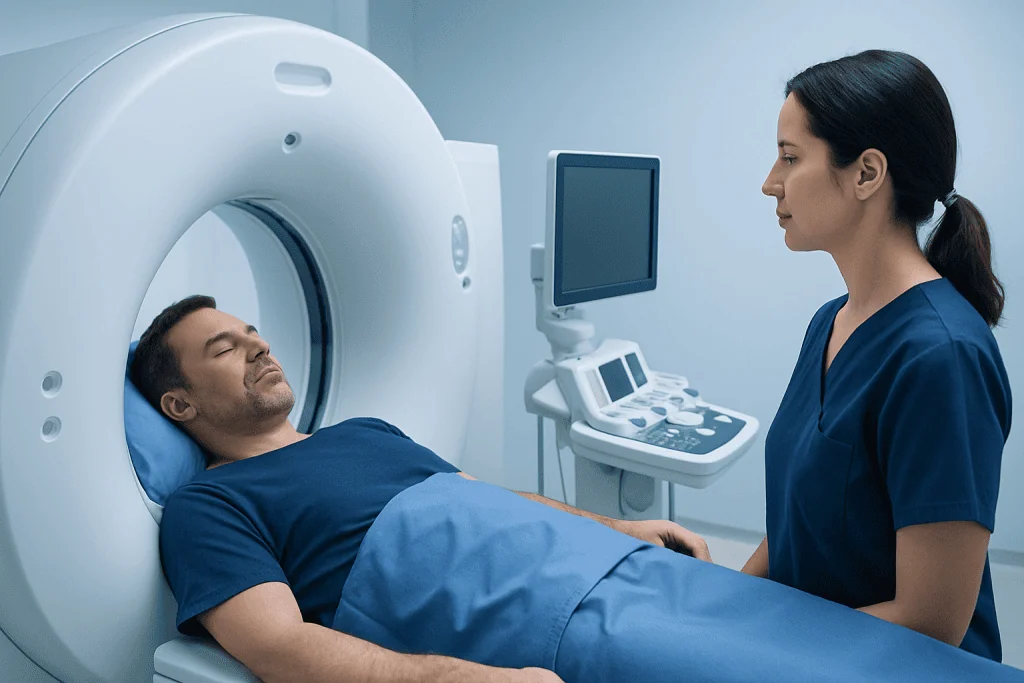
Diagnosis is where technology usually enters your pathway first. Depending on your condition, your assessment may involve radiology imaging such as ultrasound, CT, MRI or mammography, endoscopy-related imaging, laboratory testing, or a combination of these. The purpose is always the same: to give your specialists enough reliable information to confirm what is happening, rule out what is not, and decide whether further tests are needed before a treatment decision is made.
Imaging systems
Modern imaging matters less for its specifications and more for what happens to the images afterwards. Digital archiving systems store your scans in one organised file, so a radiologist, a surgeon and a physician can all look at the same images with the same reports attached. When your case is discussed, everyone works from identical material. That shared view is often more valuable to you than any single piece of equipment.
Digital storage also supports comparison over time. If you have a scan before treatment and another during follow-up, the two can be viewed side by side. For international patients, this extends backwards as well: scans and reports from your home country can be reviewed before you arrive, which helps the team decide whether repeat imaging is genuinely necessary or whether your existing results are sufficient.
Laboratory systems
Blood tests, tissue analysis and other laboratory work run on their own digital infrastructure. Samples are tracked from collection to result, results feed directly into your electronic record, and abnormal values can be flagged for clinical attention. You will rarely see any of this, but it reduces the chance of results being mislaid or attached to the wrong file: a quiet but important form of safety.
- Imaging supports diagnosis and treatment planning
- Laboratory systems track samples and results accurately
- Shared digital reporting supports multidisciplinary review
- Digital archiving makes follow-up comparison easier
- Records from home can be reviewed alongside new hospital imaging
Treatment planning and precision: how technology helps personalise care
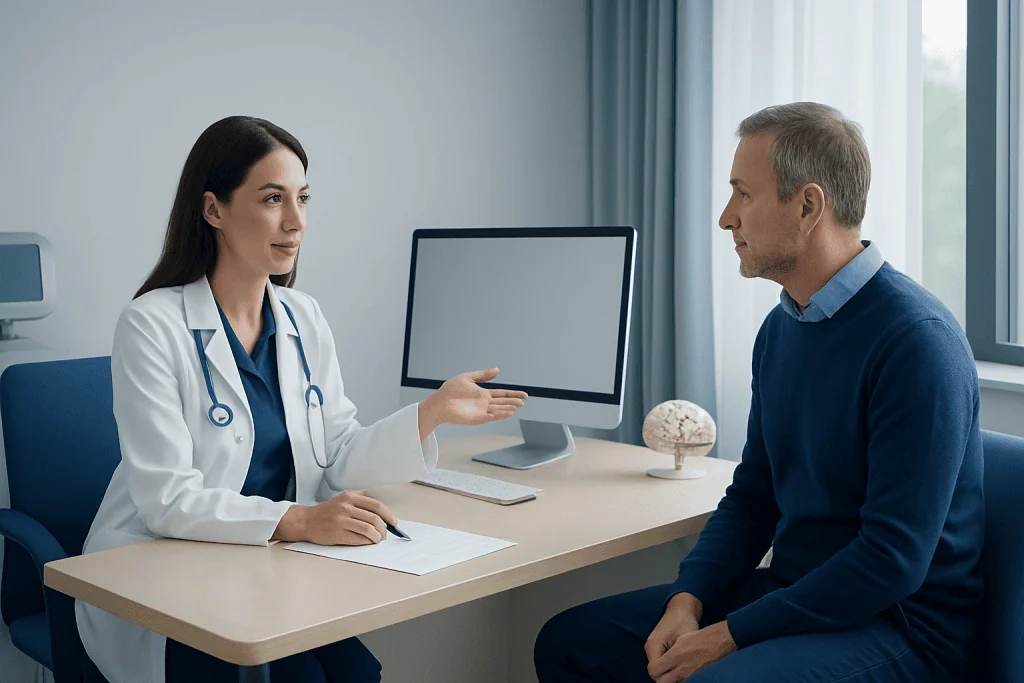
Once a diagnosis is established, technology often shifts from answering what is happening to supporting what should happen next. Depending on your condition and specialty, teams may use digital planning software, image-guided systems or three-dimensional reconstructions of your anatomy to map treatment areas and prepare for procedures in detail. The specific tools vary widely between, say, orthopaedics, oncology and cardiology, but the underlying purpose is constant: careful preparation before anything is done to you.
For you, this shows up as a more organised experience. Your consultations, imaging and treatment decisions connect to one another rather than feeling like separate events. When your doctor recommends an option, the recommendation can be explained with reference to your own scans and data, which makes it easier for you to understand the reasoning and ask sensible questions. A separate guide looks specifically at what technology supports diagnosis, surgery and treatment planning at Acibadem, if you want more detail on that stage.
Be clear-eyed about what precision means. Planning technology reduces guesswork; it does not remove uncertainty. Your body, your history and your response to treatment remain individual, and no software changes that. A reassuring sign in any consultation is a doctor who explains both what the technology shows and where its limits are. Treat confident claims of certainty with caution, wherever you hear them.
Safety systems you may notice during your stay
Much of the technology that protects you is deliberately unremarkable. Hospitals rely on electronic patient records, medication management systems, patient identification checks and standardised digital documentation to reduce errors, particularly when your care crosses several departments, which is common for international patients with complex needs.
You will notice some of this directly. Staff will check your name, date of birth and wristband repeatedly, often before every test, medicine or procedure. This can feel excessive by the third or fourth time. It is intentional. Each check is a point where a mismatch would be caught, and the electronic systems behind the wristband confirm that the right patient is receiving the right intervention at the right time.
Medication systems work similarly. Prescriptions entered electronically can be checked against your recorded allergies and your other medicines, and documentation tools create a clear trail of what was given and when. None of this replaces the nurse or pharmacist; it gives them a structured second layer of verification.
Monitoring during and after procedures
Monitoring equipment follows your vital signs in clinics, day units, wards, operating theatres and recovery areas, and alerts staff to changes that need attention. The intensity of monitoring is matched to your situation: routine observation on a ward differs from continuous monitoring after major surgery. If your treatment involves a significant operation, it is worth understanding in advance what to expect if intensive care is needed after surgery, where monitoring technology is at its most concentrated. The equipment reinforces human observation; nurses and doctors still assess you directly.
- Electronic records support continuity between departments
- Identification checks help prevent mix-ups
- Medication systems cross-check allergies and interactions
- Monitoring equipment matches its intensity to your clinical needs
- Documentation tools create a clear, reviewable record of your care
What each stage looks like in practice
| Stage of your journey | Typical technology involved | What it does for you |
|---|---|---|
| Before you travel | Digital record review, shared imaging files | Your case can be assessed in advance; unnecessary repeat tests may be avoided |
| Diagnosis | Imaging (ultrasound, CT, MRI and others), laboratory systems | Specialists build a clear, shared picture of your condition |
| Planning | Digital planning software, image-guided tools | Treatment is prepared in detail before anything begins |
| Treatment and stay | Identification checks, medication systems, monitoring equipment | Structured safety layers around every test, medicine and procedure |
| Discharge and after | Electronic discharge summaries, report copies, organised imaging | Your home doctor receives a coherent record instead of fragments |
How digital systems make the journey smoother for international patients
International care is not only medicine. It is timing, communication and paperwork, and technology carries a good share of that load. Before you arrive, your reports, imaging and medical history can be gathered for pre-assessment. During your visit, scheduling systems coordinate consultations, tests and procedures so that a pathway involving several departments does not dissolve into a series of disconnected appointments. When more than one specialist contributes to your care, shared records support the case discussions between them: the guide on how multidisciplinary care is coordinated in Turkey explains how that works in practice.
Alongside the systems sit people. International patient coordinators help organise appointments and practical arrangements such as interpreter support, and interpreters help you follow consultations if English or Turkish is not comfortable for you. The technology gives the clinical team the information they need; the coordinators help you understand what is happening and what comes next. Both matter.
Digital records also matter after you leave. Discharge summaries, test results and aftercare instructions in organised, portable form make the handover to your local doctor far simpler: you continue a documented conversation rather than starting from scratch. If you are thinking ahead to that stage, see the guide on how to prepare for recovery once you return home.
What technology cannot do
An honest guide should state the limits plainly, so here they are.
Technology cannot make a diagnosis by itself. Scans and results are interpreted by clinicians, and interpretation involves judgement, experience and context. Two patients with similar images may need different plans because their histories, ages and overall health differ.
Technology cannot remove risk. Every test has limitations and every treatment carries some possibility of complications, regardless of the equipment involved. Planning tools and monitoring systems reduce avoidable problems; they do not eliminate the inherent uncertainty of medicine, and any hospital that suggests otherwise is overselling.
And technology cannot substitute for your own understanding. A well-informed patient, one who knows why a test is being done and what documents to keep, gets more out of every system described here. Which brings us to the questions worth asking.
Questions to ask so you understand the technology being used
You do not need to know the name of any machine or software platform to be an informed patient. What matters is understanding how a given tool supports your diagnosis, your treatment plan, your safety or your follow-up. The most useful question is rarely “Is this the newest technology?”: it is “How does this help my care specifically?”
During consultations, ask what tests are proposed, what information each one provides, and whether your existing scans and reports from home are usable. If a procedure is being planned, ask how imaging or planning tools guide it and how you will be monitored afterwards. Ask how your records move between the specialists involved, whether you will receive copies of key reports, and what your doctor at home will need from you. In a large hospital where several departments contribute to one pathway, these questions keep you oriented.
- What does this test or system help the team see or decide?
- Will my previous records and imaging from home be reviewed before anything is repeated?
- How will different specialists access the same information about me?
- How will I be monitored during and after my procedure?
- What documents should I keep for follow-up after I return home?
Step by step
- Prepare your medical records before you travel. Gather recent reports, scans, your medication list and a brief medical summary, so they are ready when the hospital’s pre-assessment process asks for them. Early review helps the team decide what technology or testing your case actually needs.
- Ask what tests are likely and why. Before travelling, find out which imaging or laboratory tests may form part of your assessment, and whether any can be avoided if your recent records are adequate. This helps you plan your time in Turkey realistically.
- Confirm how appointments will be coordinated. If more than one specialist is involved, ask how consultations, diagnostics and planning are scheduled together. Coordinated scheduling and shared records save time and reduce stress.
- Use interpreter and coordinator support early. If you are more comfortable in another language, arrange interpreter support from the start. Coordinators can explain when and why technology is being used at each stage.
- Keep copies of key results and discharge documents. Before leaving hospital, collect your discharge summary, major test reports, imaging summaries and instructions. Organised records make follow-up with your local doctor far easier.
- Clarify the follow-up plan before you go home. Understand whether your care plan includes remote follow-up, repeat tests or communication with your home doctor. Technology is most useful when it supports continuity after your stay, not only during it.
Your checklist
- Bring or send recent scans, blood tests and consultation notes
- Carry an up-to-date medication list and allergy information
- Ask whether older imaging from home should be reviewed before any repeat testing
- Keep your passport and hospital registration details accessible
- Write down questions about diagnostics, monitoring and follow-up before each consultation
- Request interpreter support if you prefer another language
- Ask for copies of important reports before discharge
- Pass your discharge documents to your doctor at home after you return
Key takeaways
- Technology supports your care at Acibadem across diagnostics, treatment planning, safety checks, monitoring and digital coordination.
- The biggest benefit is usually connected, well-documented care, not the equipment itself.
- Shared digital records let multidisciplinary teams work from the same information, which reduces repetition and gaps.
- Technology supports clinical judgement; it does not replace it, and it cannot remove uncertainty from medicine.
- Interpreters and international patient coordinators translate complex hospital processes into clear next steps.
- The best question you can ask about any system is how it specifically helps your diagnosis, treatment or follow-up.
Frequently asked questions
What technology supports your care at Acibadem?
Depending on your condition, your care may involve imaging systems such as ultrasound, CT or MRI, laboratory platforms, electronic patient records, digital treatment-planning tools and monitoring equipment. The combination varies by specialty, but the shared goal is to help specialists diagnose, plan and deliver care safely and in a coordinated way.
Does advanced technology mean better care on its own?
No. Good care comes from experienced clinicians, clear communication, strong safety processes and technology used for the right reason, together. A useful sign of quality is a team that can explain how a specific tool helps your individual treatment plan, rather than pointing to equipment in general terms.
Will I need to repeat tests I already had at home?
Sometimes existing tests are sufficient; sometimes repeat testing is needed because images are outdated, incomplete or unsuitable for the treatment being planned. Having your records available for review in advance gives the team the best chance to advise you on this before you travel.
How do digital records help me as an international patient?
Digital records let different specialists view the same reports, images and notes without relying on paper files or your repeated explanations. In practice this means a more organised pathway, better continuity between diagnosis, treatment and discharge, and a cleaner set of documents to take home.
What safety technology might I notice during my hospital stay?
You may notice wristbands, repeated identity checks, electronic documentation, medication verification steps and vital-sign monitoring equipment. These layers help staff confirm your details, cross-check medicines against your record, and respond when something changes.
How is monitoring different after major surgery?
Monitoring intensity is matched to your clinical situation. Routine ward observation differs from the continuous monitoring used in recovery areas or intensive care after major operations, where equipment tracks vital signs closely and alerts staff to changes. Your team can explain what level of monitoring your treatment plan involves.
What should I take home after treatment?
Ask for your discharge summary, major test reports, imaging summaries where relevant, medication instructions and follow-up recommendations. Keeping these organised helps your doctor at home understand what was done and what should happen next.
Add us as a Preferred Source to see more of our trusted health content across Google Search, AI Overviews and Discover.

Update history
- PublishedJune 22, 2026
- Medical review approvedSeptember 13, 2026
- Last content updateSeptember 12, 2026
References2
- Diagnostic Imaging: MedlinePlus medlineplus.gov
- Personal Health Records: MedlinePlus medlineplus.gov
More Patient Guides

When to Delay Travel for Treatment in Turkey Because of Cold, Flu, or Fever
Delay travel for treatment in Turkey if you have fever, worsening flu symptoms, or breathing difficulty; contact your care team before flying.

Traveling to Turkey for Treatment While Pregnant: Safety Questions to Ask First
Traveling to Turkey while pregnant can be safe with medical clearance, airline checks and a tailored care plan. Ask these key safety…
When to Seek Urgent Help After Leaving the Hospital in Turkey
When to seek urgent help after leaving the hospital in Turkey: act fast for breathing trouble, chest pain, heavy bleeding, high fever,…
At Acibadem, How We Handle Consent, Privacy, and Patient Decision-Making
Consent, privacy, and patient decision-making at Acibadem in Turkey are handled with clear information, confidentiality, interpreters, and respect for your choices.