

Bringing Outside Food to a Hospital in Turkey: What to Ask First
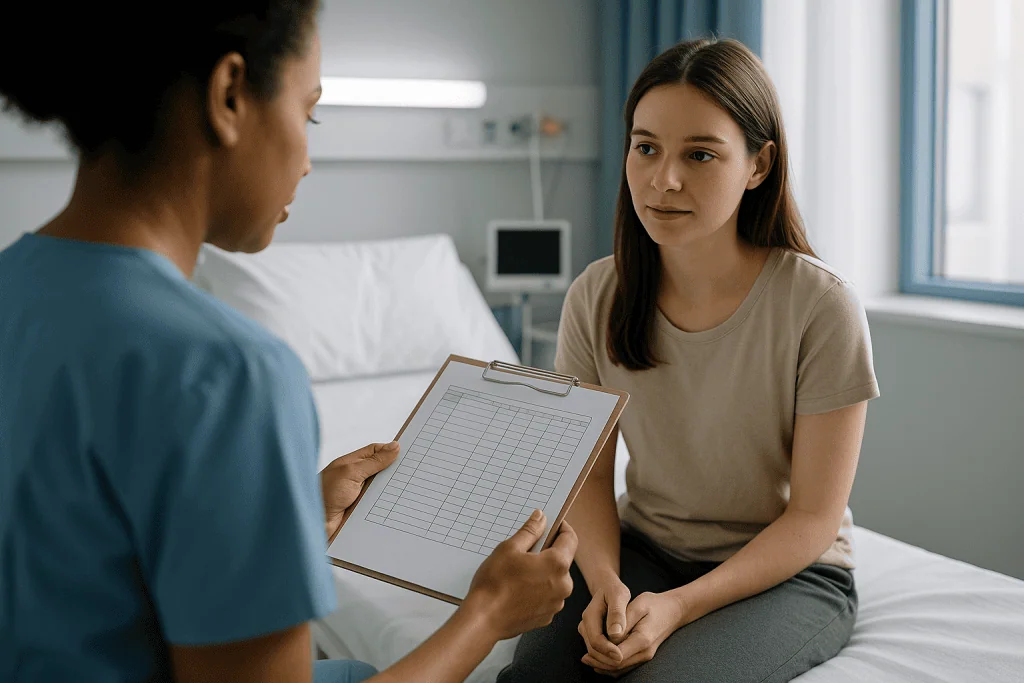
You can often bring outside food to a hospital in Turkey, but only after the ward team confirms it suits your current diet order. Ask your bedside nurse first, describe exactly what the food contains and when it will arrive, then check again before eating. Restrictions are stricter around fasting periods, surgery, and high-caution units such as intensive care.
Is your family already planning to bring you soup, bread or a familiar dish? Bringing outside food to a hospital in Turkey starts with one step: ask the ward team before anything is cooked, packed or delivered. That single question is the safest first move, and it takes a minute.
This guide explains who to ask, what details to share, how Turkish hospital wards typically handle family-prepared meals, and what to do when the answer is no. It also covers two questions international patients ask often: whether you can carry food in your suitcase to Turkey, and whether outside food on a ward breaks any rule.
At a glance
- Best first contact: Your bedside nurse or international patient coordinator
- Most important check: Whether your doctor has ordered a specific diet or fasting period
- Food safety priority: Fresh, clearly labelled food kept at the right temperature from kitchen to bedside
- High-caution areas: Intensive care, oncology, transplant, isolation and post-operative units
- Companion meals: Usually easier to arrange, but still subject to ward rules on odours, storage and waste
- Rule of thumb: Ask before the food is prepared, and ask again before you eat it
Why you should ask before bringing food
Bringing outside food to a hospital in Turkey can feel like a small, warm gesture, especially when you are far from home and familiar tastes help you feel settled. Hospitals see it differently, and for a good reason: during an admission, meals are part of your treatment, not just hospitality. Your care team may need to control ingredients, timing, portion size, texture, salt, sugar, fluid intake, allergens or infection risk, and any of those factors can change from one day to the next.
Even a small snack can matter. If you are fasting before imaging, waiting for surgery, recovering from anaesthesia, taking certain medicines or following a therapeutic diet, an unplanned bite can delay a procedure or complicate your plan. Some patients on the same ward can eat freely while their neighbours cannot, which is why no general rule replaces a personal answer. The safest approach to bringing outside food to a hospital in Turkey is always the same: ask before the food arrives, and ask again before you eat it.
At Acibadem International hospitals, the nurse, dietitian, doctor and international patient services team can explain the rules that apply to you in clear language. If you need an interpreter, ask early, so ingredients, religious or cultural preferences and family traditions around food can be discussed without confusion. A dish that is easy to name in your language may need careful description in Turkish, and the reverse is equally true.
Who to ask and what to say
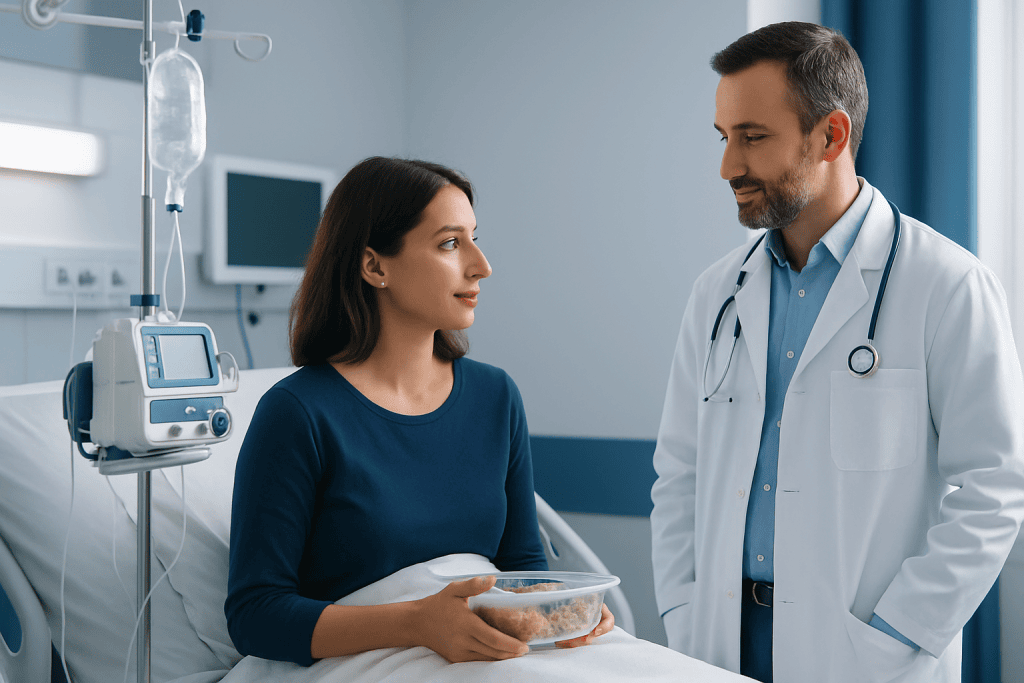
Your bedside nurse is usually the best first contact. Nurses see your current diet order, know the ward’s storage rules and can tell you whether anything has changed since the morning round. Your international patient coordinator is the second useful contact: they can carry the question to the clinical team and explain local hospital processes in your language. If the question touches a medical issue: an allergy, diabetes, swallowing difficulty, digestive symptoms or recent surgery: the nurse may need to check with your doctor or dietitian before answering, so allow time for that.
Be specific when you ask. “Can my family bring food?” invites a vague answer. A better version names the dish, who prepared it, when it will arrive, whether it needs heating or refrigeration, and how much you plan to eat. If it contains sauces, spices, nuts, dairy, raw ingredients or herbal items, say so plainly. The more precisely you describe the food, the more useful and confident the answer will be.
Questions that work well include: “Am I allowed to eat now?” “Do I have a special diet today?” “Is this particular food suitable for my condition?” “Can it be stored safely on the ward?” and “Where should my companion eat?” Each one turns a general yes-or-no into practical guidance you can act on.
Common situations where outside food may be restricted
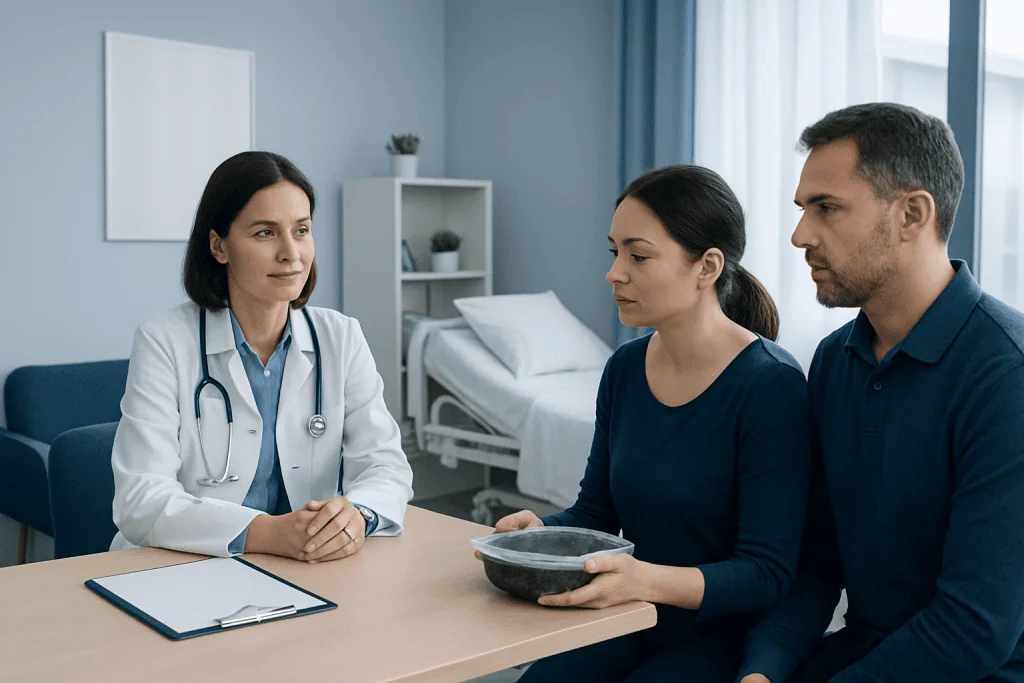
Restrictions cluster around certain units and certain phases of care. In intensive care, isolation rooms, oncology and transplant-related units, or wherever a patient’s immune system is weakened, teams commonly limit outside food as part of infection prevention. Food prepared outside controlled conditions can carry bacteria even when it looks, smells and tastes completely normal, which is precisely why the rules do not rely on appearance.
After surgery or during some treatments, your digestive system may need time before it can handle ordinary meals. Many patients progress from clear liquids to soft foods to regular meals on their doctor’s instructions. At those stages, homemade bread, rice dishes, fruit, rich soups or sweets may be deeply familiar and still not yet appropriate. The restriction is temporary, but it is real while it lasts.
Fasting instructions are the third common reason. Before certain procedures, scans, blood tests or sedation, you may be told to take nothing by mouth for a set period. Eating during that window can delay your appointment for safety reasons, and even a mint or chewing gum can count. If you are unsure whether you are fasting, ask before taking a single bite or sip. Our guide to fasting before surgery in Turkey explains how these instructions usually work and why they matter.
Is outside food against the rules? Policy versus law
Patients sometimes worry that bringing outside food to a hospital in Turkey breaks a health code or a law. In practice, the rules you meet on a ward are hospital policy, written to protect patients rather than to penalise families. You will not be fined for asking, and asking is exactly what staff expect. What you should expect in return is that the answer can genuinely be no, and that a no in one unit does not predict the answer in another.
Policies differ between hospitals, between wards within the same hospital, and between patients on the same ward. A general surgical ward may allow a small, labelled, freshly prepared dish; a transplant unit two floors up may not allow any outside food at all. Neither answer is arbitrary. Diet orders, infection control standards and the practical limits of ward storage all feed into the decision, and the nurse relaying it is following the plan written for you specifically.
It helps to treat the policy the way you would treat any other clinical instruction: not as a judgement on your family’s cooking, but as one more control that exists because meals affect treatment. If staff ask you to remove food from the room, that request is about safety, not preference.
Food safety basics for family-prepared meals
If the team confirms outside food is allowed, keep it simple. Choose freshly prepared food from a reliable source, pack it in clean, sealed containers, and label it with the patient’s name, room number, the date and time it was prepared, and any important ingredients. Bring small quantities: ward storage is limited, and leftovers often cannot be kept.
Temperature control is the part families underestimate most. Hot food should arrive hot and be eaten promptly once approved. Cold food should stay chilled during transport, especially dairy, meat, fish, cooked rice, eggs, sauces and cut fruit. Food that has sat at room temperature for hours is the classic route to foodborne illness, because common culprits such as Salmonella, Campylobacter, certain strains of E. coli and toxin-forming bacteria multiply in exactly those conditions. This is not a Turkey-specific risk; the same organisms cause most food poisoning in any country, and the same precautions prevent it. If food has travelled too long unrefrigerated, the safest choice is not to eat it, however good it looks.
Unless your care team specifically approves them, avoid high-risk items: raw or undercooked seafood, unpasteurised dairy, undercooked eggs, raw sprouts, buffet food, heavily creamy dishes, anything with unknown ingredients, and anything that has been in transit for many hours. One more rule protects everyone on the ward: never share patient food with other patients or their families. Allergies and diet restrictions can be serious, and you cannot see them from the next bed.
Can you take food in your suitcase to Turkey?
Many patients want to pack familiar foods for the trip itself. Broadly, sealed, commercially packaged foods carried in reasonable quantities for personal use are the least problematic category. Fresh foods of animal origin, meat, dairy and similar products, are the category most likely to be restricted or limited at borders, as they are in many countries. Customs rules change, so check current official guidance for Turkey and for any country you transit before you pack.
Airline rules add a second layer. Soups, yoghurts, soft cheeses and sauces count as liquids or gels for cabin baggage and are subject to the usual volume limits, so anything spoonable generally belongs in checked luggage or stays at home. Then there is the practical problem: a dish cooked at home will spend many hours at cabin temperature before it reaches a hospital bedside, which puts it squarely in the category ward staff are most cautious about. Packaged, shelf-stable comfort foods travel far better than home cooking.
Finally, remember that food you carry into the country still needs ward approval before a patient eats it. Getting a jar of familiar spice mix through the airport does not settle whether it suits this week’s diet order. If you follow a special diet or manage allergies, our guide to travelling to Turkey with food allergies or special diet needs covers the planning side in more detail.
Cultural, religious and comfort foods
Food is bound up with culture, faith and emotional comfort, and hospitals know it. If you prefer halal food, vegetarian meals, low-spice dishes, familiar breakfast items or foods tied to your home country, tell the hospital team early. Many preferences can be met through the hospital meal service itself, and where they cannot, the team can advise whether a family-prepared alternative is acceptable for your current plan.
If you are staying at an Acibadem International hospital, international patient services can carry your preferences to the kitchen and the ward. Interpreters are particularly useful when a dish contains ingredients that resist easy translation, spice blends, broths, fermented foods, herbal additions or traditional sweets. Describing the actual contents matters more than naming the dish.
It also helps to separate “comfort food for the patient” from “food for companions”. Your companion usually has more flexibility, but they still work within ward rules on visiting, odours, shared spaces and waste. Strong-smelling foods may be discouraged in patient areas even when they are perfectly safe to eat. If someone is travelling with you, our guide to bringing a companion to Turkey for treatment covers what to plan before you both fly.
Storage, reheating and ward etiquette
Before food arrives, ask whether the ward has a refrigerator, whether patient food may be stored in it, and who is responsible for labelling and removing items. Some units cannot store outside food at all. Others allow short-term storage only, with clear labels and time limits, and the limits are enforced, because an unlabelled container in a shared fridge is a hazard, not a convenience.
Reheating rules vary too. For hygiene reasons, staff may not be able to heat food brought from outside, or may only do so in designated areas. Do not use hospital equipment without permission, and do not leave open containers on bedside tables, windowsills or in companion areas. Sealed, single-portion containers sidestep most of these problems.
Good etiquette protects everyone. Bring only what is needed, keep containers closed, clean spills quickly, dispose of waste properly, and do not offer food to roommates or other families, however natural the gesture feels. If a nurse asks you to remove food, the reason is almost always safety, infection control or a diet rule, not personal taste.
When the answer is no: comfortable alternatives
A no on outside food is rarely the end of the conversation. Ask whether the hospital kitchen can adjust preferences, texture, seasoning, timing or portion size. Depending on your medical plan and what the kitchen offers, milder flavours, simpler dishes, vegetarian options or meals closer to your usual routine may be possible without any outside food at all.
If appetite, nausea, taste changes, homesickness or anxiety around food is making meals hard, telling your nurse is more useful than quietly skipping them. The team can decide whether a dietitian should be involved, or whether food temperature, meal size or snack timing can be adjusted within your plan.
Companions can help without cooking anything. They can remind you to check before eating, note which meals you tolerate, help communicate preferences and make mealtimes calmer. And once you are discharged to a hotel, the picture changes entirely: our guide to ordering food and groceries during hotel recovery in Turkey covers that stage, when familiar food finally becomes straightforward again.
Step by step
- Check your current diet order. Ask your nurse whether you are allowed to eat and drink today and whether any restrictions apply. Diet orders can change after surgery, imaging, tests or a doctor’s review, so do not rely on yesterday’s answer.
- Describe the exact food. Say what it contains, how it was prepared, and whether it includes allergens, raw ingredients, dairy, meat, seafood, spices, herbal products or added sugar. A precise description lets the nurse, doctor or dietitian make a safer decision.
- Confirm storage and timing. Ask when the food should arrive, whether it can be refrigerated, and whether reheating is possible. If safe storage is not available, bring only a small portion that can be eaten promptly once approved.
- Label everything clearly. Use a clean, sealed container marked with the patient’s name, room number, preparation date and time, and the food’s name. If a companion brings several items, label each one separately.
- Ask again before eating. When the food arrives, check once more with the nurse. New instructions, medication timing, fasting requirements or symptoms may have changed the answer since the morning.
- Keep companions’ food separate. If your companion brings food for themselves, ask where they may eat and store it. Companion food should not sit near medical equipment, patient meals or shared clinical areas.
- Remove leftovers promptly. Do not keep leftovers at the bedside or assume they can stay in a ward refrigerator. If the team asks for disposal or removal, follow the instruction: it reduces odours, contamination risk and clutter.
Your checklist
- Ask your nurse before bringing or eating any outside food.
- Confirm whether you are fasting or on a special diet today.
- Share the full ingredient list, including sauces, spices and allergens.
- Avoid raw, undercooked, unpasteurised or long-travelled foods.
- Bring small portions in clean, sealed and labelled containers.
- Keep hot foods hot and cold foods cold during transport.
- Ask whether refrigeration or reheating is allowed on the ward.
- Do not share patient food with other patients or families.
- Remove leftovers and packaging as soon as requested.
Key takeaways
- Outside food is often possible on Turkish hospital wards, but only after your care team confirms it fits your current plan, and the answer can differ from unit to unit.
- Diet restrictions change quickly, especially before procedures, after surgery and during certain treatments, so ask again before eating even approved food.
- Ward food rules are hospital policy built on infection control and diet orders, not a legal trap for visitors.
- Temperature control, labelling and storage matter as much as ingredients; food kept too long at room temperature is the classic route to foodborne illness.
- Packed food in your suitcase faces airline liquid limits and customs restrictions on animal-origin products, and still needs ward approval before a patient eats it.
- Acibadem International’s nurses, dietitians, interpreters and patient coordinators can help you ask the right questions during your stay.
Frequently asked questions
Can you bring outside food to a hospital for a patient in Turkey?
Often yes, but always with the ward team’s confirmation first. The answer depends on the patient’s diet order, diagnosis, treatment stage, infection risk and the unit they are staying in. Even when it is allowed, the team may set conditions on ingredients, portion size, timing and storage, and the answer can change from day to day.
Who gives permission for outside food?
Start with the bedside nurse, who sees the current diet instructions and knows the ward policy. If the question involves a medical issue, the nurse may check with the doctor or dietitian before answering. An international patient coordinator or interpreter can help carry the question if language is a barrier.
Can I take food in my suitcase to Turkey?
Sealed, commercially packaged food in reasonable personal quantities is the least problematic category. Fresh meat and dairy products are the most likely to be restricted at borders, and spoonable foods count as liquids in cabin baggage. Rules change, so check current official customs and airline guidance before you travel, and remember that any food you bring still needs ward approval before a patient eats it.
Is bringing in outside food a health code violation?
On a ward, the rules you meet are hospital policy rather than a law aimed at visitors. You will not be penalised for asking, and asking is expected. Staff can refuse for clinical reasons, infection control, diet orders or storage limits, and a refusal in one unit does not predict the answer in another.
What foods are usually safest to bring if approved?
Simple, freshly prepared, fully cooked foods in small, sealed, labelled portions are the easiest for a ward to assess and store. Avoid foods with unknown ingredients, raw or undercooked items, unpasteurised products and anything that has spent a long time unrefrigerated in transit.
Can I eat before a scan, surgery or blood test?
Do not eat or drink unless your nurse confirms it is allowed. Many procedures and some tests require fasting for safety or accuracy, and even small items can count. If you eat by mistake during a fasting period, tell the team straight away so they can advise you on timing.
Can my companion bring food for themselves?
Companion food is usually easier to manage than patient food, but ward rules still apply. Ask where your companion may eat, whether their food can be stored, and how to dispose of packaging. Strong odours, shared rooms and infection control rules may limit what is appropriate in patient areas.
Can I bring herbal teas, supplements or traditional remedies?
Ask the care team before taking any herbal tea, supplement, powder or traditional remedy during your stay. Some products can interact with medicines, affect bleeding risk, influence blood pressure or alter test results. Bring the original packaging if you have it, so the ingredients can be reviewed properly.
Add us as a Preferred Source to see more of our trusted health content across Google Search, AI Overviews and Discover.

Update history
- PublishedJune 22, 2026
- Medical review approvedSeptember 13, 2026
- Last content updateSeptember 12, 2026
References3
- NHS: Food poisoning nhs.uk
- CDC Travelers' Health: Food and Water Safety wwwnc.cdc.gov
- GOV.UK: Foreign travel advice: Turkey gov.uk
More Patient Guides

When a Hospital Stay in Turkey Becomes Longer Than Planned: What to Arrange
If your hospital stay in Turkey is longer than planned, arrange medical updates, accommodation, travel changes, insurance and support for your companion.

Waiting for Test Results in Turkey: How to Use Time Between Appointments
Waiting for test results in Turkey is easier with a clear plan for appointments, rest, records, questions and support in Istanbul.

Unexpected ICU Stay in Turkey: What Patients and Families Should Expect
Unexpected ICU stay in Turkey: learn what patients and families can expect, from communication and visiting to care updates and travel support.

How to Manage Special Diets During Medical Travel in Turkey
Special diets during medical travel in Turkey are easier to manage when you share your needs early, confirm meals and carry safe…