Food Poisoning Treatment
Food poisoning care focuses on preventing dehydration, controlling nausea or diarrhea, and identifying severe infections that may need laboratory testing, IV fluids or antibiotics.
Quick answer
Food poisoning is illness caused by eating or drinking something contaminated with bacteria, viruses, parasites or their toxins. Typical symptoms are nausea, vomiting, diarrhoea, stomach cramps and sometimes fever. Most episodes settle within a few days with rest and fluids. Medical treatment focuses on preventing dehydration, controlling symptoms and identifying the smaller group of patients who need testing, intravenous fluids or targeted medication.
Food Poisoning Symptoms: What They Look Like and When They Matter
Food poisoning is an illness caused by eating or drinking something contaminated with bacteria, viruses, parasites or the toxins those organisms produce. It typically causes nausea, vomiting, diarrhoea, stomach cramps and sometimes fever, and it can begin anywhere from under an hour to several days after the meal responsible. Most episodes settle on their own with rest and careful hydration; a smaller number need medical assessment and treatment, and knowing the difference is what this page is for.
The onset can be abrupt. One meal seems normal, and a few hours later you are dealing with waves of nausea, repeated vomiting, cramping and urgent diarrhoea. Food poisoning symptoms vary with the organism involved, how much contaminated food was eaten, and your own age and health. For many people the illness is miserable but short. For others, young children, older adults, pregnant patients, people with chronic illness, and travellers far from home: the same illness can become medically important very quickly, because they have less physical reserve to lose.
The central concern is almost always dehydration. When vomiting or diarrhoea removes more fluid and salts than you can replace by drinking, you may become lightheaded, stop urinating normally, feel confused, or become too weak to keep drinking at all. Some infections go further: they can cause bloody diarrhoea, persistent fever, severe abdominal pain, or, rarely, complications affecting the kidneys, nervous system or bloodstream. A prompt medical assessment sorts out whether the illness is likely to settle on its own or whether testing, intravenous fluids, anti-nausea medication or targeted treatment is needed.
For international patients the uncertainty is often the hardest part. If you fall ill while travelling in Turkey, or anywhere away from home, you may not know whether your symptoms come from a recent meal, unfamiliar water, a viral illness picked up in transit, or an abdominal condition that has nothing to do with food. Food poisoning care at Acibadem is built around answering those questions in order: stabilise the patient, assess severity, look for warning signs, and match treatment to the likely cause and the individual’s risk level. Most foodborne illnesses are self-limited, but some are not, and the difference usually comes down to hydration status, immune function, age, pregnancy, medical history and the specific organism involved.
What are the symptoms of food poisoning?
The most common symptoms of food poisoning are nausea, vomiting, watery diarrhoea, abdominal cramping, loss of appetite, fatigue, chills and low-grade fever. Timing offers a clue to the cause. Symptoms that start within minutes or a few hours of eating usually point to a toxin already present in the food: the classic pattern after food left out too long. Symptoms that develop after one to three days suggest an infection taking hold in the gut. Illness that builds over a week or more raises the possibility of a parasite. No single symptom for food poisoning confirms the diagnosis on its own; doctors read the whole pattern, what was eaten, when symptoms began, whether others who shared the meal are also ill.
Some features carry more weight than others. Blood or mucus in the stool, high or persistent fever, severe or localised abdominal pain, and the signs of dehydration described further down this page are the findings clinicians treat as reasons for prompt assessment rather than home observation. Equally important, food poisoning symptoms overlap with several other abdominal conditions, which is why an examination sometimes changes the working diagnosis entirely.
What Food Poisoning Treatment Involves
Food poisoning treatment is the medical evaluation and management of illness caused by contaminated food or drink. Contamination may involve bacteria, viruses, parasites, or toxins produced by microorganisms. The common culprits are bacterial infections such as Salmonella, Campylobacter, certain types of Escherichia coli, Shigella and Staphylococcus aureus toxin; viral infections such as norovirus; and, less often, parasites or toxins from seafood, mushrooms or improperly stored foods.
The purpose of treatment is not simply to stop the symptoms. It is to manage the illness safely, in three ordered priorities. The first is to prevent and correct dehydration, because fluid and salt loss is what turns an unpleasant illness into a dangerous one. The second is to control vomiting, diarrhoea, fever and abdominal discomfort without masking warning signs that would change the plan. The third is to recognise the patients who need more: laboratory testing, stool studies, imaging, hospital monitoring, or medication such as antibiotics.
Antibiotics deserve a plain statement of their limits. They are not appropriate for every case of food poisoning. In viral illness they do not help. In toxin-mediated illness the toxin, not a living organism, is doing the damage, so there is nothing for an antibiotic to treat. And in some specific infections, antibiotics may actually increase the risk of complications. This is precisely why clinical judgement, rather than a reflex prescription, sits at the centre of good food poisoning treatment.
The setting of care scales with severity. Treatment may be simple and supportive: oral rehydration solution, dietary guidance and medication for nausea, delivered in an outpatient clinic. It may also involve urgent or hospital-based care with intravenous fluids, electrolyte correction, blood tests, stool analysis, infection-control precautions, and consultation with gastroenterology, infectious diseases, emergency medicine, paediatrics, obstetrics or internal medicine specialists where the case requires it.
At its best, this care is structured and practical. It answers the questions patients actually have: How dehydrated am I? Is this likely viral, bacterial, parasitic or toxin-related? Do I need tests? Should I take antibiotics? Is it safe to travel? When can I return to normal eating? Which changes would mean I need to be reassessed? Those answers form an individual plan rather than a generic one.
Who May Need Medical Care for Food Poisoning
Many mild episodes can be managed at home with fluids, rest and careful observation. Medical care becomes important when symptoms are severe, prolonged or unusual, or when the patient belongs to a group with a higher risk of complications. The threshold is not the same for everyone: a bout of diarrhoea that a healthy adult can ride out at home may be a genuinely different illness in a baby, a frail older person or a pregnant woman.
Doctors regard certain features as reasons for evaluation rather than waiting: vomiting that prevents fluids from staying down, frequent or persistent diarrhoea, blood or mucus in the stool, fever that is high or not improving, abdominal pain that is severe or concentrated in one spot, and symptoms lasting longer than expected for a simple stomach upset. Signs of dehydration include very little urination, dark urine, dry mouth, sunken eyes, a rapid heartbeat, dizziness on standing, marked weakness, confusion and extreme thirst. In babies and young children the picture looks different: fewer wet nappies, no tears when crying, unusual sleepiness, irritability or refusal to drink are the signals paediatricians look for.
Certain groups have less reserve and a higher complication risk, and clinicians assess them earlier. This includes infants and young children, adults over 65, pregnant patients, and people with kidney disease, diabetes, heart disease, inflammatory bowel disease, liver disease or immune suppression. It also includes patients receiving chemotherapy, transplant medication, long-term steroids or biologic therapies. International travellers form their own risk category when illness follows exposure to unfamiliar foods, untreated water, or an outbreak in a hotel, cruise ship, restaurant or group setting, partly because the range of possible organisms is wider, and partly because being far from your usual healthcare adds practical risk.
Diagnosis begins with a careful history. Your doctor will want to know when symptoms started, what you ate and when, whether anyone who shared the meal is also unwell, recent travel, current medications, recent antibiotic use, chronic illnesses, pregnancy status, and whether the stool contains blood. A physical examination then assesses hydration, blood pressure, pulse, temperature and abdominal tenderness, and looks for anything suggesting a condition other than food poisoning, appendicitis, gallbladder disease, pancreatitis, bowel obstruction or inflammatory bowel disease can all begin with a picture that looks deceptively similar.
Testing is not automatic, and a good clinician will say so. When symptoms are mild and already improving, observation and supportive care are usually enough. Laboratory tests earn their place when dehydration is suspected, symptoms are severe, fever persists, blood appears in the stool, the patient is high-risk, or an outbreak is possible. The menu includes blood chemistry to check electrolytes and kidney function, a complete blood count, inflammatory markers, stool culture or molecular stool testing, parasite testing and, in selected cases, blood cultures. Imaging is reserved for cases where the abdominal findings point towards a different diagnosis or a complication.
Is food poisoning contagious?
It depends on the cause, some food poisoning is contagious and some is not. Norovirus spreads very easily from person to person, on hands and surfaces as well as in food, which is why it moves through hotels, cruise ships and households so quickly. Bacterial causes such as Salmonella, Shigella, Campylobacter and certain E. coli strains can pass from an infected person’s stool to others, usually through inadequate handwashing or shared food preparation. Toxin-mediated illness, for example, from Staphylococcus aureus toxin in food left unrefrigerated, is not contagious at all, because the toxin was in the food, not in you. Practical consequence: careful hand hygiene while ill and for a period afterwards protects the people around you, and anyone who works with food, in healthcare, in childcare or with vulnerable people may need specific guidance before returning to work.
Conditions and Indications Food Poisoning Care Addresses
Food poisoning care covers a broad family of foodborne and waterborne illnesses, and the treatment approach shifts with the suspected cause, the severity and the patient’s risk factors. Some illnesses are dominated by vomiting, typically because a toxin was already present in the food. Others cause diarrhoea and fever because bacteria or viruses are infecting the gastrointestinal tract directly. A third group produces inflammatory diarrhoea, blood in the stool, severe cramps, higher fever, which changes both the urgency and the treatment options. A smaller set of toxin-related conditions can affect the nervous system and requires urgent specialist management.
Common indications for professional care include acute gastroenteritis after a suspicious meal, traveller’s diarrhoea, persistent vomiting, moderate to severe dehydration, bloody diarrhoea, fever with diarrhoea, suspected bacterial or parasitic infection, illness in pregnancy, food poisoning in children or older adults, and symptoms in anyone with a weakened immune system. Care is also appropriate when several people fall ill after the same meal, because clustered illness may warrant public health notification or specific testing that a single case would not.
Some patients seek care because the diagnosis itself is uncertain, and that is a legitimate reason. Not every sudden gastrointestinal illness is food poisoning. Viral gastroenteritis caught from another person, medication side effects, alcohol-related gastritis, food intolerance, appendicitis, urinary tract infection, gallbladder inflammation, pancreatitis and flare-ups of chronic bowel disease can all mimic it at first. A careful evaluation prevents the common mistake of blaming the last meal for everything the abdomen does.
Food poisoning care also extends to managing complications: significant fluid and electrolyte loss, acute kidney stress from dehydration, loss of diabetes control, inability to take essential medications while vomiting, severe weakness after prolonged illness, or post-infectious digestive sensitivity that lingers after the infection has cleared. In rare cases, specific infections carry more serious risks, haemolytic uraemic syndrome after certain Shiga toxin–producing E. coli infections, or bloodstream infection in vulnerable patients. Recognising these patterns early is what allows clinicians to choose the safest plan rather than the quickest one.
Is turkey high risk for food poisoning?
Turkey, like all poultry, can carry Salmonella and Campylobacter, which makes undercooked or mishandled turkey a recognised source of food poisoning. The risk is not the bird itself but how it is handled: a large turkey is easy to undercook at the centre, easy to defrost incompletely, and easy to leave at room temperature too long after the meal. Thorough cooking until no part remains pink, careful separation of raw poultry from ready-to-eat food, and prompt refrigeration of leftovers remove most of the risk.
Will I get sick if I eat slightly undercooked turkey?
Not necessarily, eating undercooked turkey does not guarantee illness, but it does create a real risk, because contaminating bacteria survive when cooking is incomplete. Whether you become ill depends on whether that particular bird carried bacteria, how much you ate, and your own susceptibility. There is nothing useful to do preventively after the fact except watch for symptoms over the following days and hydrate properly if they appear.
What does food poisoning from turkey feel like?
Food poisoning from undercooked poultry usually feels like a classic bacterial gastroenteritis: abdominal cramps, diarrhoea that may become severe, nausea, sometimes vomiting, and often fever, typically beginning one to three days after the meal rather than immediately. Campylobacter in particular can cause notably painful cramps and sometimes bloody diarrhoea. The delayed onset is worth knowing, because people often blame the wrong meal: the one they ate most recently rather than the one from a few days before.
How Food Poisoning Treatment Is Performed
Food poisoning treatment follows a clear sequence, whether it happens in an outpatient clinic, an emergency department, an observation unit or a hospital ward. The steps are:
- Assessment and triage, how urgent is this?
- Stabilisation, fluids and symptom control where needed.
- Targeted testing, only when results would change the plan.
- Specific treatment, antibiotics or antiparasitics in selected cases.
- Observation or admission, for those who need monitoring.
- Recovery guidance, food, fluids, hygiene and follow-up.
Initial assessment and triage
The first step is to determine urgency. Clinicians check vital signs, hydration status, the severity of vomiting or diarrhoea, the pattern of abdominal pain, fever, mental status, and risk factors such as pregnancy, age, immune status and chronic disease. A patient who is alert, drinking and improving needs supportive care and clear instructions. A patient with low blood pressure, a rapid pulse, persistent vomiting, bloody diarrhoea, severe pain or confusion needs immediate treatment and closer monitoring. Triage is what separates the two within minutes rather than hours.
Medical history and examination
The care team then takes a focused history to narrow the likely cause. Timing does much of the work: symptoms within a few hours of eating suggest a toxin; symptoms after one to three days suggest infection; longer incubation raises suspicion for parasites or another explanation entirely. The physical examination distinguishes uncomplicated gastroenteritis from abdominal emergencies. Tenderness concentrated in one area, a rigid abdomen, pain out of proportion to the diarrhoea, or a patient who is worsening rather than plateauing, any of these redirects the evaluation.
Hydration and electrolyte management
Rehydration is the foundation of everything else. For milder illness, oral rehydration solution is preferred because it replaces water and salts in a balanced ratio that plain water cannot match. Small, frequent sips usually stay down better than large amounts at once, especially after vomiting. Patients who cannot drink enough, or who already show signs of dehydration, receive intravenous fluids, with blood tests guiding the correction of sodium, potassium, bicarbonate and kidney function abnormalities. This precision matters most in children, older adults and patients with kidney, heart or endocrine conditions, where both under-correction and over-correction carry risks.
What is the fastest way to flush out food poisoning?
There is no way to flush food poisoning out of the body faster than it will clear on its own: the honest answer is that the gut clears the organism or toxin itself, and your job is to support that process rather than accelerate it. Deliberately inducing vomiting, taking laxatives or drinking extreme volumes of water do not shorten the illness and can make dehydration and electrolyte imbalance worse. What genuinely helps is steady oral rehydration, rest, and letting the gut settle. Anything sold as a rapid “detox” for food poisoning has no basis in how these illnesses actually resolve.
Control of nausea, vomiting and diarrhoea
Anti-nausea medication helps patients tolerate fluids and breaks the cycle of repeated vomiting. Fever and discomfort are treated with medications chosen around the individual’s kidney function, liver health, pregnancy status and other conditions. Anti-diarrhoeal medication is used selectively: this is a point worth understanding. It can help in some cases of non-bloody diarrhoea, but it is often avoided when there is high fever, blood in the stool or suspicion of invasive bacterial infection, because slowing the bowel in those situations may not be appropriate. Which category you fall into is a clinical decision, not a pharmacy-shelf one.
Laboratory testing and diagnostic technology
Testing is used where it changes decisions, not as a routine. Blood tests evaluate dehydration, electrolyte imbalance, kidney function, inflammation and infection severity. Stool testing identifies bacterial, viral or parasitic causes when the result would alter management or when a public health concern exists. Molecular stool panels can detect multiple organisms faster than traditional culture in selected cases, while cultures remain necessary when antibiotic susceptibility or outbreak investigation matters. Pregnancy testing, urine testing or blood cultures may be added depending on the clinical picture. Imaging, ultrasound or cross-sectional scanning, is not routine for typical food poisoning, but is used when the findings suggest another abdominal condition or a complication. In urgent and hospital settings, monitoring tracks blood pressure, oxygen level, heart rate, urine output and response to treatment. The principle throughout is restraint: test where it improves decisions and safety, not everywhere.
Antibiotics and targeted treatment
Antibiotics are reserved for specific situations: certain confirmed or strongly suspected bacterial infections, severe traveller’s diarrhoea, dysentery, and high-risk patients where the balance of benefit shifts. They are generally not needed for viral illness or toxin-mediated food poisoning. In suspected Shiga toxin–producing E. coli infection, antibiotics are usually avoided unless a specialist decides otherwise, because of the complication risk. Parasitic illness needs specific antiparasitic medication rather than standard antibiotics. Each decision draws on symptoms, travel history, test results, local and international guidelines and the patient’s risk profile, and any change to medicines you already take is a decision for your treating doctor, not something to attempt on your own.
Observation or hospital admission
Many patients improve after fluids and medication and can return to their hotel or home with instructions. Others stay under observation until vomiting stops, hydration improves, vital signs stabilise and test results are reviewed. Hospital admission is recommended for severe dehydration, inability to drink, significant electrolyte abnormalities, kidney stress, persistent high fever, serious infection risk, pregnancy-related concerns, frailty, or the need for intravenous medication and close monitoring. Admission is not a failure of treatment; it is the treatment, for the patients who need it.
Recovery guidance and safe return to eating
As symptoms settle, food is restarted gradually. Clear fluids and oral rehydration come first, followed by simple foods, rice, toast, bananas, soup, potatoes, crackers, yogurt if tolerated, lean proteins. Very fatty foods, alcohol, heavy dairy intake and large meals tend to worsen symptoms in early recovery. Hand hygiene remains important to prevent spread, especially if norovirus or another contagious cause is suspected. The overall duration of care varies: a clinic or emergency evaluation may take several hours depending on testing and response to fluids, while hospital observation lasts longer when dehydration or infection is more serious.
How Long Does Food Poisoning Last?
Most people begin to feel better within one to three days, although fatigue and digestive sensitivity can persist for a short period afterwards. How long food poisoning can last depends chiefly on the cause: toxin-mediated illness is often the shortest, resolving once the toxin clears; viral gastroenteritis typically settles within days; bacterial infections range from mild to prolonged; and parasitic infections can drag on for weeks and usually need specific treatment to end. Severity of dehydration, age, general health and how quickly fluids and symptoms were controlled all shift the timeline in one direction or the other.
| Time Period | What Patients Can Expect |
|---|---|
| Day 1 | Symptoms are usually at their most intense, nausea, vomiting, diarrhoea, cramps, fever or weakness. Treatment focuses on hydration, symptom control and identifying warning signs. |
| First Week | Many patients improve significantly within several days. Appetite returns gradually, although fatigue, mild cramps or loose stools can continue for a short time. |
| First Month | Most people return to normal eating and activity. Some have temporary digestive sensitivity, especially after a more severe infection or antibiotic treatment. |
| Longer Term | Persistent diarrhoea, weight loss, blood in the stool, recurrent fever or ongoing abdominal pain warrants follow-up to check for complications or another diagnosis. |
The table describes typical patterns, not a schedule. An illness that is still worsening after the first days, rather than plateauing and improving, behaves differently from ordinary food poisoning and deserves reassessment for that reason alone.
Why Acting Early Matters
Food poisoning often improves without major intervention, but waiting too long makes dehydration and electrolyte imbalance harder to correct. Repeated vomiting and diarrhoea reduce blood volume, strain the kidneys and cause weakness severe enough to increase fall risk. In children and older adults, deterioration can be quiet at first and then fast, which is exactly why early assessment carries more value in those groups.
Early care also identifies the illnesses that need targeted treatment. Bloody diarrhoea, persistent fever, severe abdominal pain and symptoms in pregnancy should not be explained away. Some infections need antibiotics; others need antibiotics specifically avoided. Without evaluation, patients can end up taking medicines that are wrong for their situation, or losing time treating “food poisoning” that was never food poisoning at all.
For travellers, timing also shapes practical decisions. A clinician can advise whether it is safe to fly, continue a trip, attend meetings, or stay isolated to reduce transmission. With significant dehydration, fever or dizziness, air travel may be unsafe until you are stabilised. Clear medical guidance at the right moment prevents complications, and removes a great deal of uncertainty from an already stressful few days.
Benefits of Timely Food Poisoning Treatment
The benefits of care are practical rather than dramatic: restoring fluids, reducing symptoms, identifying serious infection, and getting you back to normal life safely.
| Benefit | What It Means for You |
|---|---|
| Hydration support | Oral or intravenous fluids replace the water and salts lost through vomiting and diarrhoea, reducing dizziness, weakness and kidney strain. |
| Symptom control | Appropriate medication reduces nausea, vomiting, fever and discomfort so you can drink, rest and recover more effectively. |
| Accurate risk assessment | Clinical evaluation distinguishes mild illness from dehydration, invasive infection, pregnancy-related concerns or another abdominal condition. |
| Targeted testing when needed | Blood and stool tests identify complications or specific organisms when the results may change treatment or help protect others. |
| Safer use of antibiotics | Antibiotics are used selectively, based on the suspected cause and patient risk, avoiding unnecessary or potentially harmful treatment. |
| Clear recovery plan | You receive guidance on fluids, food, medication, warning signs, infection control, follow-up, and when it is safe to travel or return to normal activity. |
Factors That Influence Outcomes
A good result in food poisoning care means more than the diarrhoea stopping. It means you are hydrated, stable, able to eat and drink, free of warning signs, and clear about what to do if anything changes. Several factors determine how quickly and safely you get there.
The first is the cause. Toxin-mediated food poisoning often improves quickly once vomiting is controlled and fluids are replaced. Viral gastroenteritis usually resolves with supportive care, though it spreads easily among close contacts. Bacterial infections vary widely, some are trivial, others cause inflammatory diarrhoea, fever and dehydration. Parasitic infections last longer and generally need specific testing and treatment.
The second is your hydration status when treatment begins. Patients who seek care before severe fluid loss develops usually recover with simpler interventions. Those who arrive significantly dehydrated need intravenous fluids, blood tests and observation until kidney function and electrolytes are stable. The illness may be the same; the treatment burden is not.
The third is baseline health. People with diabetes can lose blood sugar control when they cannot eat normally. Patients with kidney disease are more vulnerable to dehydration and electrolyte shifts. Pregnant patients need careful assessment because persistent vomiting, fever or dehydration can affect both maternal and fetal well-being. Immunocompromised patients need earlier testing and a lower threshold for targeted treatment.
The fourth is medication use. Diuretics, blood pressure medicines, diabetes medicines, anti-inflammatory pain relievers, acid-suppressing medicines and recent antibiotics all affect the clinical picture. Sometimes temporary adjustments are considered, but any such change is a decision your treating doctor makes with you, never something to attempt alone.
The fifth is correct use of antibiotics and anti-diarrhoeal medication. More medication is not better medication. Antibiotics help in selected bacterial and parasitic illnesses; unnecessary use causes side effects, disrupts normal gut bacteria and contributes to resistance. Anti-diarrhoeals help in specific situations and are inappropriate in others. Careful selection is part of quality treatment, not an optional refinement.
Finally, follow-up matters. You should leave any consultation knowing which changes call for urgent reassessment: worsening abdominal pain, inability to drink, persistent vomiting, blood in the stool, high or prolonged fever, fainting, confusion, reduced urination, severe weakness, or simply failing to improve as expected. Clear instructions matter most for international patients who may be recovering in a hotel room, planning a flight, or travelling with family who depend on them.
Preventing Food Poisoning: Practical Food Safety
Prevention is unglamorous and effective. Most food poisoning traces back to a handful of preventable errors, undercooking, cross-contamination, poor temperature control and unwashed hands, and the same rules apply in a home kitchen, a holiday rental and a restaurant.
- Cook poultry, minced meat and eggs thoroughly; poultry in particular should show no pink and run clear juices, with the thickest part fully cooked.
- Keep raw meat, poultry and seafood strictly separate from ready-to-eat food, including separate boards and knives, and wash hands after handling them.
- Refrigerate leftovers promptly rather than letting cooked food sit at room temperature, and reheat them thoroughly before eating.
- Be cautious with cooked rice left standing, unpasteurised dairy, raw shellfish, and buffet food that has been sitting warm rather than hot.
- When travelling, prefer freshly and thoroughly cooked food served hot, peel fruit yourself, and choose sealed bottled water where local tap water quality is uncertain.
- Wash hands before eating and after using the bathroom: the single habit that interrupts most person-to-person spread.
None of this makes illness impossible. It shifts the odds substantially in your favour, which is all prevention ever honestly does.
Food Poisoning Care in Turkey for International Patients
If you fall ill with suspected food poisoning while in Turkey, as a tourist, a business traveller, or a patient here for planned treatment, it helps to know how a typical care pathway is organised. Evaluation usually starts in an outpatient or emergency setting, where triage, examination and hydration assessment happen in a single visit. If you are stable, you leave the same day with a rehydration plan, symptom-control medication where appropriate, and written guidance on what should improve and what would mean coming back. If you need intravenous fluids or testing, that is arranged during the same visit; observation or admission follows only when severity requires it.
Practicalities matter as much as medicine when you are unwell abroad. Bring whatever you have: a list of your regular medications, details of chronic conditions, and, if others in your group are ill, a note of who ate what and when, because that timeline genuinely helps diagnosis. Keep your travel insurance details to hand, as documentation from the visit is usually what insurers ask for. Before flying home, it is reasonable to ask directly whether you are fit to fly; dehydration and air travel combine poorly, and a clinician can tell you whether a short delay is the safer choice. Follow-up can often be handled remotely once you are home, with test results and recovery guidance communicated to you or, with your consent, to your own doctor.
There is one scenario specific to medical travellers: falling ill shortly before a planned procedure. An episode of food poisoning can affect hydration, electrolytes and fitness for anaesthesia, so surgical teams generally prefer to postpone elective operations, whether that is rhinoplasty, knee arthroplasty or any other planned surgery, until you have fully recovered. Rescheduling is a nuisance but rarely a crisis; if it happens to you, our guide to hospital quote validity in Turkey explains how rescheduling typically interacts with the quote you already hold.
How Acibadem Approaches Food Poisoning Care
Food poisoning seems minor until it happens away from home. Acibadem’s approach combines emergency and outpatient medical care with the coordination that international patients need at a vulnerable moment: rapid triage on arrival, appropriate isolation when a contagious cause is suspected, careful fluid and medication management, and escalation to specialist care when warning signs appear.
Care is delivered by physicians across emergency medicine, internal medicine, gastroenterology, infectious diseases, paediatrics and obstetrics where relevant. Not every patient needs a specialist, most do not, but access to multidisciplinary input matters for severe, unusual, recurrent or high-risk cases, and complex presentations can be discussed across departments when symptoms overlap with other gastrointestinal or systemic conditions.
Diagnostic pathways follow evidence-based protocols that determine when stool testing, blood tests, imaging, intravenous fluids, antibiotics or hospital observation are appropriate. The emphasis is on matching the level of care to actual risk: not overtreating mild illness, not undertreating serious infection. Laboratory and imaging resources support this, blood chemistry for dehydration and kidney function, stool analysis for specific pathogens in selected cases, imaging when the abdomen suggests another cause, and monitoring for patients receiving intravenous fluids.
International patient services support the non-medical side: interpreting between you and the medical team, appointment coordination, hospital navigation and practical arrangements, so that medical information reaches you in a language you understand and family members can be included where appropriate. Personalised planning matters here more than it might seem, because the same symptom carries different weight in different patients: a healthy adult with improving diarrhoea, a pregnant patient with fever, an older adult with kidney disease and a child with reduced urination each need a different plan. Second opinions are part of ordinary practice too: when a patient treated elsewhere is not improving, is unsure about antibiotic use, or needs a clear answer about whether travel is safe, a fresh structured assessment re-examines the diagnosis rather than assuming the first one was right.
Recovering Safely After Food Poisoning
Food poisoning is common, and most people recover fully with rest, steady rehydration and a gradual return to normal food. The illness deserves respect rather than fear: hydration is the treatment that matters most, warning signs are worth knowing rather than worrying over, and the small group of patients who need more than supportive care do best when that need is recognised early. If your recovery follows the usual arc, worst on the first day, clearly better within a few days, back to normal within weeks: you have had the ordinary version of this illness. If it does not follow that arc, that fact itself is the most useful piece of information you can bring to a doctor.
Preparation
- Seek medical care promptly if symptoms include high fever, bloody diarrhea, persistent vomiting, severe abdominal pain or dehydration. Bring information about foods eaten, symptom timing, medications, allergies and any recent travel. Do not take antibiotics or anti-diarrheal medicines without medical advice, especially if fever or blood is present.
Aftercare
- Drink oral rehydration fluids and return gradually to bland foods as tolerated. Follow prescribed medicines exactly and avoid alcohol, fatty foods and unverified remedies until symptoms resolve. Return for urgent care if dehydration, confusion, worsening pain, blood in stool or persistent fever develops.
Frequently Asked Questions
What affects the cost of food poisoning care?
The main factors are symptom severity, dehydration level, need for laboratory tests, use of IV fluids or medications, specialist consultation, and whether care is outpatient or requires hospital observation.
How can I get a personalised quote before travelling?
You can request a free consultation and share your symptoms, medical history, travel details, and any recent test results. The team can estimate the likely care pathway, but the final cost depends on the doctor’s assessment.
Is food poisoning usually treated as an outpatient condition?
Many patients can be treated with oral rehydration, symptom control, and medical advice. More severe cases may need tests, IV fluids, or observation, especially if there are signs of dehydration or infection complications.
Are antibiotics included in food poisoning treatment?
Antibiotics are not needed for every case. A doctor decides based on symptoms, risk factors, travel history, and test results, because some infections require targeted treatment while others improve with supportive care.
What is typically included in an international patient care package?
Depending on the case, a package may include consultation, basic testing, IV fluids if required, prescribed medications, interpreter assistance, and follow-up instructions. Package content should be confirmed during the free consultation.
Medically reviewed by the Acıbadem International Medical Board September 13, 2026
See our medical review board →
Update history
- PublishedJune 8, 2026
- Medical review approvedSeptember 13, 2026
- Last content updateSeptember 12, 2026
References3
- Food Poisoning medlineplus.gov
- Food poisoning nhs.uk
- Food Poisoning Symptoms cdc.gov
Trusted care for international patients
From the Acibadem Blog
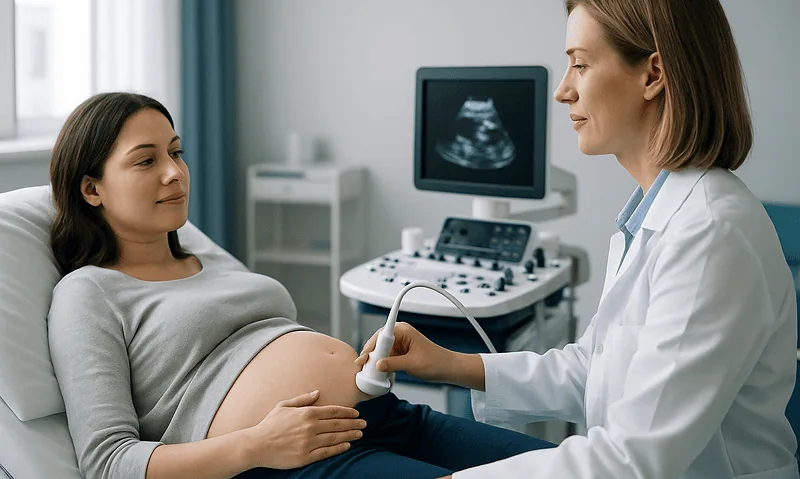
Food Poisoning in Pregnancy, Older Adults and People With Chronic Illness: Why Care Differs
Food poisoning in pregnancy, older age or chronic illness is managed more cautiously because the same germ behaves differently: Listeria can cross the placenta,…

How Food Poisoning Is Treated in Hospital: IV Fluids, Testing and Antibiotics Only When Needed
Hospitals treat food poisoning mainly by replacing lost fluid and salts, usually with oral rehydration and, when someone cannot keep fluids down or shows…

What to Eat After Food Poisoning: Bland Foods, Fluids and Pacing Your Return to Normal
After food poisoning, start with fluids, not food: small, frequent sips of water or an oral rehydration solution once vomiting settles. When appetite returns,…