

Complications After You Return Home: When to Contact Your Turkey Care Team
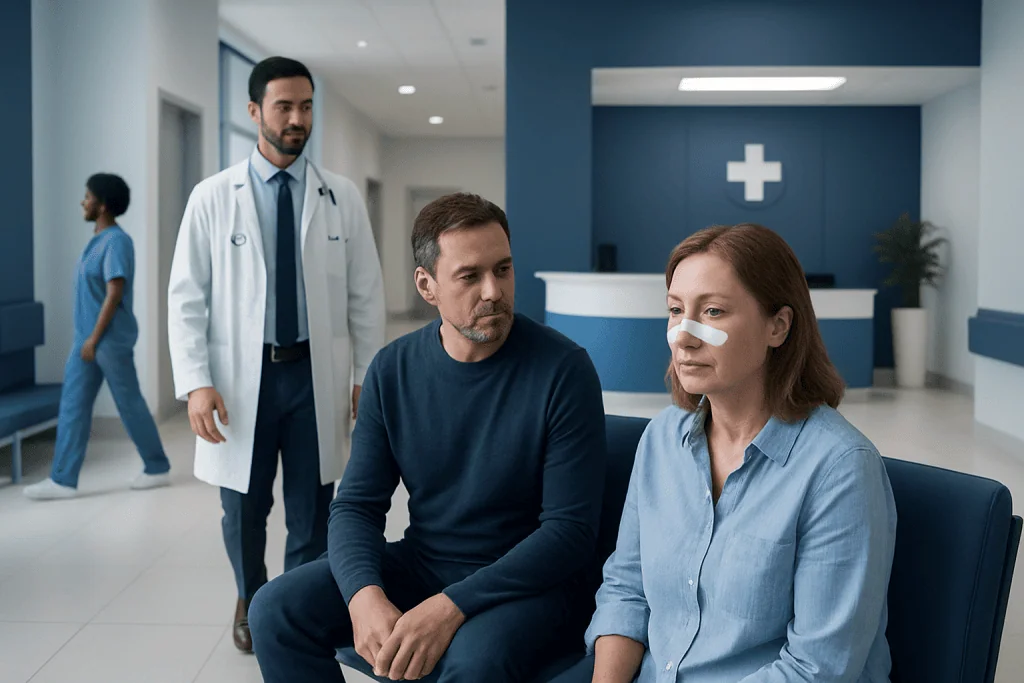
Complications after returning home from Turkey: learn warning signs, when to contact your Turkey care team, and when to seek urgent local help.
Returning home is an important part of recovery, but new symptoms can sometimes appear after travel or treatment. This guide helps you recognise when to contact your Turkey care team, when to arrange local medical review, and when to seek emergency care without delay.
At a glance
- Contact your care team: For new, worsening or concerning symptoms, medication questions, or uncertainty about recovery.
- Seek emergency help now: For severe breathing difficulty, chest pain, stroke symptoms, heavy bleeding, loss of consciousness, or severe allergic reaction.
- Keep nearby: Your discharge summary, medication list, procedure details, travel insurance information and local emergency number.
- After travel: Do not assume symptoms are caused only by jet lag or normal recovery; check new concerns promptly.
- Best first step: Record symptoms, including timing, temperature, photos if relevant, and all medicines taken.
Your recovery continues after you arrive home
It is common to have questions once you are back home. You may be adjusting to a different time zone, managing medicines independently, arranging local follow-up, and noticing changes that were not obvious during your stay in Turkey. Most recovery symptoms improve gradually, but it is always appropriate to ask for guidance when something feels different, unexpected or worse.
Your discharge information should explain the expected course of recovery, prescribed medicines, activity restrictions and planned follow-up. Keep these documents accessible rather than packed away, and share them with a local clinician if you need in-person assessment. They help explain what treatment you received and what your treating team advised.
Acibadem International patient services can help you route non-emergency aftercare questions to the relevant clinical team and support communication across distance. However, remote guidance cannot replace urgent examination when you have serious symptoms. If you believe you may be experiencing an emergency, contact local emergency services first.
When to contact your Turkey care team promptly
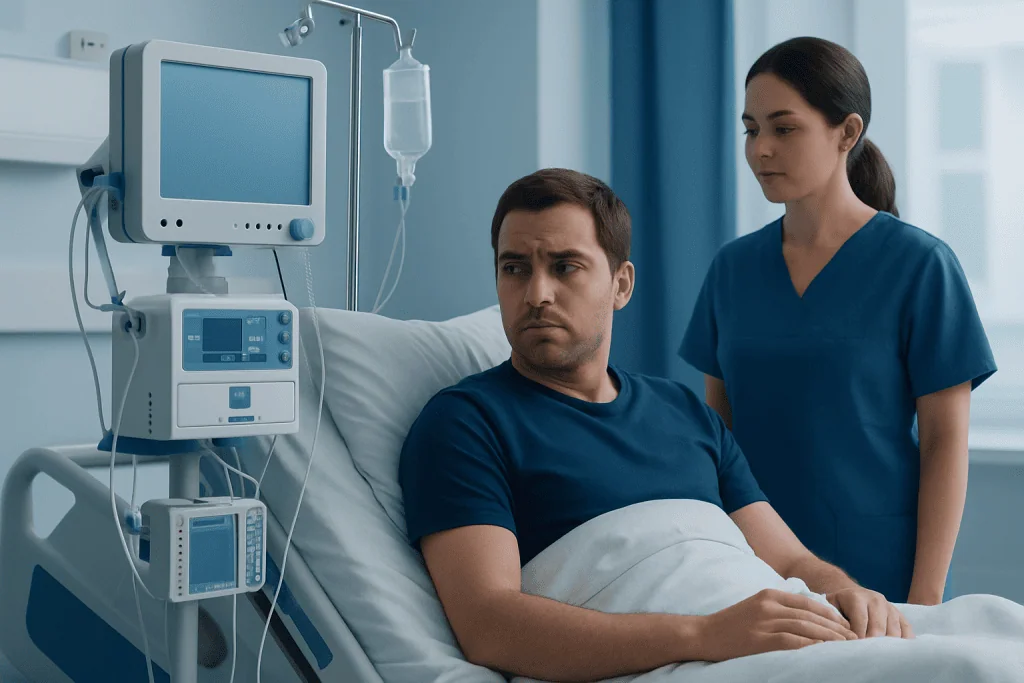
Contact your Turkey care team as soon as reasonably possible if you develop a new symptom, a symptom that is worsening rather than settling, or a concern that is not covered by your discharge instructions. Examples include increasing pain despite the recommended medication plan, a new fever, persistent nausea or vomiting, unexpected swelling, wound changes, new numbness or difficulty taking prescribed medicines.
Prompt contact is also sensible if you are unsure whether a symptom is expected. You do not need to wait until a concern becomes severe. Describe when it began, whether it is getting better or worse, what makes it better or worse, and any medication you have taken. If appropriate and secure to do so through the agreed channel, clear photographs of a wound, rash or swelling may assist the clinical team.
For medication concerns, ask before stopping, restarting, doubling or sharing a medicine unless you are having signs of a severe reaction or have been told otherwise by an emergency clinician. This is particularly important for blood thinners, antibiotics, pain medicines, steroids, diabetes medicines and medicines affecting blood pressure or heart rhythm.
- New or increasing redness, warmth, drainage, separation or odour at a wound
- Fever, chills, shaking, or feeling generally unwell
- Pain that is increasing, unusually severe, or not controlled as advised
- Persistent diarrhoea, vomiting, dehydration or inability to keep medicines down
- A new rash, itching, swelling or possible side effect after starting a medicine
Symptoms that need urgent local medical attention

Some symptoms require urgent in-person assessment where you are, even if you are also contacting your Turkey care team. Do not delay local care while waiting for a reply from a hospital abroad. Call your local emergency number or go to the nearest emergency department if you have severe or sudden symptoms.
Emergency warning signs include chest pain or pressure, severe shortness of breath, coughing up blood, fainting, confusion, seizures, sudden weakness or numbness on one side, trouble speaking, severe headache with new neurological symptoms, or uncontrolled bleeding. A severe allergic reaction can cause swelling of the lips, tongue or throat, widespread hives, wheezing, dizziness or collapse and needs immediate emergency help.
After surgery, travel and reduced mobility can increase the importance of checking symptoms such as new one-sided leg pain, swelling, tenderness or warmth, especially if accompanied by breathlessness or chest symptoms. These signs can have different causes, but they should be assessed urgently. Take your discharge paperwork and medication list with you if possible, but do not postpone care to collect documents.
Medication safety once you are home
Medication errors are more likely when you are tired, travelling, changing routines or using medicines with unfamiliar names. Use the medication list provided at discharge and follow the dose, timing and duration given to you. A pill organiser, phone reminder or written schedule can help, especially if you are taking several medicines at different times of day.
Before taking any new over-the-counter medicine, supplement, herbal product or alcohol, check whether it is compatible with your prescribed treatment. Some painkillers, cold remedies and supplements may interact with blood thinners, antibiotics, sedatives, diabetes medicines or other medicines. A local pharmacist can also be a useful resource, particularly if a brand name differs in your home country.
If you miss a dose, do not automatically take an extra dose. Check the medicine leaflet, your discharge advice, or contact your care team or pharmacist for individual guidance. If you suspect an overdose, accidental double dose, or a child or another person has taken your medicine, contact local urgent medical or poison advice services immediately.
How to make remote follow-up more useful
A clear update allows your clinicians to understand your situation more quickly. Before you call or message, write down your main concern, the date your symptoms began, how they have changed, and your current temperature if you have one. Note any recent travel, activity changes, falls, new medicines, missed doses and allergies.
Have your full name, date of birth, treatment date, hospital or clinic location, and discharge documents available. If you are seeing a local doctor, ask them to review the discharge summary. With your consent and through the appropriate channels, relevant local test results or imaging reports may sometimes be shared with your Turkey care team for continuity.
Acibadem International can help coordinate communication with the treating service and, where needed, interpreter support for international patients. Remote follow-up is most effective when both your local clinician and your original care team have accurate, up-to-date information. Always follow the advice of the clinician who is examining you in person when urgent assessment is required.
Planning for safe follow-up before a problem arises
Even if you feel well, it is wise to plan your first days at home. Keep a copy of your discharge summary in paper and digital form, save the agreed contact details, and tell a trusted family member or companion where to find your information. Confirm any scheduled remote consultation, local review or test before you travel if this has been recommended.
Make sure you have enough prescribed medication for the journey and the early recovery period, plus a plan for obtaining future supplies locally where appropriate. Keep medicines in original labelled packaging in your hand luggage. If a medicine is controlled, injectable, refrigerated or requires specific equipment, check transport and local import requirements before travelling.
Recovery is not always linear. Minor fluctuations can happen, but a sustained decline, a new concerning symptom, or a feeling that something is not right deserves attention. You are not inconveniencing your care team by asking for clarification; early communication can help you make safer decisions about next steps.
Step by step
- Review your discharge plan. Read the recovery instructions, medication schedule and follow-up recommendations once you are settled at home. Highlight the symptoms your own team specifically asked you to monitor, as these may vary according to your treatment.
- Assess whether it is an emergency. If you have severe breathing problems, chest pain, signs of stroke, heavy bleeding, loss of consciousness, severe allergic symptoms or another immediate danger, call local emergency services. Do not wait for an international message response before seeking urgent in-person care.
- Record the key details. Write down when the symptom started, how it has changed, your temperature if relevant, and medicines taken in the last 24 hours. Take clear photographs of visible changes only if this does not delay urgent care.
- Contact the appropriate service. For non-emergency concerns, use the post-discharge contact route provided by your hospital or Acibadem International patient services. State your treatment date, current location, main symptoms and whether you have already been assessed locally.
- Follow medication advice safely. Continue medicines as prescribed unless a clinician tells you to change them or you have an emergency reaction. Do not compensate for a missed dose by taking extra medicine without checking first.
- Arrange local assessment when advised. If the care team recommends an examination, blood test, imaging or wound review, arrange it promptly with a local clinician or emergency service as appropriate. Bring or send your discharge documents so the local team understands your recent treatment.
- Keep both teams informed. Share relevant local reports, test results and medication changes through approved channels where possible. This helps your treating team give more informed follow-up guidance and supports continuity of care.
Your checklist
- Printed and digital copy of your discharge summary
- Current medication list with doses, timings and allergies
- Contact details for your Turkey care team and Acibadem International patient services
- Your local emergency number and nearest emergency department
- Travel insurance and assistance-provider contact information
- A thermometer, if recommended or available
- A symptom diary or notes app for dates, temperature, pain and medicines
- Secure photos of a wound or rash only if requested or useful for remote review
Key takeaways
- New, worsening or unexpected symptoms should be discussed promptly with your care team.
- Severe symptoms such as chest pain, serious breathing difficulty, stroke signs, heavy bleeding or severe allergic reaction need emergency local care.
- Keep discharge documents and your medication list available for any local clinician.
- Do not change prescribed medicines, double doses or add supplements without appropriate advice.
- Accurate symptom notes and relevant photos can make remote follow-up more effective.
Frequently asked questions
Should I contact my Turkey care team for every symptom after I return home?
You do not need to report every mild, improving symptom that is clearly described in your discharge instructions. However, contact the team if a symptom is new, worsening, unexpected, difficult to manage or causing you concern. It is better to ask early than to wait for a problem to become more serious.
What if I cannot reach my Turkey care team immediately?
If your symptoms are severe, urgent or potentially life-threatening, seek local emergency care without waiting. For non-emergency concerns, follow the contact route given in your discharge paperwork, leave the requested details, and consider contacting a local doctor or pharmacist for timely advice. Keep trying the agreed international patient contact channel for follow-up.
Can a local doctor treat me after I have had treatment in Turkey?
Yes. A local doctor can assess and treat you based on your current symptoms and clinical needs. Bring your discharge summary, procedure information and medication list, and ask the doctor to consider your recent treatment and travel when making decisions. Your Turkey care team may also be able to support continuity by reviewing relevant information through appropriate channels.
Which wound changes should I report?
Report increasing redness, heat, swelling, pain, discharge, bad odour, opening of the wound, new bleeding or fever. The significance of wound changes depends on your procedure and stage of recovery, so your treating team may ask for more details or photographs. Rapidly spreading redness, severe pain, heavy bleeding or feeling very unwell requires urgent local assessment.
What should I do if I have side effects from a medicine?
For mild or uncertain side effects, contact your care team or a pharmacist before changing the medicine, particularly if it is important for preventing complications. Seek emergency help for signs of a severe allergic reaction, such as trouble breathing, swelling of the face or throat, collapse or widespread hives with severe symptoms. If you think you have taken too much medicine, contact local urgent medical or poison advice services immediately.
Could leg swelling after my flight be serious?
Leg swelling can occur for several reasons, including travel and reduced activity, but new one-sided swelling, pain, warmth or tenderness should be assessed urgently, especially if you also have chest pain or shortness of breath. Do not try to diagnose the cause yourself from symptoms alone. Contact local urgent care or emergency services based on the severity of symptoms.
What information should I send when I ask for remote advice?
Include your name, date of birth, treatment date, the treatment or procedure you had, your current location and a concise description of symptoms. Add when they started, whether they are worsening, your temperature if relevant, current medicines and any local assessment already completed. Attach documents or images only through the secure method your care team provides.
Add us as a Preferred Source to see more of our trusted health content across Google Search, AI Overviews and Discover.
More Patient Guides

How to Send Your Medical Files Securely Before Treatment in Turkey
Send medical files securely before treatment in Turkey by using approved channels, clear file names and a complete health summary.
8 min read
Pain Control After Treatment in Turkey: What Patients Should Expect and Ask About
Pain control after treatment in Turkey usually includes a tailored medicine plan, clear warning signs, and follow-up support before you leave Istanbul.
9 min read
Managing Medicines Across Borders After Treatment in Turkey
Managing medicines across borders after treatment in Turkey means carrying clear documents, checking import rules, and planning refills before you fly.
8 min read