

Dental Clearance Before Major Surgery in Turkey

Dental clearance is a focused dental examination carried out before a major operation to find and manage active oral infection, abscesses, severe gum disease, or unstable infected teeth, that could complicate surgery or recovery. If you are travelling to Turkey for an operation, arranging the check around four to six weeks in advance gives time for treatment, healing, and written documentation without disturbing your surgery date.
Your surgery date is set, and then someone asks whether you have had dental clearance. It sounds like one more hurdle. In practice, it is a short, focused safety check: a dentist examines your mouth for untreated infection or unstable dental problems that could complicate a major operation or the recovery that follows. This guide explains what the check involves, which operations usually call for it, and how to fit it into an international treatment journey without losing your surgery date.
At a glance
- Best time to start: around 4-6 weeks before major surgery, or as soon as the operation is being planned
- Main purpose: to find and manage active oral infection or unstable dental problems before your body has to heal from a major procedure
- Most often requested before: cardiac surgery, joint replacement, transplant preparation, some cancer treatments, and operations that implant foreign material
- What to prepare: a written dental report, recent X-rays, a full medication and allergy list, and your surgery plan
- Travel consideration: allow time for any dental treatment and healing before you fly, and build buffer days into your arrival
What dental clearance before major surgery in Turkey means
Dental clearance before major surgery in Turkey works the same way it does anywhere else: a dentist assesses your teeth, gums, jaw, and any dental appliances for signs of active disease, then puts the findings in writing for the surgical team. It is not about cosmetic perfection. Old fillings, stable crowns, and imperfect teeth are usually irrelevant. What matters is whether anything in your mouth is actively infected or likely to become infected while your body is occupied with healing from a large operation.
The dentist looks for abscesses, deep decay near the nerve, severe gum inflammation, loose infected teeth, wounds in the mouth, and appliances that rub or trap bacteria. For many patients, the outcome is simple reassurance and a short letter confirming that no urgent dental concern was found. Where treatment is needed, the question becomes one of timing: what must be done before the operation, and what can safely wait.
For international patients, dental clearance is also a logistics question. A dental infection discovered days before surgery narrows everyone’s options and can force a postponement. The same infection found five weeks earlier is usually a manageable detour. That difference, not the check itself, is why this guide keeps returning to timing.
Why surgical teams ask for dental clearance
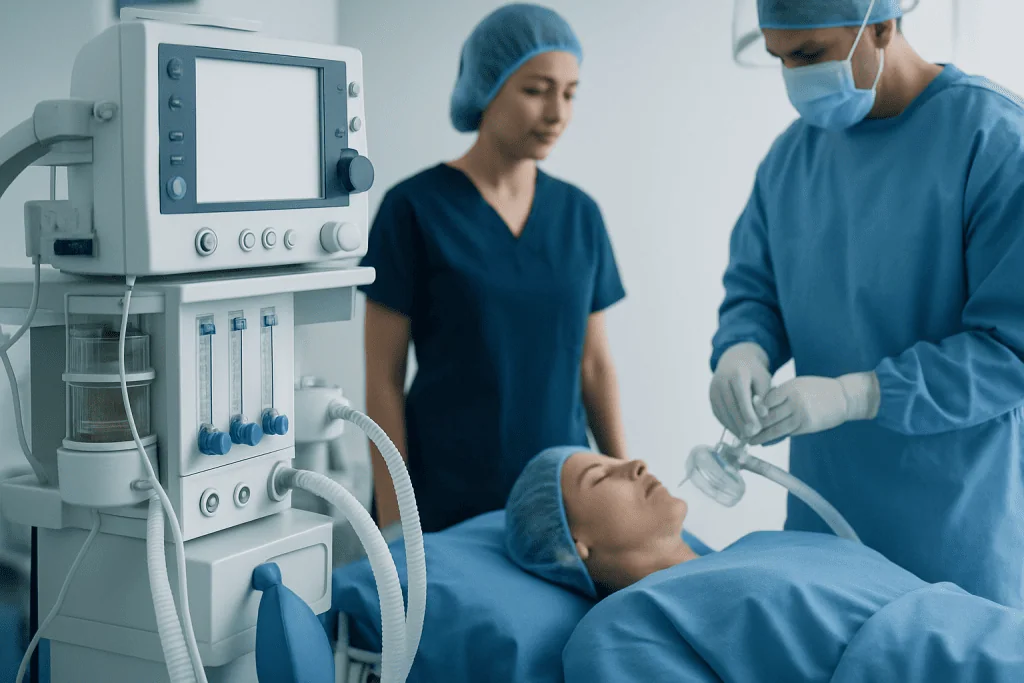
Major surgery places temporary stress on the body’s defences, and many operations involve implanted material, catheters, or a period of intensive recovery support. Bacteria from an untreated oral infection can enter the bloodstream, particularly when gums are severely inflamed or dental disease is advanced. Once in the blood, those bacteria can settle on vulnerable tissue, heart valves and prosthetic implants are the classic examples. Clearing active oral infection beforehand removes one avoidable source of trouble at exactly the moment the body can least afford it.
A dental check is more likely to be requested when a patient also has diabetes, takes immune-suppressing medicines, has a history of endocarditis, or already has dental symptoms such as pain, swelling, or loose teeth. None of this means the mouth is the only infection risk a surgical team considers, and clearance is not a promise that complications cannot occur. It is one layer in a broader infection-prevention plan, alongside the hospital’s own pre-operative checks. At Acibadem, pre-operative planning brings the relevant specialist teams together, so dental findings are weighed alongside your medical condition, medications, and operation schedule rather than in isolation.
Which operations most often need dental clearance
There is no universal list, and requirements vary by surgeon, hospital, and patient. That said, the pattern is consistent: the more an operation involves implanted material, immune suppression, or the heart, the more likely a dental check becomes part of preparation.
| Type of operation | Why oral health is checked first |
|---|---|
| Heart valve and other cardiovascular surgery | Oral bacteria in the bloodstream can settle on heart valves, including prosthetic ones |
| Joint replacement and orthopaedic implant surgery | Implanted prosthetic material is vulnerable to bacteria circulating from infected teeth or gums |
| Organ transplant preparation | Immune-suppressing medicines after transplant make untreated oral infection harder to control |
| Some cancer treatments | Chemotherapy and head-and-neck radiotherapy reduce healing capacity, so dental problems are ideally resolved beforehand |
| Complex reconstructive surgery with implanted material | Foreign material anywhere in the body raises the stakes of a bloodstream infection |
Routine operations without implants, in patients with healthy mouths, often need no formal dental clearance at all. The surgical team decides based on the procedure and your medical history, which is why it is worth asking the question early rather than assuming either way.
When to arrange the check if you are travelling to Turkey

The most forgiving schedule starts the dental assessment as soon as major surgery is being discussed, ideally four to six weeks before the planned date. That window allows for X-rays, any treatment, healing, and the exchange of documents between your dentist and the hospital. An extraction, for instance, needs healing time before a major operation; a filling usually does not. You cannot know which category you are in until the examination happens, which is the whole argument for doing it early.
Anyone arranging dental clearance before major surgery in Turkey has two practical routes: complete the check at home before flying, or have it done in Turkey after arrival. The home route is usually simpler, because a discovery made after arrival compresses every subsequent decision. If the check will happen in Turkey, your arrival date needs to reflect that: our guide on when to arrive before surgery in Turkey covers how to build that margin. And if dental treatment happens shortly before you fly, it sits alongside the broader question of medical fitness to fly, which deserves its own attention.
One thing worth saying plainly: leaving dental symptoms unmentioned in the hope of protecting a surgery date tends to backfire. A delay, where one is genuinely needed, exists to prevent a larger problem during recovery. Teams make better decisions with the full picture, and they make the best decisions when they get that picture early.
What happens during a pre-surgery dental assessment
The assessment itself is usually straightforward and unremarkable. The dentist reviews your medical history, current medications, allergies, and previous dental work, then examines the mouth. Dental X-rays, often a single panoramic image, may be taken to reveal hidden infection around tooth roots, wisdom teeth, or old restorations that looks fine from the surface.
Findings typically fall into three categories: nothing urgent, routine care that can wait until after surgery, or treatment needed first. Pre-surgical treatment might mean a professional cleaning for significant gum inflammation, filling a deep cavity, treating or draining an abscess, adjusting an appliance, or removing a tooth that is severely infected and cannot be stabilised. Which of these applies, and in what order, depends on your general health, the urgency of the operation, and agreement between the dentist and your surgeons.
The dentist needs your full medical context to plan safely: heart conditions, diabetes, implants elsewhere in the body, immune-suppressing medicines, cancer treatment, and every medication you take, including blood thinners and supplements. Any adjustment to medication around dental work, pausing, restarting, adding antibiotics, is a decision for your treating doctors, made jointly, never something to attempt on your own initiative.
Having the check at home versus in Turkey
Starting with a trusted dentist in your home country has real advantages. They may already know your history, appointments are easier to arrange, and any treatment can heal on home ground before you travel. Ask for the clearance letter and copies of X-rays in English where possible; translation is manageable, but English documents move through an international hospital’s review faster.
Completing the check in Turkey is also realistic when the timeline allows it. Hospital groups with their own dental and oral health departments can coordinate the assessment with the surgical calendar, and findings reach the operating team without documents crossing borders. The trade-off is inflexibility: if treatment is needed, everything, treatment, healing, and the operation itself, has to fit inside your stay. That works when it is planned for. It works badly as an improvisation.
Whichever route you take, the surgical team decides whether the clearance satisfies their requirements. A letter from any competent dentist is normally acceptable; what matters is that it is recent, specific, and honest about anything unresolved.
Documents and communication that prevent delays
A good dental clearance letter is short. It should carry your name, the examination date, a summary of findings, any treatment completed, a clear statement on whether active oral infection is present, and the dentist’s view on whether any urgent dental issue stands in the way of the planned operation. If treatment remains pending, the letter should say what and by when.
Before travelling, it helps to assemble:
- The dental clearance letter or dental report, preferably in English
- A recent panoramic X-ray or other relevant dental images, if available
- A note of dental treatments completed in the last 6-12 months
- Your current medication list, including blood thinners and supplements
- Allergy information, especially to antibiotics or local anaesthetics
- Your planned operation, hospital date, and surgeon’s details if known
Hospitals generally ask for these documents to arrive before you do, so records can be reviewed and gaps flagged while there is still time to fix them. Dental appliances deserve a mention in the same file: braces, retainers, dentures, and loose crowns all matter to the anaesthesia team, and our guide on braces, retainers, and dental work before surgery explains exactly what belongs on that list.
Travel, healing time, and looking after your mouth before the operation
If dental treatment happens before your main surgery, healing time is part of the plan, not an afterthought. A simple filling rarely affects travel. An extraction, abscess treatment, or gum procedure may need follow-up, and the surgical team judges when it is safe to proceed, particularly where stitches, a course of antibiotics, or recent infection are involved.
Build buffer days into your arrival rather than landing at the last possible moment, especially if any part of the clearance remains incomplete. Extra imaging, translation of records, or a medical review all take time, and a schedule with no slack turns small tasks into crises. The same buffer logic applies to other pre-operative rules, from fasting requirements to final anaesthesia checks.
In the weeks before surgery, gentle consistency beats intensity: brush twice daily, clean between teeth if that is already your habit, and avoid starting aggressive new routines that irritate the gums. Surgical teams also expect to hear about any change in your mouth between clearance and the operation itself, clearance describes your mouth on the day of the examination, not permanently, and new developments are simply part of the information they work with.
Step by step
- Ask whether dental clearance is required. When your operation is being planned, ask the surgical team whether a dental check applies to your procedure and health profile. Requirements vary by operation type, medical history, and surgeon preference.
- Book the dental assessment early. Aim for 4-6 weeks before surgery, sooner if you have symptoms. Early assessment leaves room for X-rays, treatment, healing, and paperwork.
- Give the dentist your full medical picture. Heart conditions, diabetes, immune suppression, cancer treatment, implants, allergies, and every medicine including blood thinners, all of it shapes what the dentist can safely do.
- Complete any urgent dental treatment as advised. If active infection or an unstable tooth is found, the recommended treatment and its healing time become part of the surgical timeline, so the operating team needs the report promptly.
- Request a written clearance letter. It should confirm the examination date, findings, treatment completed, and whether active infection remains. Keep digital and printed copies.
- Get records to the hospital before travelling. The clearance letter, X-rays, and medication list should reach the surgical team ahead of your arrival, so anything missing surfaces while it can still be fixed from home.
- Keep the information current. Clearance reflects your mouth on the day of the check. Any new dental problem before the operation belongs in your pre-operative file, because the team plans around what it knows.
Your checklist
- Ask the surgical team whether dental clearance applies to your procedure
- Schedule the dental check as early as possible before travel
- Bring or forward recent dental X-rays if available
- Prepare a complete list of medications, supplements, and allergies
- Tell the dentist about heart disease, diabetes, implants, immune suppression, or cancer treatment
- Complete any urgent dental treatment and allow the recommended healing time
- Request a written clearance letter, in English where possible
- Arrange for all dental documents to reach the hospital before arrival
- Keep your pre-operative file updated with any change in your mouth
Key takeaways
- Dental clearance checks for active oral infection before major surgery, and matters most where implants, heart procedures, transplant care, or immune suppression are involved.
- Start early, around 4-6 weeks before surgery, so treatment and healing fit inside the timeline instead of breaking it.
- A written dental report, X-rays, medication list, and allergy details give the hospital what it needs to plan safely.
- Any change to blood thinners, antibiotics, or other medicines around dental work is a decision for your treating doctors, never a self-managed one.
- The check can happen at home or in Turkey; the home route is usually simpler, the Turkey route needs deliberate scheduling.
Frequently asked questions
Why do I need dental clearance before surgery?
Because an untreated oral infection can release bacteria into the bloodstream, and a body recovering from major surgery, especially one with newly implanted material or a suppressed immune system, is poorly placed to fight that off. Clearance finds and resolves active dental infection before the operation, removing one avoidable risk from the recovery period.
What surgeries need dental clearance?
It is most often requested before cardiac surgery (particularly valve procedures), joint replacement and other implant surgery, organ transplant preparation, and some cancer treatments such as chemotherapy or head-and-neck radiotherapy. There is no universal rule: the surgical team decides based on the operation, your medical history, and hospital protocol.
How safe is it to get dental work done in Turkey?
Turkey has a large, regulated dental sector, and standards vary between providers just as they do in any country. When a dental check is part of pre-surgical preparation at a hospital with its own dental department, the work is planned alongside the surgical team rather than in isolation. The sensible questions are the same everywhere: the dentist’s qualifications, how records are documented, and how findings will reach your surgeons.
Is medical clearance required before a dental procedure?
Sometimes the requirement runs in the other direction, yes. Patients with certain heart conditions, those taking blood thinners or immune-suppressing medicines, and those in active cancer treatment may need their physician’s input before invasive dental work such as an extraction. This is decided individually, which is another reason the dentist needs your complete medical history.
Can I get dental clearance after I arrive in Istanbul?
Often yes, provided the schedule was built for it. The risk is discovering a problem after arrival, when treatment, healing, and the operation all have to fit inside your stay. Where possible, completing the check at home and forwarding the records before travel keeps more options open.
Will a cavity or gum problem automatically delay my surgery?
Not necessarily. Minor or stable issues are often documented and treated after the operation. Active infection, an abscess, severe gum disease, or an unstable infected tooth is more likely to need attention first, and whether that shifts the surgery date depends on how early it was found and how urgent the operation is.
What should a dental clearance letter include?
Your identification details, the examination date, findings, X-ray results where relevant, treatment completed, and a clear statement on whether active oral infection is present. It should also record whether the dentist sees any urgent dental reason to postpone the planned operation. English documentation speeds up review at an international hospital.
Should I take antibiotics before dental treatment or surgery?
Only if they are prescribed for you, for this situation, by a qualified clinician. Some patients with specific heart conditions or immune issues need particular precautions around dental work, but that is an individual medical decision. Leftover antibiotics or self-started courses have no place in surgical preparation.
Add us as a Preferred Source to see more of our trusted health content across Google Search, AI Overviews and Discover.

Update history
- PublishedJune 16, 2026
- Medical review approvedSeptember 13, 2026
- Last content updateSeptember 12, 2026
References2
- Gum disease: NHS nhs.uk
- Dental Health: MedlinePlus medlineplus.gov
More Patient Guides

How Long Does Anesthesia Last? Wear-Off Times by Type
Coming round from an operation, almost everyone asks the same two questions: when will my head feel normal, and how long is…

Flying to Turkey After a Recent Illness: When Is It Safe to Travel?
Flying to Turkey after a recent illness may be safe once you are medically stable and cleared to travel; plan airline support…
Braces, Retainers, and Dental Work Before Surgery in Turkey: What to Tell Your Team
Braces, retainers and dental work before surgery in Turkey should be shared with your care team early to plan safe anaesthesia and…

When to Stop Eating, Drinking, or Smoking Before a Procedure in Turkey
When to stop eating before a procedure in Turkey depends on your anesthesia plan; follow your care team’s exact fasting instructions for…